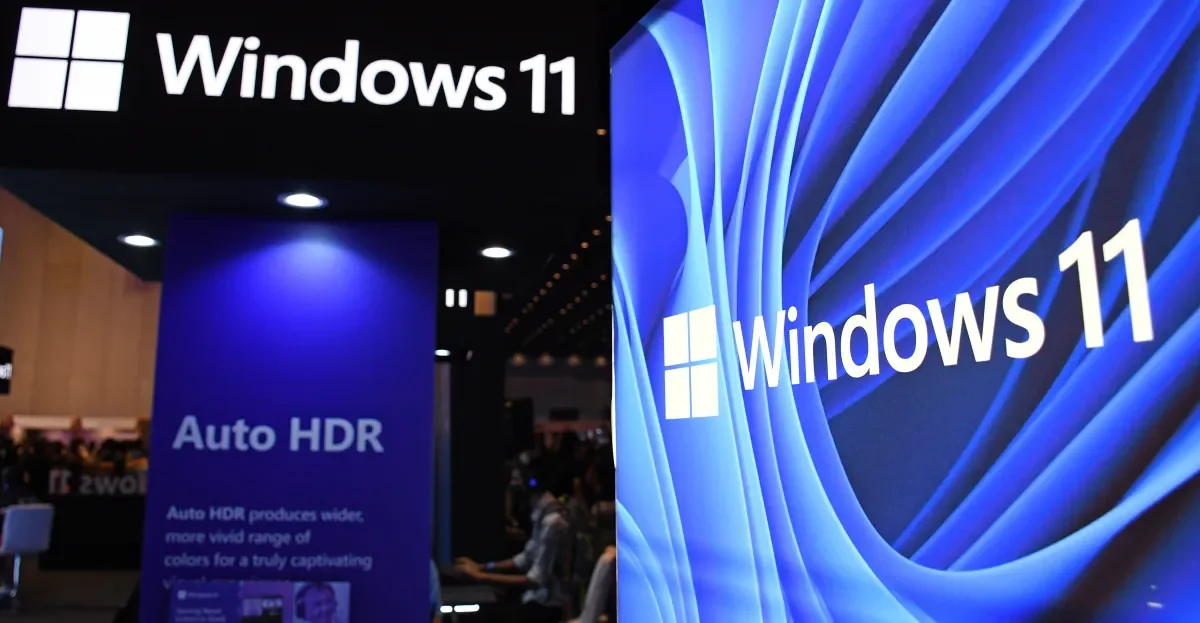
Microsoft announced Windows 11 has reached 1 billion users in 1,576 days, faster than Windows 10, helped by the end-of-support transition for Windows 10 and strong December numbers, with Satya Nadella noting the milestone during the Q2 2026 earnings call.
Apple is experiencing delays in the development or deployment of new Siri features amid growing concerns about artificial intelligence, highlighting challenges in AI integration and development within the company.
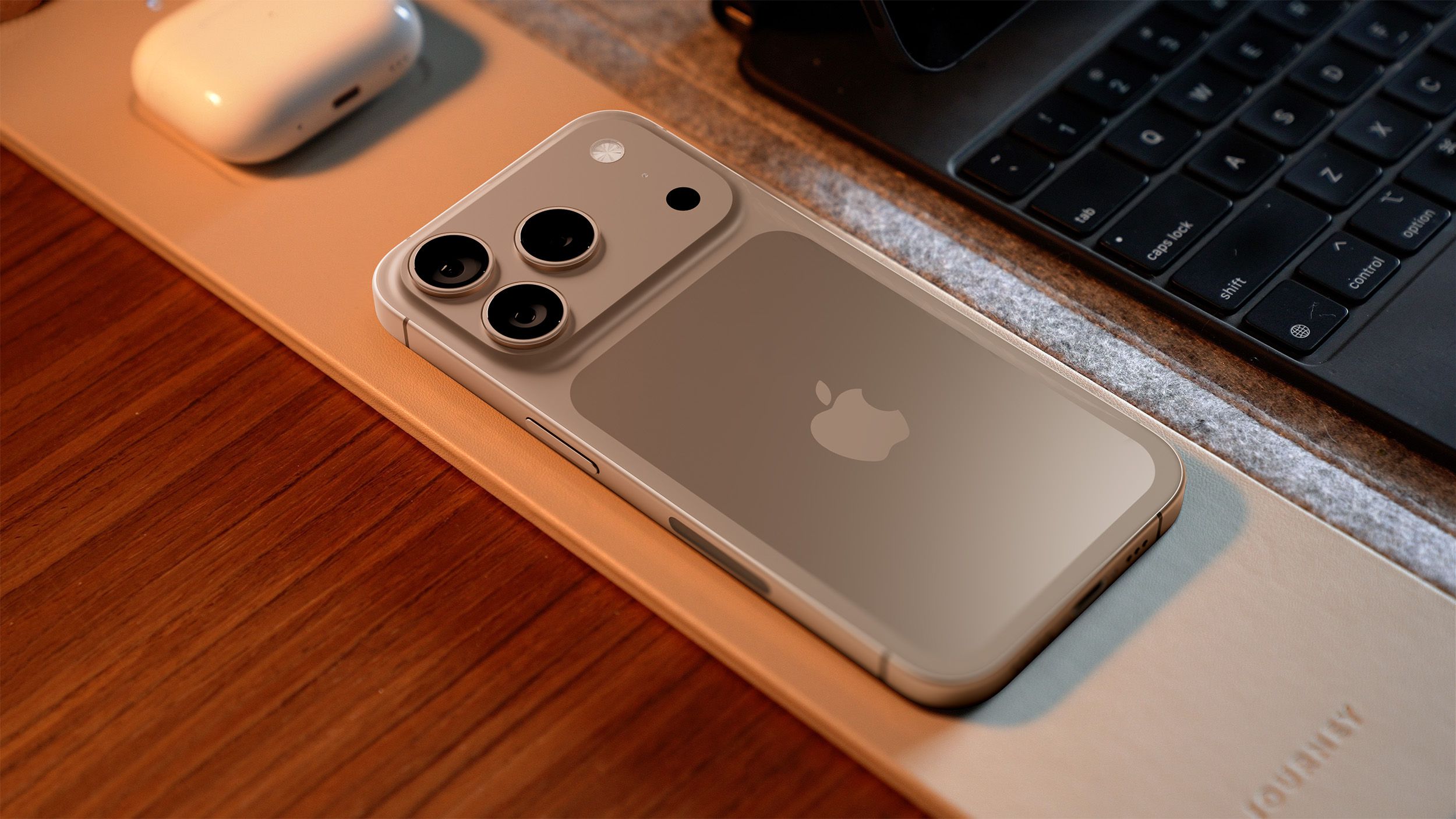
The upcoming iPhone 17 Pro is expected to have significantly improved battery life, which is being described as 'awe dropping,' indicating a major enhancement over previous models.
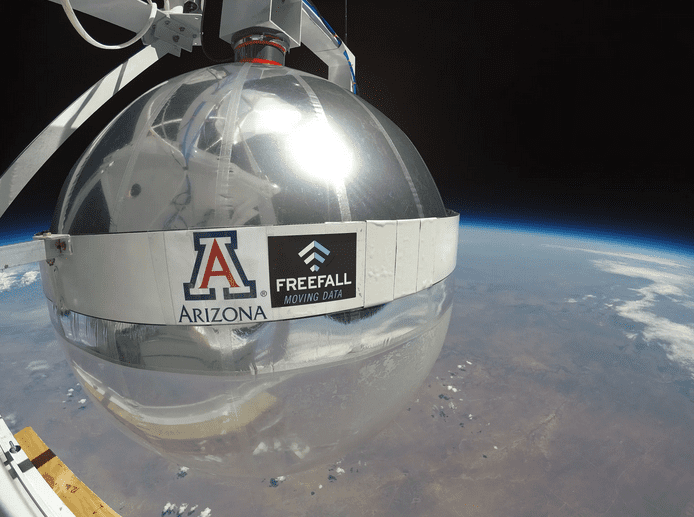
NASA's Innovative Advanced Concepts (NIAC) program is supporting the development of a potentially game-changing antenna design called the Large Balloon Reflector (LBR). The LBR is an inflatable device that creates wide collection apertures for space-based sensing and communications. The concept turns part of the inside surface of an inflated sphere into a parabolic antenna, offering a lightweight alternative to current deployable antennas. With funding from NIAC and the U.S. Naval Research Laboratory, a 33-foot-diameter LBR was successfully demonstrated. This innovative technology has the potential to revolutionize space-based communication systems.
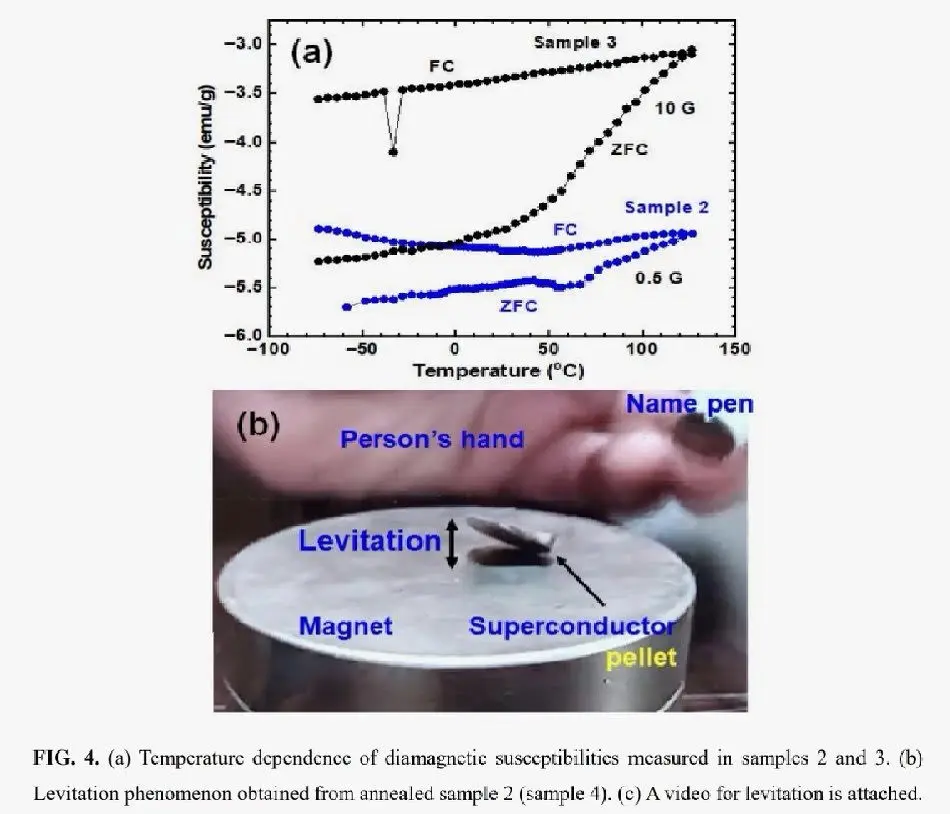
Researchers in Korea have synthesized a room temperature superconductor material, LK-99, which operates at ambient pressure and has a critical temperature (Tc) above 400 K. The material exhibits superconductivity due to a slight volume shrinkage caused by Cu2+ substitution of Pb2+ ions, resulting in an insulator-metal transition. If confirmed, this breakthrough could significantly reduce energy losses and has the potential to revolutionize various industries. Other room temperature superconductors, such as those developed by the University of Nevada and the University of Rochester, also show promise.