Luana Lopes Lara, a former ballerina and MIT graduate, has become the world's youngest self-made woman billionaire after her prediction market platform, Kalshi, reached an $11 billion valuation, driven by rapid growth and successful regulatory milestones.

Will Griffith of Iconiq reflects on investing in Figma from its seed stage to its recent IPO, which saw the company's stock surge to a $47 billion market cap. Despite most shares sold being from existing investors, the IPO was highly oversubscribed, highlighting Figma's strong fundamentals. Griffith praises Figma's founders and emphasizes that the IPO is just a milestone in the company's ongoing growth.
Figma, a San Francisco-based design startup, successfully went public in 2024, raising $1.2 billion and achieving a valuation of over $19 billion, making cofounder and CEO Dylan Field a billionaire. The company rebounded from a failed $20 billion acquisition by Adobe due to regulatory issues, and despite not yet turning a profit, Figma's revenue growth and strategic product launches have positioned it as a major player in the design software industry. Field retains significant control over the company, and the IPO has benefited major venture backers, amid rising competition from AI-driven startups.
ElevenLabs, a London-based AI voice generation startup founded in 2022, plans to expand globally with new hubs in Europe, Asia, and South America, and aims to go public within five years, depending on market conditions and user distribution. The company, valued at $3.3 billion, is backed by major investors and is considering its IPO location based on where its users are most concentrated, with London as a potential listing site.
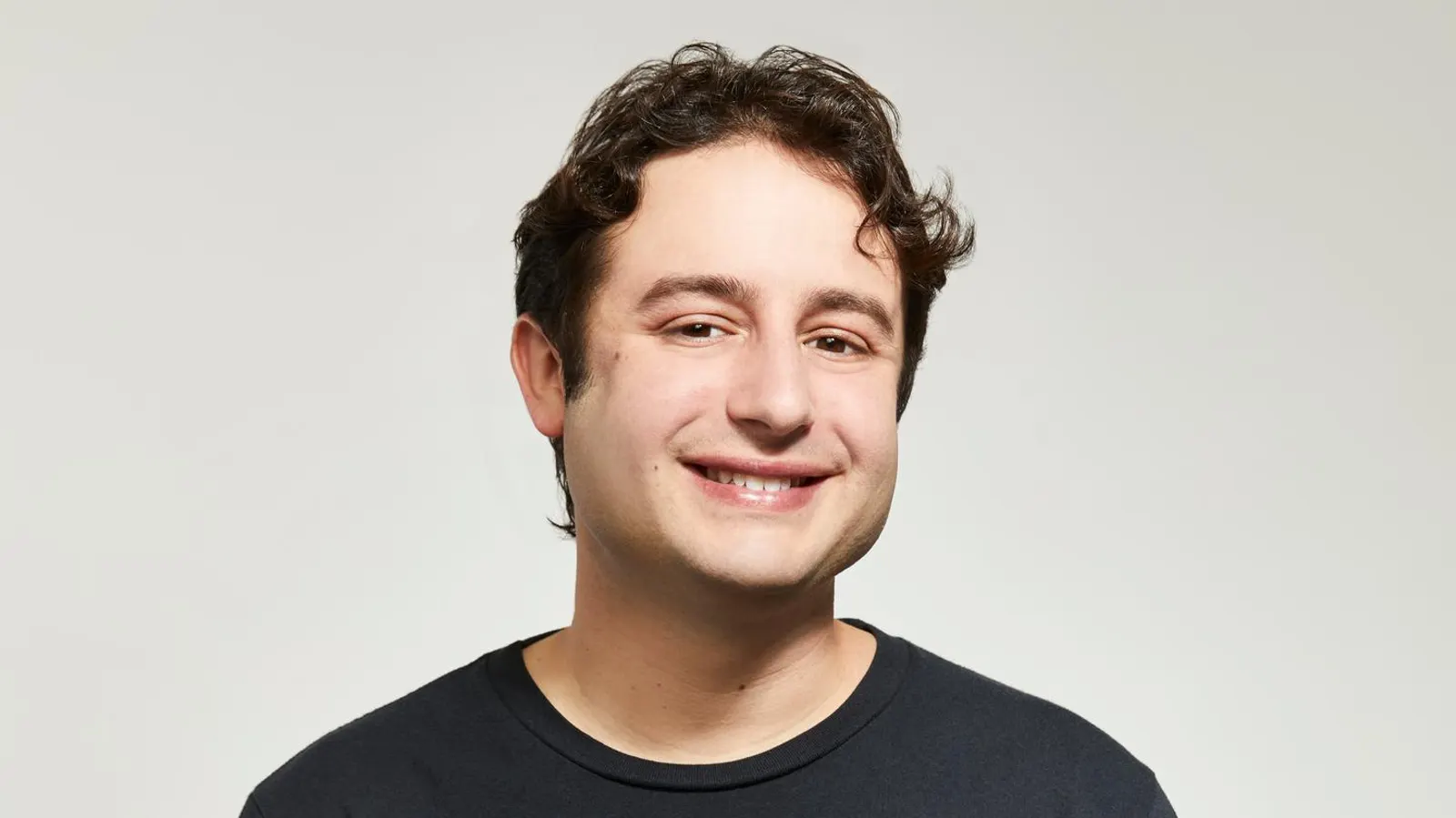
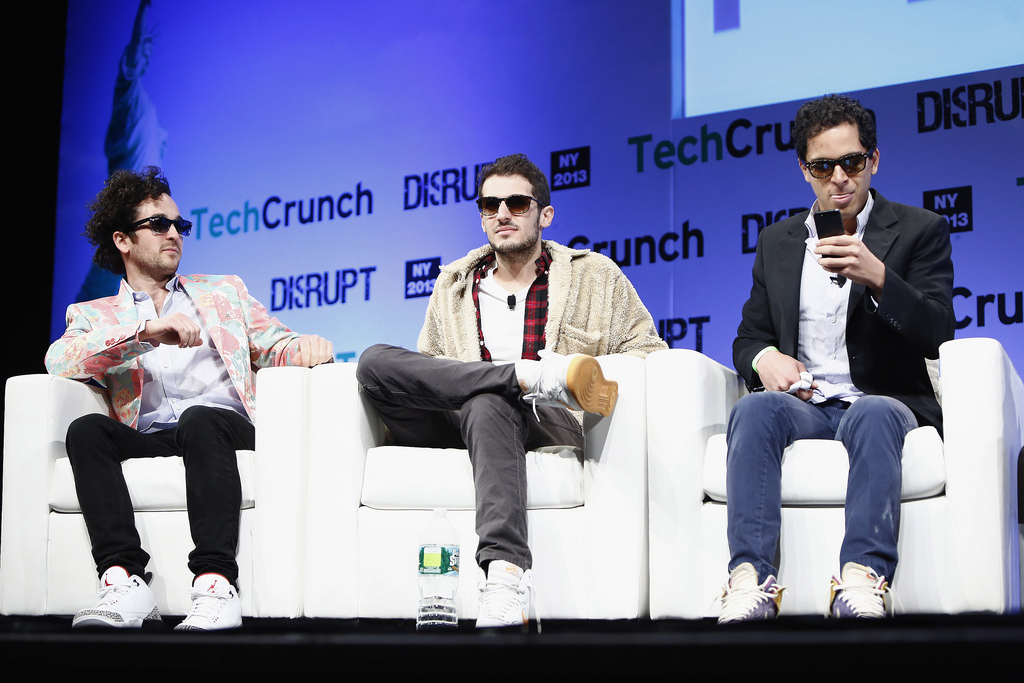
Mahbod Moghadam, co-founder of Genius and Everipedia, has passed away at 41 due to complications from a recurring brain tumor. Known for his controversial and edgy personality, Moghadam was also an angel investor and had been working on schemes to help creators get paid more directly for their work. Despite his professional ups and downs, he remained highly regarded by many and continued to be involved in legal battles with his former companies.
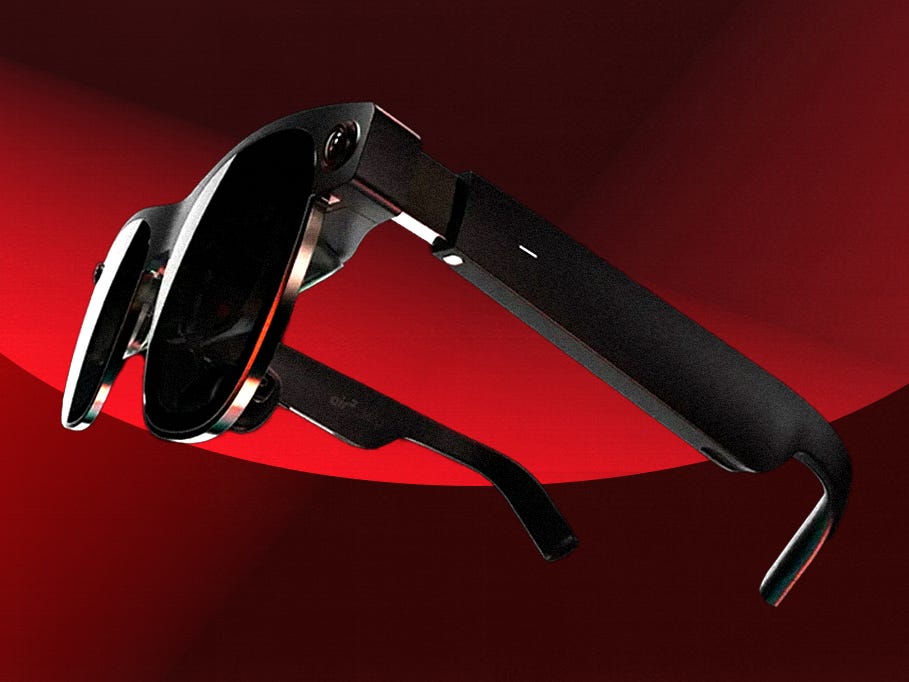
Chinese tech startup XReal plans to rival Apple's Vision Pro with its more affordable Air 2 Ultra AR glasses, priced at $699 for pre-order. The company aims to offer a cheaper alternative to Apple's pricier device, projecting a virtual screen onto the user's line of vision. XReal expects to produce 50,000 units this year and is set to raise an additional $60 million to scale manufacturing and research. With a focus on AR capabilities, XReal believes it is ahead of Apple in the AR space and aims to maintain its lead in the market.
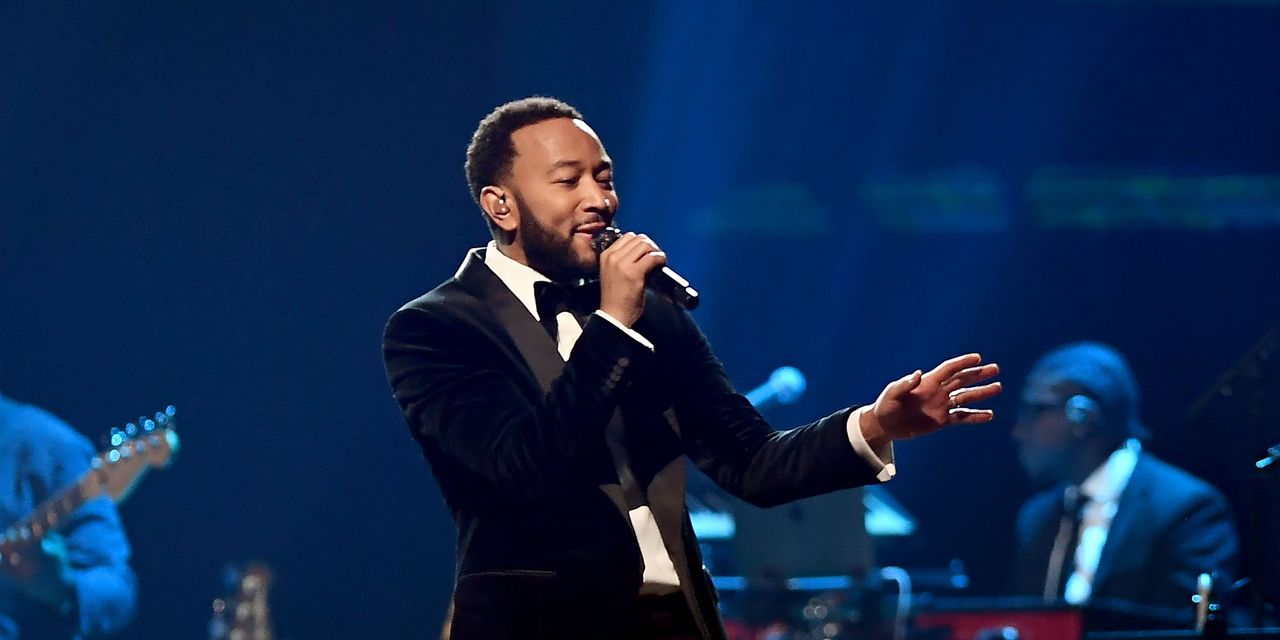
Musician John Legend is venturing into the tech startup world with the launch of his social app called It's Good, which aims to provide users with personalized food and travel recommendations. Legend and his co-founder came up with the idea for the app four years ago.
A tech startup is targeting missile motors as Silicon Valley moves into the defense industry. The startup, called Ursa Major Technologies, is developing a rocket engine that could be used in missiles and other military applications. The move comes as more tech companies are entering the defense industry, attracted by the potential for lucrative contracts and the opportunity to work on cutting-edge military technology.
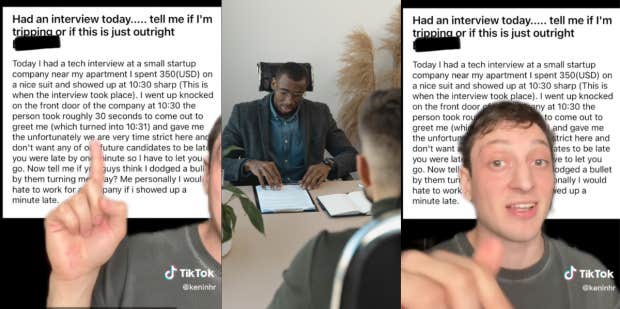
A job applicant spent $350 on a new suit for an interview at a tech startup but was turned away for being one minute late, despite showing up on time. The company claimed to be "very time strict" and refused to give him the interview. The TikToker who shared the post felt both sides were wrong, with the candidate should have shown up earlier, and the company acted too harshly. A survey found that 93% of employers felt tardiness was unacceptable in the interview process.