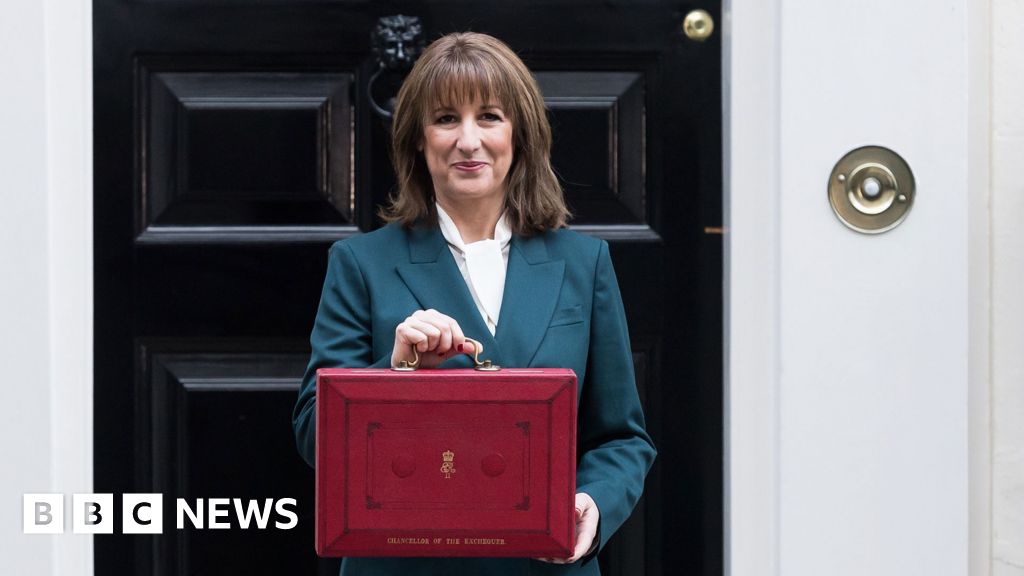
Chris Mason argues that Chancellor Rachel Reeves was misleading in her pre-Budget statements by not fully disclosing that tax receipts were better than expected, which impacted the financial outlook and policy decisions, despite her claims being technically accurate at the time.
The US federal budget deficit for the 2023 fiscal year has reached $1.7 trillion, nearly double the previous year's deficit, due to slumping tax receipts, rising interest rates, and ongoing demand for expiring pandemic relief benefits. However, accounting adjustments related to a student loan forgiveness program proposed by President Biden last year artificially reduced this year's deficit. The widening gap between government spending and earnings comes at a challenging time as Congress debates federal spending levels and the Biden administration seeks aid for Israel and Ukraine. Concerns are growing about the sustainability of the current borrowing path, with the national debt surpassing $33 trillion and interest costs projected to become the nation's largest expenditure within three decades.
Fears of an earlier-than-expected government default have led to a buying frenzy of one-month Treasury bills, causing their rate to fall nearly half a percentage point. Weak federal tax receipts due on April 18 could result in the government running out of money before mid-June unless Congress raises the debt ceiling.