Over 100 liberal philanthropies, including the Ford Foundation and Open Society Foundations, have issued an open letter defending their missions and condemning potential political attacks from the Trump administration, which plans to crack down on nonprofits accused of fostering violence, threatening their tax-exempt status and fundamental freedoms.

The Trump administration is escalating its efforts against Harvard University, including convening agencies to consider punitive measures such as investigations and funding cuts, amid ongoing legal battles and public disputes, reflecting a broader effort to challenge prestigious institutions it views as out of step with its policies.
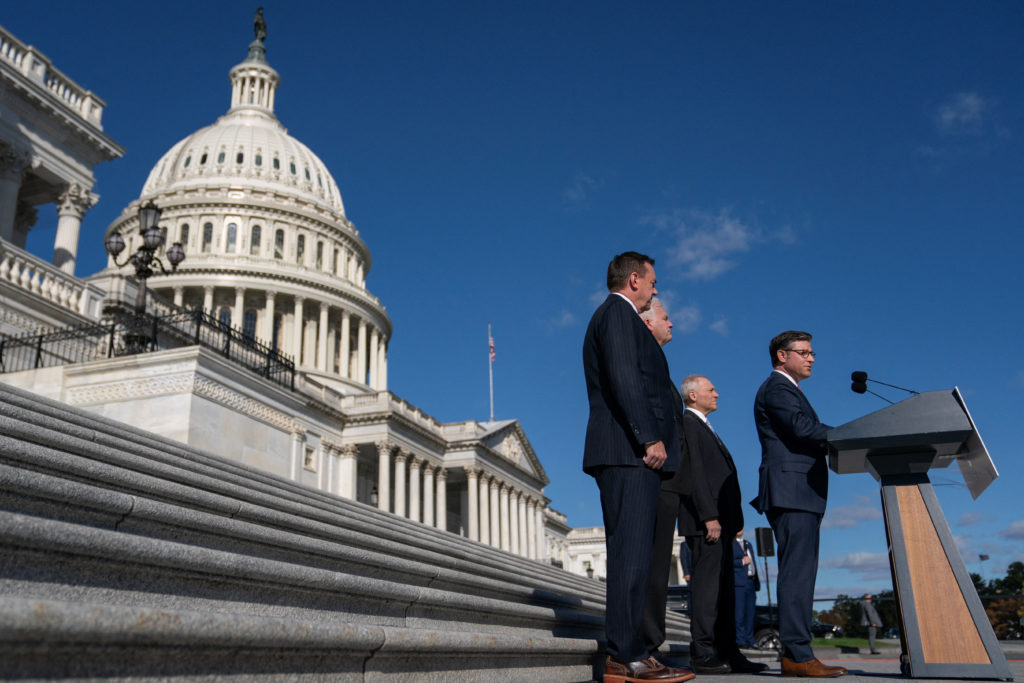
The U.S. House has passed a bill allowing the Treasury Department to revoke the tax-exempt status of nonprofits deemed to support terrorism, sparking concerns over potential misuse against political opponents and activists. Critics argue the bill lacks clear definitions and could infringe on constitutional rights, with fears it may suppress dissent and activism. The bill, which passed with Republican support, must still pass the Senate and be signed by the President to become law.
The US House of Representatives passed the Stop Terror-Financing and Tax Penalties on American Hostages Act, which allows the Treasury Department to revoke the tax-exempt status of non-profits deemed as "terrorist supporting organisations." This move, passed by a 219-184 vote, has raised concerns among civil liberties groups that it could target pro-Palestinian organizations critical of Israel's actions in Gaza. The bill, which faces opposition in the Senate, has been criticized for potentially granting excessive power to the executive branch.
House Republicans are pushing a bill, HR 9495, that would allow the Treasury Department to revoke the tax-exempt status of non-profits deemed to support terrorism. Critics, including the ACLU and various non-profit organizations, argue the bill could be used to target political opponents and chill advocacy, particularly affecting groups supporting Palestinian rights. The bill, which failed to pass under fast-track rules, is set for a floor vote requiring a simple majority. If passed, it is expected to face legal challenges due to concerns over due process and potential misuse of executive power.
Nonprofit collectives that pay college athletes to promote charities may not qualify as tax-exempt, according to a recent memo from the Internal Revenue Service (IRS). The memo states that if the main purpose of these collectives is paying players instead of supporting charitable works, they may not be eligible for tax-exempt status. This could potentially impact the donations they receive and the ability to continue their operations. While some collectives have already been granted tax-exempt status, the IRS has laid out new guidelines for their operation. The memo has raised concerns among donors and schools, and it remains to be seen how it will affect the nonprofit collectives and the college athlete marketplace.
The Senate has opened an inquiry into the partnership agreement between the PGA Tour and Saudi-funded LIV Golf, demanding documents and communications related to the deal. Senator Richard Blumenthal has raised concerns about the Saudi government's role in the agreement and the risks posed by a foreign government entity assuming control over an American institution. The PGA Tour's tax-exempt status is also being questioned. While Congress cannot block the deal, the scrutiny could tarnish it and make the months ahead unpleasant for golf leaders.
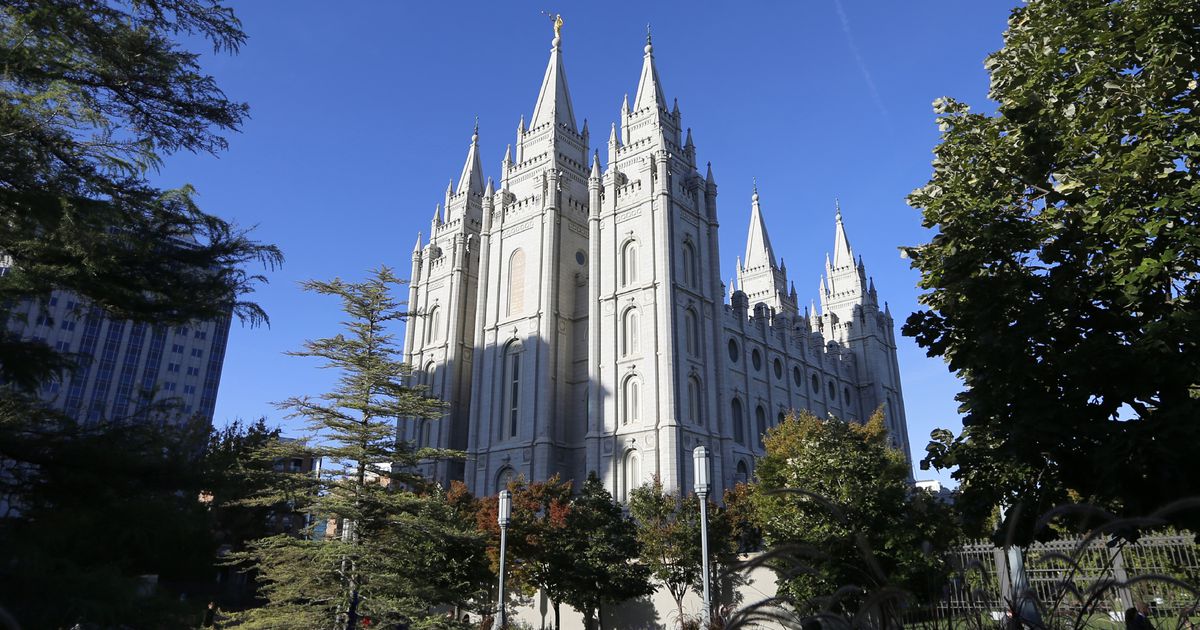
The Church of Jesus Christ of Latter-day Saints has called a recent "60 Minutes" episode on its investment portfolio "unfortunate" and based on "unfounded allegations." The segment featured a former portfolio manager accusing Ensign Peak Advisors, the church's investment arm, of violating its tax-exempt status and stockpiling over $100 billion instead of using it for charitable purposes. The church defended its financial responsibility and having adequate resources to fulfill its responsibilities, while referring to Ensign Peak as a "rainy day fund." The church declined to address assertions that the Ensign Peak assets have reached as much as $150 billion.