Ferrari chairman John Elkann has agreed to pay 183 million euros and perform a year of community service to settle a tax dispute related to his grandmother's inheritance, ending a criminal investigation without an admission of guilt, amidst ongoing inheritance disputes within the prominent Agnelli family.
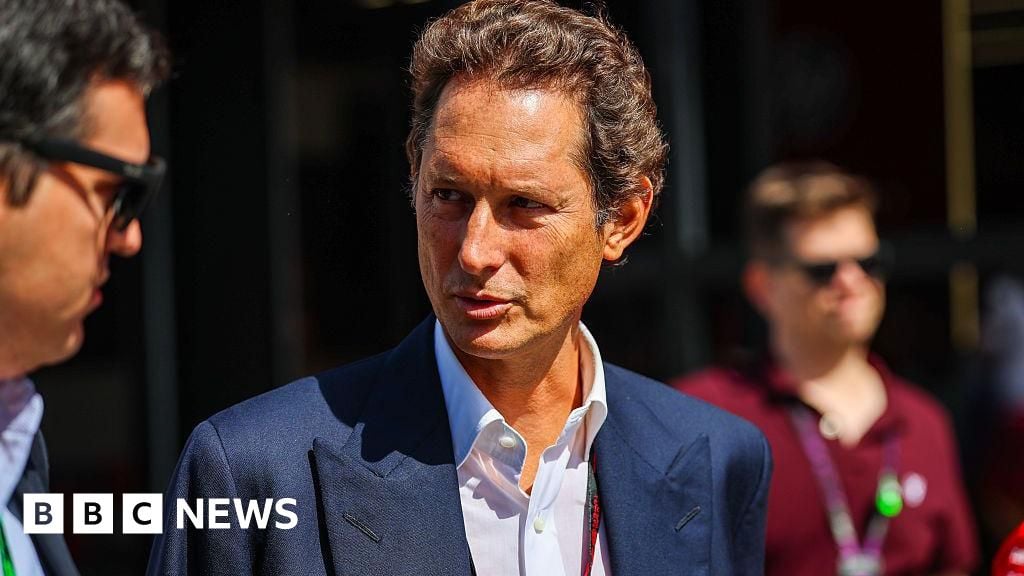
John Elkann, chair of Ferrari and Stellantis, agreed to do community service and pay €183m to settle a tax dispute in Italy related to his grandmother's estate, without admitting liability, as part of a broader family inheritance legal saga.
Rupert Grint, known for his role as Ron Weasley in the 'Harry Potter' films, has been ordered to pay a $2.3 million tax bill after losing a legal battle with the UK's tax authority. The dispute arose from Grint's classification of $5.7 million in residuals as a capital asset rather than income, which is taxed at a higher rate. Despite appealing, a tribunal judge ruled that the earnings were taxable as income, marking another legal setback for Grint, who previously lost a separate tax refund case.
Rupert Grint, known for his role as Ron Weasley in the 'Harry Potter' films, has been ordered to pay a $2.3 million tax bill after losing a legal battle with the UK's tax authority. The dispute arose from Grint's classification of $4.5 million in residuals as a capital asset rather than income, which is taxed at a higher rate. Despite appealing, a tribunal judge ruled against him, affirming the money should be taxed as income.
Rupert Grint, known for his role as Ron Weasley in the 'Harry Potter' films, has been ordered to pay a $2.3 million tax bill after losing a legal battle with the UK's tax authority. The dispute arose from Grint's classification of $4.5 million in residuals as a capital asset rather than income, which is taxed at a higher rate. Despite an appeal, a tribunal judge ruled that the earnings were taxable as income. Grint has previously faced other tax-related legal challenges.
Rupert Grint, known for his role as Ron Weasley in the Harry Potter films, has been ordered to pay £1.8 million in taxes after losing a legal battle with HM Revenue & Customs. The dispute arose over a £4.5 million payment Grint received during the 2011-2012 tax year, which he argued should be taxed as a capital asset at a lower rate. However, a tax tribunal judge ruled that the payment should be taxed as income, dismissing Grint's appeal.
Australian mining company Resolute Mining has agreed to pay Mali's military government $160 million to settle a tax dispute after the company's British CEO and two other staff were detained. The payment will be made in installments, with $80 million paid immediately. The detentions are part of Mali's broader efforts to increase its share of income from foreign mining operations, following a coup in 2021 and a new mining code that allows greater state and local investment.
The IRS has filed a lawsuit against the FDIC over a $1.45 billion tax bill related to the bailout of Silicon Valley Bank by the US government. The FDIC, which took over the bank, is disputing the tax claim, leading to a legal battle between two government agencies. The IRS acknowledges that the final tax burden may be less than initially estimated, but the dispute remains unresolved.
Airbnb reported a $349 million loss in the fourth quarter due to an income tax settlement with Italy, but saw a rise in bookings and revenue, with strong demand expected ahead. The company plans to expand its rental platform in countries where it is not as strong as the United States, and its board approved a share-repurchase program of up to $6 billion. CEO Brian Chesky mentioned plans to go beyond its core business, but gave no details about the "multiyear journey," promising news later this year.
Airbnb has agreed to pay €576m ($620m) to settle a tax dispute with Italian authorities. The amount represents income taxes owed by landlords who rented out rooms or properties on the platform. Italy requires landlords to pay a 21% tax on their earnings. Airbnb will not seek to recover the unpaid taxes from hosts. This settlement comes after an Italian judge ordered the seizure of €779.5m from Airbnb's European headquarters in Ireland for alleged tax evasion. Italy is an important market for Airbnb, and the government has been cracking down on tax evasion by short-term rental owners.
Airbnb has agreed to pay €576 million ($621 million) to settle a tax dispute with Italy over unpaid taxes. Italian prosecutors claimed that the company owed up to €779 million ($840 million) in short-term rental taxes that it had failed to pay on behalf of hosts between 2017 and 2021. Airbnb stated that it would not recover any money from its hosts and is working on introducing tools for automatic tax withholding. Italy has previously recovered taxes from other tech platforms like Google and Apple. The settlement comes as Italy aims to crack down on tax evasion and increase the tax rate on short-term rentals.
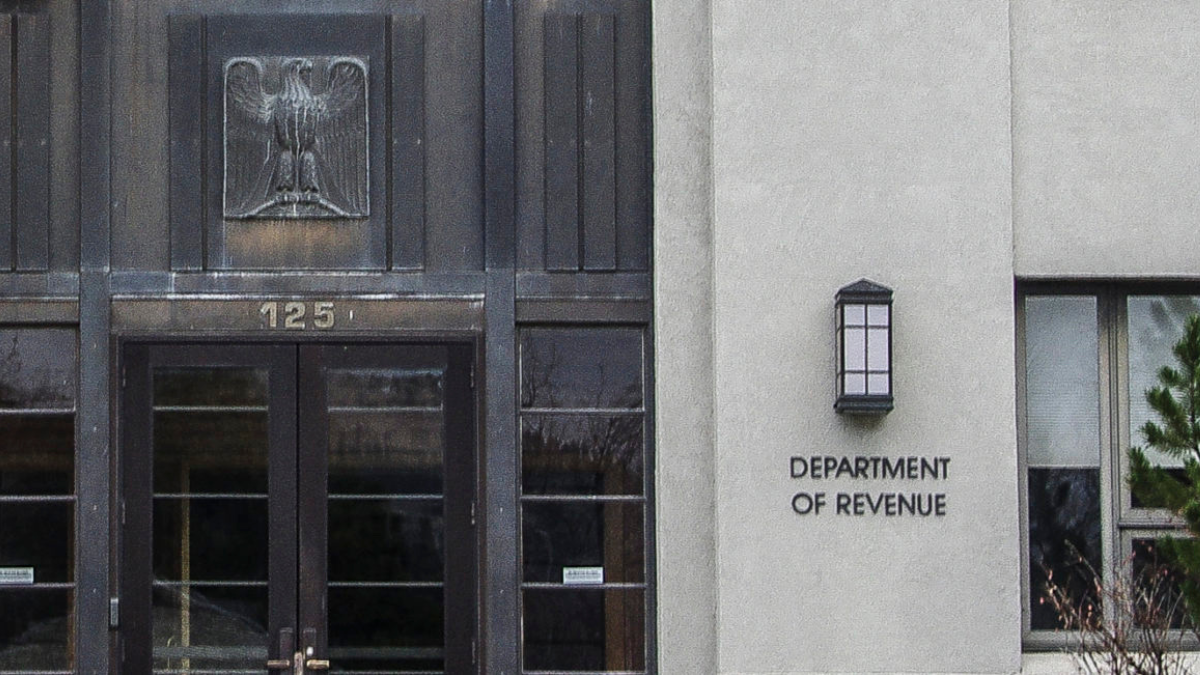
The Montana Supreme Court has ruled against Montana county governments in a dispute over the authority of the Montana Department of Revenue to order the full collection of the 95-mill state-level school equalization levy. This ruling means that the majority of Montana counties that chose to collect a lower rate on tax bills will likely have to make up the difference in the spring. The 95 mills, which fund part of a state effort to balance funding between tax-base-rich and tax-base-poor school districts, are expected to bring in about $99 million more this year than last. The ruling has sparked concerns about rising property taxes and potential impacts on education funding.
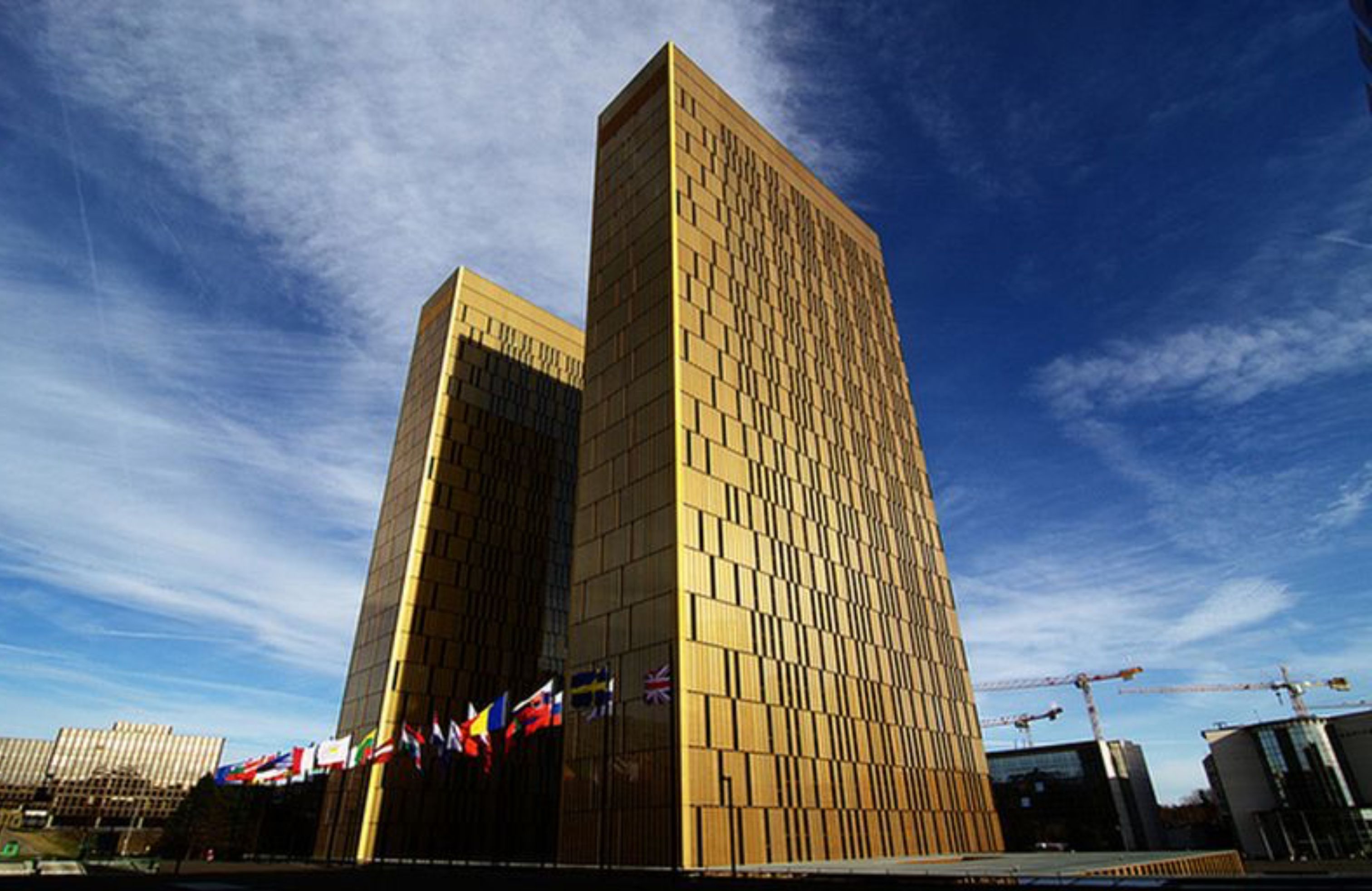
An adviser to the European Court of Justice has recommended that a previous ruling ordering Apple to pay €14.3 billion in back taxes to Ireland should be set aside. The advocate-general stated that the court had made errors in law and failed to assess certain methodological errors. The ruling is expected next year. The case is part of the EU's clampdown on alleged sweetheart tax deals in member states.
An advisor to the European Court of Justice (ECJ) has recommended that Apple's victory in its €13 billion tax dispute with the EU should be overturned due to errors in the earlier ruling. While non-binding, the ECJ typically follows such advice, and a binding ruling is expected in the coming months. In 2020, the EU General Court overturned a European Commission ruling that Apple should pay the tax bill to the Irish government. Apple maintains that it received no selective advantage or state aid.
The Internal Revenue Service (IRS) has claimed that Microsoft owes $28.9 billion in back taxes, penalties, and interest following a 16-year audit that examined the company's profit distribution across different countries from 2004 to 2013. Microsoft disagrees with the IRS's claim and intends to appeal the decision. The audit focused on transfer pricing, a practice that allows companies to report lower profits in countries with higher taxes, minimizing their overall tax obligations. Microsoft maintains that it has complied with IRS rules and will vigorously contest the claim. If required to pay, Microsoft has the financial means to cover the amount.