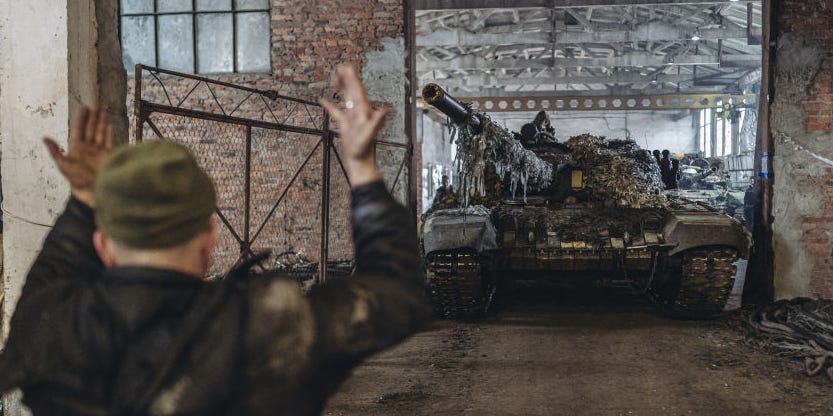
The US has bypassed Congress to approve the sale of tank shells to Israel, a move that has raised concerns about the lack of oversight and transparency in arms sales. The decision to expedite the sale comes as tensions continue to escalate in the region, with Israel facing security threats from various sources. Critics argue that bypassing Congress undermines the checks and balances system and raises questions about the US's commitment to human rights and international law.
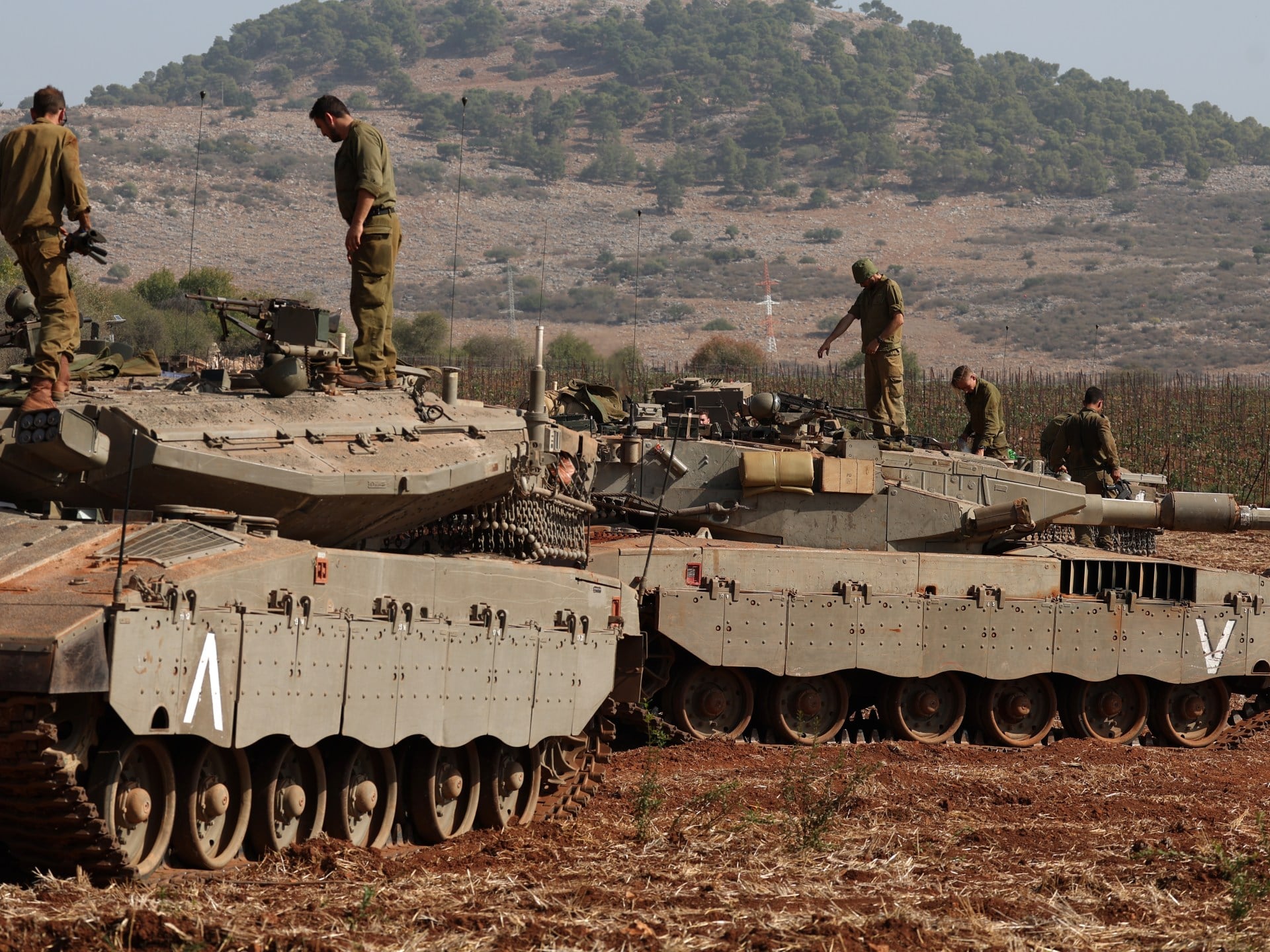
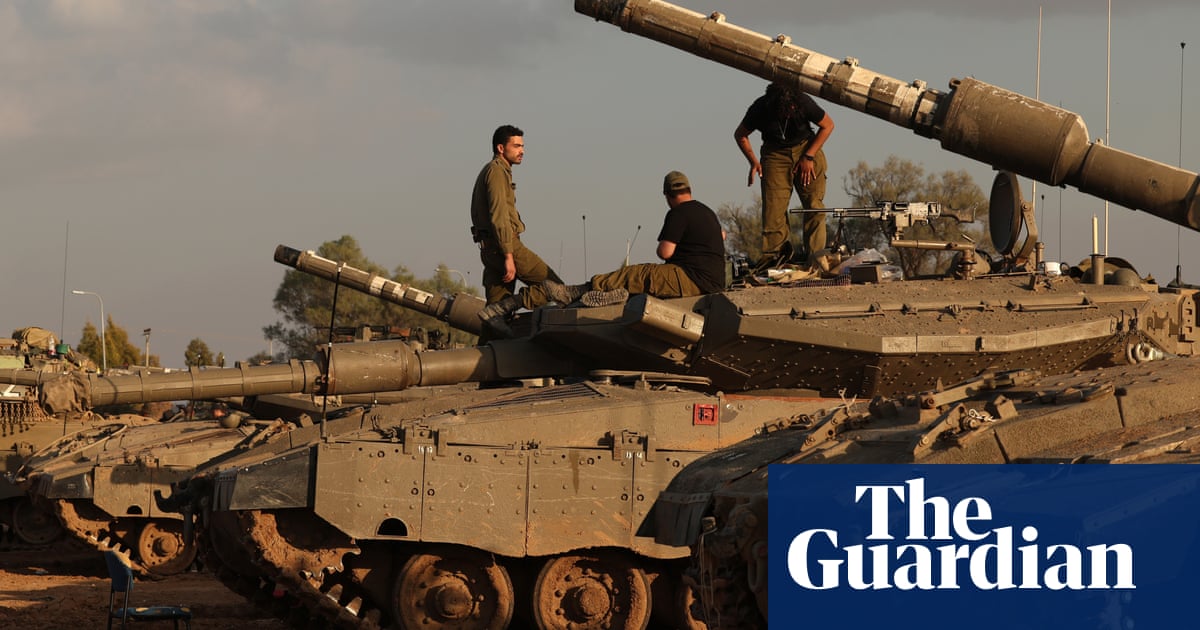
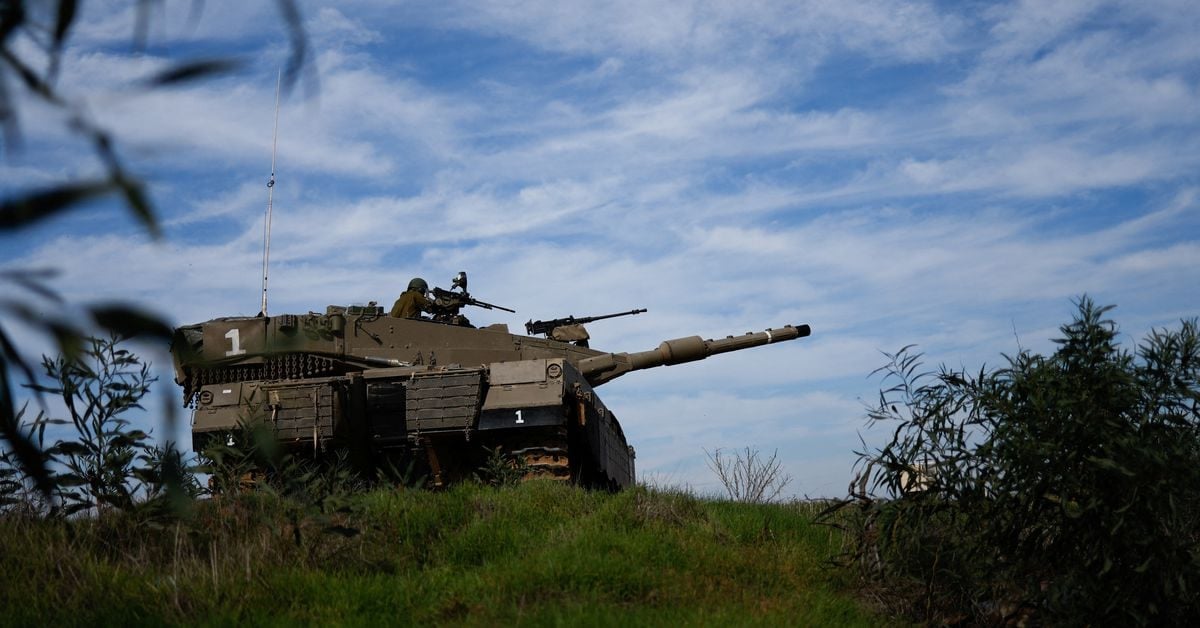
The United States government has used emergency authority to allow the sale of 14,000 tank shells worth $106.5 million to Israel without congressional review. The shells are part of a larger package worth over $500 million, which includes 45,000 shells for Israel's Merkava tanks. The sale has raised concerns among rights advocates, who argue that it contradicts Washington's efforts to minimize civilian casualties in the ongoing Gaza conflict. The US has stated that there are no plans to condition military aid to Israel or withhold any of it.
The Biden administration has used emergency authority to allow the sale of 14,000 tank shells worth $106.5m to Israel without congressional review. This comes as part of a larger package worth over $500m, including 45,000 shells for Israel's Merkava tanks. The sale has raised concerns among rights advocates, who argue that it contradicts Washington's efforts to minimize civilian casualties. The US has stated that Israel must comply with international humanitarian law and take steps to avoid harm to civilians. The sale is seen as a commitment to Israel's security and will enhance its defensive capabilities.
The Biden administration has used emergency authority to approve the sale of approximately 14,000 tank shells to Israel without congressional review, worth $106.5 million. This comes as part of a larger package worth over $500 million, including 45,000 shells for Israel's Merkava tanks. The sale has raised concerns among rights advocates, who argue that it contradicts Washington's efforts to minimize civilian casualties. The State Department maintains that Israel must comply with international humanitarian law and take steps to avoid harm to civilians. The sale is seen as a demonstration of U.S. commitment to Israel's security and will enhance its defensive capabilities.
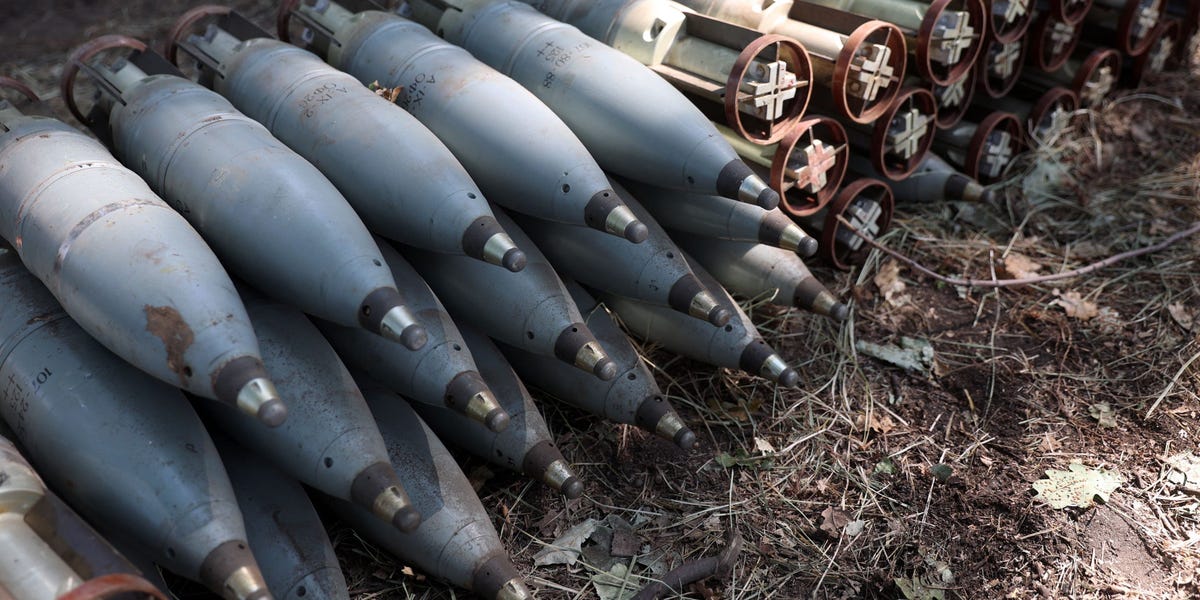
A video circulating online appears to show a Russian soldier expressing frustration over tank shells that arrived without explosives. The soldier dismantles a shell and complains about the lack of TNT, stating that with these rounds, they won't win the war and will be sent to their graves. The commander mentions that dozens of such shells had just arrived. The origin and type of shell are unclear, and the video has not been independently verified. Russia has not commented on the matter. This comes as Ukraine receives depleted uranium tank ammunition from the US, which can penetrate Russian armor and ignite inside.
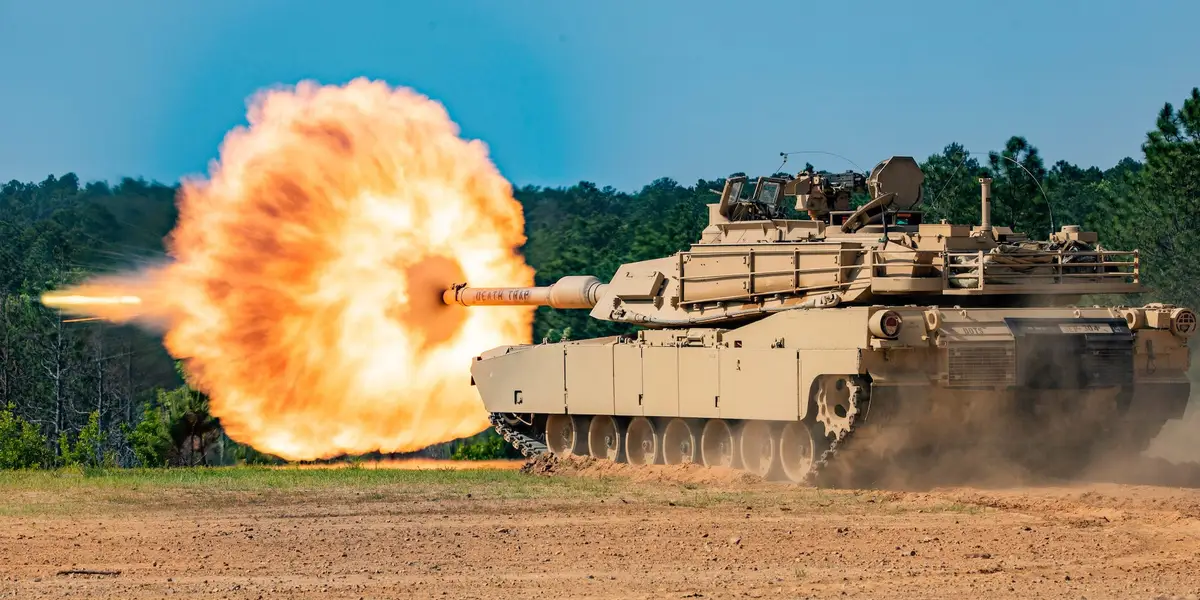
The US is reportedly set to approve the provision of depleted-uranium tank shells to Ukraine, capable of penetrating Russian tank armor. The decision was previously delayed due to concerns over environmental and health impacts. Depleted uranium is a by-product of the nuclear enrichment process and is used because of its density. The UK has already provided Ukraine with the ammunition, which was denounced by Russian President Vladimir Putin. US officials believe it is vital for Ukraine to make decisive gains in its counteroffensive while bipartisan support for the country remains high.
The UK has announced that it will provide Ukraine with tank shells made of depleted uranium, which can pierce through Russian armor. Moscow has criticized the move and threatened to escalate, despite also using the shells. Depleted uranium is a byproduct of the nuclear enrichment process and is highly dense and radioactive. The UK and US have used depleted uranium for decades, and the radiation released is relatively low. Russia's tank force has suffered heavy losses in Ukraine, and depleted uranium shells in the hands of Ukrainian tank operators may make life harder for Russia's armor forces.