The article discusses the viral 'TACO trade' meme mocking President Trump's trade policies, which suggests he often backs down or delays tariffs, and his reaction to the meme, defending his decisions amid legal and economic debates.
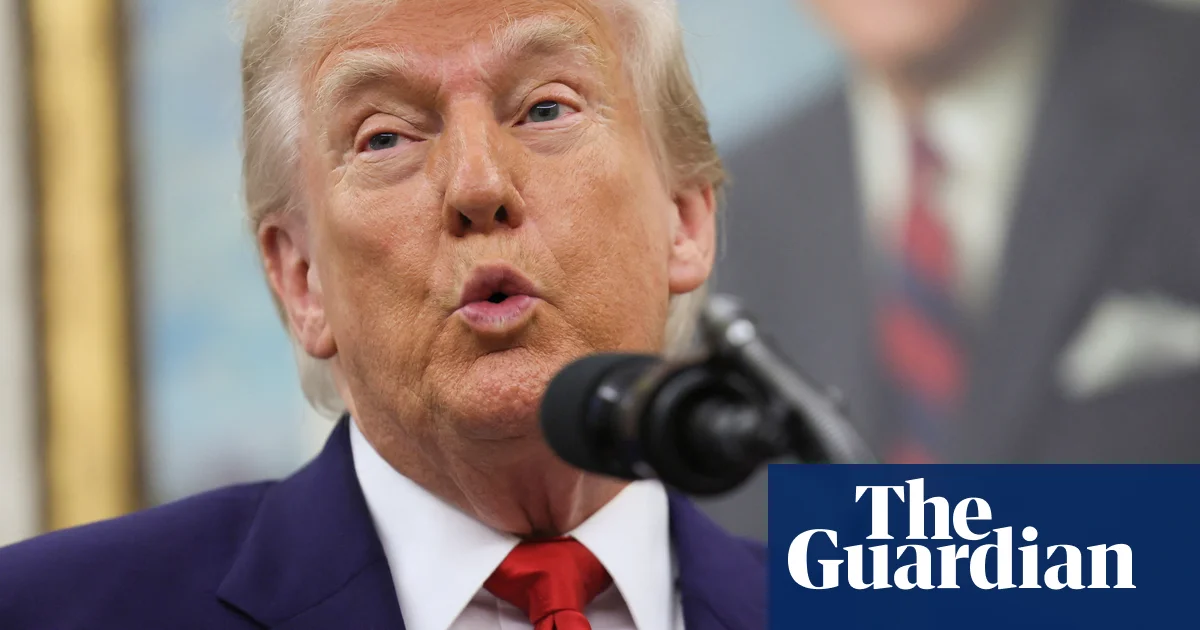
The article discusses how President Trump’s repeated retreats on trade tariffs, dubbed the 'Taco trade,' have influenced stock market rebounds despite ongoing trade tensions and legal challenges, highlighting a pattern of initial harsh policies followed by partial retreats that impact investor sentiment and market stability.
The article explains the 'TACO' trade strategy, a profitable approach during Trump's tariff threats, which involves buying stocks after dips caused by tariff announcements and selling when markets rebound as Trump delays or backs down, exemplified by recent market responses to tariff threats and delays.
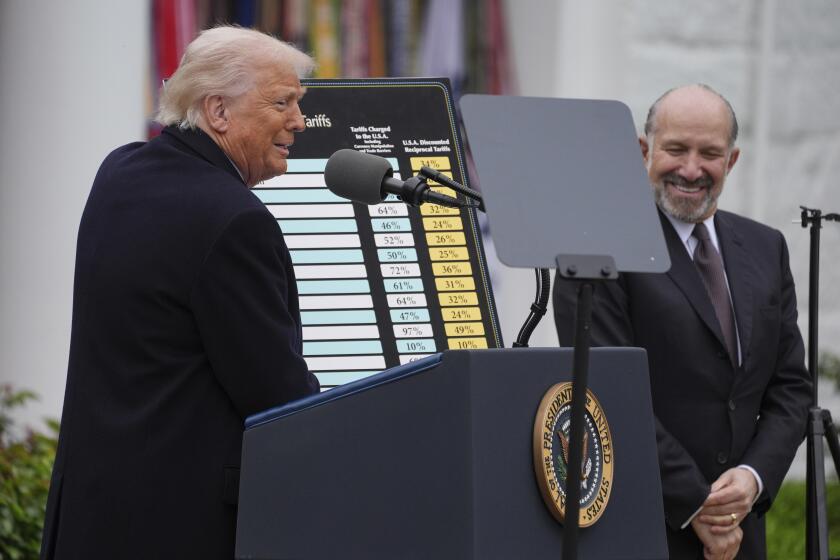
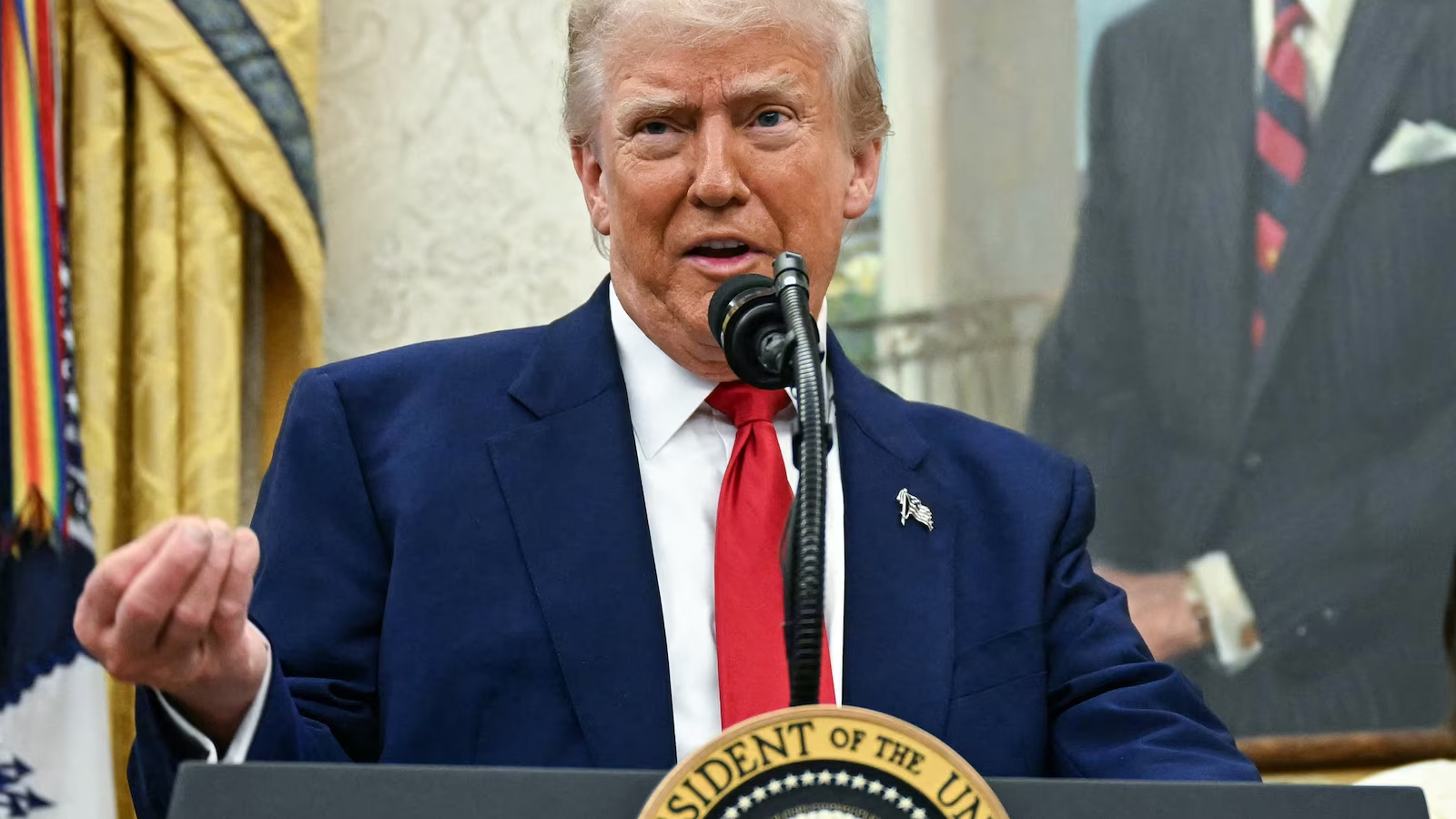
President Trump reacted defensively to Wall Street's mock slogan 'Trump Always Chickens Out,' which criticizes his pattern of announcing tariffs and then backing down, causing market volatility. He defended his tariff negotiations, emphasizing his efforts to revive the U.S. economy and criticizing the reporter for the question.
The TACO trade, an acronym for 'Trump Always Chickens Out,' describes a market strategy where investors buy stocks after Trump announces tariffs or trade war threats, anticipating a market rebound when Trump retreats or delays tariffs. This meme has gained popularity as a blueprint for 2025 market behavior, with recent examples showing significant market dips followed by rapid recoveries after tariff delays. While potentially profitable in the short term, experts warn that prolonged trade tensions could lead to a recession.
The stock market experienced a significant rally, attributed to the 'TACO trade'—a nickname for the pattern where President Trump announces tariffs only to delay or cancel them shortly after, reducing market uncertainty. This pattern was exemplified by Trump's recent tariff delay on EU goods, which boosted investor confidence and led to a rally in the Dow Jones Industrial Average. The TACO trade highlights the market's reaction to Trump's unpredictable trade policies and the potential for quick reversals to influence market movements.
Stock markets rallied after President Trump delayed a proposed EU tariff increase, exemplifying the 'TACO trade' pattern where markets fall on tariff threats but rebound when threats are delayed or withdrawn, reflecting investor optimism about negotiations and reduced trade tensions.