The interim report of the synod of bishops' synod on synodality has sparked debate and speculation about the direction of the Catholic Church. The removal of the term "LGBTQ" from the document and the cautious language regarding women's ordination have disappointed some, while others see it as reflecting the majority's views. The report also includes proposals for structural reforms that have been previously rejected. The synod is seen as a platform for shaping the conversation on progressive reform within the Church, with some advocating for a pastoral approach that prioritizes practice over doctrine. However, concerns have been raised about the focus on issues primarily relevant to affluent countries, rather than addressing the needs of the marginalized and persecuted. The synod's success or failure will be measured against Pope Francis' vision of synodality as a means to evangelize and serve the poor.
The month-long Vatican Synod of Bishops, which followed a two-year consultation with Catholics, concluded without clear stances on contentious issues such as women deacons and the inclusion of the LGBT community. While the possibility of women being ordained as deacons received negative votes, the final report did not take a stand on LGBT issues, despite discussions beforehand. The report acknowledged the desire of marginalized individuals to be heard and accompanied but did not call for greater inclusion. LGBT advocates expressed disappointment, emphasizing the importance of the Catholic Church living up to its ideals of inclusivity and equality. Pope Francis will ceremoniously close the gathering with a Mass on Sunday.
The month-long Vatican meeting, known as a Synod of Bishops, concluded without clear stances on contentious issues such as women deacons and the inclusion of the LGBT community. While two paragraphs in the final document mentioned the possibility of women being ordained deacons, they received the most negative votes. The report acknowledged the desire of marginalized individuals to be heard and accompanied but did not call for greater inclusion. LGBT advocates expressed disappointment, emphasizing the importance of the Catholic Church living up to its ideals of inclusivity and equality. The pope will ceremoniously close the gathering with a Mass on Sunday.
Pope Francis' Vatican summit on the future of the Catholic Church concluded without taking action on the ordination of women as deacons and without addressing the concerns of LGBTQ Catholics. The 41-page report approved at the summit called for further consideration of the possibility of women deacons at the next assembly of the Synod of Bishops in 2024. The report also highlighted the need for better inclusion of women in church leadership and the need to address employment injustices and unfair remuneration for women in the church. However, it did not use the terms "LGBT" or "gay" and did not explicitly address the concerns of LGBTQ Catholics. The report also proposed the creation of new structures to prevent clergy sexual abuse and discussed the issue of clerical celibacy.
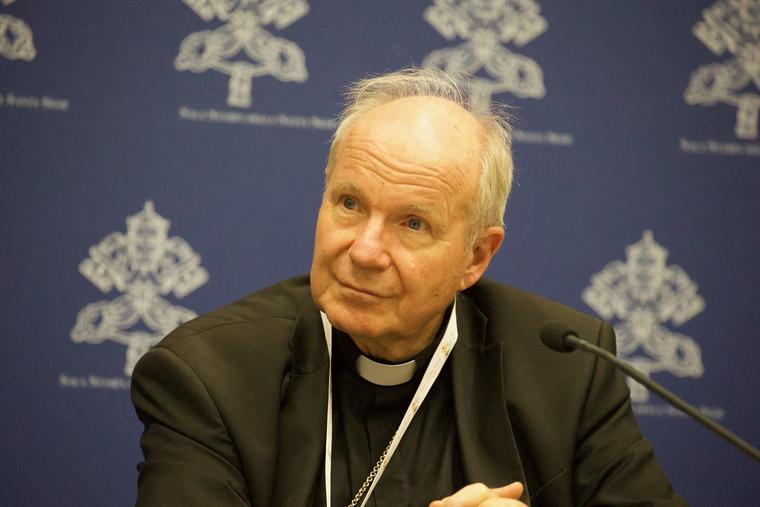
As the Synod on Synodality nears its end, some participants are questioning whether it can still be considered a Synod of Bishops since lay members now have voting rights, making up nearly one-fifth of the ballot. This change, announced by Pope Francis in April, aimed to restore the relationship between the common priesthood and the ministerial priesthood. While some observers argue that the inclusion of lay votes undermines the traditional nature of the Synod, others, including Cardinal Christoph Schönborn, believe it enhances the participation of non-bishops and does not diminish the weight of votes. The lack of clarity on this issue has raised concerns among participants, with some describing it as a "canonical and practical problem."
The Synod of Bishops at the Vatican, led by Pope Francis, highlighted the historic inclusion of women as full, voting members for the first time ever, emphasizing the importance of women's ministries in the Catholic Church. The delegates also stressed the need for the church to listen to victims of clergy sexual abuse and commit to preventing such abuse in the future. The letter addressed to the "people of God" aims to communicate the synod's experience and priorities, including responding to victims of abuse and addressing the needs of the poor. The final document, expected to be released on October 28, will outline areas of agreement and disagreement among the delegates.
Bishop Shane Mackinlay, a member of the committee drafting the final document for the Vatican summit on the future of the Catholic Church, has expressed openness to ordaining women as Catholic deacons. He stated that he is glad the issue is being addressed and that if the outcome is for ordination to the diaconate to be open to women, he would welcome it. The possibility of women's ordination is mentioned in the synod's working document due to the wide representation of people who brought it up during the consultative process.
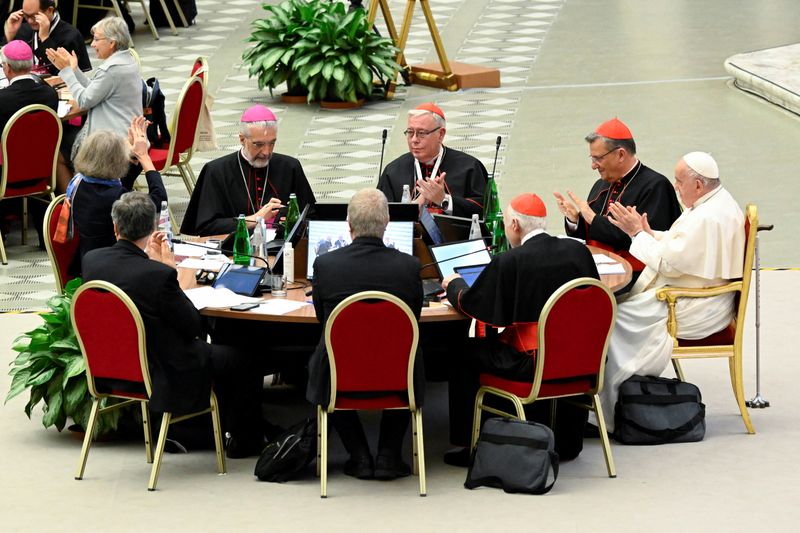
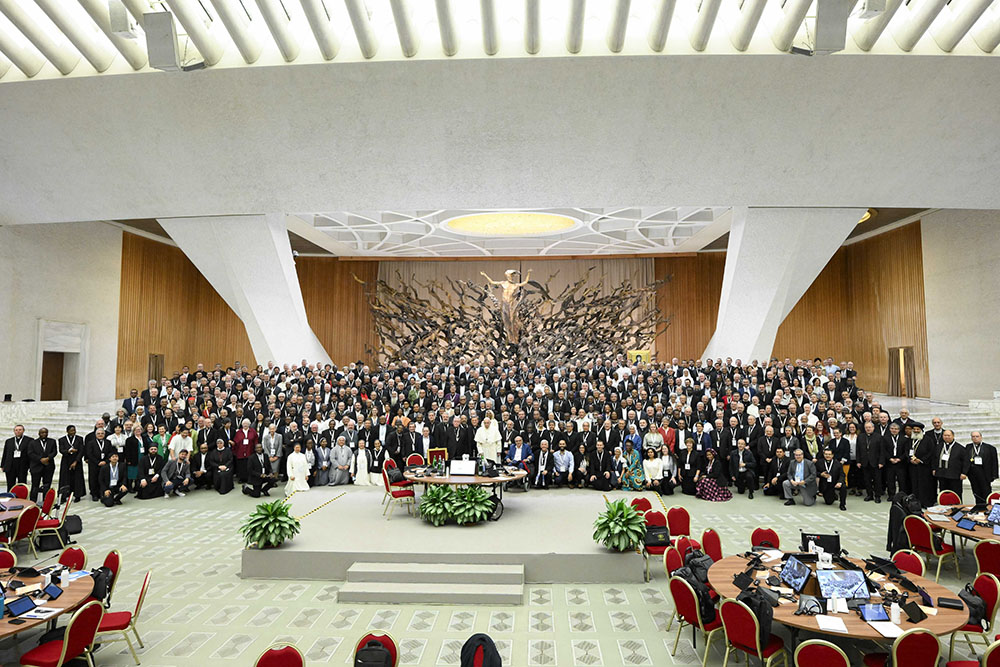
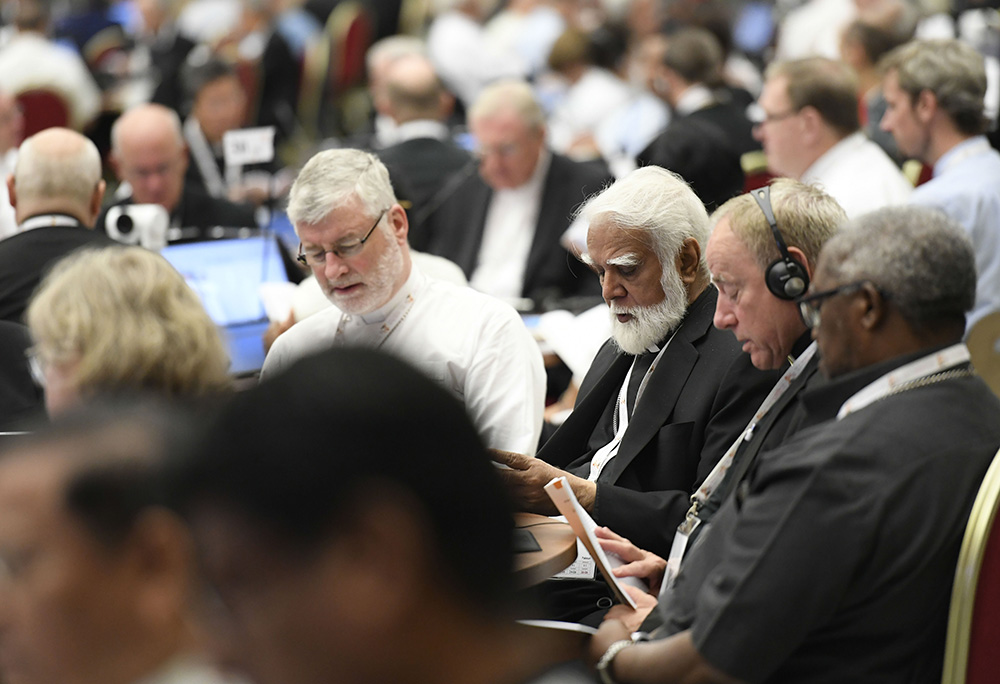
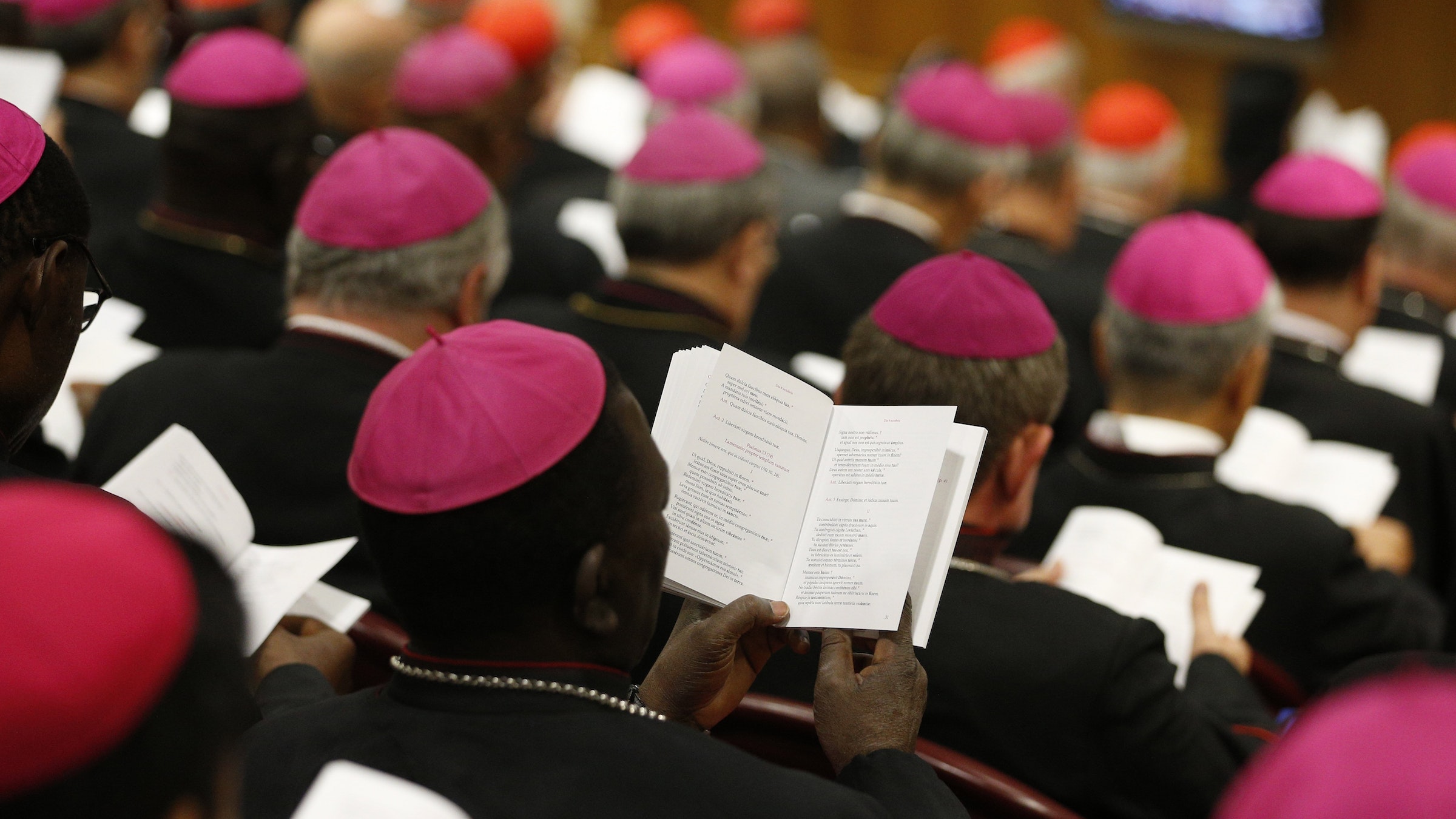
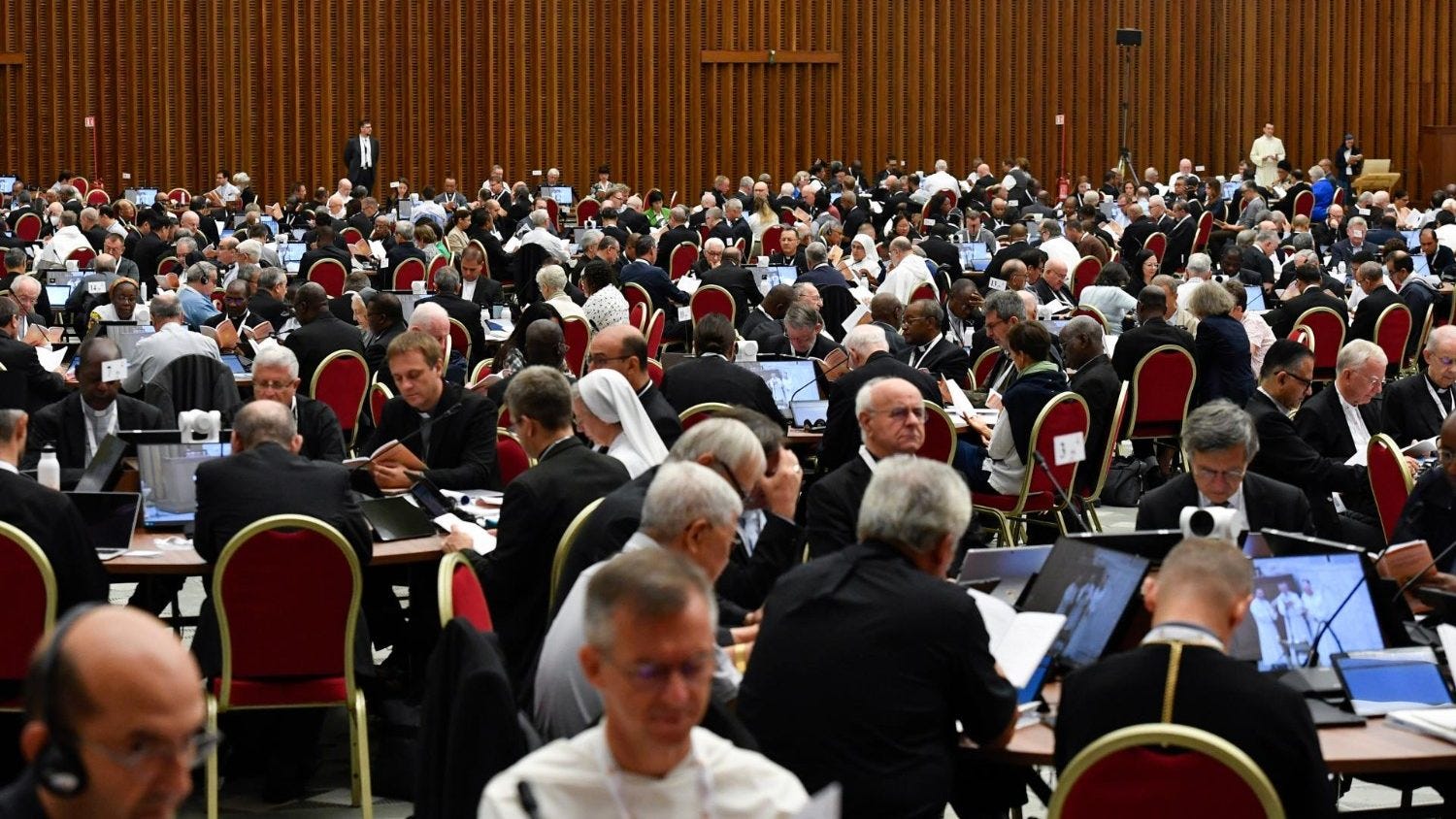
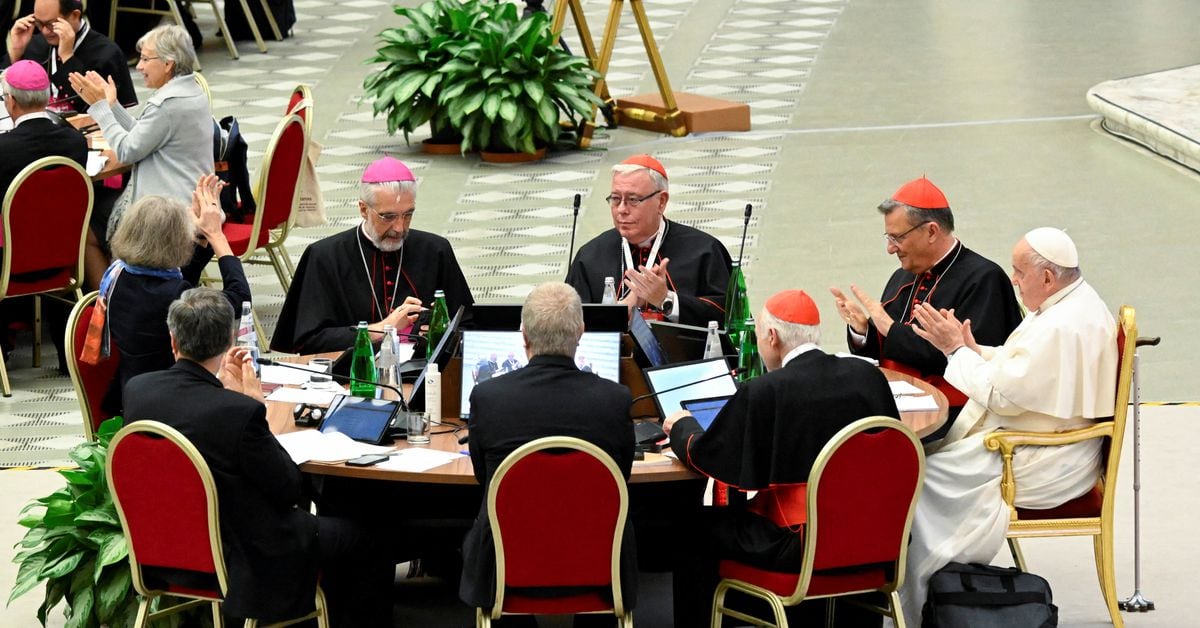
The Synod on Synodality, a month-long gathering of bishops and non-bishops at the Vatican, aims to discover a new "grammar of synodality" for the Church. The inclusion of non-bishops, such as laymen and laywomen, religious men and women, deacons, and presbyters, is a departure from past synods. The unique setting of the synod, with participants seated at round tables for small-group discussions, reflects the experience of the people of God. The synod's relator general emphasized that the process should not be a battle between conservatives and progressives but a journey with Christ within the Church. The assembly will engage in discussions and votes to develop a road map for the following year.
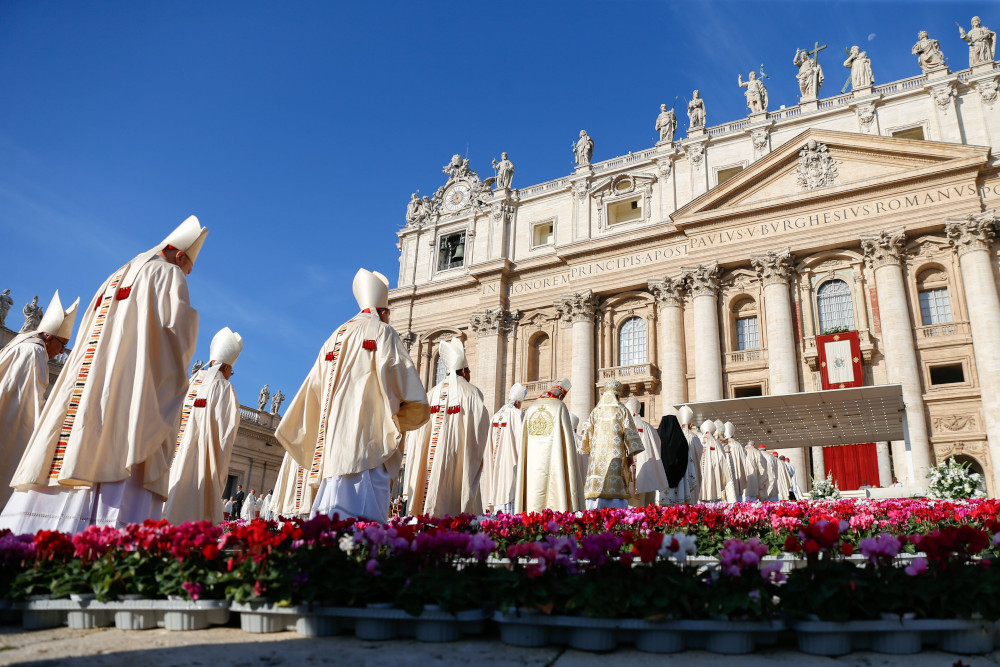
Pope Francis opened the 16th Ordinary General Assembly of the Synod of Bishops in Vatican City, urging participants to avoid political calculations and ideological battles. He emphasized the need to communicate God's message of salvation to the world and called for the purification and repair of the Catholic Church. The synod, which is part of Pope Francis's efforts to foster dialogue within the Church, will produce a document with recommendations for the pope's consideration. However, the inclusion of diverse perspectives has caused discontent among some believers, leading to formal requests for clarification on doctrine.
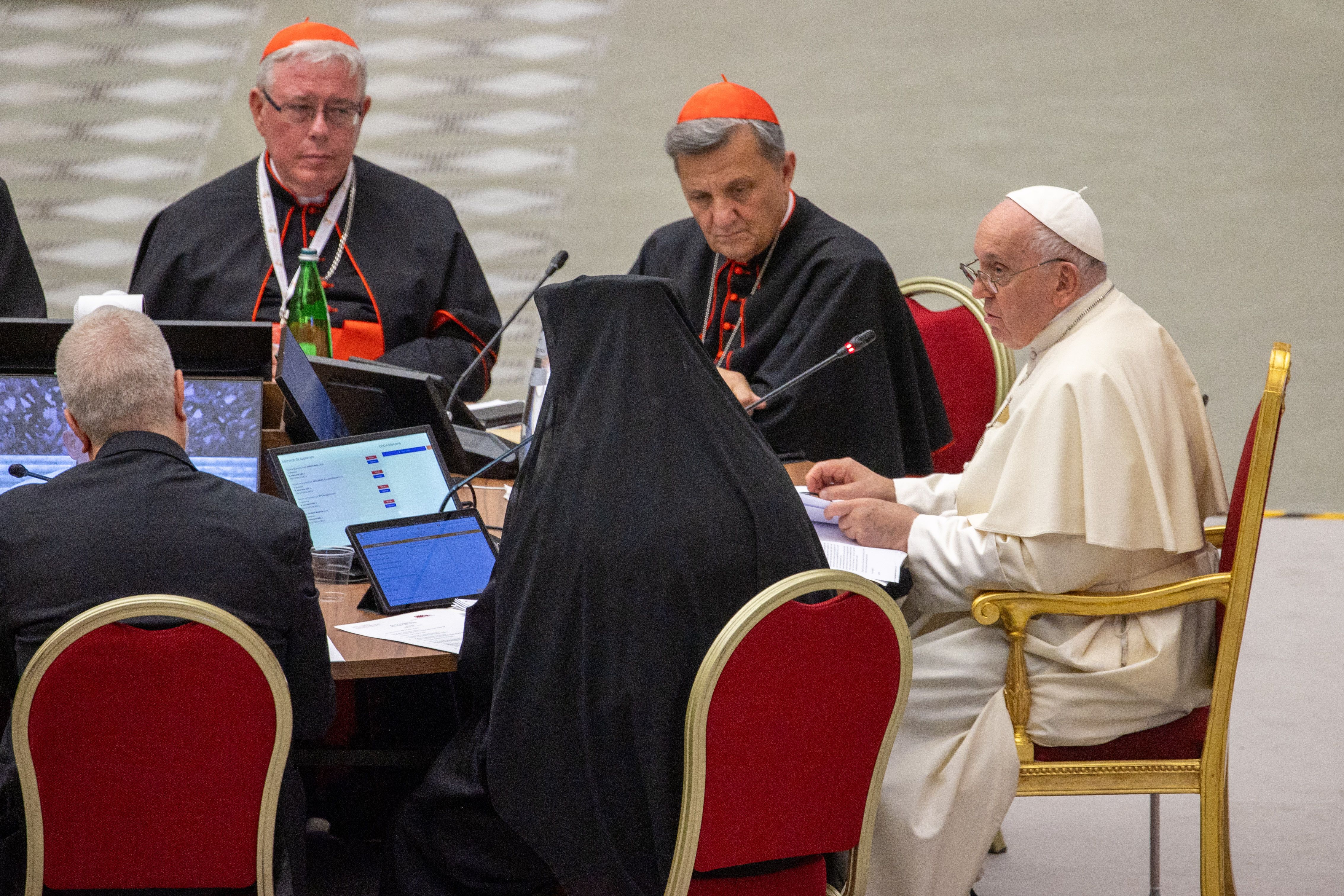
Pope Francis opened the Vatican summit on the future of Catholicism, urging participants to reject doctrinal rigidity and embrace an open and welcoming vision of the church. The synod will address hot button issues such as clergy abuse, women's ministry, LGBTQ inclusion, and church authority. The pope cautioned against relying on human strategies and ideological battles, emphasizing unity and friendship. He drew a parallel to the Second Vatican Council and called for a church that looks mercifully at humanity. The synod, which will take place in two sessions, is expected to be the most contentious of Francis' papacy.
Pope Francis opened the Vatican summit, urging participants to reject doctrinal rigidity and embrace an open and welcoming vision of the Catholic Church. The month-long Synod of Bishops will address hot-button issues such as clergy abuse, women's ministry, LGBTQ inclusion, and church authority. The pope cautioned against relying on human strategies and ideological battles, emphasizing unity and friendship. He drew a parallel to the Second Vatican Council, which opened the church to the modern world. This synod is expected to be the most contentious of Francis' papacy. The delegates will engage in open conversation and discuss themes of communion, participation, and mission. The pope called for a church that looks mercifully at humanity and welcomes all.
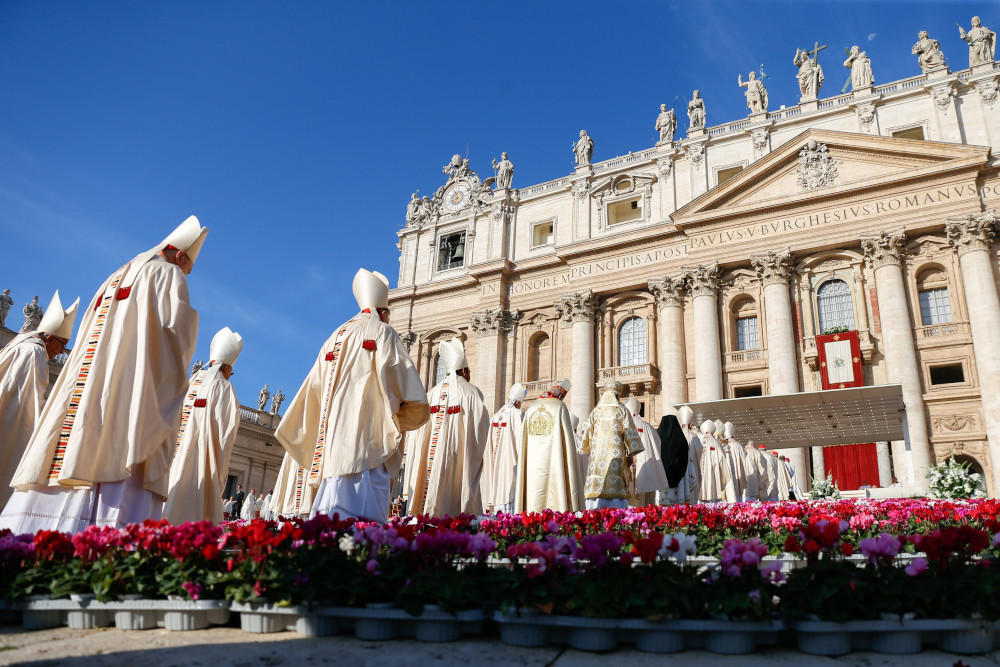
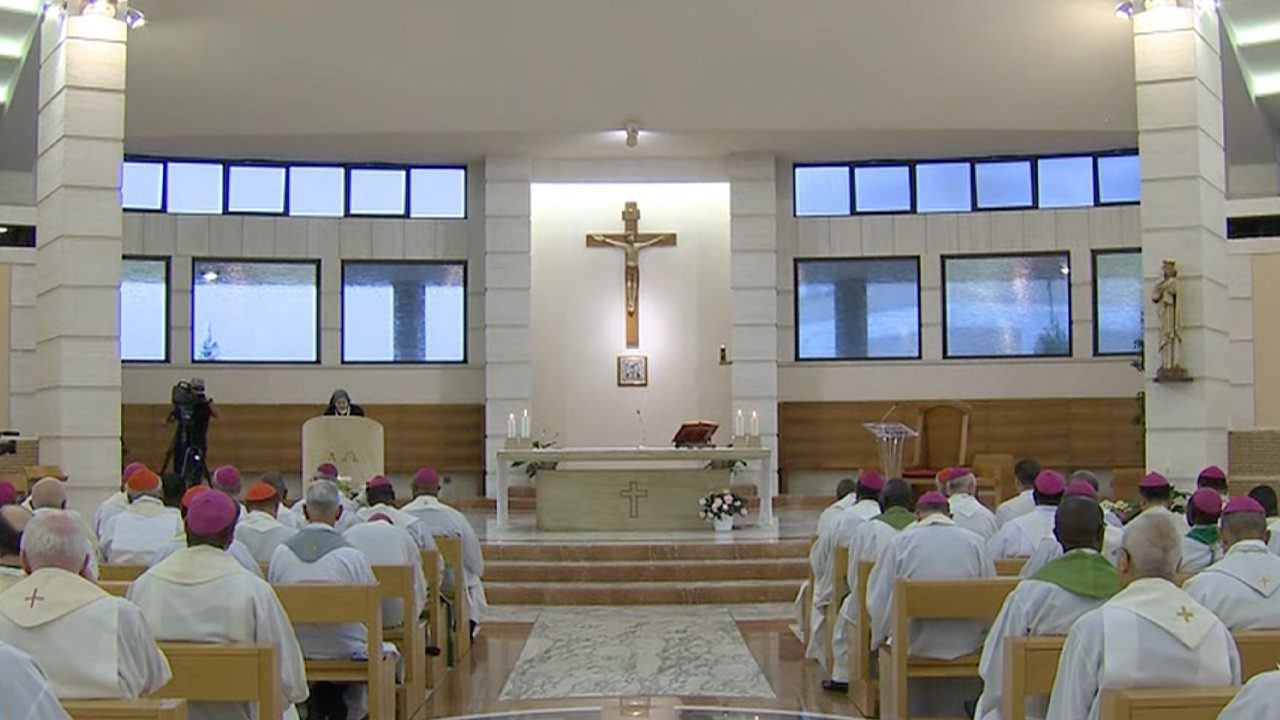
Archbishop Jaime Spengler of Porto Alegre, Brazil, and President of CELAM, delivered a homily during the Holy Mass for synod members and delegates participating in the Synod of Bishops. He emphasized the importance of listening to the voice of the Spirit and the need to advance along the synodal path with Peter. The Archbishop highlighted the challenges faced by the Christian faith in today's society and the importance of reinforcing communion, mission, and participation within the Church. He called for seeking hope and grace to fulfill the Church's mission.
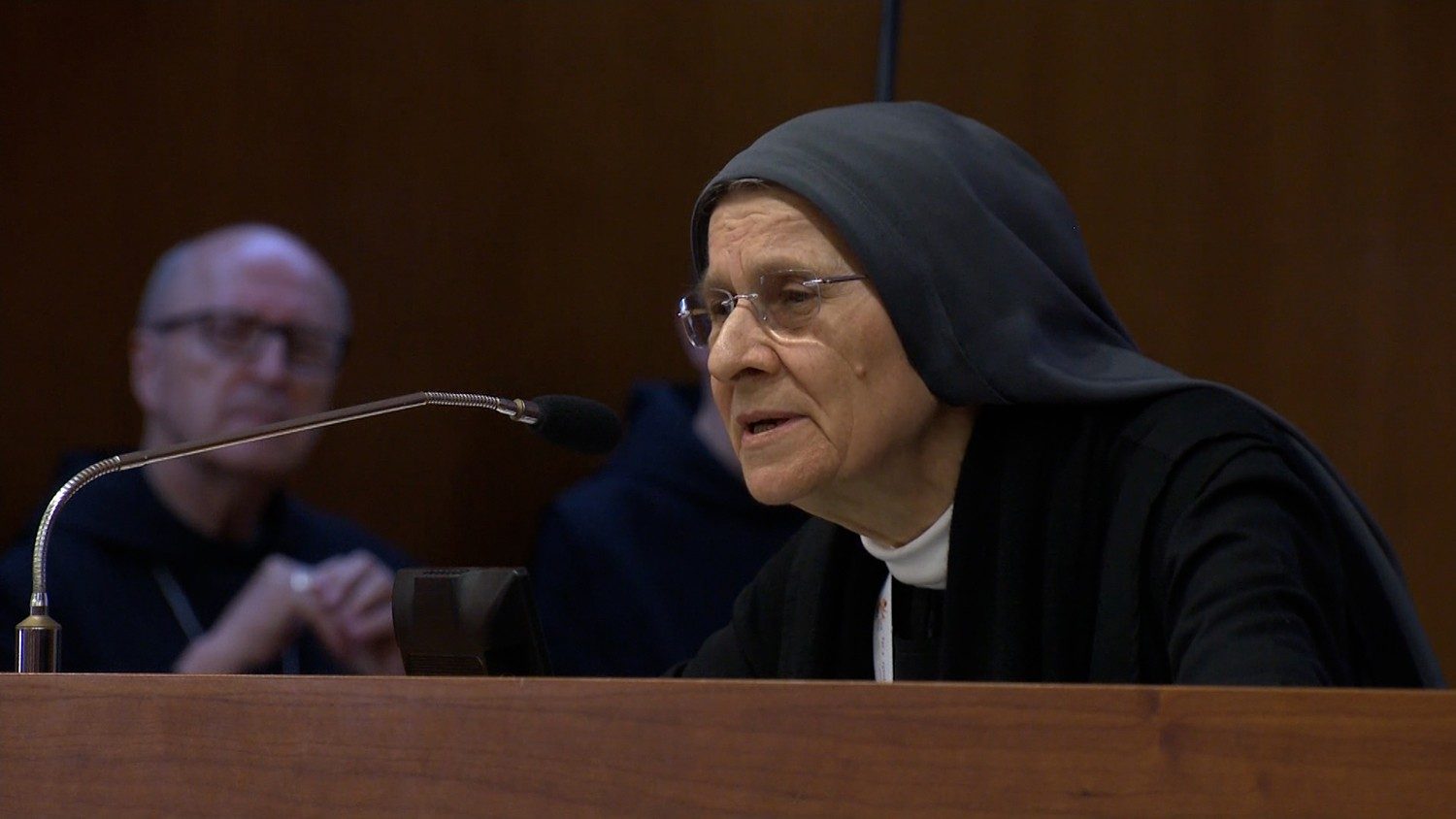
Benedictine nun Mother Maria Ignazia Angelini offers a reflection on the Gospel prior to evening Mass during the retreat for participants in the upcoming General Assembly of the Synod of Bishops. The reflection focuses on the parable of the two sons and emphasizes the need for conversion and readiness to serve in the beloved vineyard of the Lord. It highlights the authority of meekness and the importance of being attuned to Jesus' authority through the Eucharist. The reflection also acknowledges the role of sinners and tax collectors in teaching us about recognizing our mistakes and being open to their expectations and questions in the synodal process.
The Vatican's Pontifical Commission for the Protection of Minors has criticized the failure of Church authorities in preventing abuse and covering up cases, stating that victims are left "wounded and in the dark." The commission pledged to push for changes to ensure that victims have access to truth, justice, and reparation. They also called on Church leaders to address these crimes effectively and create a respectful environment for all. The statement comes amidst the case of Father Marko Ivan Rupnik, a former Jesuit accused of sexual, psychological, and spiritual abuse, highlighting the need for robust reforms in facing abuse and its mishandling by Church leaders. The commission urged the College of Cardinals and the Synod of Bishops to prioritize the issue of abuse and work towards a day when the Church takes full responsibility for the wrongs done to victims.
Pope Francis defended the decision to keep the discussions of a big Vatican meeting on the future of the Catholic Church behind closed doors, stating that it is a religious moment for the church and not a television program open to scrutiny. The three-week synod of bishops, which includes hot-button issues such as the role of women in decision-making roles, LGBTQ+ acceptance, and celibacy for priests, will be reported by a Vatican commission headed by Paolo Ruffini. Francis emphasized the need for a "synodal climate" and stated that there is no place for ideology in the synod.