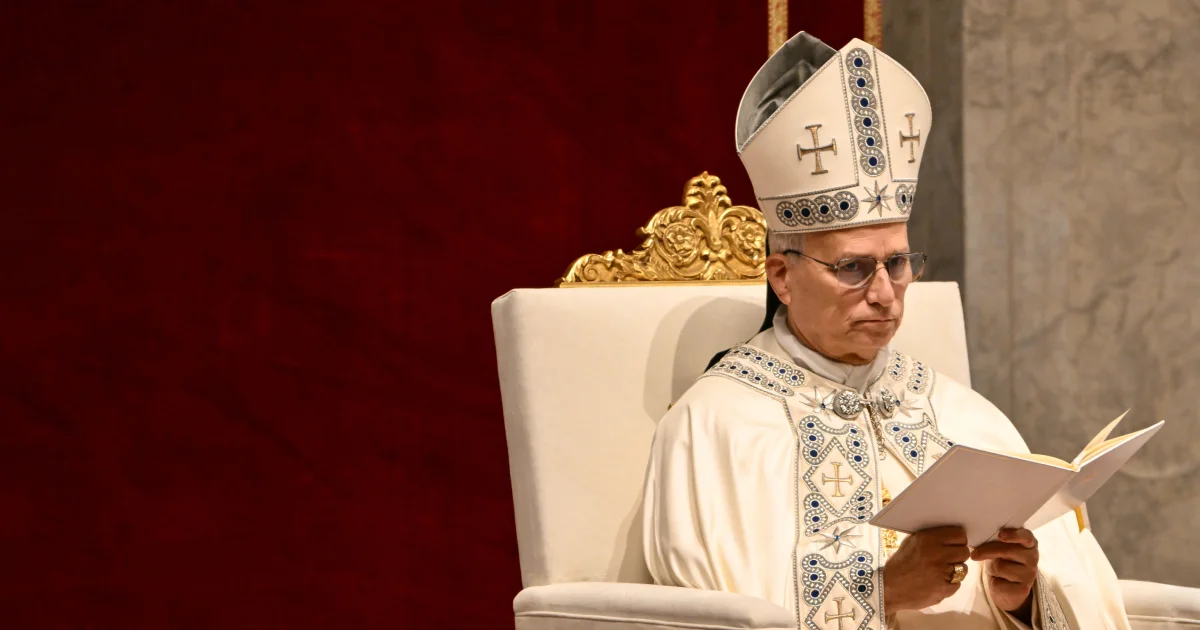
Pope Leo XIV told the Apostolic Tribunal of the Roman Rota that ecclesiastical justice must be rooted in objective truth and charity, warning against a 'dangerous relativisation of truth' and urging rigorous, careful handling of marriage nullity cases to preserve both justice and mercy.
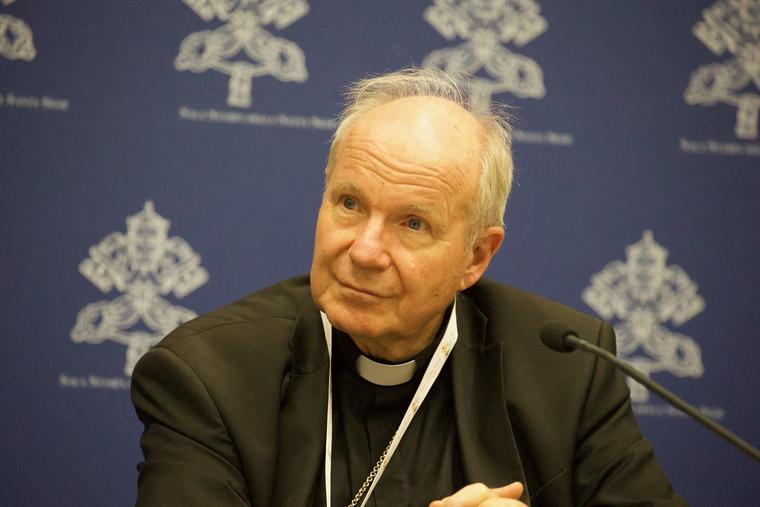
As the Synod on Synodality nears its end, some participants are questioning whether it can still be considered a Synod of Bishops since lay members now have voting rights, making up nearly one-fifth of the ballot. This change, announced by Pope Francis in April, aimed to restore the relationship between the common priesthood and the ministerial priesthood. While some observers argue that the inclusion of lay votes undermines the traditional nature of the Synod, others, including Cardinal Christoph Schönborn, believe it enhances the participation of non-bishops and does not diminish the weight of votes. The lack of clarity on this issue has raised concerns among participants, with some describing it as a "canonical and practical problem."
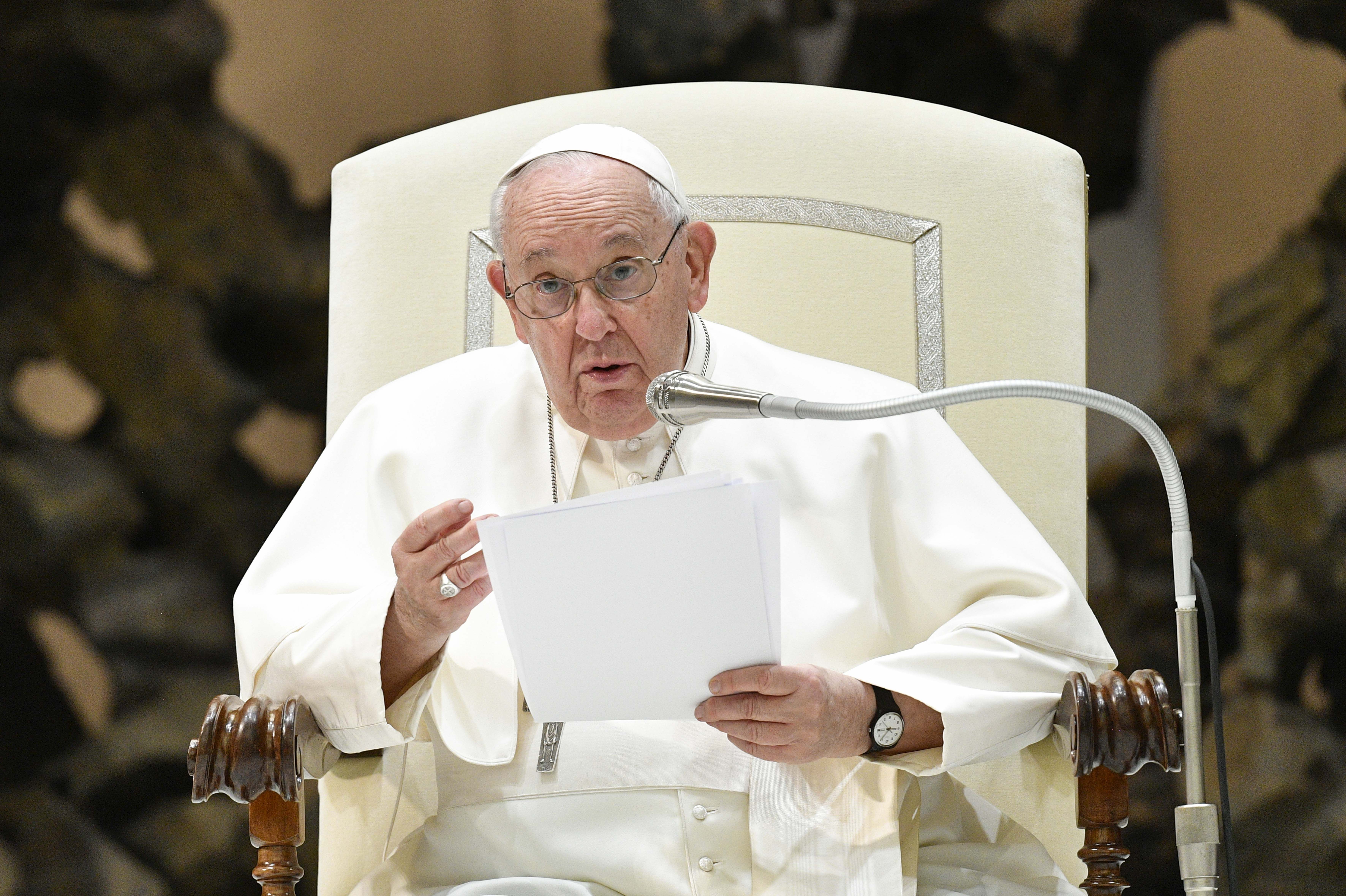
Pope Francis has permanently decreed an updated version of Vos estis lux mundi, his landmark legislation to counter sexual abuse in the Catholic Church. The decree extends the Church’s norms for handling abuse to cover lay leaders of international associations of the faithful recognized by the Vatican. The new norms will go into force on April 30 and replace the pope’s previous provisional version of Vos estis lux mundi published nearly four years ago. The norms regard what are called, in canon law, “delicts against the Sixth Commandment of the Decalogue,” consisting of sexual acts with a minor or vulnerable person; forcing someone to perform or submit to sexual acts through violence, threat, or abuse of authority; and the production or possession of child pornography.