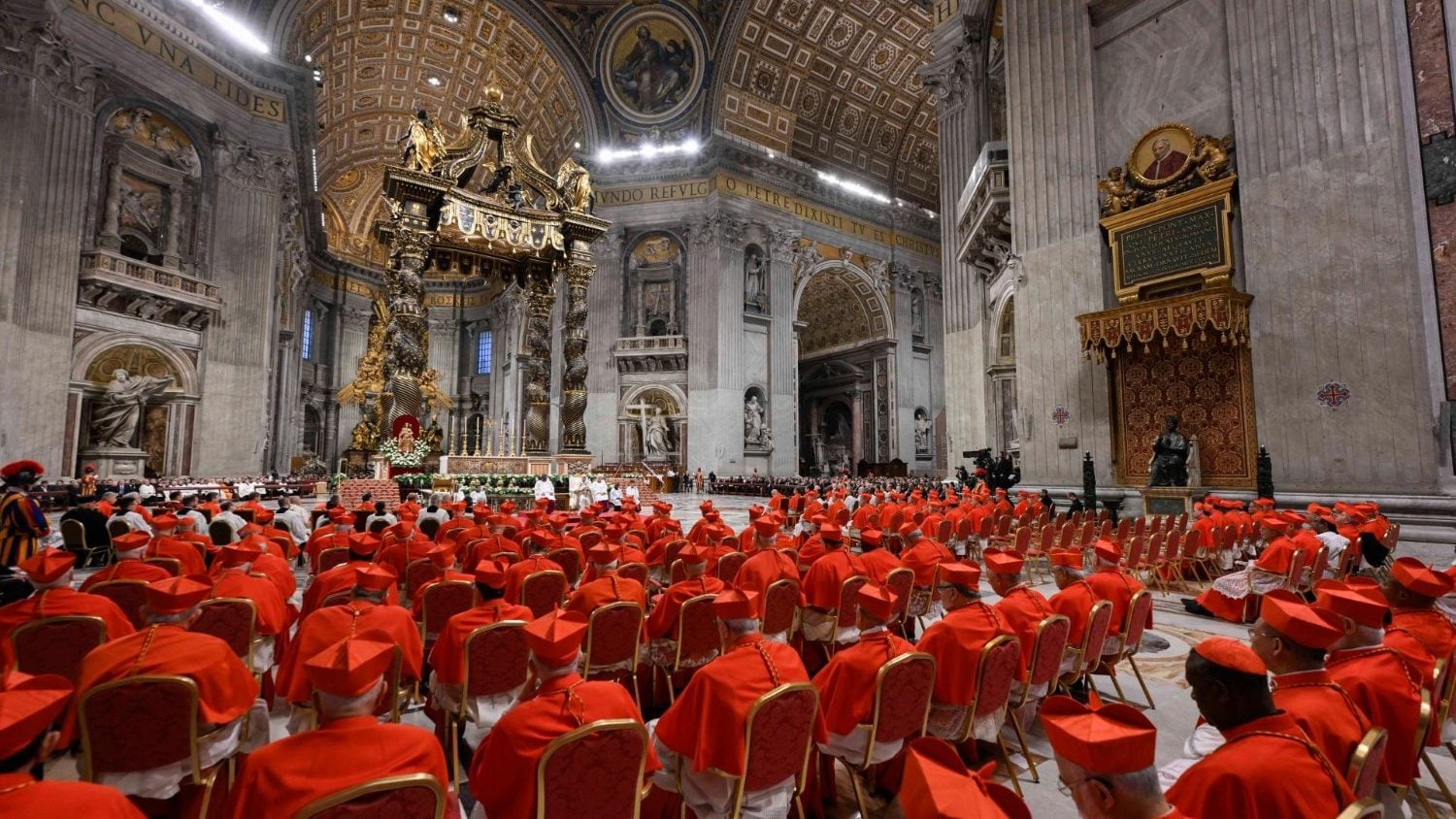
Pope Leo XIV is holding his first Extraordinary Consistory on January 7-8, involving discussions on church governance, synodality, and liturgy, with meetings behind closed doors and a Mass at St. Peter's Basilica.
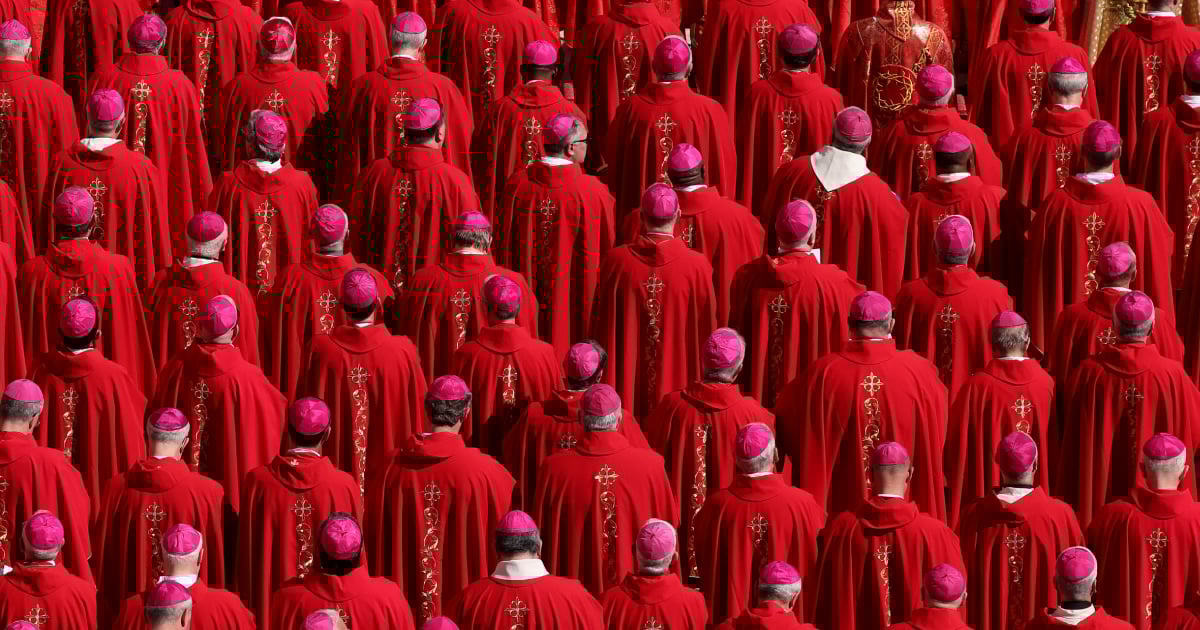
Pope Leo XIV will convene his first extraordinary consistory on January 7-8, 2026, gathering the entire College of Cardinals to discuss key issues like Church governance, synodality, and liturgical matters, marking a significant moment of unity and transition for the Vatican.
Pope Leo XIV is holding his first Extraordinary Consistory of Cardinals on January 7-8, 2026, in the Vatican, to foster prayer, reflection, and counsel among the Cardinals, strengthening their communion and support for his leadership in governing the Church.
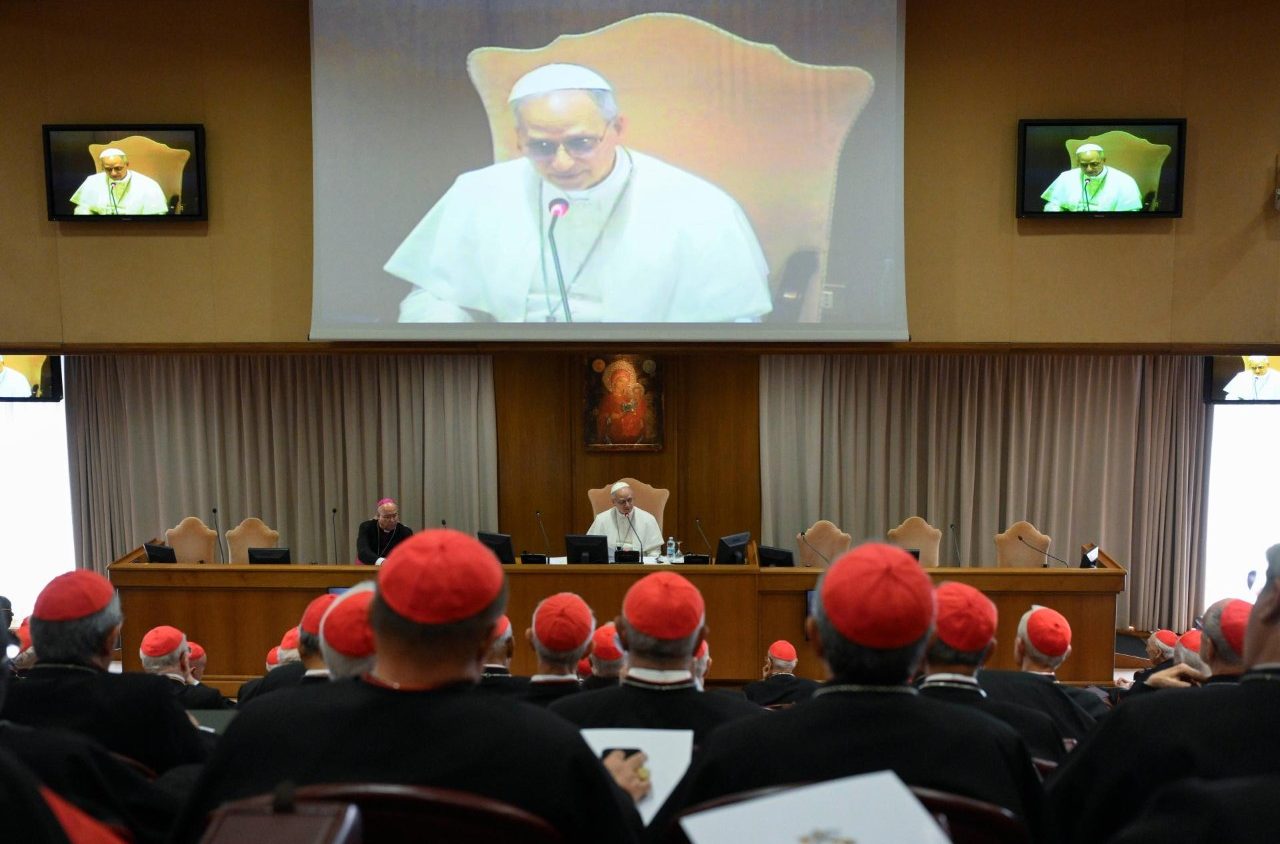
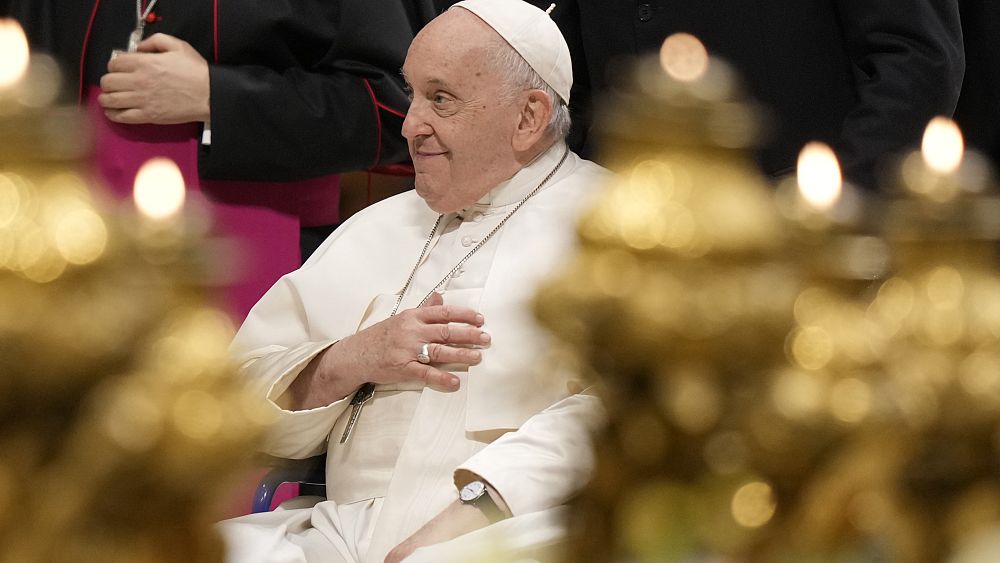
Pope Francis' meeting on the future of the Catholic Church concluded with a call for greater participation of women in church governance roles and research on allowing women to be deacons to be released within a year. However, the meeting did not take decisive action on LGBTQ+ inclusion despite the Pope's previous outreach to the community. The proposals discussed are not binding, but they will be considered at a second session next year. The meeting also addressed issues such as clergy sexual abuse and the need for bishops to investigate and render judgment against accused priests. The inclusion of laypeople in the meeting raised questions about its legitimacy, but it was seen as reflecting the spirit of a synod.
Pope Francis concluded a month-long meeting on the future of the Catholic Church by emphasizing the urgent need to guarantee greater participation of women in church governance roles. The meeting approved a 42-page text that will be considered at a second session next year, with proposals including research on allowing women to be deacons to be released within a year. The text also called for more women in high-ranking positions in the Vatican and local churches, and for changes to canon law to facilitate this. The final text did not mention homosexuality, but acknowledged the need to listen to and defend the dignity of marginalized individuals.
The Vatican has released the synthesis report of the Synod on Synodality, proposing a "Synodal Church" that implements synodality throughout Church governance, theology, mission, and discernment of doctrine and pastoral issues. The report includes over 80 approved proposals, such as establishing a baptismal ministry of listening and accompaniment, decentralizing the Church, and strengthening the Council of Cardinals. It also encourages experimentation with conversation and forms of discernment, and calls for the exercise of synodality at regional, national, and continental levels. The report does not provide definitive conclusions on same-sex blessings, women's ordination, and other controversial topics. The document aims to serve ongoing discernment and lays the foundation for the second Synod on Synodality in 2024.
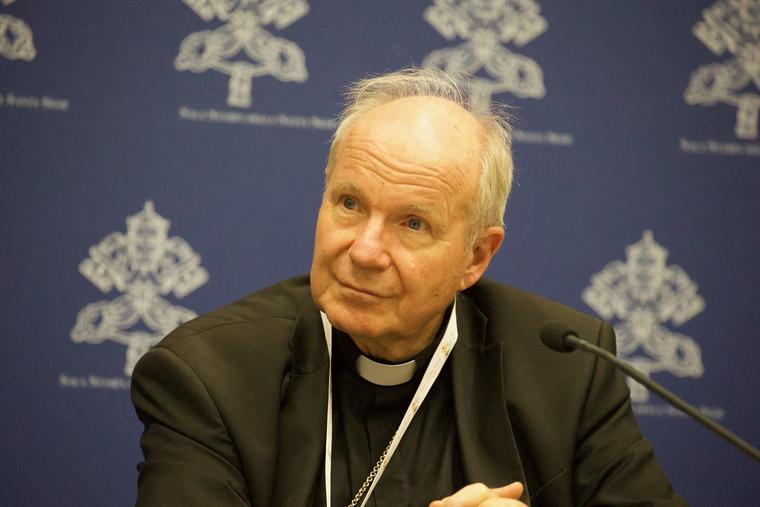
As the Synod on Synodality nears its end, some participants are questioning whether it can still be considered a Synod of Bishops since lay members now have voting rights, making up nearly one-fifth of the ballot. This change, announced by Pope Francis in April, aimed to restore the relationship between the common priesthood and the ministerial priesthood. While some observers argue that the inclusion of lay votes undermines the traditional nature of the Synod, others, including Cardinal Christoph Schönborn, believe it enhances the participation of non-bishops and does not diminish the weight of votes. The lack of clarity on this issue has raised concerns among participants, with some describing it as a "canonical and practical problem."