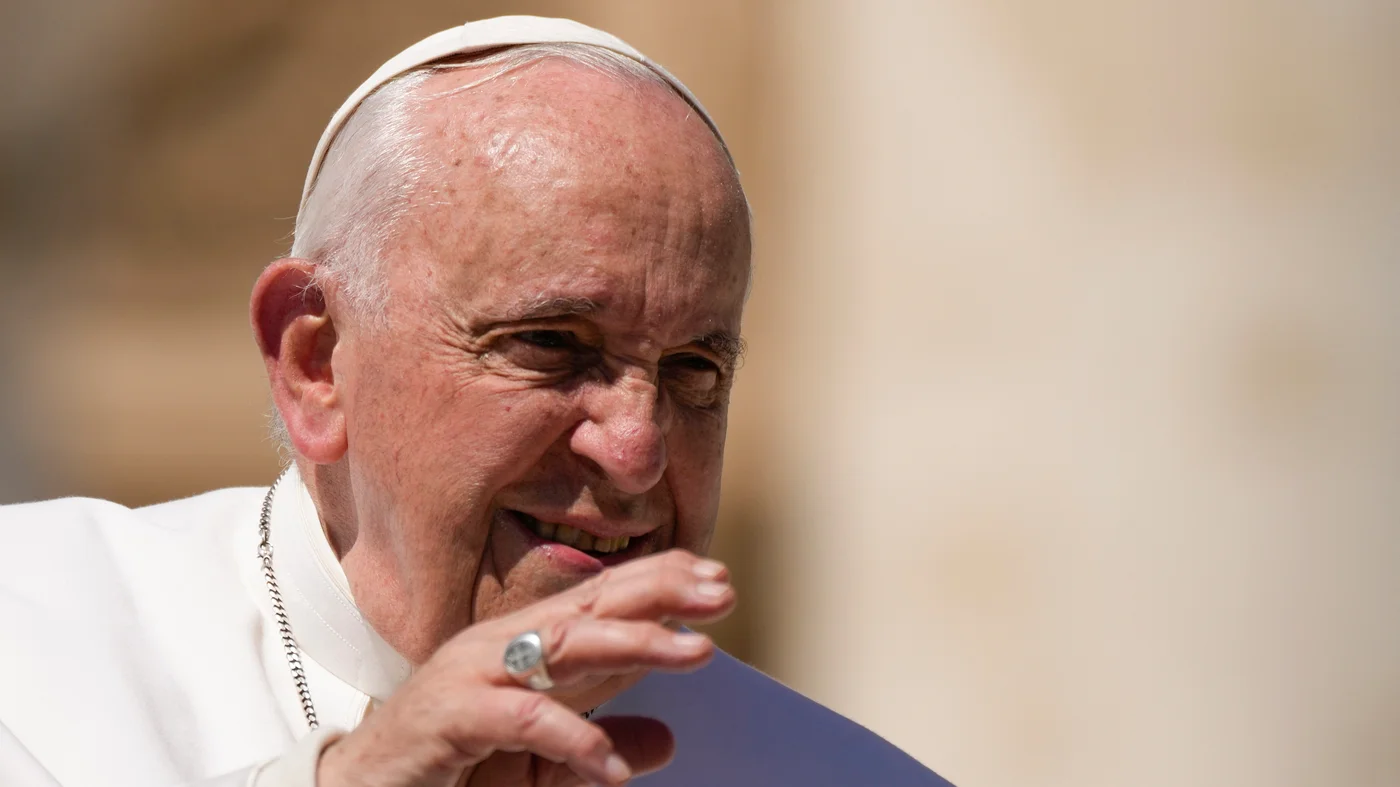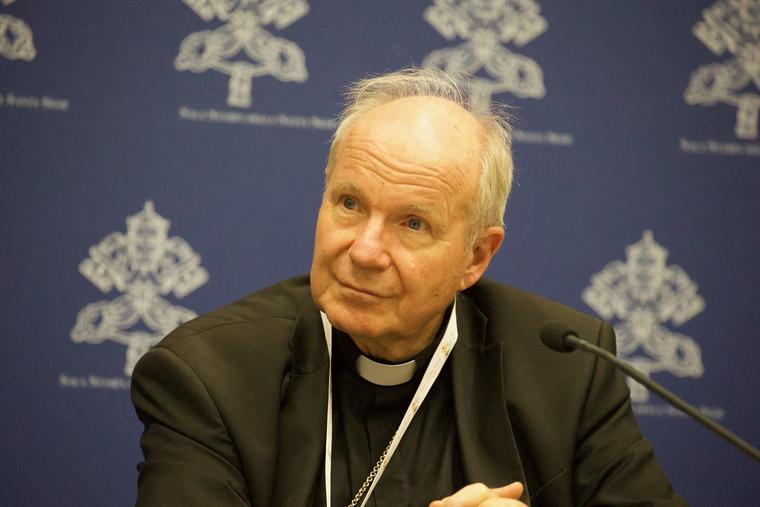
As the Synod on Synodality nears its end, some participants are questioning whether it can still be considered a Synod of Bishops since lay members now have voting rights, making up nearly one-fifth of the ballot. This change, announced by Pope Francis in April, aimed to restore the relationship between the common priesthood and the ministerial priesthood. While some observers argue that the inclusion of lay votes undermines the traditional nature of the Synod, others, including Cardinal Christoph Schönborn, believe it enhances the participation of non-bishops and does not diminish the weight of votes. The lack of clarity on this issue has raised concerns among participants, with some describing it as a "canonical and practical problem."
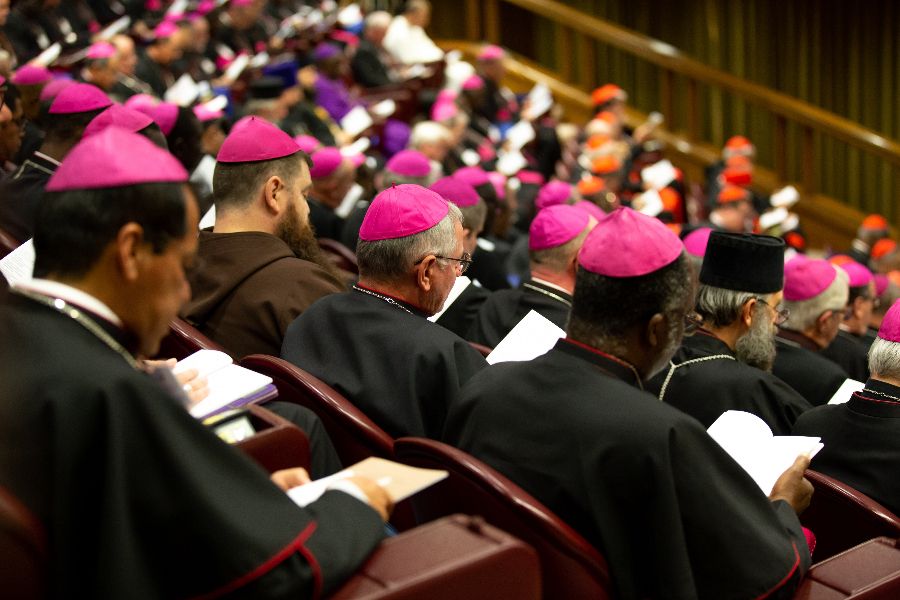
The Vatican has released the full list of participants for the upcoming Synod on Synodality assembly in October. Pope Francis personally chose nearly a third of the 364 voting delegates, including American Jesuit Father James Martin, Cardinal Gerhard Ludwig Müller, and Cardinal Blase Cupich. For the first time, laypeople will be full members and have the ability to vote on the final document. The assembly will discuss topics such as women deacons, priestly celibacy, and LGBTQ outreach. The synod will be divided into two sessions, with conclusions reached in 2024.
Pope Francis has approved changes to the norms governing the Synod of Bishops, allowing dozens of women to vote at an upcoming meeting of bishops for the first time. The move is aimed at broadening female and laypeople voices in the male-exclusive life of the Catholic Church. The changes also emphasise the Pope's vision for the lay faithful taking on a greater role in church affairs that have long been left to clerics, bishops and cardinals. Catholic women's groups have praised the move as historic, but some have called for more transparency and laypeople elected from dioceses rather than chosen by the hierarchy.
Pope Francis has allowed women to vote at an upcoming meeting of bishops, marking a historic reform that reflects his hopes to give women greater decision-making responsibilities and laypeople more say in the life of the Catholic Church. Until now, only men could vote at the Synod of Bishops, a Vatican body that gathers the world's bishops together for periodic meetings. The changes approved by Francis will allow five religious sisters and 70 non-bishop members, half of whom will be women, to have a vote. The move has been praised by Catholic women's groups as a significant step forward.
Pope Francis has allowed women to vote at an upcoming meeting of bishops, marking an unprecedented change in the Catholic Church. The Synod of Bishops, a Vatican body that gathers the world’s bishops together for periodic meetings, will now include five religious sisters and 70 non-bishop members, half of whom will be women. The move reflects the Pope's vision for the lay faithful taking on a greater role in church affairs that have long been left to clerics, bishops and cardinals.