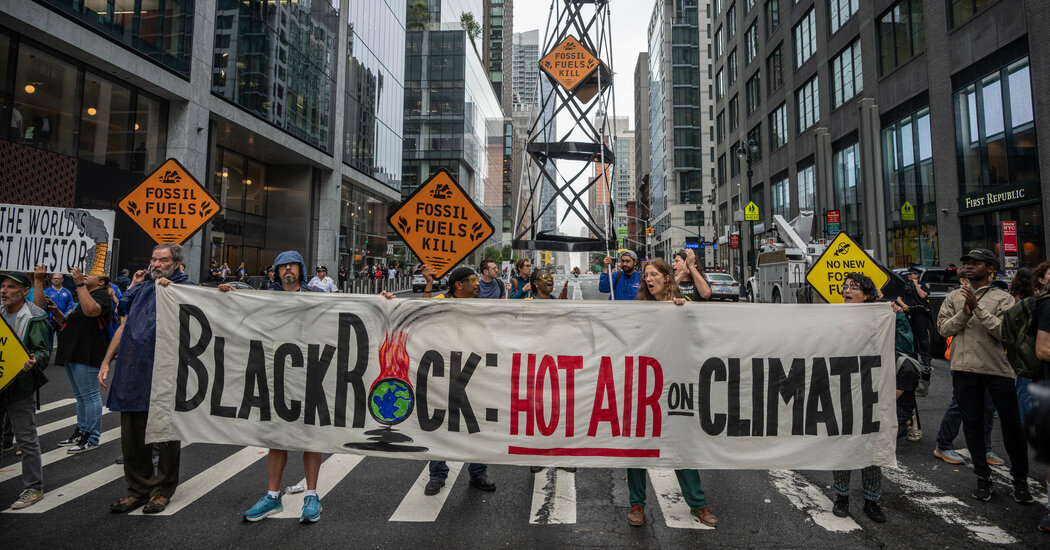
BlackRock has lost its second Dutch pension fund mandate due to concerns over its approach to sustainable investing, highlighting ongoing challenges in aligning investment strategies with sustainability goals.
BlackRock, JPMorgan Chase, and State Street are withdrawing or reducing their involvement with Climate Action 100+, a global investment coalition focused on pushing companies to decarbonize. This move represents a nearly $14 trillion exit from the organization, sparking political reactions. The companies cite concerns over the coalition's shift in focus and potential legal considerations, with JPMorgan building an in-house sustainable investment team and BlackRock transferring its membership to an international entity while maintaining some ties to the coalition.
Companies are increasingly avoiding direct mentions of ESG (environment, social, and governance) strategies in their earnings calls, opting for alternative terms like "green economy" and "energy transition" to discuss related issues. This shift reflects a more charged political landscape and a desire to move away from the controversial term. While some see this as a win against "woke capitalism," others believe it could lead to a more direct and genuine focus on the underlying principles of ESG.
Tennessee has filed a lawsuit against BlackRock, the world's largest asset manager, alleging that the company misled investors about its commitment to sustainable investing. The state claims that BlackRock's environmental, social, and governance (ESG) strategies were not aligned with its marketing materials and that the company failed to disclose potential conflicts of interest. This lawsuit highlights the growing scrutiny and legal challenges faced by asset managers in relation to ESG investing.
Hedge fund manager Jeff Ubben, who recently closed his sustainable investing firm, criticizes the "echo chamber" of traditional climate summitry, expressing concern that entrenched points of view are hindering progress in climate talks. Ubben, an advocate for bringing oil companies to the table, joined Exxon Mobil's board in 2021 and is now on the advisory committee of COP28 in Dubai. The COP28 summit has drawn criticism for potentially becoming a deal-making venue for oil majors and the finance industry. Ubben argues that carbon-emitting companies need to be part of the conversation and that company balance sheets are crucial for driving change. His firm's closure coincides with a challenging year for climate investing, as green stocks have slumped.
Experts suggest that investors should consider climate change when selecting investments. Sustainable investing is seen as smart investing, with companies that address climate change and incorporate it into their long-term strategy likely to be more successful. Climate investing gained momentum in 2020, with investors looking for growth opportunities in companies investing in electric vehicles and reducing carbon footprints. Industrial stocks, such as Quanta Services and Dover, are well-positioned for the future climate storm. Other picks include Trane Technologies and Ferguson PLC. However, investors should also consider the holistic impact of stocks, including their water use and impact on biodiversity.
Republican politicians who sought to capitalize on anti-woke sentiment and make sustainable investing a campaign issue are facing voter disinterest, as a Morning Consult survey found that less than half of voters think corporations are pushing "wokeness" too far. Majorities in both parties oppose government limits on ESG investments, and there are signs of resistance at the state level. Meanwhile, Florida's Department of Education has approved the use of Prager University Foundation videos in classrooms, which include climate-denial content. The paper industry continues to lead in recyclability, with a recycling rate of 68%, but opposes state-level proposals to shift the responsibility of recycling onto packaging producers.
Republican congressional committee escalates campaign against sustainable investing, arguing that ESG investing is an insidious attempt to "rewire the fabric of America" and jeopardizes investment returns for retirees and other investors. Democrats argue that without mandatory ESG disclosure, it is impossible for investors to make informed decisions. GOP donors have played a significant role in escalating the anti-ESG push, and Republicans have long argued that ESG concerns represent an attempt by outsiders to use markets to push a liberal political agenda.
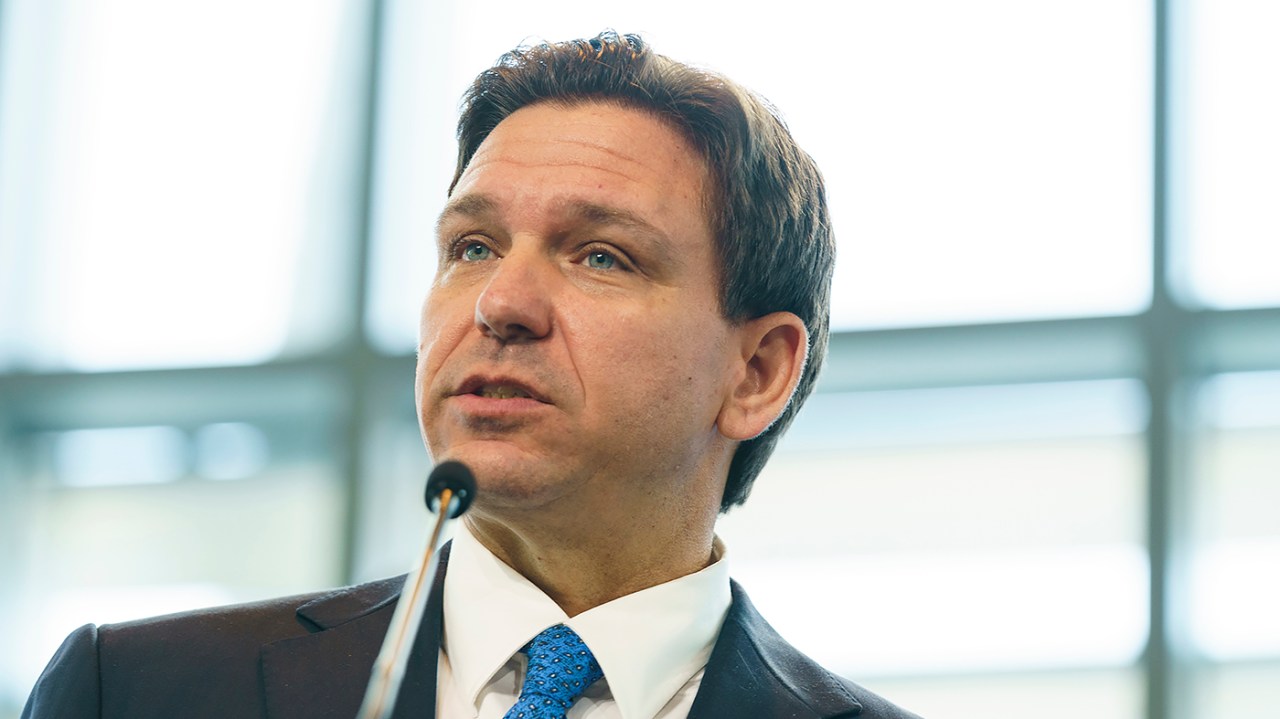
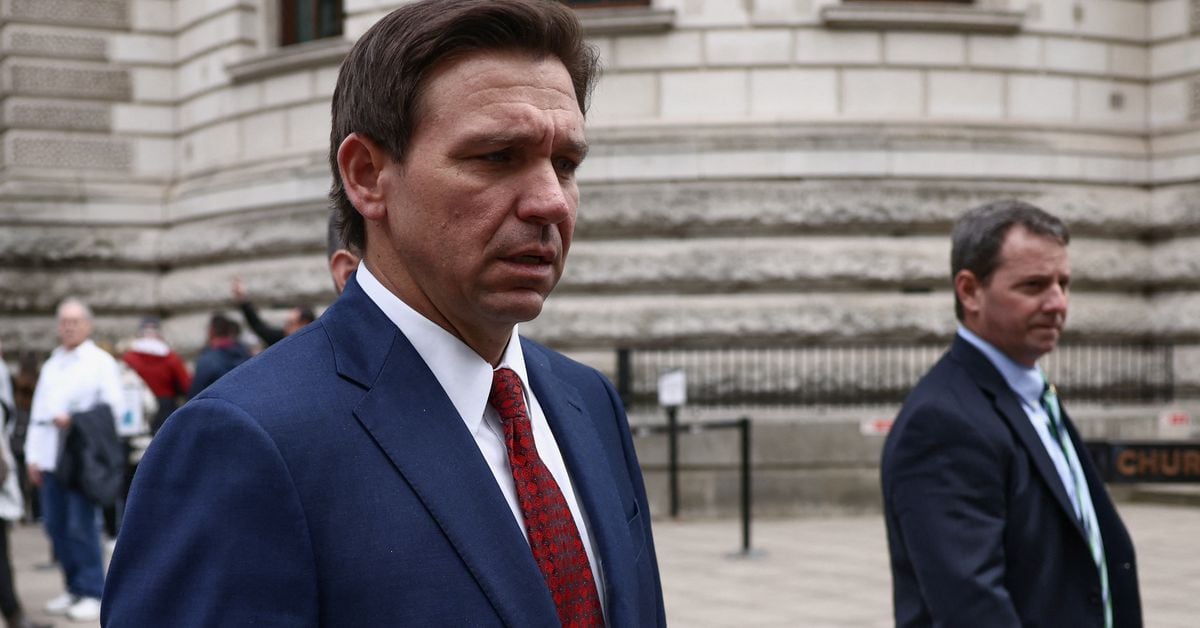
Florida Governor Ron DeSantis signed a bill that bans state and local governments from considering environmental, social, or governance (ESG) factors in their investment decisions. The bill also obligates state-registered banks to make loans to industries such as fossil fuels, private prisons, and firearms manufacturing. Financial experts believe the bill is a political stunt with little practical impact. DeSantis has sought to crackdown on ESG investing and published a book on the movement against "woke capital" in February. The bill could chase the nation's first sustainability bank out of the state.
Florida Governor Ron DeSantis signed a bill that prohibits state officials from investing public money in environmental, social, and governance (ESG) goals and ESG bond sales. The legislation is one of the most extensive efforts by Republicans against sustainable investing and sends a clear political message from DeSantis, a likely presidential candidate. The law creates questions about how it will operate in practice, and fund managers could face regulatory action if they don't include enough disclaimers. The new law could also deny municipalities access to large pools of ESG-mandated capital.