Revolutionary Breakthrough: Unveiling the Ultimate Water-Repellent Surface
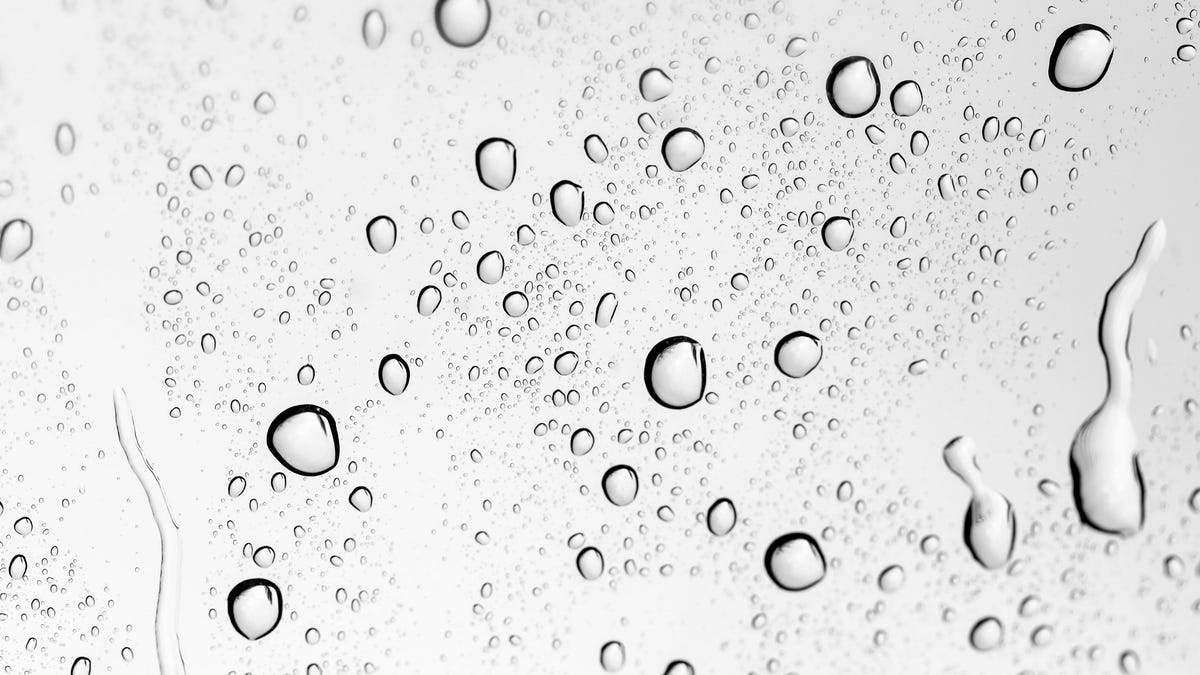
Chemists from Aalto University have developed a new method of coating surfaces with self-assembled monolayers (SAM) to create ultra-slick surfaces. These SAMs feature a fluid-like surface that dramatically reduces friction, allowing water droplets to glide across with ease. By varying the growth time of the SAMs, the researchers found that both low and high coverage yielded exceptional slipperiness. This research has practical applications such as de-icing, anti-fogging, and self-cleaning surfaces.