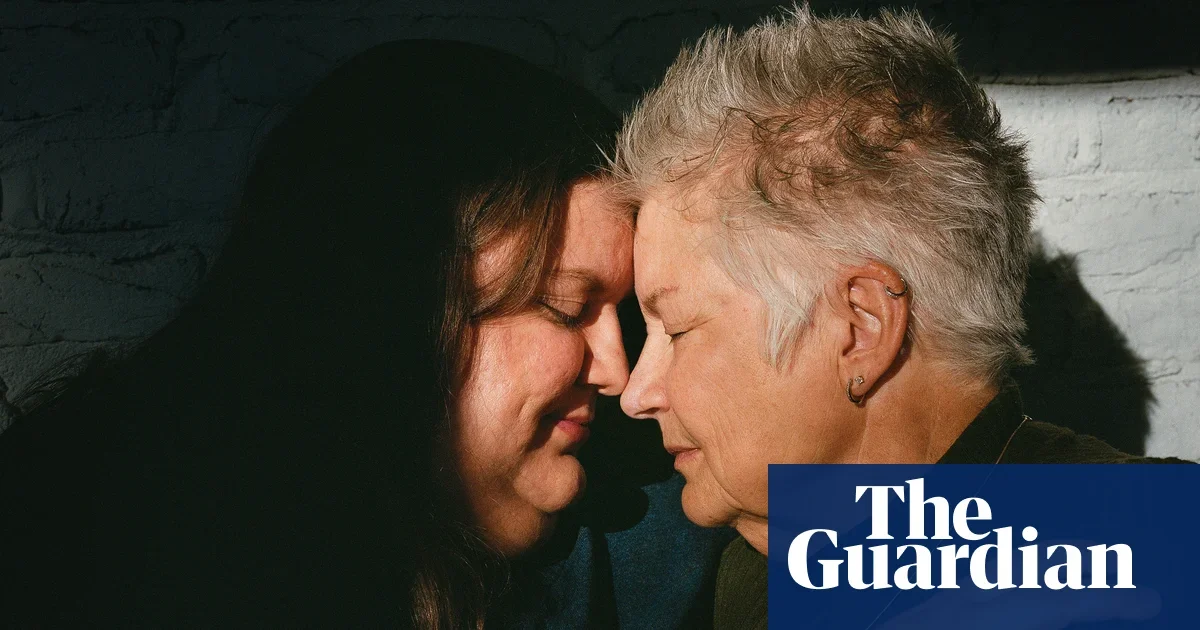
The article discusses the emotional and psychological toll of breast cancer diagnoses within a family, highlighting cases of multiple family members affected, the role of genetic mutations like BRCA, and the different experiences of women diagnosed at various ages, emphasizing the importance of support and awareness.
A new generation of cancer survivors is emerging, with early diagnoses and longer lifespans due to medical advancements like AI and genetic tools. However, cancer is becoming more common, especially among young adults, complicating their lives as they navigate careers and family. While the causes of increased cancer rates in young people are unclear, factors like obesity and pollutants may contribute. Young survivors face unique challenges but also find profound meaning and resilience in their experiences, highlighting the need for tailored support systems.
Julia Partridge, a 23-year-old woman from Syracuse, NY, was unexpectedly diagnosed with stage 2B Metaplastic Triple Negative Breast Cancer, a rare and aggressive form of breast cancer. Initially thought to be a benign lump, further tests revealed the serious diagnosis. Despite the shock and challenges, Julia remains hopeful and is supported by her husband and medical team. She continues her treatment with optimism, viewing it as an investment in her future health and happiness.
The case of Lauren Dickason, a New Zealand doctor who murdered her three children, highlights the urgent need to address maternal mental illness. A report reveals that 11,000 women in New Zealand suffer from postnatal depression and/or anxiety each year, with many not meeting the threshold for assistance. Maternal mental illness is a serious issue, with suicide being the leading cause of maternal death in the country, disproportionately affecting wāhine Māori. The focus on the impact of a mother's mental health on her child often overshadows the importance of supporting mothers as individuals. It is crucial to provide safety nets, dismantle the idea of perfect motherhood, and prioritize the mental well-being of birthing parents.