Tag

Supersonic Aircraft

All articles tagged with #supersonic aircraft

technology4 months ago

NASA’s X-59 Nears First Flight with Quiet Supersonic Technology

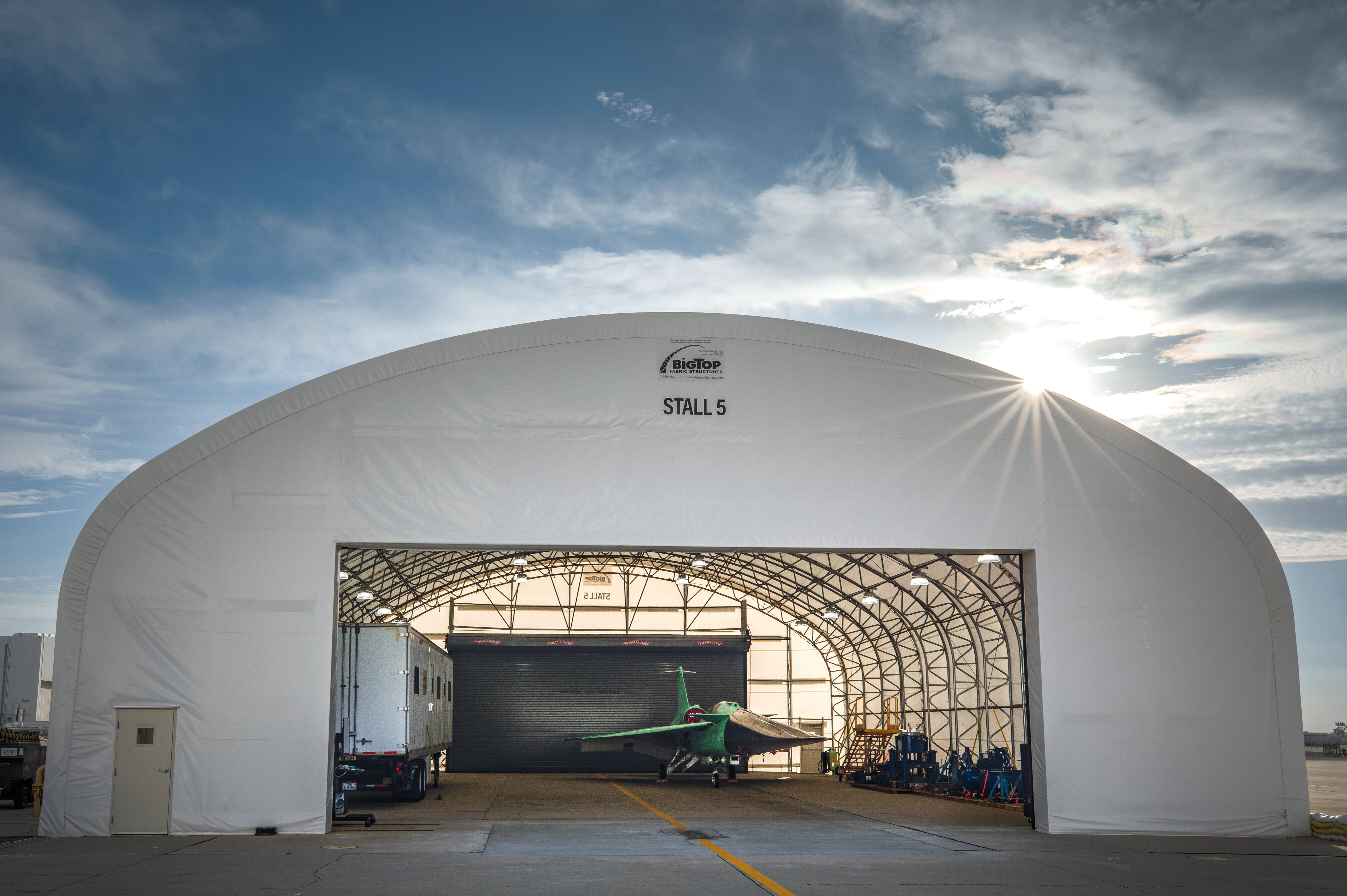
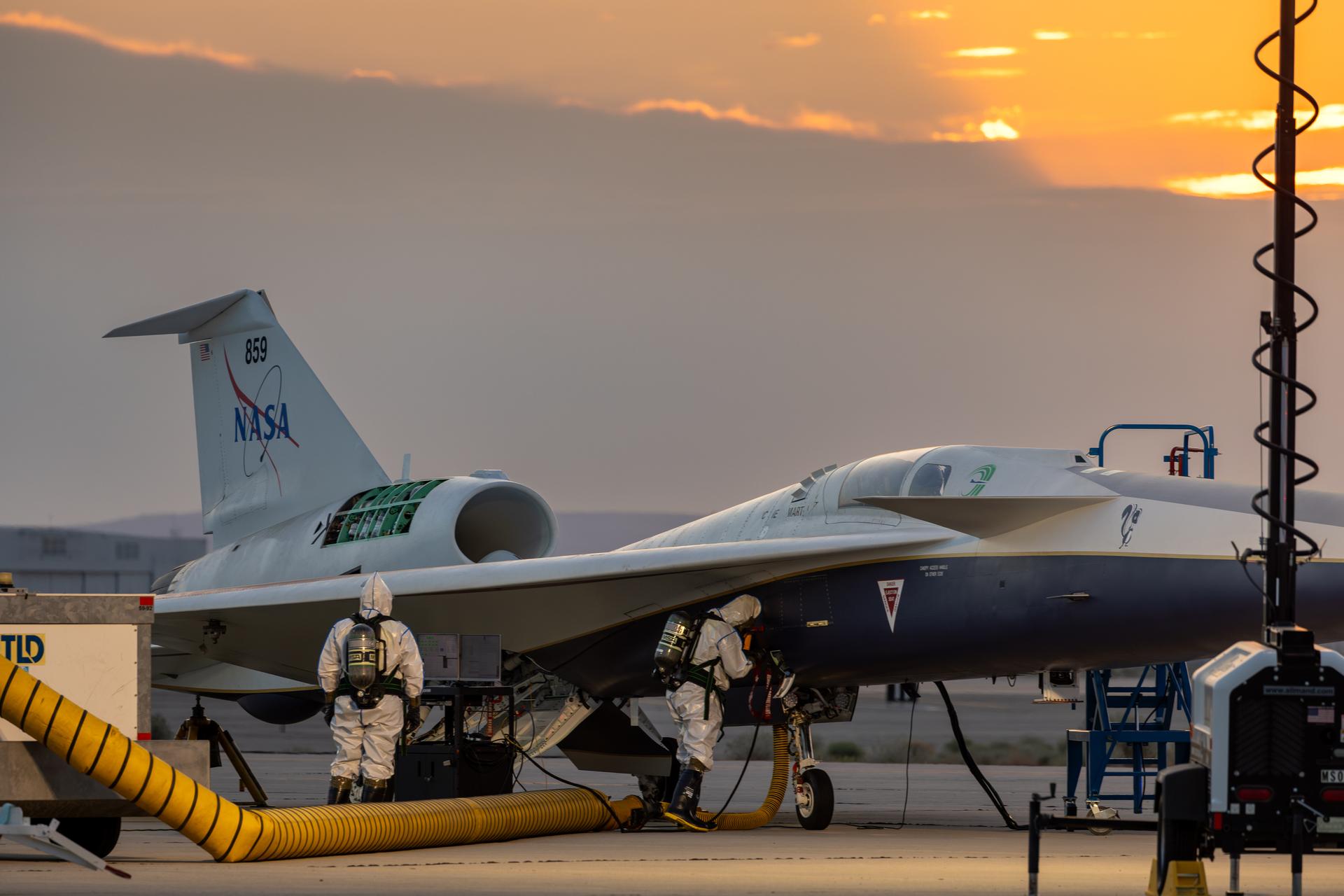
NASA's X-59 quiet supersonic aircraft is preparing for its first flight, with safety as a top priority. The aircraft features advanced systems like extensive data recording, digital fly-by-wire controls, multiple backup systems, and comprehensive safety measures including life support, ejection seat, and emergency restart capabilities. The initial low-altitude test will verify system integration before progressing to higher speeds and altitudes, ensuring a safe and successful flight.
aerospaceaviation2 years ago

"Unveiling NASA's X-59: The Future of Supersonic Travel"

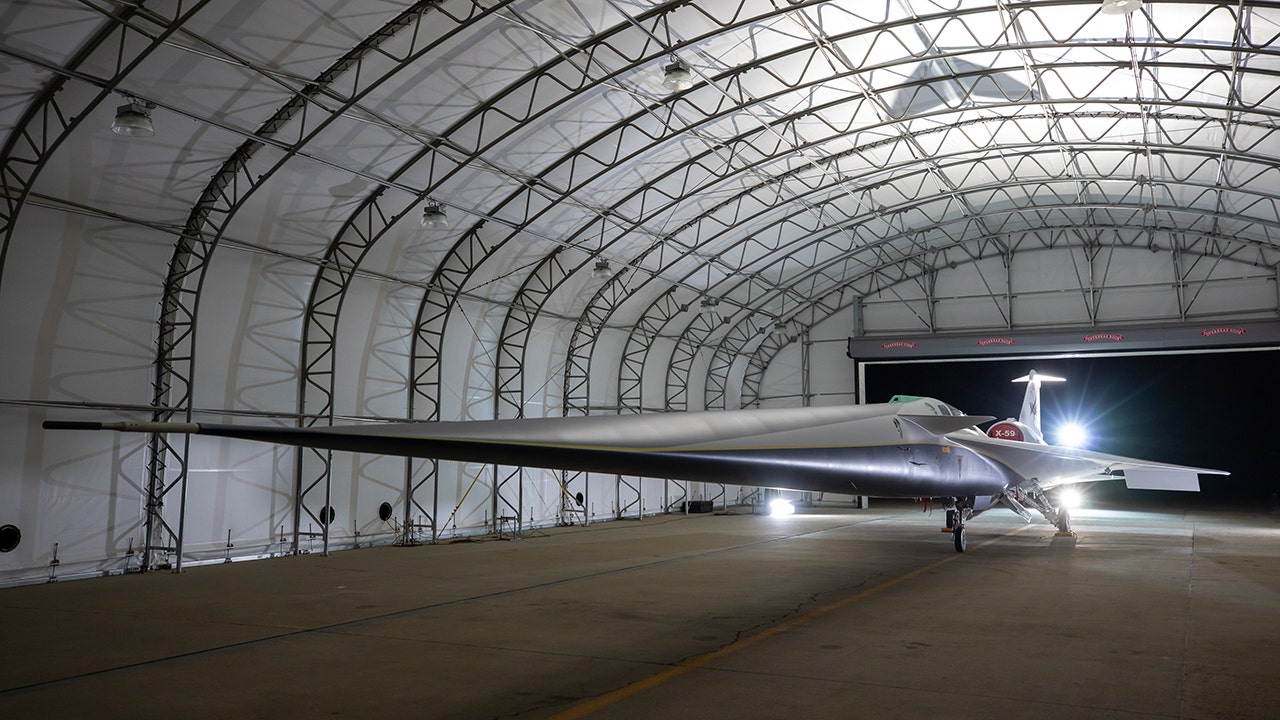
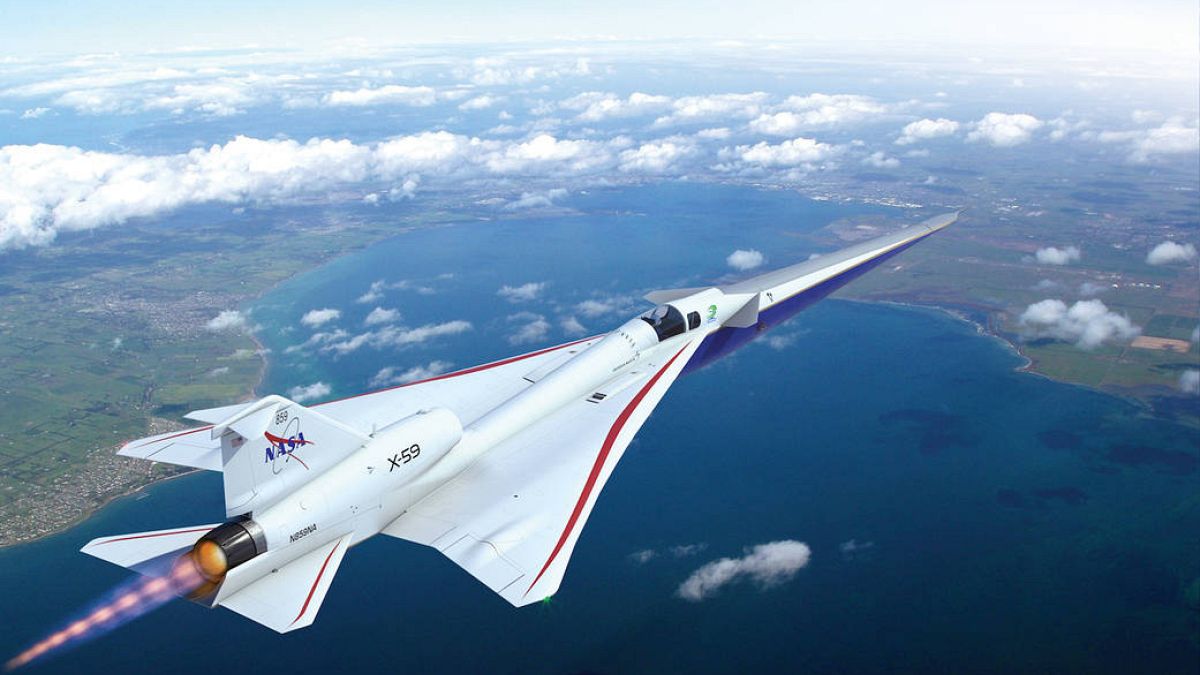
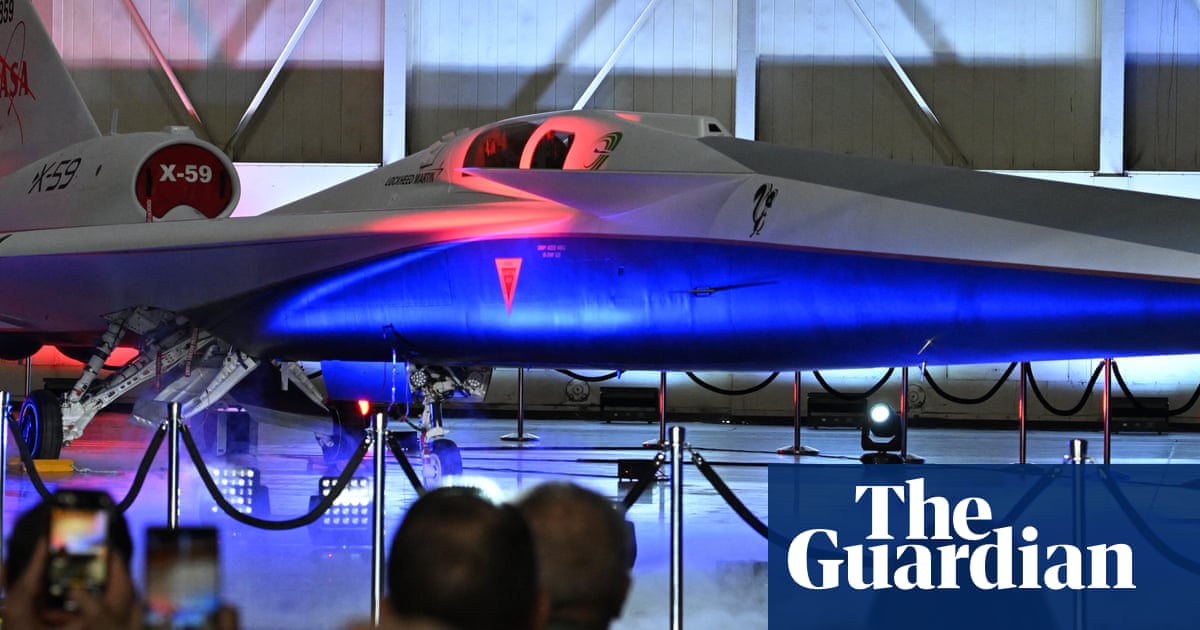
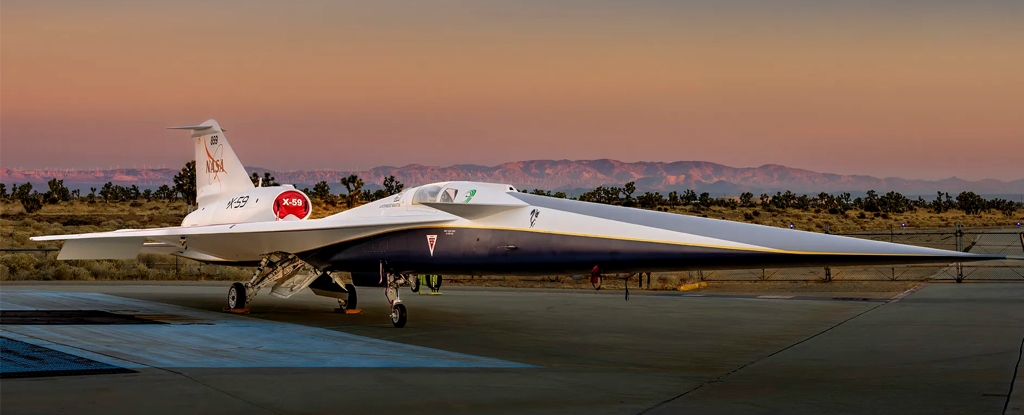
NASA and Lockheed Martin have collaborated to develop the X-59, a quiet supersonic research aircraft designed to minimize the disruptive sonic boom caused by breaking the sound barrier. With a sleek, futuristic design and advanced technology such as the eXternal Vision System, the X-59 aims to revolutionize air travel by enabling faster-than-sound commercial jets. If successful, this experimental aircraft could pave the way for significantly reduced travel times across the globe.

aviation-technology2 years ago

"Lockheed Martin and NASA Unveil Supersonic X-59 Jet for Faster Transatlantic Travel"

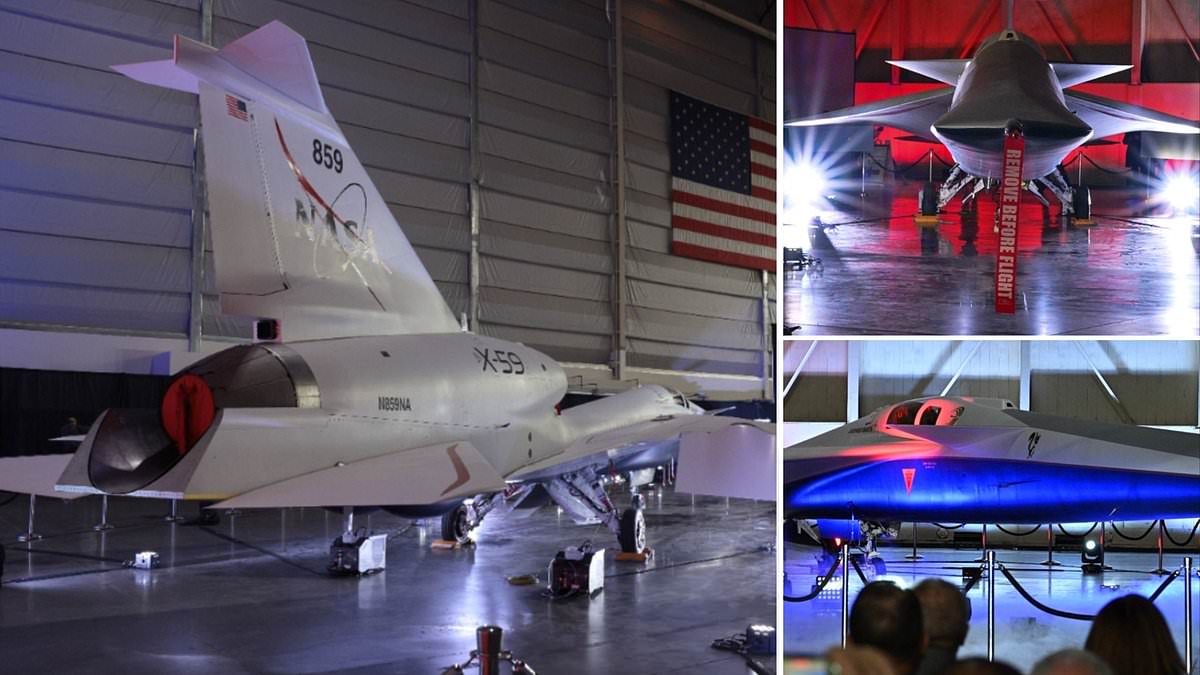
Lockheed Martin officially introduced its experimental X-59 supersonic aircraft with NASA, aiming to produce a quieter sonic thump instead of a sonic boom as it surpasses the speed of sound. The 99-feet-long aircraft, with a 29-foot wing-span, is set to undergo testing before its first flight in 2024, with the goal of gathering data to support new rules for quiet commercial supersonic flight over land. NASA aims to open new commercial markets for U.S. companies and benefit travelers worldwide through this demonstration.

aerospacetechnology2 years ago

"NASA Unveils Supersonic Jet for NYC to London in 3.5 Hours"

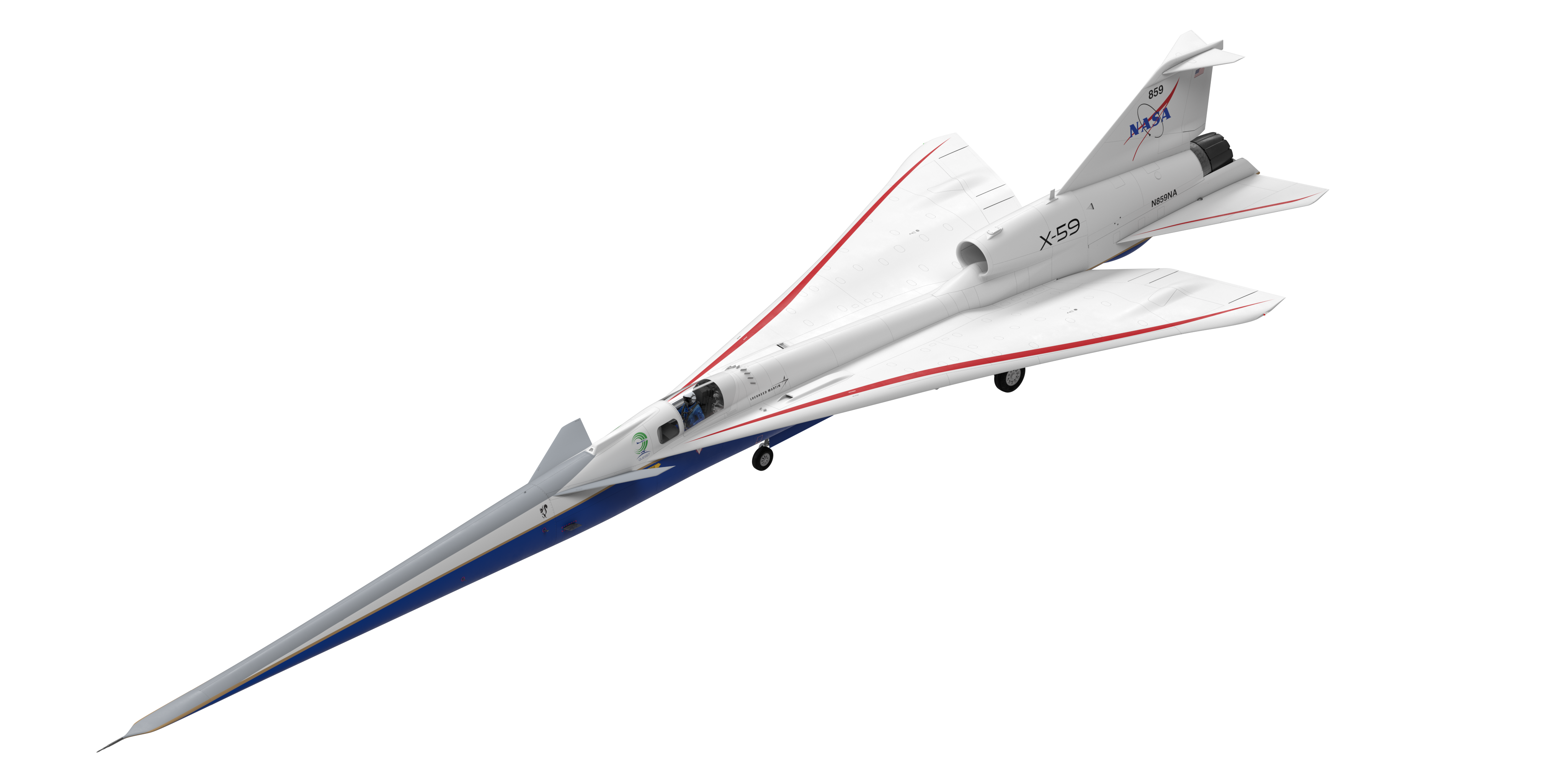
NASA and Lockheed Martin have unveiled the X-59, a "quiet" supersonic aircraft designed to reduce the loud sonic booms of traditional supersonic flights to a gentle "thump." The 30-meter-long aircraft, part of NASA's Quesst mission, features a thin, tapered nose to break up shock waves and minimize noise. If successful, this technology could lead to a reconsideration of the ban on supersonic flights over land, potentially cutting travel time in half for commercial flights.

aerospaceaviation2 years ago

"NASA Reveals 'Son of Concorde' Supersonic Jet for Faster Transatlantic Travel"

NASA unveiled the X-59, a new quiet supersonic aircraft designed to enable commercial supersonic travel by reducing the sound of the sonic boom to a mere thump. The experimental aircraft, set to take off for the first time later this year, has a predicted top speed of 1.4 times the speed of sound. NASA's Quesst mission, centered around the X-59, aims to provide information to assist regulators in re-evaluating regulations that forbid commercial supersonic flying over land. After flight testing, NASA will fly the aircraft over selected cities in the US to gather feedback on the sound it produces, with the data to be provided to aviation regulators.

aerospaceaviation2 years ago

"NASA Unveils $247 Million Supersonic Jet for London to New York in 3.5 Hours"

NASA has unveiled the X-59, dubbed the 'son of Concorde', a 100-foot-long supersonic aircraft capable of cruising at 937 miles per hour without producing a loud sonic boom. The aircraft's design aims to reduce the noise of sonic booms, with a thin, tapered nose and an 'eXternal Vision System' replacing the forward-facing window in the cockpit. Developed by Lockheed Martin, the X-59 is part of NASA's Quesst mission to gather data for reconsidering rules that ban commercial supersonic flight over land, with test flights scheduled for later this year.

technologyaviation2 years ago

"NASA Reveals Game-Changing X-59 Supersonic Jet for Commercial Flights"

NASA has unveiled the X-59, a quiet supersonic aircraft designed to make commercial supersonic flight possible by reducing the disruptive sonic booms. The experimental aircraft features a unique design with a thin, tapered nose and an external vision system, aiming to disperse shock waves and minimize noise. Once test flights are completed, the X-59 will fly over select US cities to collect public feedback on the sound it generates, with the goal of potentially lifting the ban on commercial supersonic travel over land.

technology2 years ago

"NASA Unveils X-59 'Quiet Supersonic' Jet for Revolutionary Flight Testing"

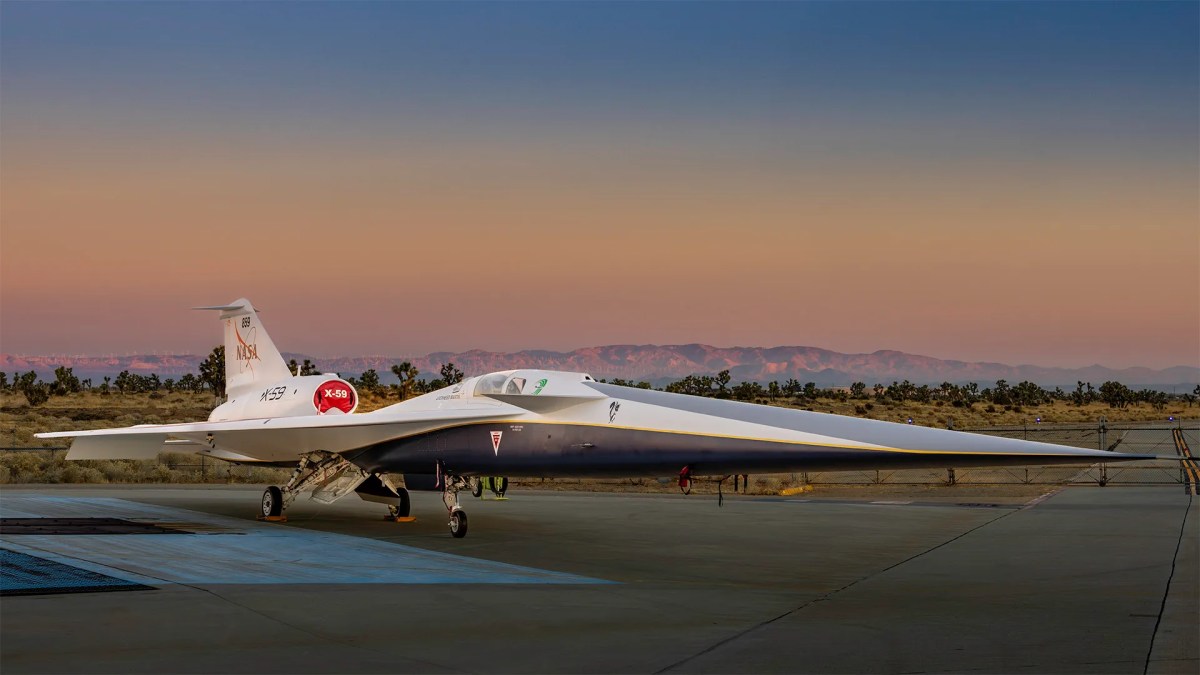
NASA and Lockheed Martin have unveiled the X-59, a "quiet supersonic" aircraft designed to fly faster than the speed of sound without creating disruptive sonic booms. The experimental aircraft, funded by a $248 million grant from NASA, features a sleek, aerodynamic design and an innovative eXternal Visibility System (XVS) in place of a traditional cockpit window. While the X-59 has yet to take off, it is scheduled for its first flight later this year, with the potential to revolutionize both military and civilian air travel.

science-and-technology2 years ago

"NASA's X-59: A Colorful Transformation from Green to Red, White, and Blue"

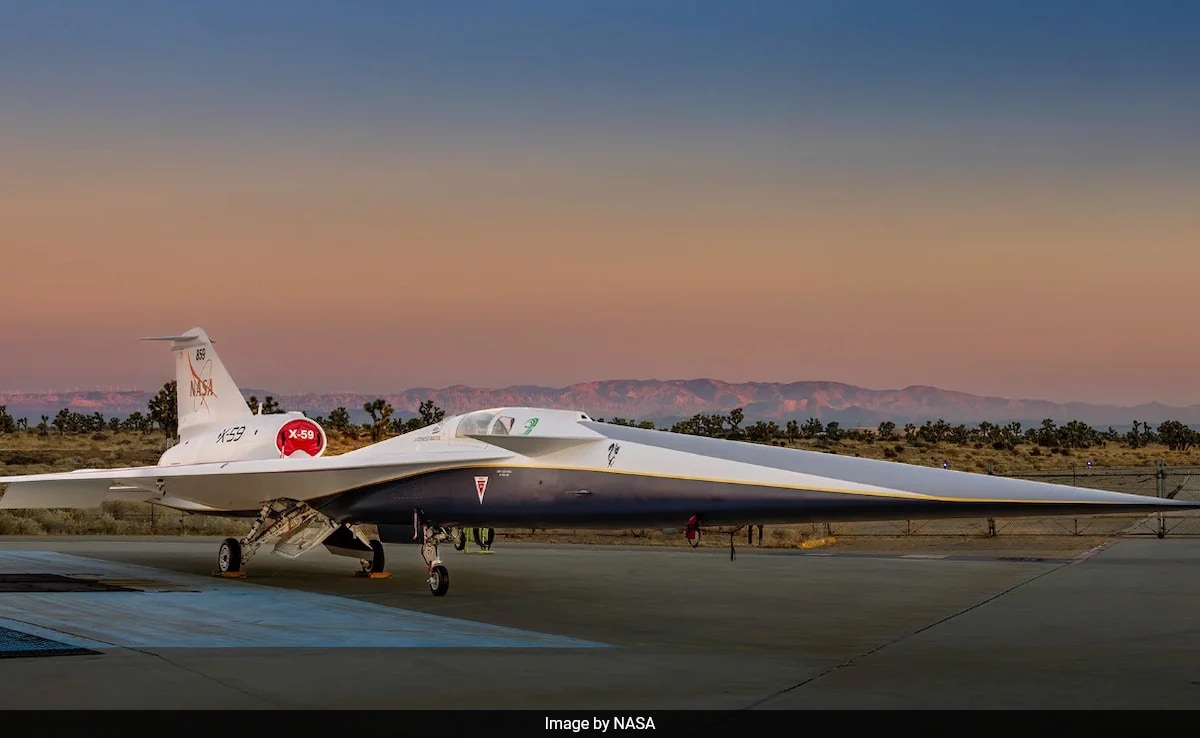
NASA's X-59 quiet supersonic aircraft has moved to the paint barn at Lockheed Martin Skunk Works' facility in California, where it will receive a paint scheme featuring a mainly white body, a NASA "sonic blue" underside, and red accents on the wings. The paint not only adds cosmetic value but also protects the aircraft from moisture and corrosion and includes safety markings. Once painted, final measurements will be taken to improve computer modeling. The X-59 is part of NASA's Quesst mission, aiming to gather data on people's perceptions of its sound to potentially adjust regulations on supersonic flight over land.

science-and-technology2 years ago

"NASA's X-59 Supersonic Aircraft Set for Historic First Flight"

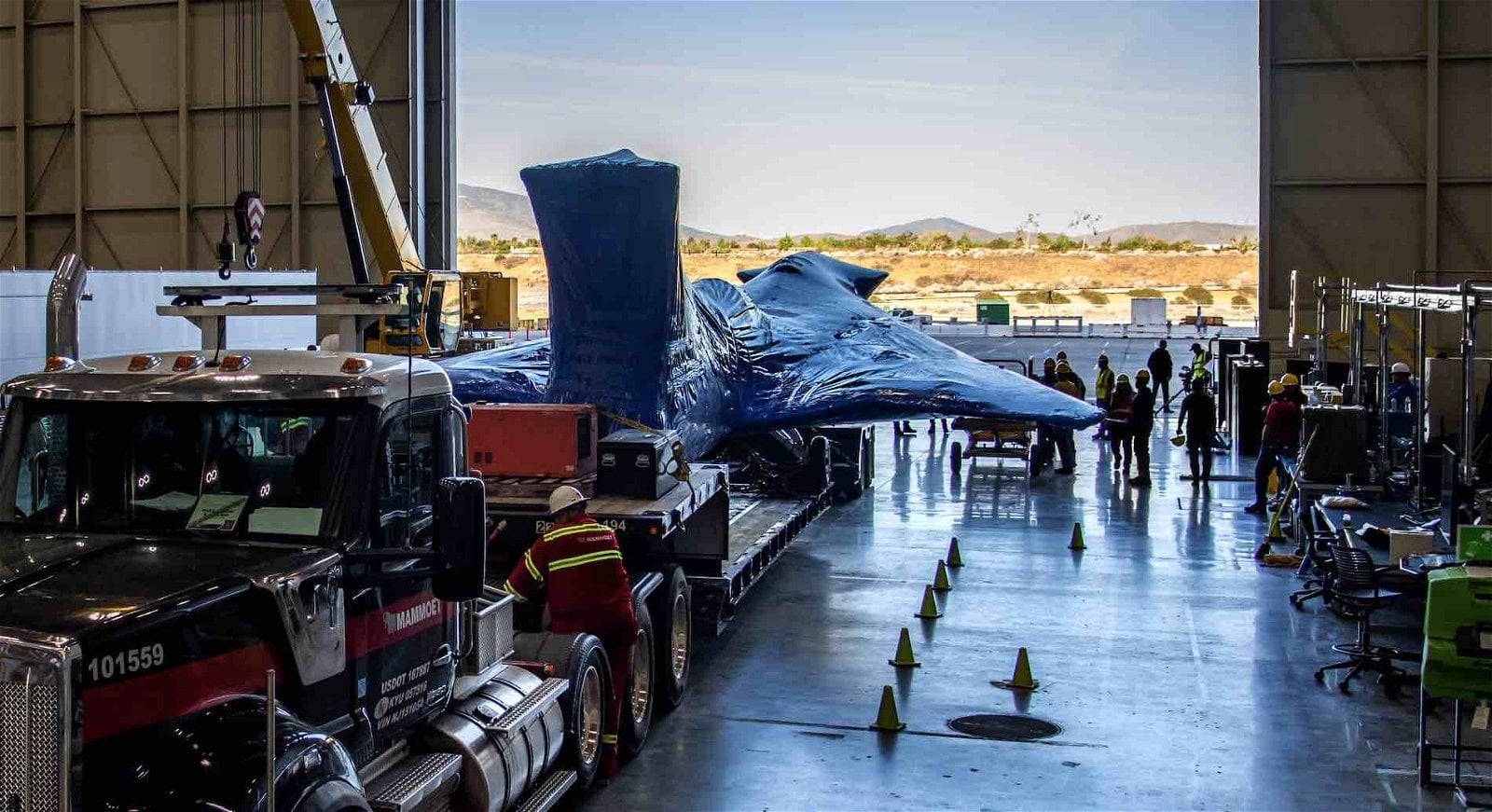
NASA's experimental X-59 aircraft, designed for low-noise supersonic flight over land, is preparing for its first flight in 2024. Built by Lockheed-Martin Skunk Works, the aircraft aims to reduce the intensity of sonic booms caused by breaking the sound barrier. The X-59 is made up of components from existing aircraft and will gather data on people's reactions to reduced sonic booms during flight. NASA plans to share the findings with regulators to potentially adjust rules prohibiting commercial supersonic flight over land. Safety remains a top priority, and the team is working towards meeting the 2024 launch goal.

technology2 years ago

NASA's Supersonic Jet Nears Silent Flight

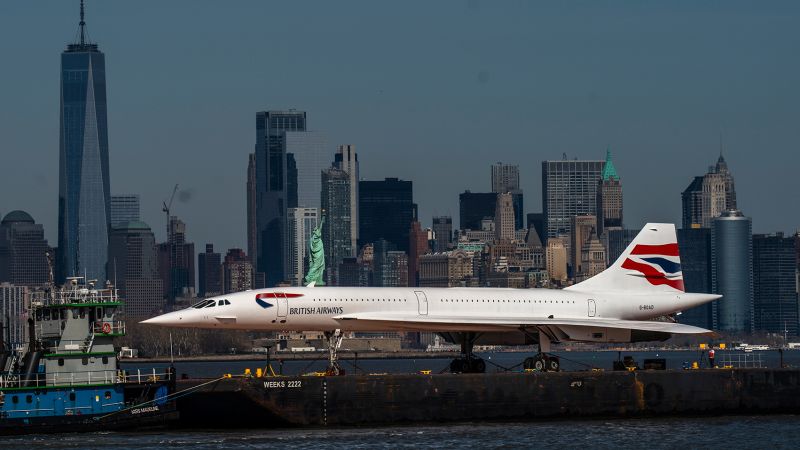
NASA's experimental X-59 aircraft, part of the Quiet Supersonic Technology project, is being prepared for its first test flights. The aircraft, designed to fly at supersonic speeds without creating disruptive sonic booms, aims to create a "sonic thump" as loud as a car door being slammed from 20 feet away. If successful, NASA hopes to overturn the 1973 ban on non-military supersonic flights over land and gather data for new sound-based regulations. The X-59 is smaller and slower than the Concorde, with a cruising speed of mach 1.4, and could be flying as early as 2025.