Chinese and American scientists have successfully produced large quantities of hexagonal diamonds, a structure believed to be superhard, from graphite using high pressure and laser heating, marking a significant breakthrough in material science with potential applications in electronics and superhard materials.
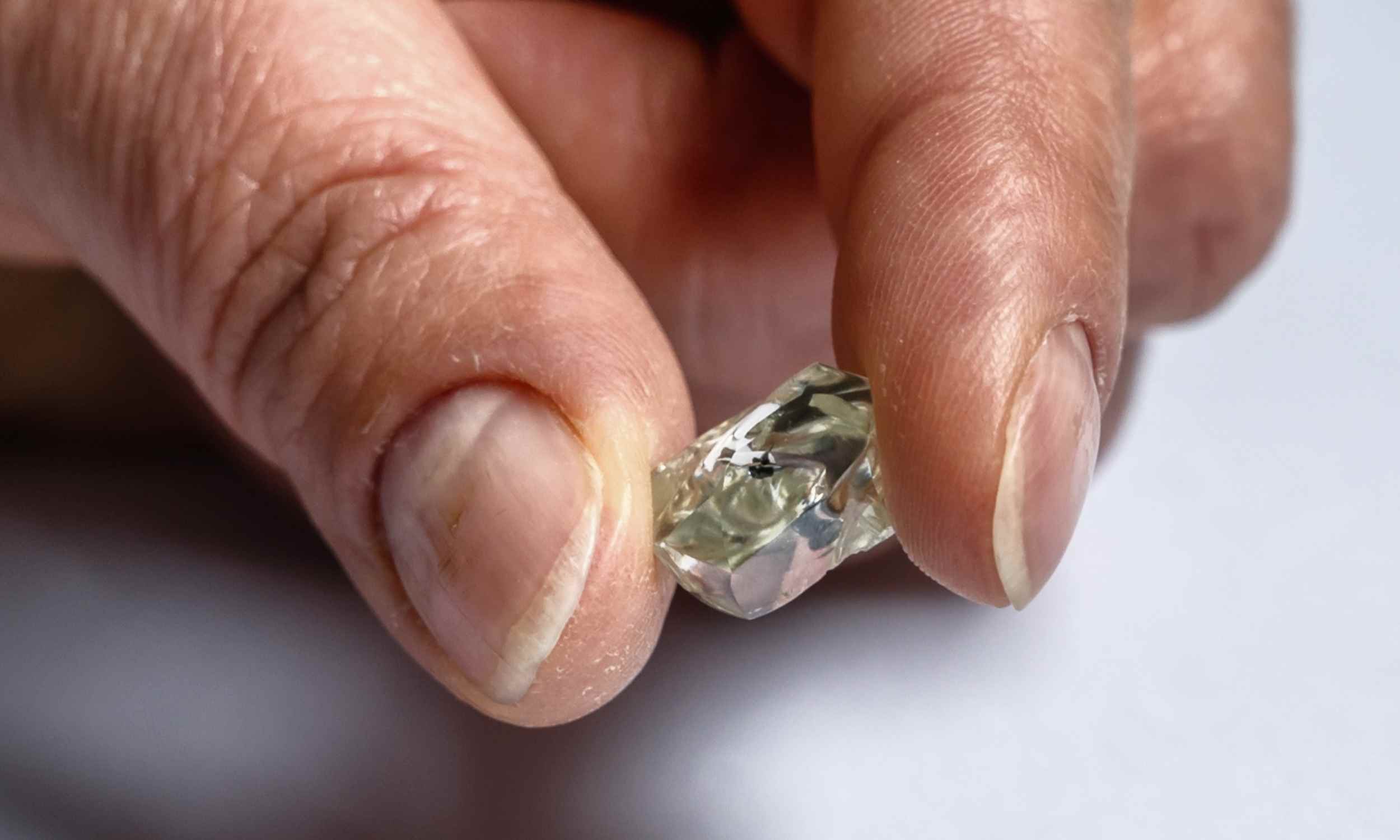
Scientists in China have successfully synthesized lonsdaleite, a hexagonal form of diamond known for its exceptional hardness and stability at high temperatures, marking a 50-year milestone in creating this rare material in the lab. The new samples are larger and tougher than previous efforts, opening potential applications in industrial cutting tools, electronics, and protective coatings, although mass production challenges remain.
Diamond is still considered the hardest material for most practical purposes, but there are ways to create diamonds that are even harder. Lonsdaleite, a hexagonal crystal structure made of carbon atoms, is a prime contender for a material harder than diamond. However, it is still being studied and is not yet widely available. Scientists are also exploring the creation of superhard materials that are cheaper and easier to make in the lab, such as nanotwinned diamonds and superhard metals. While diamond remains the reigning champion in terms of hardness, it may face challenges in the future as new materials are developed.