ACC athletic directors attended an informational presentation by SMASH Capital on "Project Rudy," a proposal for a college football super league. The meeting, which also focused on the House v. NCAA settlement, did not result in any commitments from the ACC. The proposal suggests a 70-team structure involving the four power conferences, with expanded postseason and revenue distribution changes, backed by $9 billion in private capital. The Big Ten and SEC have shown little interest in such discussions.
Juventus has decided to rejoin the European Club Association, leaving Real Madrid and Barcelona as the only clubs still pushing for the controversial European Super League. Despite a court ruling in favor of the Super League, the lack of support from other major clubs and backlash from fans make its formation unlikely.
A proposed "Super League" for college football could introduce NFL-style features such as a salary cap, draft, trades, and unionization of players, aiming to bring order to the chaos caused by the crumbling NCAA model and potential legal challenges. This move is seen as a response to the power shift towards players and the need to prevent the collapse of conferences and programs due to financial and legal pressures.
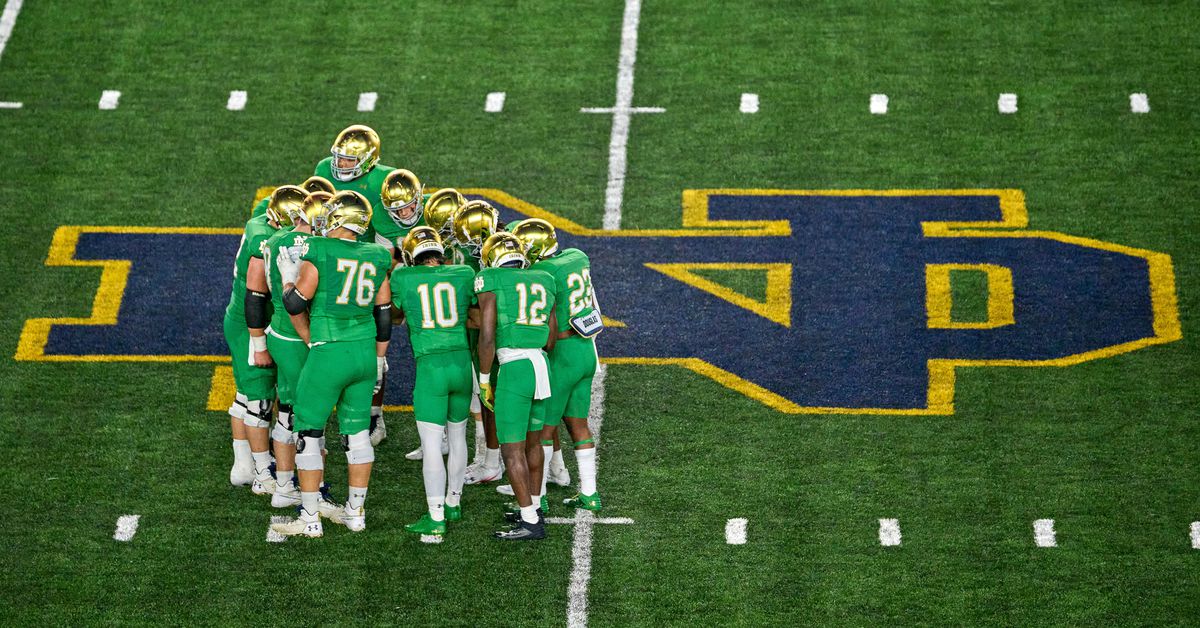
A proposal for a new governance structure in college football, called the Super League, includes 70 schools, including Notre Dame, and would create 8 divisions with a relegation structure and automatic bids to a 16-team playoff. While the chances of this happening are slim, it reflects the sentiment of a potential breakaway from the NCAA for college football. The proposal raises questions about scheduling, division names, and the impact on Notre Dame's special status in college football. While the idea is intriguing, it faces massive obstacles and is unlikely to materialize in the near future.
A group called "College Sports Tomorrow" is reportedly working on creating a college football "Super League" that could potentially break away from the NCAA, featuring promotion and relegation, a playoff without a selection committee, and a players union negotiating terms for Name, Image and Likeness (NIL), transfer, and pay. The proposed league would consist of the top-70 programs from former major conferences, plus Notre Dame and Southern Methodist University in one tier, with the playoffs resembling the NFL format. However, the proposal has not gained traction with the power players in college football, as the Big Ten, SEC, Big 12, and ACC have their media rights tied up through at least 2030.
A hypothetical 80-team, 8-division college football "Super League" for the 2023 season is outlined, with former Power 5 schools and independent Notre Dame organized into divisions. The proposed 16-team playoff seeding is based on regular season records, with the playoffs resulting in Michigan winning the national championship.
A working group called "College Sports Tomorrow" is proposing a college football "super league" with promotion and relegation, a playoff system, and a new revenue distribution model to replace the NCAA and College Football Playoff. The group aims to address financial concerns and generate more revenue for schools, but faces resistance from top commissioners and administrators due to existing media rights deals and legal ramifications. While the proposal addresses fan concerns amid conference realignment, it still has significant hurdles to overcome before becoming a viable replacement for the current system.
A group of college presidents, in collaboration with NFL executive Brian Rolapp, is working on forming a "Super League" for college football, effectively replacing the current system with 70 fixed teams and 10 others subject to relegation and promotion. This move aims to introduce control into the chaos of college football and embrace a unionized workforce to legitimize rules and address antitrust violations. The current model for governing and managing college athletics is considered dead, with an existential crisis looming, as viable litigation continues to expose corruption within the system.
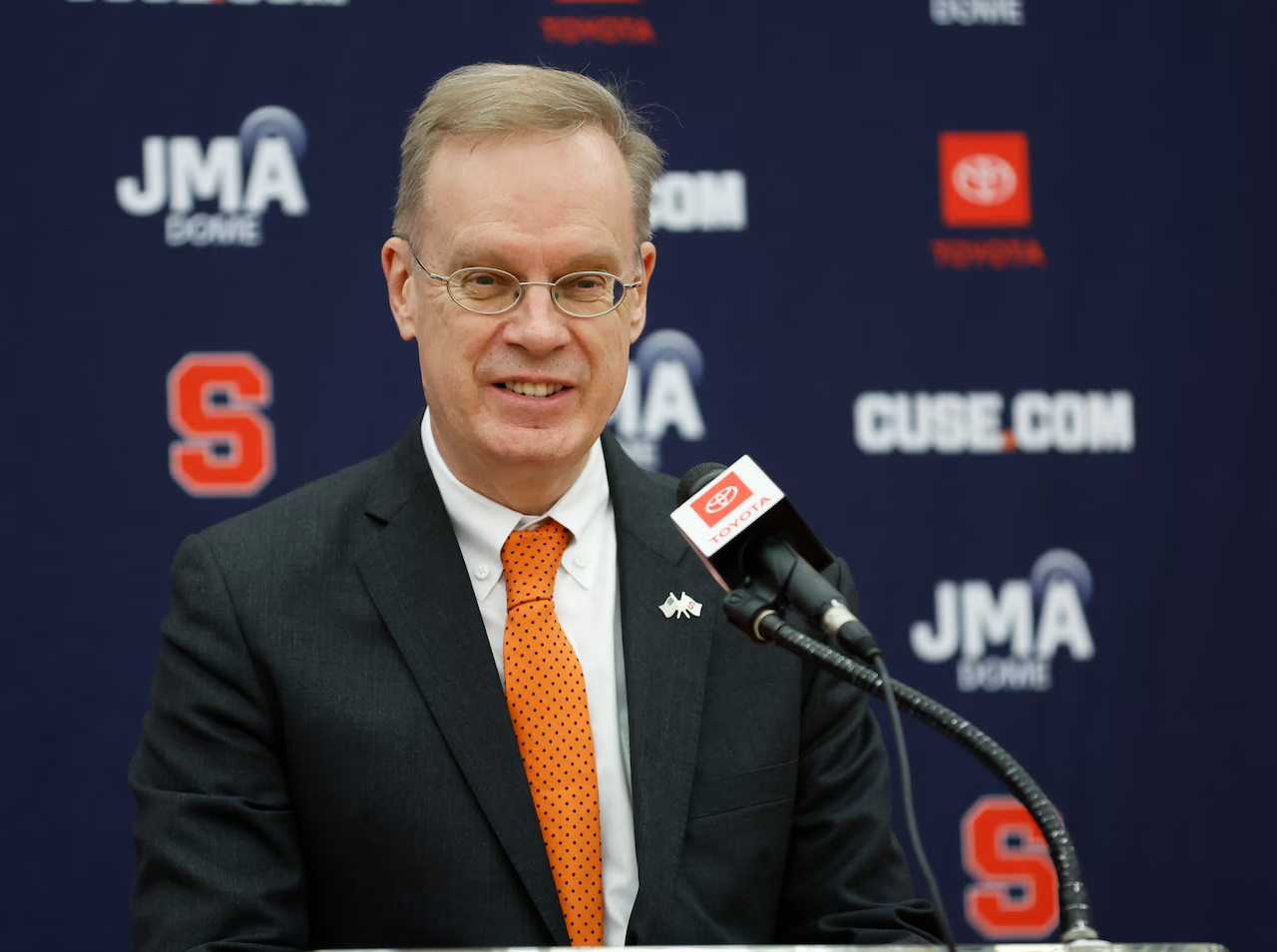
Syracuse Chancellor Kent Syverud is reportedly part of a group called College Sports Tomorrow, which is proposing a model for college sports that includes a 70-school super league and payment for athletes. The group's plan was detailed in a report by The Athletic, and its existence and Syverud's involvement had been previously reported by ESPN.
A group of college presidents, known as "College Sports Tomorrow," has proposed a two-tiered structure for college football, with the top 70 programs as permanent members and an eighth division for promoted teams. This proposal aims to address the increasing concentration of power and revenue disparity among FBS schools. It also includes streamlining player movement and compensation rules. However, the idea faces challenges in terms of logistics and existing media rights deals, with some major conferences showing reluctance to engage in discussions.
A group of influential leaders, part of the "College Sports Tomorrow" (CST) group, has proposed a radical overhaul of college football, aiming to replace the NCAA and the College Football Playoff with a new system resembling European football leagues. The plan includes promotion and relegation, direct player payment, and a new revenue-sharing model. However, the proposal faces resistance from current institutions and major TV networks with existing deals, and concerns over legal challenges and financial sustainability.
The Champions League quarter-finalists have been set, featuring predictable elite clubs like Arsenal, Manchester City, and Real Madrid, raising concerns about the competition's lack of surprises and the dominance of big clubs. The current format and financial regulations favor larger, revenue-generating teams, leading to a lack of diversity in the latter stages of the tournament. The upcoming changes to the competition's structure and financial rules are unlikely to address these issues, highlighting the Champions League's resemblance to a Super League in everything but name.
Tottenham Hotspur and other Premier League clubs have reaffirmed their opposition to the Super League following a ruling by the European Court of Justice. While the court's decision may pave the way for a potential revival of the Super League, the Premier League already has rules in place prohibiting its members from joining such a competition. Tottenham Hotspur and other clubs have released statements confirming their commitment to the current Premier League laws and their participation in UEFA competitions.
The European Court of Justice has ruled that UEFA and FIFA violated EU law by preventing the formation of a Super League, but the court did not explicitly approve the league. The ruling comes after sports development company A22 announced plans for a new competition that could rival UEFA's Champions League. While some clubs welcomed the ruling, major leagues and clubs expressed support for the existing structure. The court's decision stated that FIFA and UEFA abused their dominant position by forbidding clubs from joining the Super League, but it did not specifically address the approval of the project.
Manchester United, Bayern Munich, and Atletico Madrid have reaffirmed their commitment to playing in UEFA competitions despite the proposal of a new 64-team European club competition by the backers of the Super League. The European Court of Justice ruled that UEFA's attempts to ban the Super League were illegal. A22 Sports, the organization behind the Super League, outlined plans for a new men's and women's competition to replace UEFA's Champions League and Women's Champions League. However, the proposals have faced opposition from major clubs, the Premier League, players' union FIFPRO, UEFA, FIFA, and the European Club Association. Manchester United and Bayern Munich rejected the Super League proposal, emphasizing their commitment to UEFA competitions, while Atletico Madrid stated that the majority of clubs in Europe do not support the Super League.