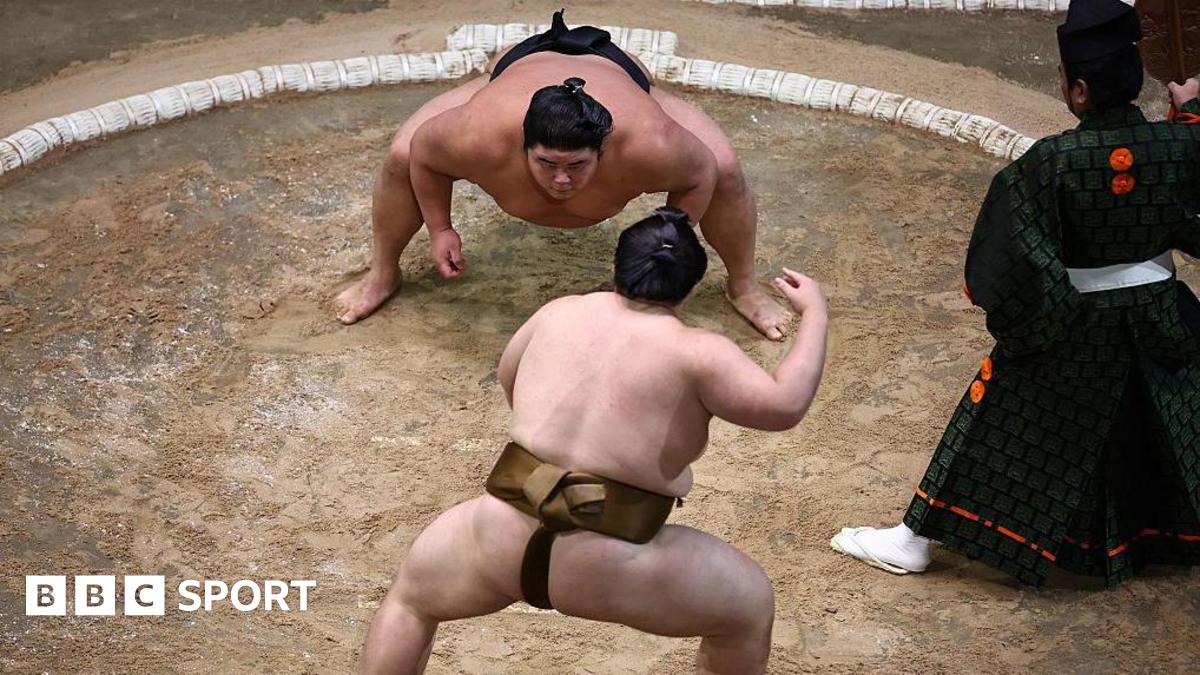
Sumo Wrestling Debuts at Royal Albert Hall in London
The article explains the judging process in sumo wrestling, including the use of replays and objections by ring-side judges during the Grand Sumo Tournament at Royal Albert Hall, London.

All articles tagged with #sumo
The article explains the judging process in sumo wrestling, including the use of replays and objections by ring-side judges during the Grand Sumo Tournament at Royal Albert Hall, London.
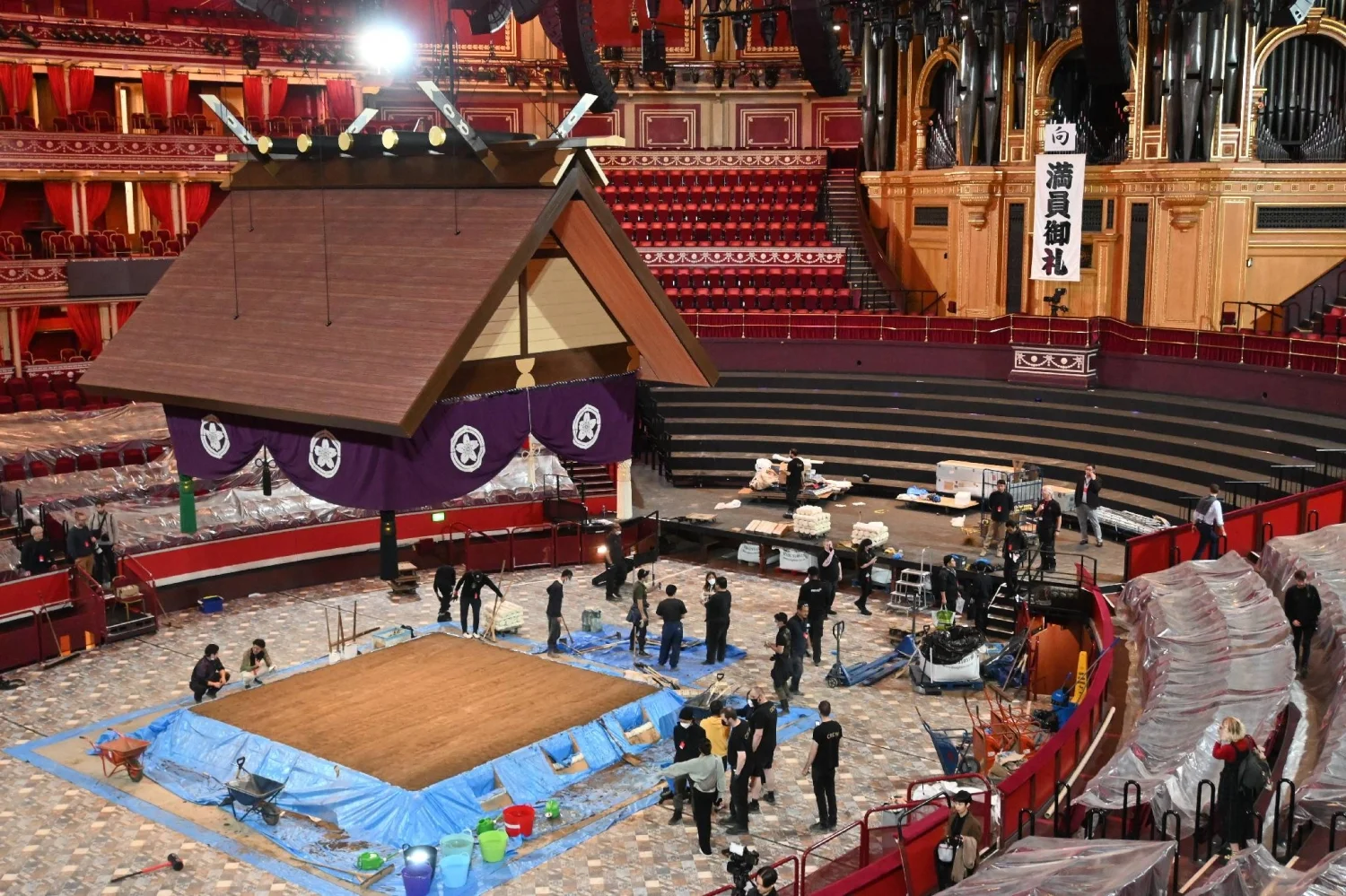
Sumo, a collision-based sport, is making a significant impact in London with the Japan Sumo Association's first overseas event since 2013, marking a major European exhibition after over three decades.
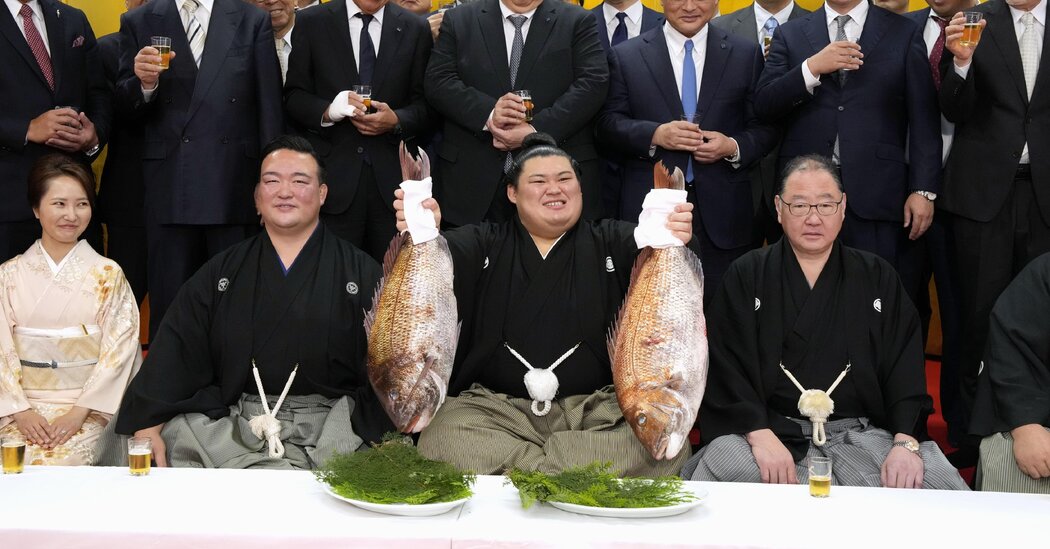
Onosato Daiki has become the first Japanese sumo grand champion (yokozuna) in eight years, ending a period of Mongolian dominance in the sport. His rapid rise to the top, achieved after just 13 tournaments, marks a significant moment for Japanese sumo, which is deeply rooted in tradition and culture. The rivalry with Mongolian wrestler Hoshoryu is expected to continue, highlighting the ongoing competition and cultural significance of sumo in Japan.
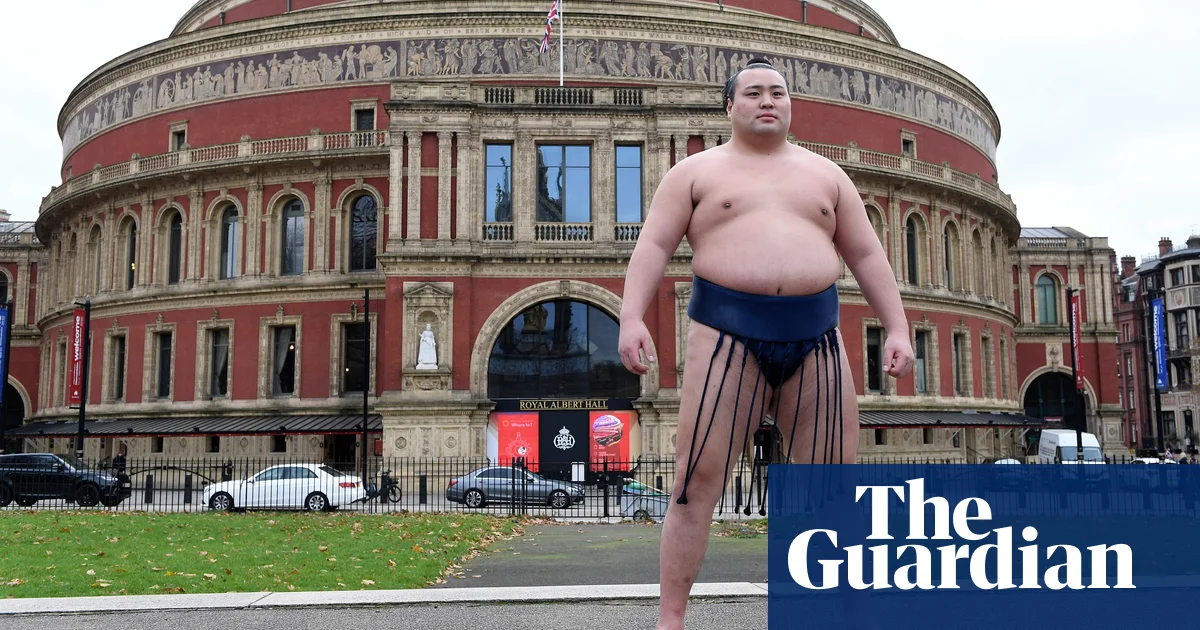
London's Royal Albert Hall will host a professional Sumo wrestling event in October 2025, marking only the second time such an event has been held outside Japan. The Grand Sumo Tournament, organized in partnership with the Japan Sumo Association, will feature 40 top wrestlers from Japan. The event aims to bring the authentic cultural and ceremonial aspects of Sumo to a global audience, following a 34-year gap since the last overseas tournament in 1991 at the same venue.
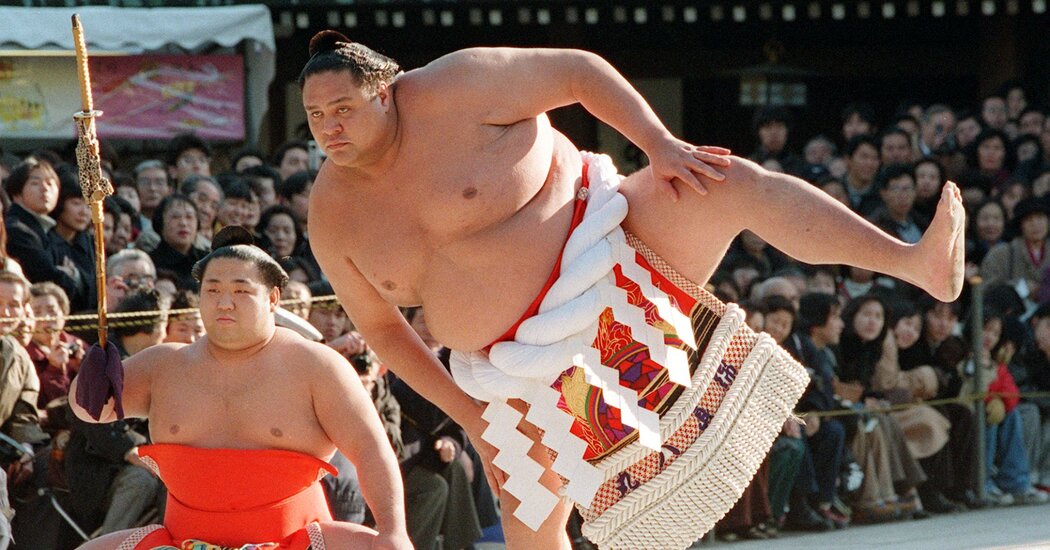
Taro Akebono, the first foreign-born sumo grand champion, has passed away at the age of 54 in Tokyo. Born in Hawaii, he achieved the title of yokozuna in 1993 and went on to win 11 grand championships, contributing to a resurgence in the sport's popularity. A towering figure at 6-foot-8 and 466 pounds, Akebono's success set the stage for an era when foreign-born wrestlers dominated Japan's national sport, and his rivalry with Japanese champions Takanohana and Wakanohana was a major driver of sumo's renewed popularity in the 1990s.
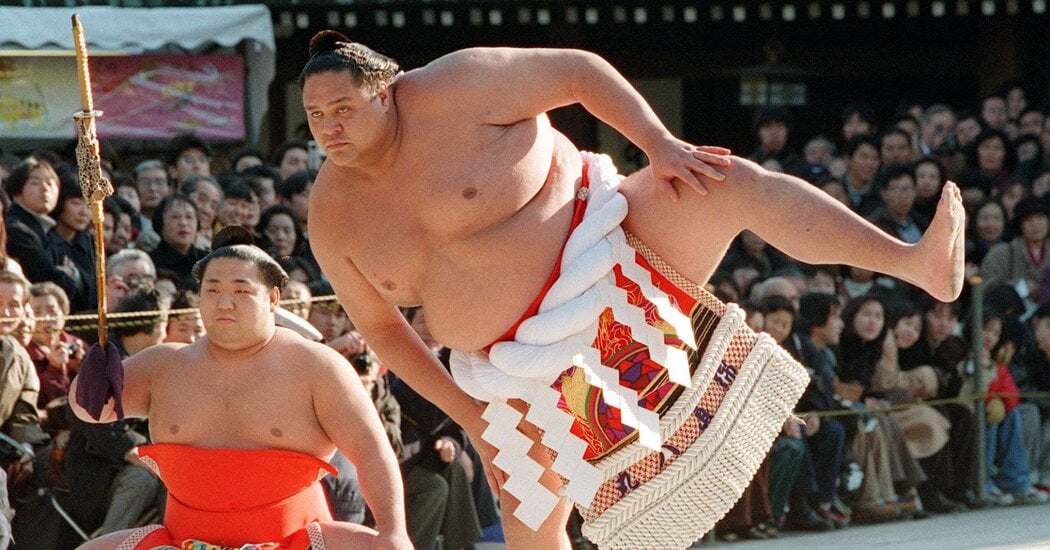
Taro Akebono, the first foreign-born sumo grand champion in Japan, has passed away at the age of 54. Born Chad George Ha’aheo Rowan in Hawaii, he achieved the title of yokozuna in 1993 and won a total of 11 grand championships, paving the way for other foreign wrestlers in the sport. He died of heart failure while receiving care at a hospital in Tokyo, and is survived by his wife, a daughter, and two sons.

Scientists at Oklahoma State University have found that cellular repair systems respond to microgravity, which could help them better understand the effects of space flight on the human body. The researchers focused on SUMO, small proteins that attach to and modify other proteins in cells, and found that it plays a key role in cellular adaptation to microgravity stress. The study identified 37 proteins that physically interacted with SUMO, including those involved in DNA damage repair, energy and protein production, and maintaining cell shape and division.

Scientists have discovered that a protein modifier called "small ubiquitin-like modifier" or "SUMO" can help cells adapt to microgravity in artificially simulated circumstances. The discovery could help protect astronauts from the adverse health risks associated with long-term space missions. The team will now attempt to discover if the lack of this SUMO modification in selected proteins can actually be harmful to cells exposed to microgravity.