Tag

Suezcanal

All articles tagged with #suezcanal

world-news-business2 years ago

"Escalating Red Sea Tensions: Navigating the Threat of Houthi Attacks on Maritime Trade"

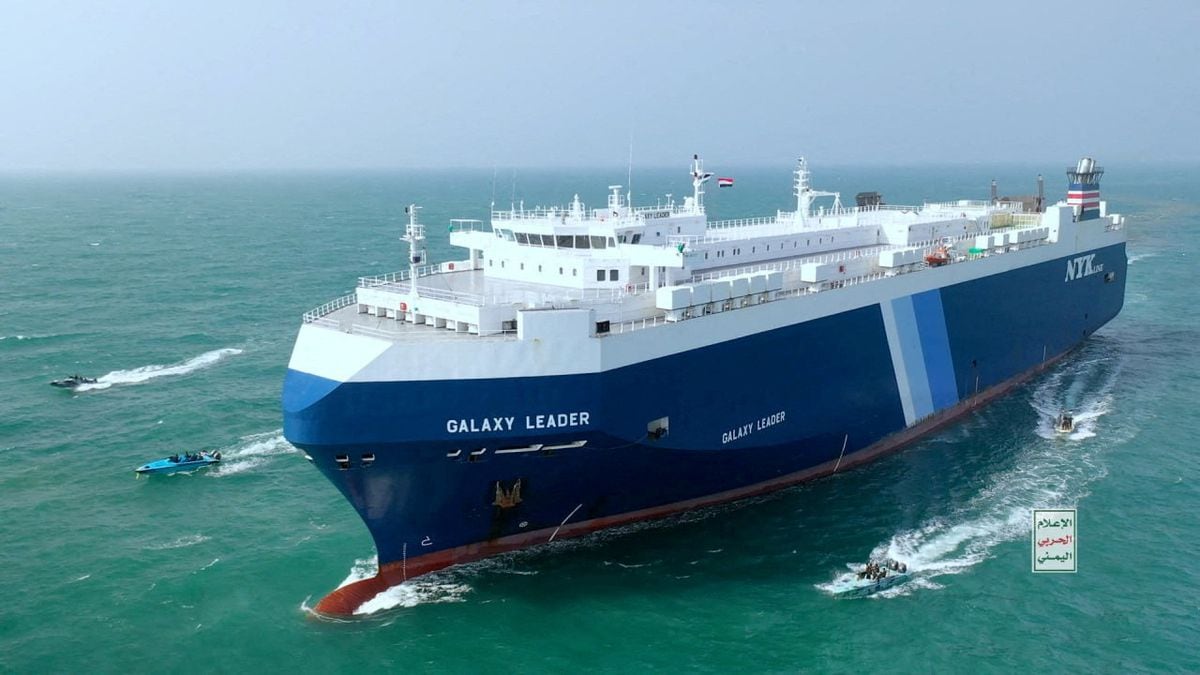
Shipping companies are facing a dilemma due to attacks by Houthi militia on vessels in the Red Sea, with the choice of risking these attacks or taking a longer, more costly route around Africa. This situation has led to increased insurance premiums and could result in higher consumer prices for goods. Some companies have already altered their routes, and the industry is bracing for potential impacts on the global supply chain, especially with the upcoming Lunar New Year export surge. The U.S. has initiated a multinational operation to protect ships in the Red Sea, but the threat persists, and the Panama Canal's reduced capacity due to drought is further complicating shipping routes.
world-business2 years ago

"Rising Red Sea Risks Prompt Maersk Reroute, Surge in Shipping Costs"

Oil tanker operators are facing a dilemma due to attacks by Houthi rebels in the Red Sea: risk the dangerous passage or face financial losses. Despite the threats, global oil reserves have kept prices stable, and the industry is adapting by rerouting some tankers or sending cargoes to Asia. A U.S.-led coalition is increasing naval presence to ensure safe passage through the Suez Canal, which remains a key route for oil to European markets. The market remains unshaken by these events, with the perception that there is sufficient oil and natural gas supply to counter any disruptions.

business-and-economy2 years ago

"Shipping Firms Face Tough Decisions Amid Rising Red Sea Tensions and Warnings"

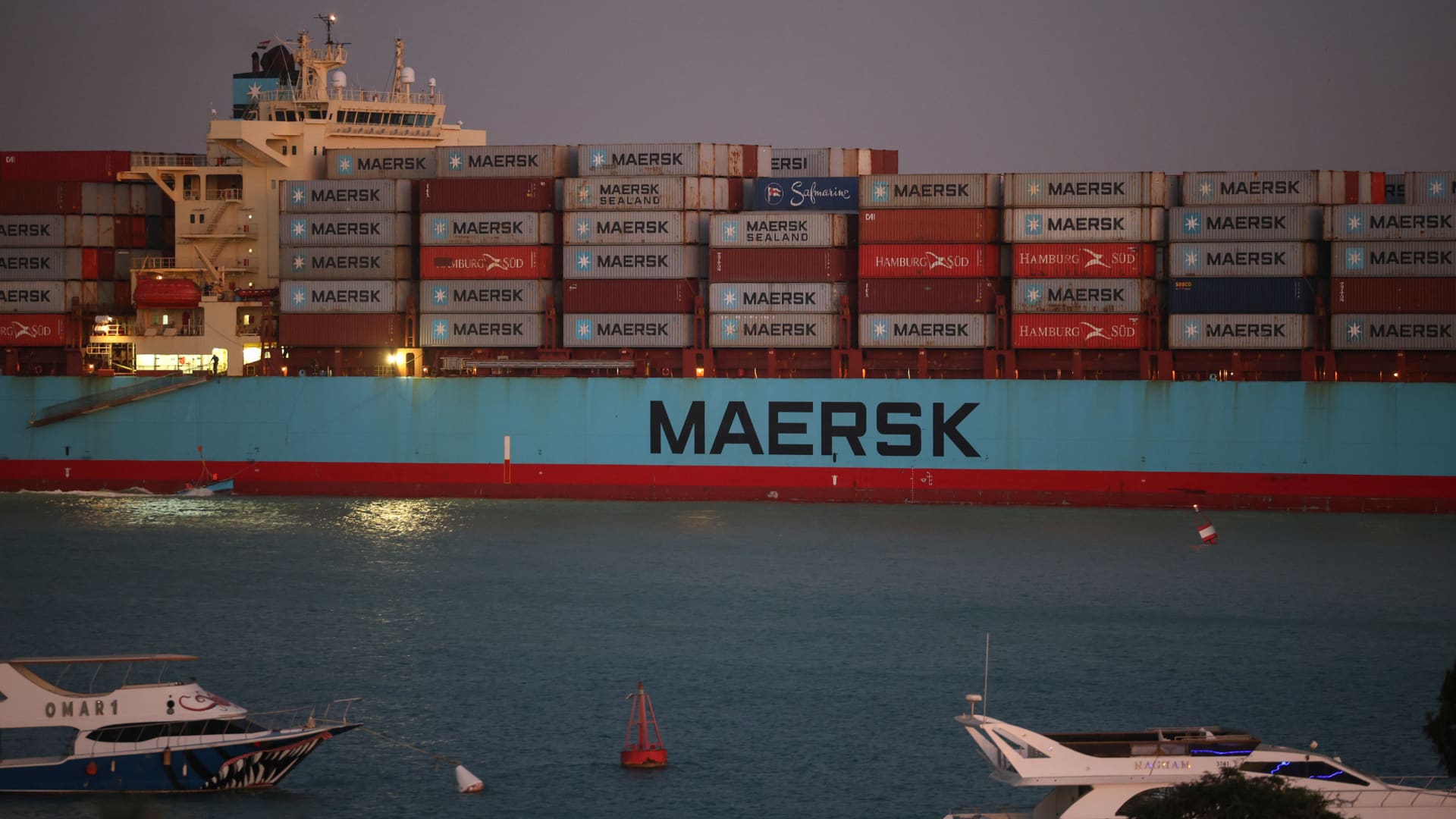
Maersk, a leading container shipping company, has decided to reroute its vessels around Africa, bypassing the Red Sea and the Suez Canal due to ongoing Houthi attacks in the region. This decision, aimed at ensuring the safety of their ships and crew, will result in longer journey times and increased shipping costs due to the additional distance, fuel, and crew time required. The rerouting comes after a series of attacks on commercial vessels in the area, despite a multinational operation led by the United States to protect maritime trade. The Red Sea is a critical trade route, accounting for about 12 percent of global trade.

world-news-economy2 years ago

"Red Sea Turmoil Escalates as Shipping Costs Surge Amid Persistent Attacks"

Yemeni Houthi rebels' attacks on merchant ships in the Red Sea have led to a significant disruption in world trade, with shipping costs soaring by 170% as major lines reroute around South Africa to avoid the Gulf of Aden. This shift has caused freight rates to nearly triple and has resulted in a 25% reduction in commercial traffic through the Suez Canal, impacting global economic stability and threatening further inflationary pressures. Despite the challenges, experts believe the inflationary impact will be limited if the disruption is short-lived.

business-and-economy2 years ago

"Global Shipping Turmoil: Red Sea Tensions Propel Freight Costs and Rerouting Strategies"

Maersk has rerouted four of its container ships back to the Suez Canal and around Africa's Cape of Good Hope to avoid the risk of Houthi militant attacks in the Red Sea. This decision comes after disruptions in maritime trade and concerns over global inflation due to increased shipping rates. The rerouting involves additional costs and delays, with Maersk imposing surcharges to offset these. The Suez Canal is a critical maritime route, and diverting ships significantly increases fuel costs and journey times.

business-and-economy2 years ago

"Red Sea Tensions Escalate Shipping Costs and Threaten Global Economy"

Container shipping spot rates between Asia, Europe, and the US have surged due to reduced capacity from threats in the Red Sea, with prices for a 40-foot container from Asia to northern Europe jumping 173% to over $4,000. The increase is a result of diversions from the Suez Canal to avoid missile strikes by Yemen's Houthi militants, leading to a 28% decrease in Suez transits and higher shipping costs. This situation is affecting not only container shipping but also oil tanker markets, with earnings for ships hauling refined fuels significantly rising. The ongoing conflict and threats in the Middle East have the potential to keep spot rates high and impact long-term contract negotiations for cargo owners.

businessworld-news2 years ago

"Global Shipping Turmoil: Red Sea Tensions Drive Freight Costs and Tanker Rates Higher"

Despite increased attacks by Iran-backed Houthi rebels, tanker traffic through the Red Sea and Suez Canal remains steady, with freight rates on some routes experiencing a significant rise. Some operators, like BP and Equinor, have rerouted their ships to avoid the area, while others are selectively sending vessels through these "red hot" zones, leading to a surge in tanker rates due to the perceived risks.

business-and-economy2 years ago

"Red Sea Tensions Trigger Surge in Shipping and Air Cargo Rates"

Ocean freight rates have surged after a missile attack and attempted hijacking by Yemen-based Houthi militants on a Maersk ship in the Red Sea, leading to a suspension of transits through this crucial route to the Suez Canal. The attacks have caused shipping reroutes around Africa's Cape of Good Hope, significantly increasing transit times and costs, although rates remain below the pandemic peaks of 2021. The Suez Canal is a major trade artery, and the disruptions are affecting global shipping, with Asia-to-Europe and Asia-to-North America rates experiencing substantial hikes.

economy-and-business2 years ago

"Red Sea Unrest Triggers Global Shipping Disruptions and Economic Concerns"

Attacks on ships in the Red Sea by Iran-backed Houthi militants have led to significant diversions in global trade routes, causing ocean freight rates to soar and raising concerns about inflation and delays in the delivery of goods. To avoid the conflict zone, carriers have rerouted more than $200 billion in trade, leading to longer shipping times and higher costs. Freight rates from Asia to Europe and the Mediterranean have more than doubled, and the U.S. and other nations have issued warnings about the consequences of continued threats to shipping. The disruptions may lead to a return of supply chain pressures that contributed to inflation in 2022, and central banks may have to 'look through' the inflation these issues cause. The crisis has also led to increased use of West Coast ports and land-freight services in the U.S., potentially benefiting railroad and trucking companies.

world-news-business2 years ago

"Maersk Suspends Red Sea Navigation, Mulls Future Steps Following Attacks"

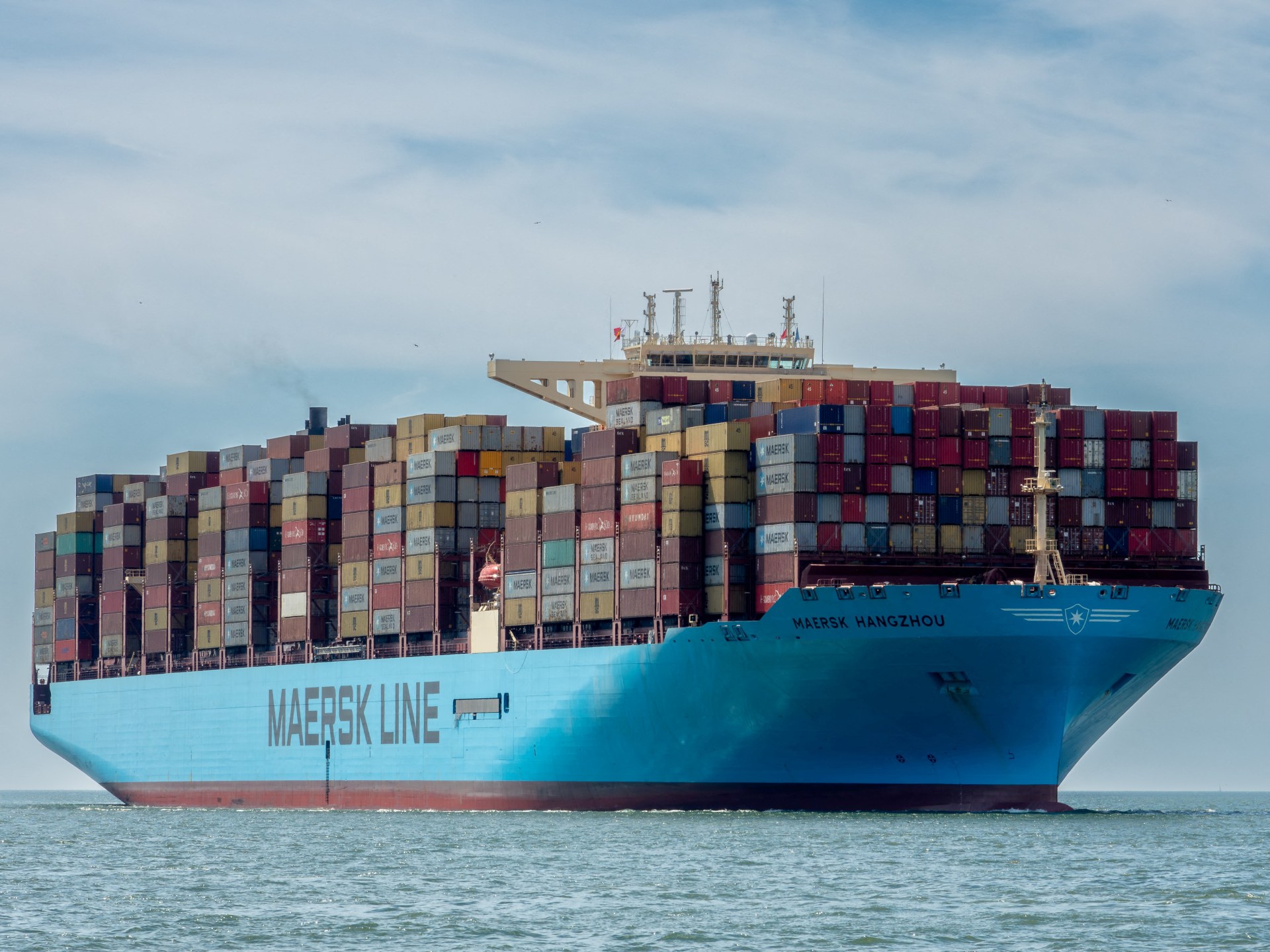
Maersk is set to decide on Tuesday whether to continue using the Suez Canal for Red Sea routes or to reroute ships around Africa after a Houthi militant attack on the Maersk Hangzhou. The company temporarily halted Red Sea sailings and is monitoring the situation closely, with over 30 vessels affected. Rival company Hapag-Lloyd has already extended its diversion of Red Sea routes until January 9th. The Suez Canal is a critical shipping lane, and diverting around Africa can add significant costs to shipping companies.

business-and-economy2 years ago

"Shipping Giants Grapple with Red Sea Dilemma Amid Rising Houthi Attacks"

Maersk is set to decide on Tuesday whether to continue using the Suez Canal route through the Red Sea or to reroute ships around Africa after a Houthi militant attack on the Maersk Hangzhou. The attack prompted a 48-hour pause in Red Sea sailings and affected over 30 Maersk vessels. The U.S. military intervened during the incident, and the affected ship is now near the Suez Canal. The decision will impact maritime trade, as the Suez Canal is a key passage for global container ship cargo, and rerouting around Africa significantly increases costs and travel time.

world-news2 years ago

"US and Allies Respond to Houthi Maritime Threats in Red Sea"

Houthi militants in Yemen launched an attack on a Maersk container ship in the Red Sea, leading the shipping giant to suspend its sailings through the area for 48 hours. The vessel, Maersk Hangzhou, was targeted with missiles and small boats but remained maneuverable and the crew was unharmed. The attack is part of a series of disruptions affecting maritime trade through the strategic Suez Canal, prompting some ships to take longer routes around Africa. The U.S. has initiated Operation Prosperity Guardian to protect shipping in the region, but participation from allies has been tepid. In response to the attacks, which are seen as supported by Iran, British Foreign Secretary David Cameron has called on Iran to help stop the Houthi actions that threaten global trade and safety.