
"Red Sea Unrest Triggers Global Shipping Disruptions and Economic Concerns"
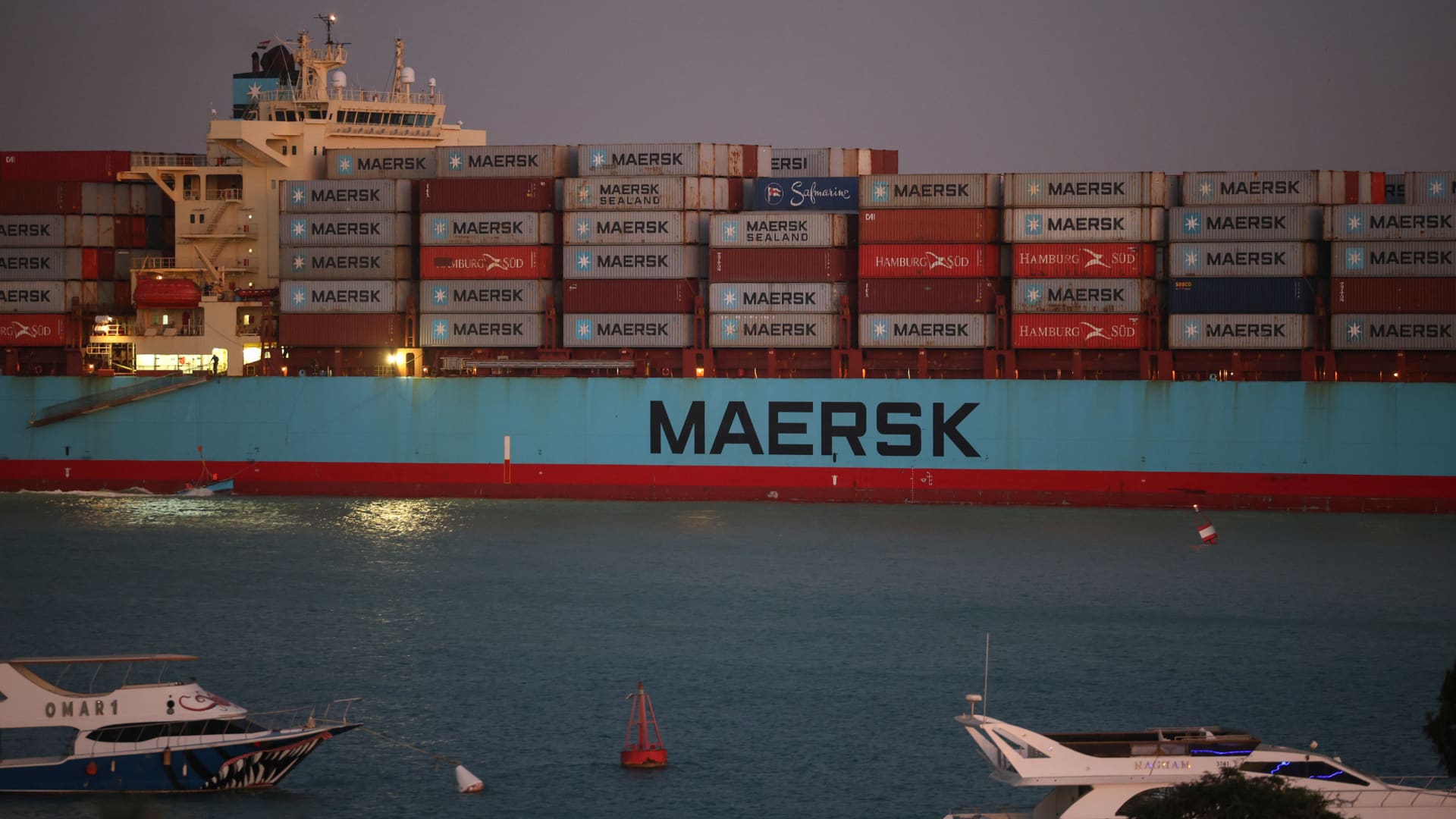
Attacks on ships in the Red Sea by Iran-backed Houthi militants have led to significant diversions in global trade routes, causing ocean freight rates to soar and raising concerns about inflation and delays in the delivery of goods. To avoid the conflict zone, carriers have rerouted more than $200 billion in trade, leading to longer shipping times and higher costs. Freight rates from Asia to Europe and the Mediterranean have more than doubled, and the U.S. and other nations have issued warnings about the consequences of continued threats to shipping. The disruptions may lead to a return of supply chain pressures that contributed to inflation in 2022, and central banks may have to 'look through' the inflation these issues cause. The crisis has also led to increased use of West Coast ports and land-freight services in the U.S., potentially benefiting railroad and trucking companies.
- Red Sea crisis boosts shipping costs, delays – and inflation worries CNBC
- Ocean cargo rates climb after new Red Sea ship attacks Reuters
- White House warns Red Sea turmoil could hit US economy FreightWaves
- Red Sea conflict sees air cargo demand rise Air Cargo News
- Asia-Europe ocean rates hit 14-month high after Red Sea attack on Maersk ship JOC.com
Reading Insights
0
10
5 min
vs 6 min read
88%
1,168 → 144 words
Want the full story? Read the original article
Read on CNBC