A large study involving over 9 million adults from South Korea and the US found that 99% of heart attacks and strokes are linked to four modifiable risk factors: high blood pressure, high cholesterol, high blood sugar, and tobacco use, emphasizing the importance of managing these risks to prevent serious cardiovascular events.
A large study involving over 9 million adults from South Korea and the US found that 99% of heart attacks and strokes are linked to four modifiable risk factors: high blood pressure, high cholesterol, high blood sugar, and smoking, emphasizing the importance of managing these risks to prevent serious cardiovascular events.

A study published in the Journal of the American College of Cardiology found that over 99% of heart attacks and strokes are preceded by identifiable warning signs and risk factors, emphasizing the importance of early detection and lifestyle changes for prevention.
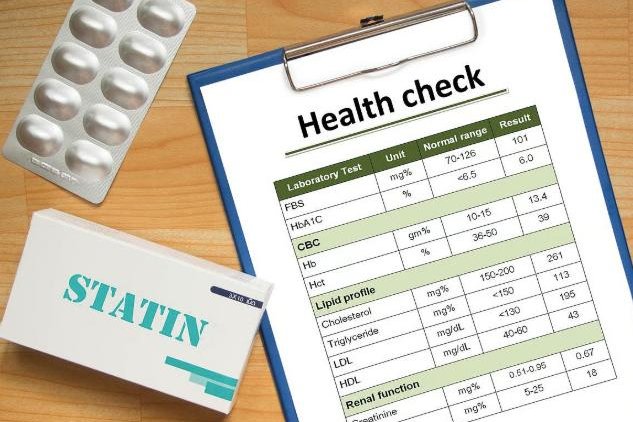
A study suggests that if more Americans eligible for statins took them, over 139,000 heart attacks, strokes, and related deaths could be prevented annually, highlighting gaps in healthcare and the potential for significant public health improvements.
New research suggests that nontraditional risk factors such as migraines, blood clotting disorders, kidney failure, and autoimmune diseases are significantly associated with the incidence of strokes in adults younger than 45. Migraines were found to be the most important nontraditional risk factor, contributing to a significant percentage of strokes in both men and women in this age group. The study emphasizes the importance of considering nontraditional risk factors alongside traditional ones in understanding and preventing strokes among young adults.
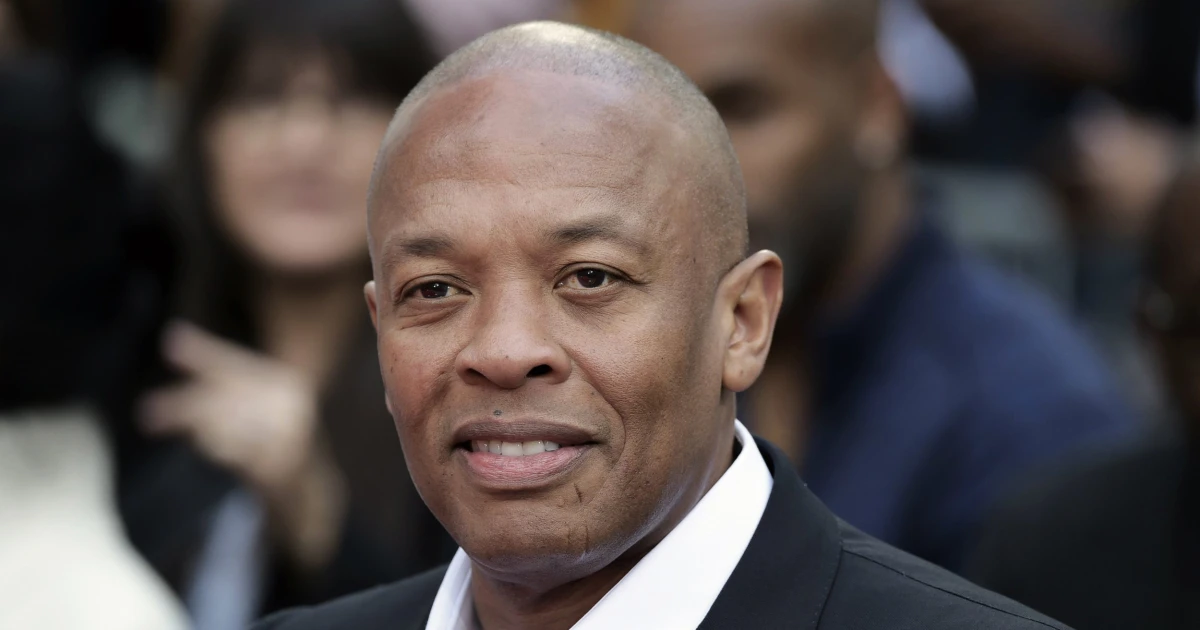
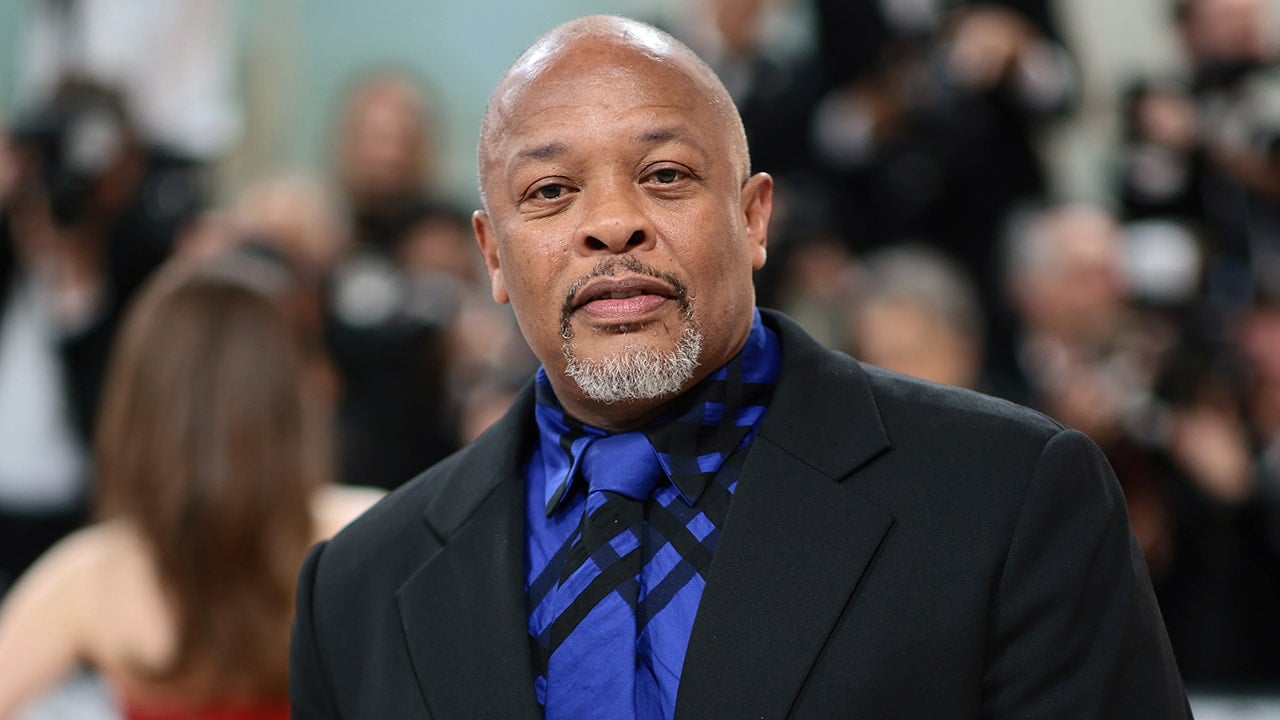
Hip-hop icon Dr. Dre revealed that he's had three strokes since suffering from a brain aneurysm in 2021, attributing high blood pressure as a possible cause, but expressed his determination to stay healthy and appreciate life more. Despite his health challenges, he is set to be honored with a star on the Hollywood Walk of Fame, recognizing his significant contributions to music and popular culture.
Dr. Dre revealed that he suffered three strokes while hospitalized for a brain aneurysm three years ago, despite maintaining a healthy lifestyle. The hip-hop icon, whose real name is Andre Young, shared his experience on SiriusXM's "This Life of Mine with James Corden," emphasizing the unpredictability of health issues. Dre expressed gratitude for being alive and thanked his family, friends, and fans for their support.
Hip-hop icon Dr. Dre revealed that he suffered three strokes while hospitalized for a brain aneurysm three years ago, despite maintaining a healthy lifestyle. The experience made him appreciate being alive and realize the hereditary nature of his condition. Dre, whose real name is Andre Young, is a music producer and entrepreneur known for his work with N.W.A., Snoop Dogg, Eminem, The Game, and Kendrick Lamar. He is set to receive a star on the Hollywood Walk of Fame.
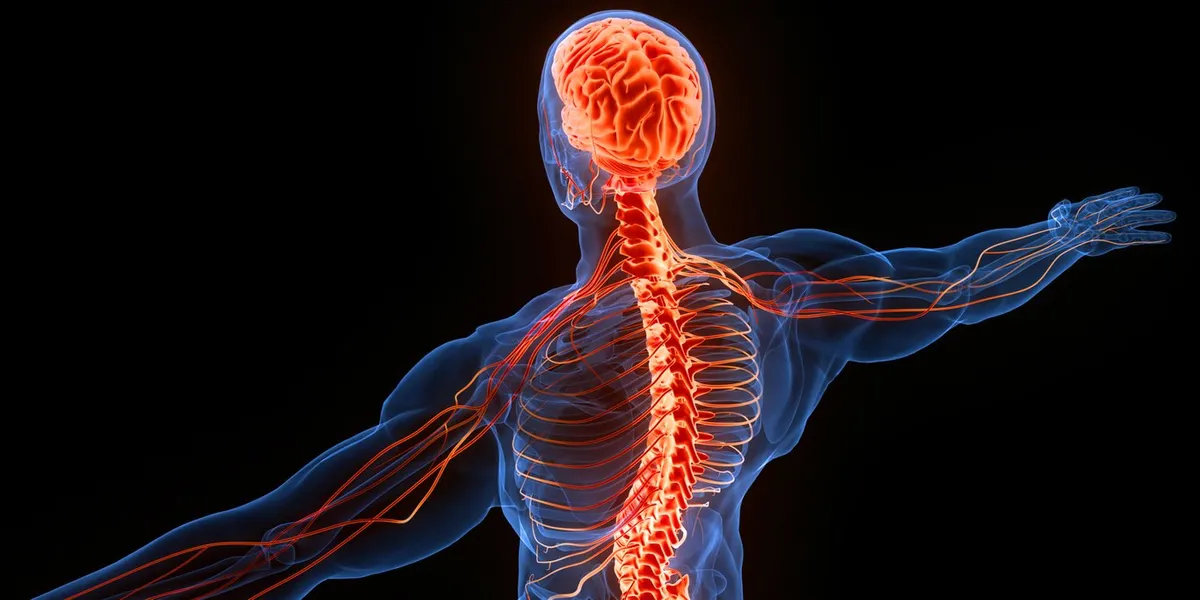
A major US study has confirmed that neurological conditions, including strokes, migraines, and dementia, have become the leading cause of ill health globally, surpassing heart disease for the first time. The analysis, conducted by the Institute for Health Metrics and Evaluation, found that over 3.4 billion people, or 43% of the world's population, experienced a neurological condition in 2021, marking a 59% increase over the last three decades. Stroke emerged as the worst neurological condition, accounting for 160 million years of healthy life lost.
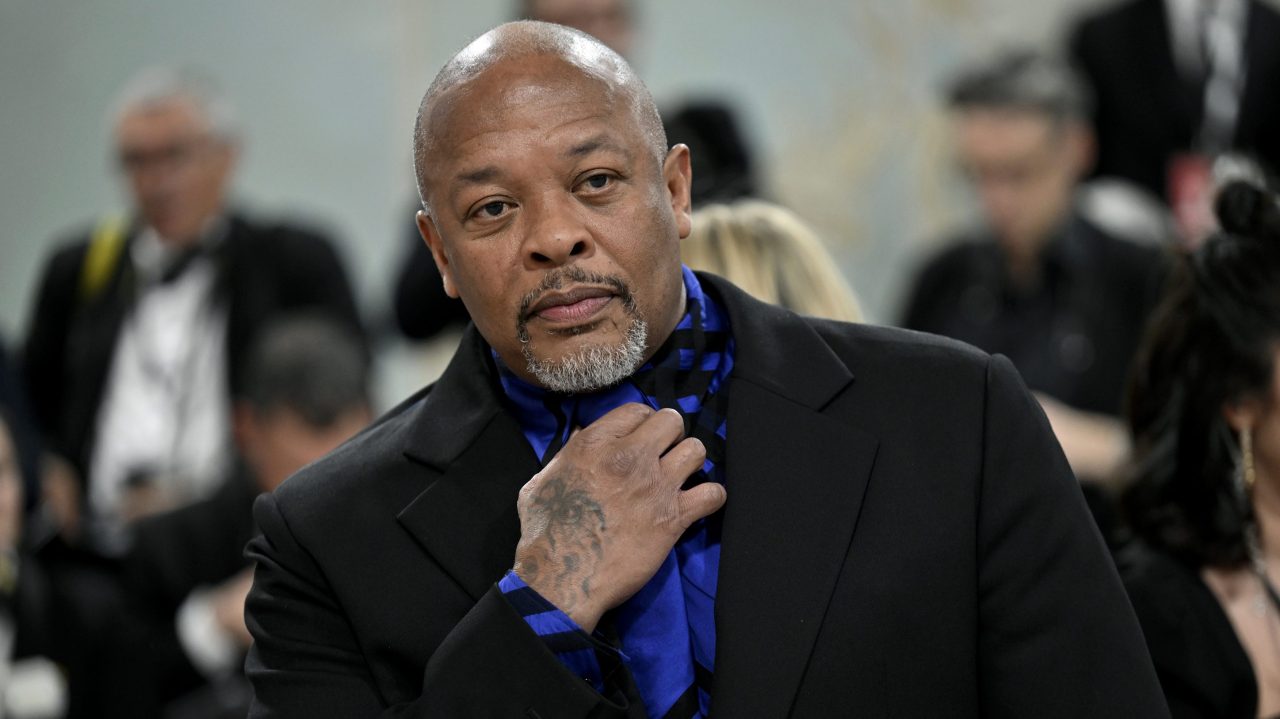
Dr. Dre revealed that he suffered three strokes following a brain aneurysm in January 2021, recalling the ordeal during a recent podcast appearance. Despite regularly exercising, he was unaware of his high blood pressure, which is often dubbed the "silent killer" in Black men. The health scare didn't prompt significant lifestyle changes, but Dre emphasized how it made him appreciate life more. He is set to receive a star on the Hollywood Walk of Fame next to Snoop Dogg's.
Rapper and music mogul Dr. Dre, who recently suffered a brain aneurysm, revealed that he experienced three strokes during his hospitalization and was unaware of his high blood pressure, which doctors informed him is hereditary and commonly detected in Black men. Dre expressed gratitude for being alive and emphasized the unpredictability of health issues, highlighting the importance of appreciating life.
Dr. Dre revealed that he suffered three strokes during his hospitalization for a brain aneurysm in 2021, sharing the experience on SiriusXM's "This Life of Mine with James Corden." He recounted feeling the worst pain he had ever experienced and eventually blacking out before ending up in the ICU for two weeks. Despite maintaining physical fitness, he was unaware of his high blood pressure, which doctors attributed to hereditary factors common in Black men. Dre emphasized the unpredictability of health issues and expressed gratitude for being alive after the ordeal.
Dr. Dre revealed that he suffered three strokes while being treated for a brain aneurysm at Cedars-Sinai Medical Center in 2021. He recounted waking up with severe pain behind his right ear and eventually blacking out, leading to a two-week stay in the ICU. Despite maintaining physical fitness, he was unaware of his high blood pressure, which doctors attributed to hereditary factors common in Black men. Dre emphasized the importance of appreciating life and the unpredictability of health challenges.
Dr. Dre revealed that he suffered three strokes following a brain aneurysm in 2021, emphasizing the importance of appreciating life. He recounted waking up with severe pain behind his right ear and eventually blacking out, leading to a two-week hospitalization. Despite maintaining a healthy lifestyle, he was unaware of his high blood pressure, highlighting the silent danger it poses, particularly for Black men. Dre expressed gratitude for the medical care he received and stressed the need for regular health check-ups.
Dr. Dre revealed that he suffered three strokes following a brain aneurysm in 2021, recalling waking up with a strange sensation behind his right ear that developed into "the worst pain." Despite being on top of his health, he had no idea he had high blood pressure, which is often called the silent killer in Black men. The experience has made him appreciate being alive and emphasizes the importance of regular health check-ups.