In 2025, Hollywood experienced a tumultuous year marked by industry mergers, shifting box office dynamics, the rise of AI-generated performers, culture wars over fashion and language, and significant political and social upheavals, reflecting a year of chaos, innovation, and transformation.
Warner Bros. Discovery CEO David Zaslav criticizes the current TV landscape as a 'terrible consumer experience' due to too many choices and platform confusion, while highlighting HBO Max's growth and plans to raise prices and address password sharing. The company is also splitting into two entities, with Zaslav overseeing Warner Bros. and Wiedenfels managing Discovery, set to complete by April 2026.
Walmart is entering the streaming service competition by offering its members a choice between Peacock and Paramount+ as part of its Walmart+ membership, aiming to challenge Amazon Prime Video and expand its entertainment offerings amid the growing video streaming market projected to reach $416.8 billion by 2030.
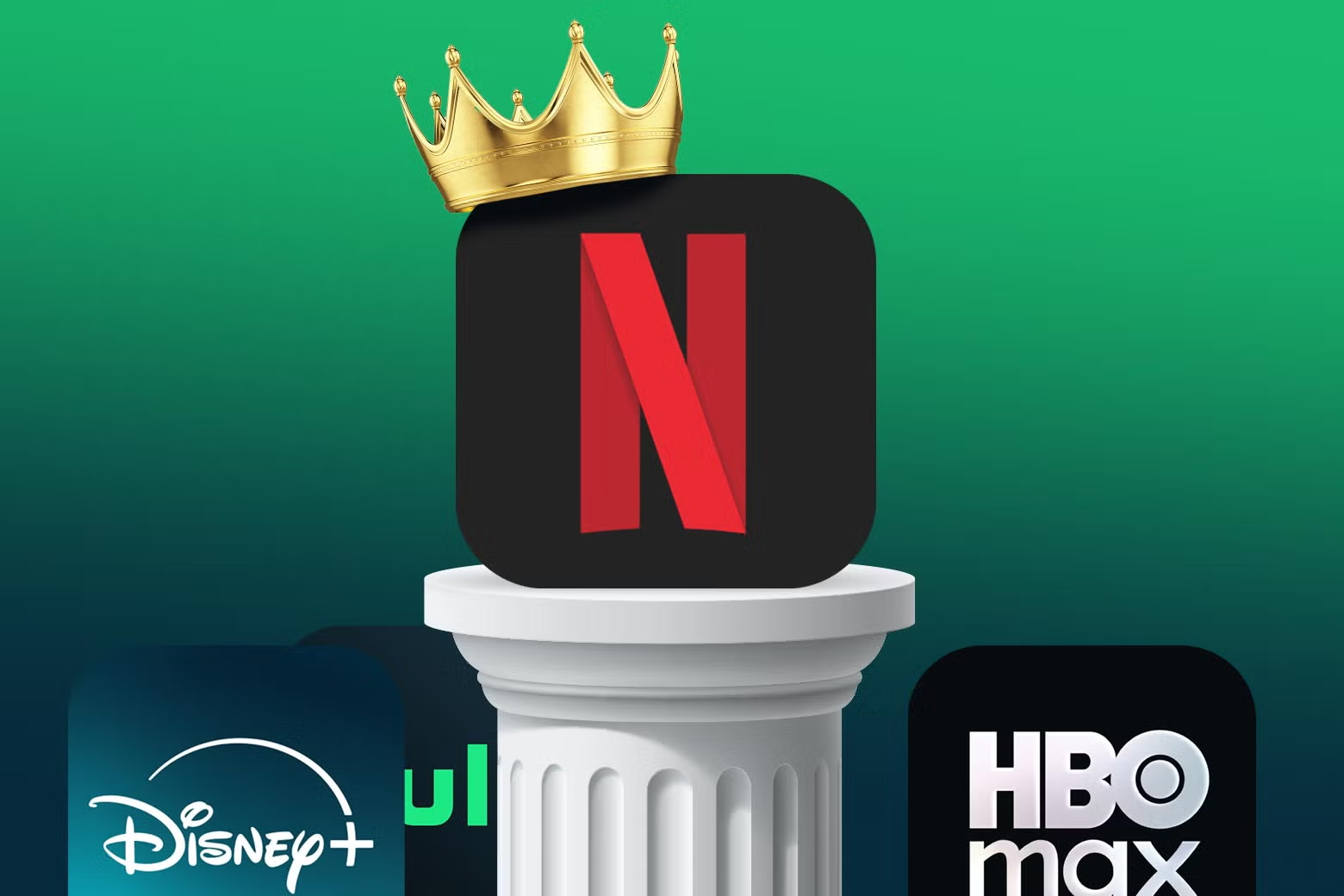
Disney is phasing out Hulu's standalone app and integrating it into Disney+ to strengthen its streaming ecosystem, following a deal to buy out NBCUniversal's stake. This move reflects Disney's broader strategy to centralize its brands, compete more aggressively with Netflix, and ensure its properties dominate the streaming landscape, including plans to merge Hulu with live TV services and enhance ESPN's sports offerings. The industry is shifting towards more territorial, brand-centric streaming services, with major players consolidating their content and technology to secure their market positions.
Netflix and YouTube are engaged in a fierce battle for dominance over the television market, marking a shift from Netflix's earlier denial of direct competition from platforms like YouTube.
Taylor Sheridan is expanding the Yellowstone universe with a new spinoff series featuring characters from the original Dutton clan, following the series finale. The new show, led by Kelly Reilly and Cole Hauser, will continue the Dutton family saga and is part of Sheridan's broader strategy to dominate TV slots. This move allows Paramount+ to maintain control over the series, bypassing the original's exclusive deal with Peacock, highlighting the ongoing streaming wars.
Netflix is set to release its first quarter earnings, and shareholders are keeping an eye on the stock market reaction, the financial impact of the ad-tier business, and the effectiveness of the crackdown on password sharing, with hopes of a significant increase in net additions.
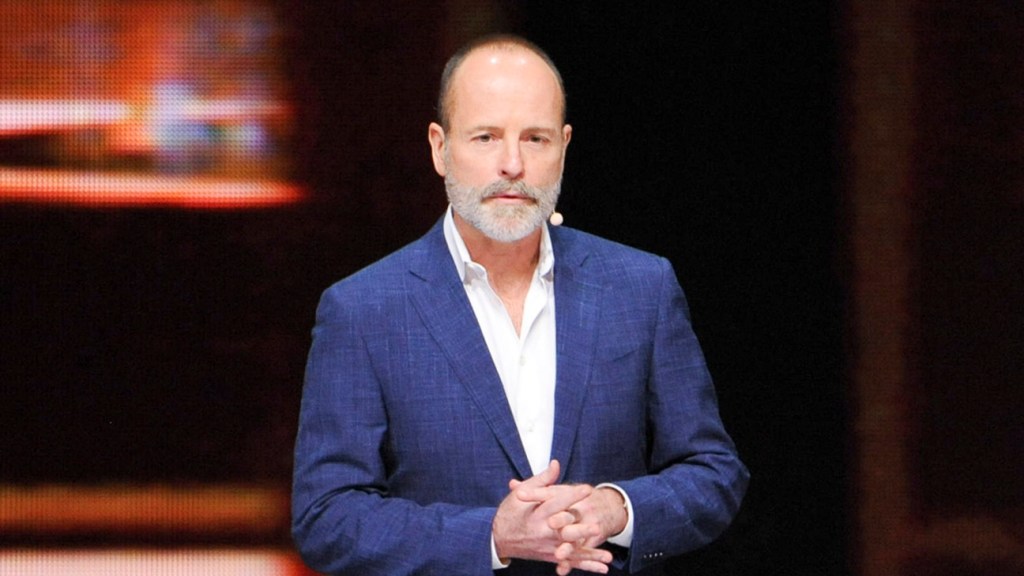
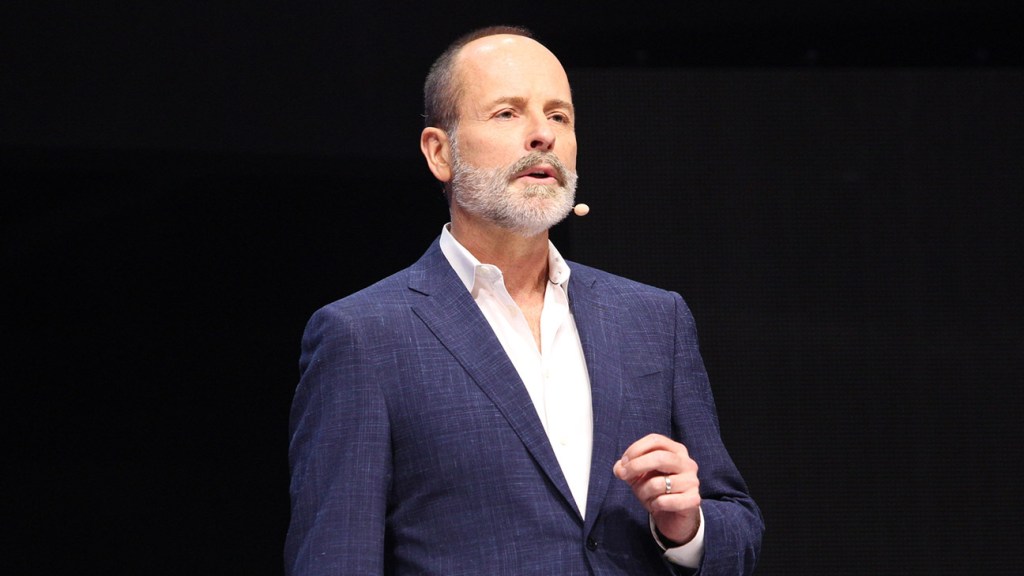
FX CEO John Landgraf attributes the decline in scripted TV series to Netflix's shift to profitability, leading to a contraction in the industry. He predicts that a stabilization of successful streamers at a profitable level is needed to stop the contraction, with only a few major players likely to succeed. Landgraf emphasizes the importance of engagement metrics for streaming services and expresses uncertainty about the future of the industry. He also discusses the potential for FX to continue investing in closed-ended limited series and the creator-driven nature of TV show lifespans.
FX CEO John Landgraf, marking 20 years at the network, predicts further declines in scripted originals for 2024 and emphasizes that the industry has entered a "Peaked TV" era. He declines to crown Netflix the winner of the streaming wars, expressing Disney's commitment to compete and win. Landgraf also discusses FX's 2024 lineup, including the return of Emmy darling The Bear, and emphasizes the network's shift to serving as a brand contributor under Disney's umbrella.
Netflix's decision to spend $5 billion on WWE rights over the next ten years is seen as a strategic move to strengthen its position in the global streaming market and combat subscriber churn. The acquisition of international rights for WWE content, including live shows and pay-per-views, is expected to attract and retain a diverse audience. Additionally, the shift towards sports rights reflects a broader trend in the streaming industry, with other platforms also pursuing similar deals. Meanwhile, director Doug Liman is boycotting the premiere of his film, "Road House," due to its straight-to-streaming release, emphasizing the importance of movie theaters.
Netflix will stream all six seasons of HBO's Sex and the City in early April, marking the first time the show will be available on the platform. The deal forms part of a content agreement made with HBO parent company Warner Bros. Discovery last July. Netflix's acquisition of the series highlights its dominance in the streaming wars, with major studios allowing the platform to show their major releases. However, Netflix will not have the Sex and The City movies or the spin-off series, And Just Like That. The show's third season is set for a 2025 release, and fans are eagerly anticipating the return of the beloved characters.
All six seasons of HBO's iconic show "Sex and the City" will be available for streaming on Netflix in April as part of a co-exclusive deal with HBO Max, marking a significant move in the streaming wars. This licensing agreement is part of a broader content deal between Warner Bros. Discovery and Netflix. While Netflix will have the original series, it will not include the movies or the current sequel series "And Just Like That." This move reflects a strategic shift in the industry as media companies acknowledge the global reach and scale of Netflix in streaming.
Despite reporting blowout earnings and exceeding subscriber expectations, Netflix's stock was downgraded by Deutsche Bank analyst Bryan Kraft, who believes that the company's leadership position is already fully priced into the stock at current levels. Other analysts, however, maintained upbeat views, with some raising their price targets and emphasizing Netflix's continued growth potential, particularly in ad-supported video on demand and international expansion. While Kraft downgraded the stock to hold from buy, he raised his price target, while other analysts expressed confidence in Netflix's position in the streaming wars and its ability to drive higher subscriber growth and revenue.
As Netflix continues to dominate the streaming industry, it faces burning questions at the start of 2024 regarding its ad-supported subscription tier, investments in live programming and video games, and the potential slowdown in original content production. The company's fourth-quarter earnings report will provide insights into these areas, including the impact of its ad tier, the success of live programming and video game investments, and the strategy behind its original programming amid a decline in new releases and an increase in borrowed content from competitors.