
Woman Injured in Rabid Cat Attack in Lynchburg
A stray cat in Lynchburg tested positive for rabies after attacking a woman, prompting health officials to advise those potentially exposed to seek medical advice and contact local health authorities.

All articles tagged with #stray cat
A stray cat in Lynchburg tested positive for rabies after attacking a woman, prompting health officials to advise those potentially exposed to seek medical advice and contact local health authorities.

A Petersburg man suffered over a dozen puncture wounds to both arms after being attacked by a stray cat for the second time on his porch. He received rabies shots and treatment for infection following the recent attack, and is now advocating for the cat to be captured and removed from the area due to concerns for the safety of others, especially children in the neighborhood. Petersburg Animal Control has set out a trap in an effort to capture the cat.

A stray cat in the North Country has tested positive for rabies, prompting officials to issue a warning about potential spread of the disease to other animals in Jefferson County. Residents are advised to avoid touching unknown animals and ensure their pets are up to date on rabies shots. A free rabies vaccine clinic is scheduled for March 21 in Watertown.
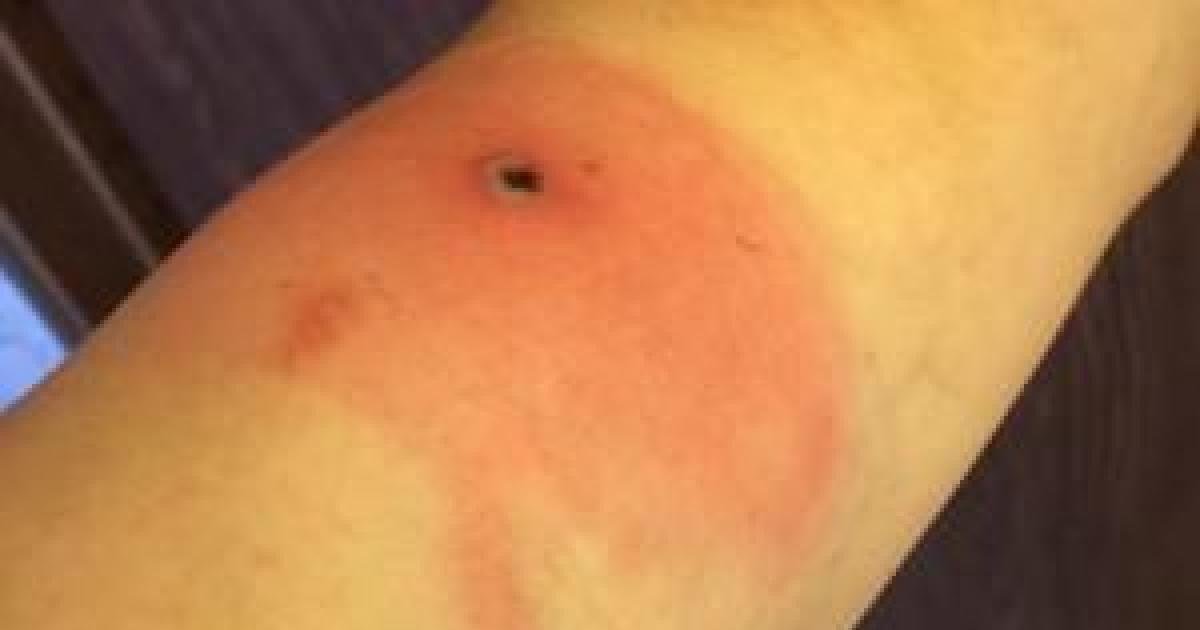
An elderly man in Alaska has become the first reported fatality from the Alaskapox virus, with potential exposure linked to a stray cat. The man, who lived in a remote area with a suppressed immune system due to cancer treatment, was hospitalized last November and died in late January. Alaskapox, related to smallpox and cowpox, can cause symptoms such as rash, swollen lymph nodes, and joint or muscle pain. The virus may be zoonotic, and health officials are urging caution for individuals with skin lesions potentially caused by Alaskapox. This incident highlights the importance of following federal health precautions when around wildlife to avoid potential infections.
An elderly man in Alaska died from Alaskapox, a type of orthopoxvirus likely contracted from an infected stray cat, making it the first reported fatality from the virus. Alaskapox is similar to other orthopoxviruses like monkeypox and smallpox, but its symptoms are typically less severe. The virus is spread by small mammals in Alaska, primarily voles, and has been linked to people living in wooded areas who have cared for pets in contact with these animals. While most cases result in mild symptoms, the virus can be more serious in immunocompromised individuals. The Alaska Department of Public Health recommends covering skin lesions caused by Alaskapox and avoiding sharing bedding or linens. The virus is not considered a major public health concern outside of Alaska at this time.

Debbie Sath adopted a three-legged stray cat named Princess Charming, who had lost a leg to cancer and was given a short time to live. Despite the odds, Princess Charming thrived in her new loving home, eventually beating cancer and living a happy, healthy life. Debbie's dedication and love, along with the advice to speak lovingly to her pet, contributed to the miraculous recovery, inspiring many others with the power of love and positivity.
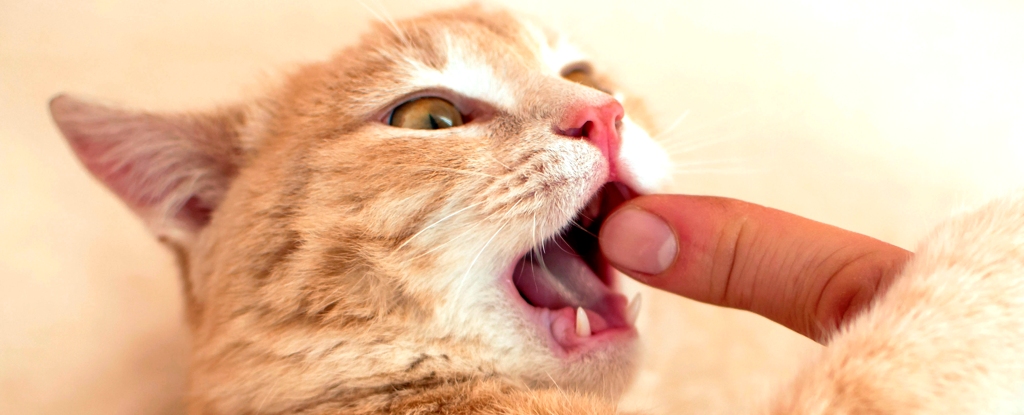
A 48-year-old man in the UK contracted a previously unknown species of bacterium after being bitten by a stray cat. The man's hands swelled severely, leading to hospitalization and surgical removal of damaged tissue. Analysis of the bacterium's genome revealed it to be a new strain belonging to the Globicatella genus. While this strain responded well to antibiotics, the case study highlights the potential for cats to harbor undiscovered bacterial species with human pathogenic potential. Cat bites and scratches can cause serious infections, necessitating immediate medical attention and proper wound care.

A man in the UK has become the first known person to contract a newly discovered bacteria from a stray cat's bite. The 48-year-old man developed a gnarly infection in his hands after being bitten multiple times by a feral cat. Despite initial treatment, his infection worsened, requiring surgical removal of dead tissue and intravenous antibiotics. The bacteria responsible for the infection was found to be a novel species of Globicatella, which showed reduced susceptibility to some antibiotics. This case serves as a cautionary tale, highlighting the potential dangers of cat bites and the need for immediate medical attention.
A delivery driver was followed by a stray cat in a parking lot and the cat clung to his leg, refusing to let go. The driver decided to bring the cat home with him, despite his family's initial hesitation. The cat, named Venus, quickly won over the family and now has a loving forever home. The heartwarming story serves as a reminder to treat all animals with kindness and respect.