Despite reaching a new all-time high, when adjusted for inflation, Bitcoin's current value is still lower than its previous peak in 2021. This challenges the notion of Bitcoin being a successful store of value. The U.S. dollar's inflation has impacted Bitcoin's purchasing power, but its recent rally and global acceptance indicate growing confidence in its longevity. Bitcoin's performance alongside physical gold and its capped supply of 21 million coins contribute to its perceived value, despite concerns about inflation and economic management.
Analysts note increased inflows into bitcoin exchange-traded funds (ETFs) and products, potentially posing a long-term threat to gold's status as the primary store-of-value. Data shows substantial net flows into global bitcoin ETFs, particularly in the U.S., while gold experiences net negative flows. This trend reinforces confidence in bitcoin's dual role as a 'risk-on' investment and a safe-haven asset, with expectations that bitcoin may disrupt gold as the prime store-of-value in the future.
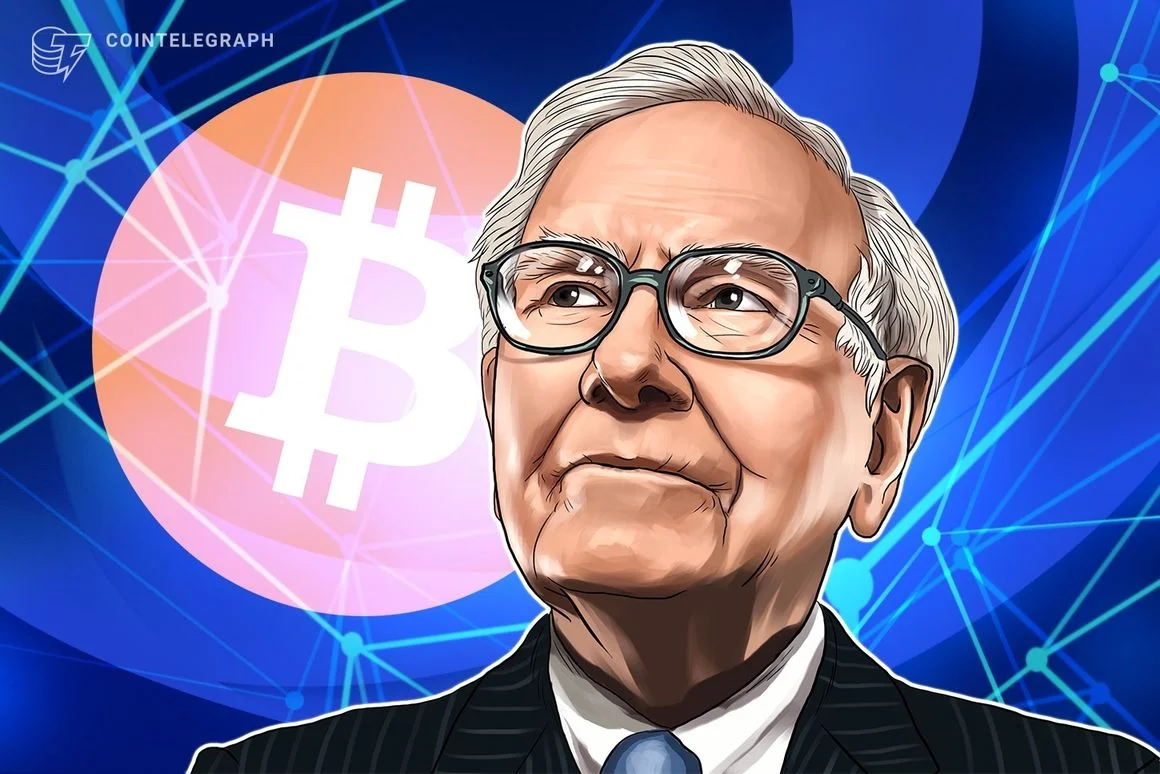
Warren Buffett's value investing strategy, focused on assets with strong earnings potential, is being compared to the performance of Bitcoin. While Buffett's approach emphasizes long-term investment in productive companies, Bitcoin has outperformed Berkshire Hathaway's stock holdings, with gains of 9,014% over a 4-year period. Buffett's substantial cash position raises questions about his reservations in deploying funds and whether investors may seek alternative forms of protection if inflation resurges. The consistent outperformance of Bitcoin suggests it is increasingly viewed as a viable alternative store of value, highlighting its untapped potential in the financial landscape.
With the possibility of BlackRock's Bitcoin ETF approval, the financial industry is looking for a simple story to tell about Bitcoin. While Bitcoin can be viewed as an uncorrelated asset, an inflation hedge, or a tool for financial inclusion, the industry is likely to gravitate towards the "digital gold" narrative, framing it as a long-term store of value. This framing may strengthen regulatory positions that curtail Bitcoin's usage growth, but the Bitcoin protocol is unstoppable and innovators will find ways to engage with Bitcoin use cases without being ensnared in regulatory binds.
Bitcoin's rally above $30,000 stalled on Tuesday, with the largest cryptocurrency up just 3.3% over the past 24 hours. Ether climbed above $2,100 for the second time in three days before dipping below the threshold and then rising again. Other major cryptos were solidly green, with ICP rising 15% and XRP up more than 3%. The rally is macro-driven and its ongoing strength will depend on liquidity, according to Kaiko senior research analyst Dessislava Aubert. Longer-term narratives, such as bitcoin's recent store-of-value story, matter but price depends on traders' shorter-range, often fickle sentiments.
Bitcoin has surged 50% this year, outperforming major stock indexes and commodities, despite the collapse of major crypto-focused banks. The recent rise is attributed to the failures of traditional banks, which have highlighted the power of decentralized currencies. Bitcoin is seen as a way for investors to protect themselves against central bank moves and is viewed as a store of value due to its finite supply. The stress on the financial sector could slow down the pace of rate hikes from the Fed, which could help risk assets, such as stocks and bitcoin.