

Tag

Stanforduniversity

All articles tagged with #stanforduniversity

health-and-medicine2 years ago

"Brain Zapping Technique Enhances Hypnotizability, Stanford Study Finds"

Researchers at Stanford University have discovered that electrical brain stimulation can make people more susceptible to hypnosis. By applying transcranial magnetic stimulation (TMS) to the prefrontal cortex, they found that participants with fibromyalgia became significantly easier to hypnotize, potentially improving the effectiveness of hypnosis as a treatment for chronic pain. The effect, however, was temporary, dissipating within an hour. This breakthrough could enhance pain management strategies for conditions like fibromyalgia, which affects millions of adults. The study's results were published in the journal Nature Mental Health.

science-and-health2 years ago

"Brain Zapping Technique Enhances Hypnotizability, Studies Show"

Stanford University researchers have discovered that non-invasive brain stimulation can temporarily increase a person's susceptibility to hypnosis. The study, which focused on patients with fibromyalgia, used transcranial magnetic stimulation (TMS) targeting specific brain areas linked to high hypnotizability. Results showed a temporary improvement in the ability to be hypnotized, which could potentially enhance the effectiveness of hypnosis as a treatment for various health conditions. This proof of concept opens the door for further research into making hypnosis a more viable and effective medical therapy.

health-and-medicine2 years ago

"Stanford Team Achieves Breakthrough in Breast Cancer Research"

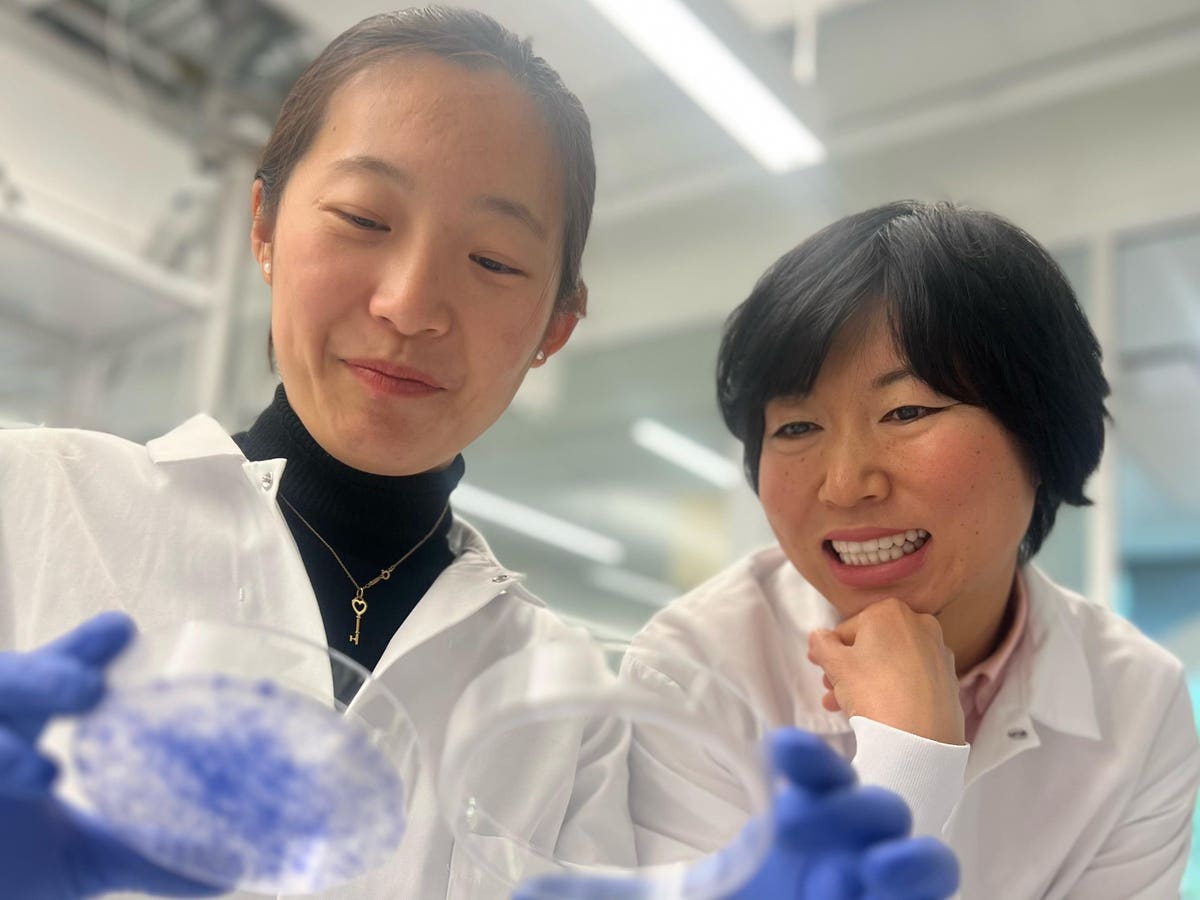
Stanford researchers, led by Dr. Lingyin Li, have published a study revealing the role of the enzyme ENPP1 in breast cancer progression. ENPP1 breaks down cGAMP, a molecule vital for activating the STING pathway in the immune system, which fights cancer. High levels of ENPP1 in tumors correlate with poor prognosis, while lower levels are associated with better responses to immunotherapy. The study suggests that targeting ENPP1 could enhance immunotherapy effectiveness and that ENPP1 levels could serve as a biomarker for treatment response. This breakthrough has significant implications for the development of new cancer treatments and has sparked interest among pharmaceutical companies in finding ENPP1 inhibitors.