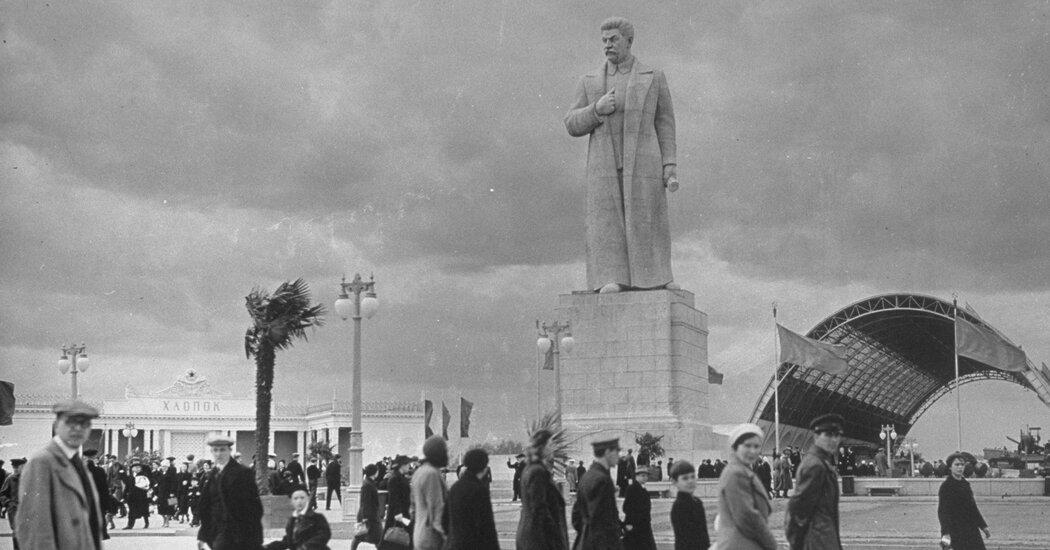
A new statue of Joseph Stalin has been installed in a Moscow subway station, sparking debate over Russia's historical memory and the country's recent trend of rehabilitating Stalin's image, with some viewing him as a national hero and others warning of the dangers of re-Stalinization.
Writers who were silenced during Stalin's regime are gaining renewed attention and appreciation amid the ongoing conflict in Ukraine. This resurgence highlights the enduring impact of censorship and the importance of preserving cultural and historical narratives.
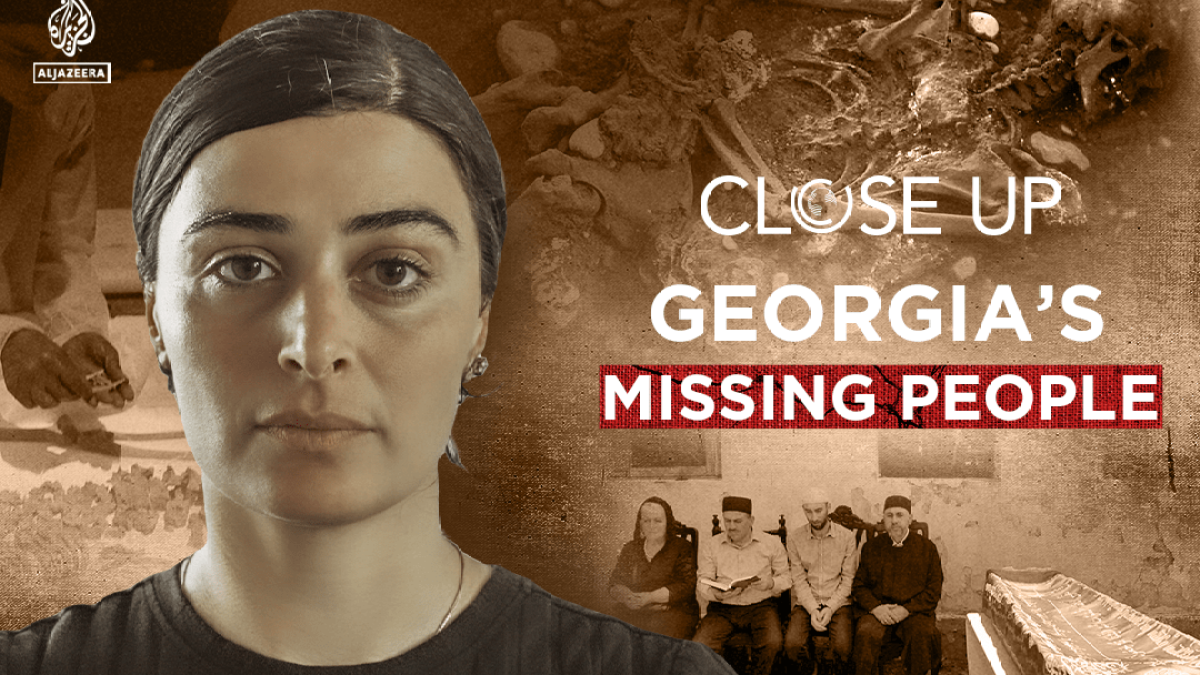
Georgians are working to uncover the truth about Stalin's mass executions during the Great Terror, with efforts to investigate and locate victims gaining momentum. Forensic experts and historians are identifying and analyzing skeletal remains from mass graves, aiming to bring closure to families of the victims. However, challenges such as limited resources and reluctance from the government hinder the progress in identifying and addressing the atrocities committed during the Soviet era.
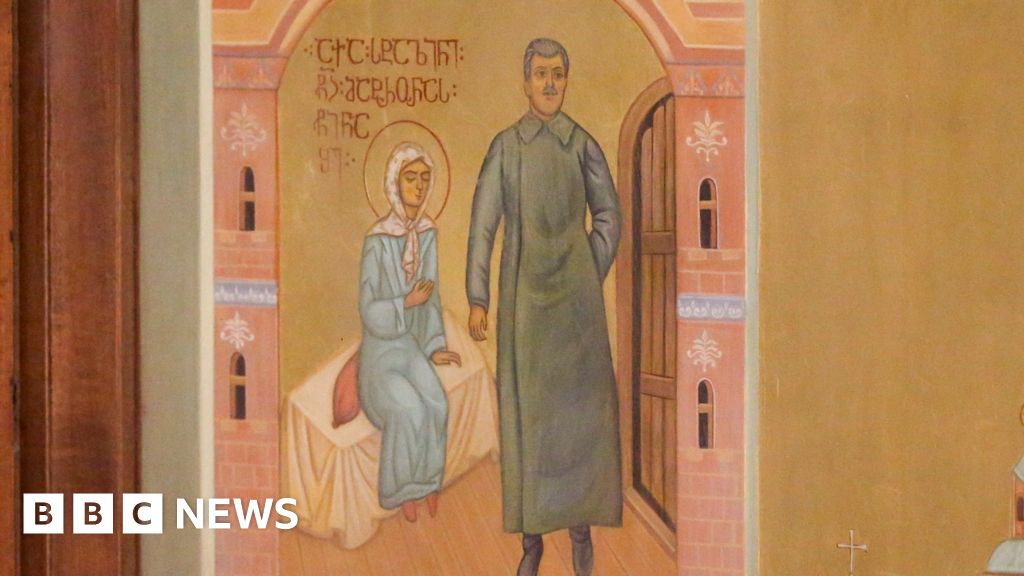
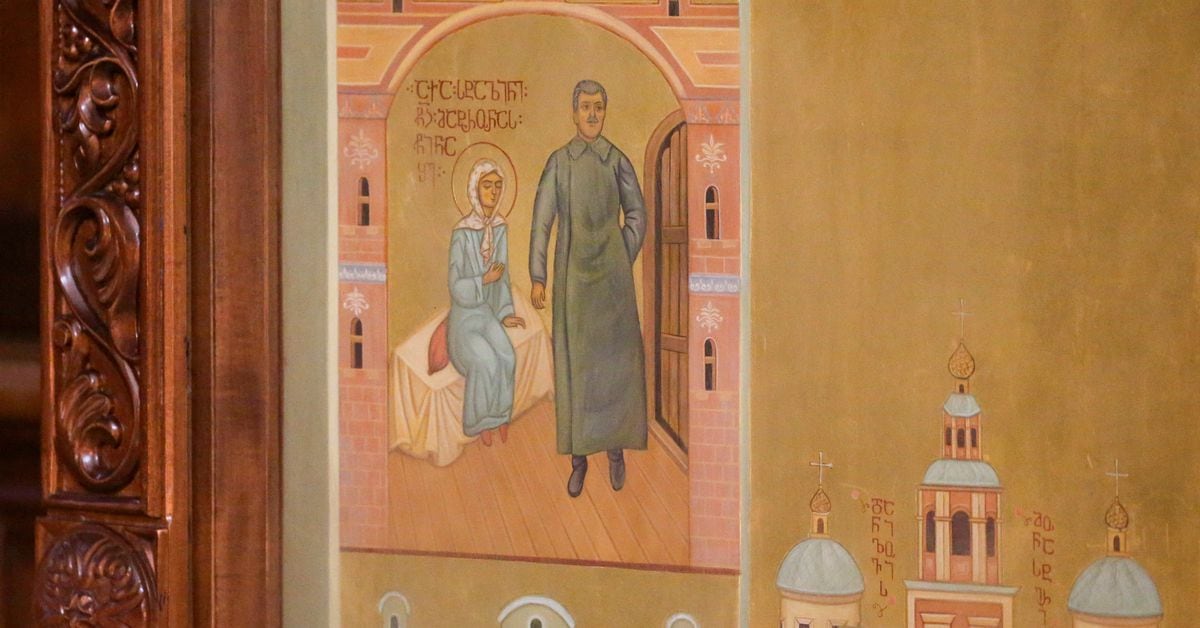
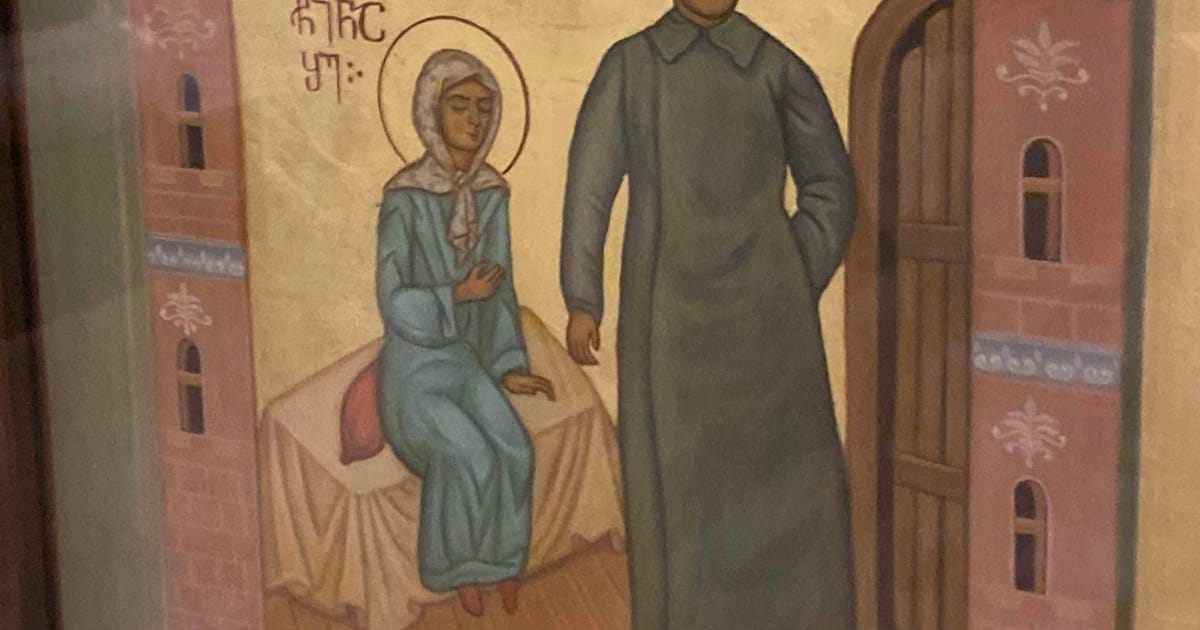
The Georgian Orthodox Church has called for changes to an icon in a Tbilisi cathedral depicting Soviet dictator Joseph Stalin being blessed by a Russian Orthodox saint, citing "insufficient evidence" of their meeting. The icon, gifted by a pro-Russian political party, has sparked controversy, with an activist recently spraying it with paint in protest. The Church emphasized that an icon can depict real stories related to the saint's life, but it does not mean glorifying or attributing dignity to the figures depicted. Stalin's complex legacy in Georgia reflects conflicting views, with some rejecting the Soviet legacy while others still view him with pride for his rise from humble origins.
An icon depicting Josef Stalin in Tbilisi's main cathedral was defaced with paint, exposing deep divisions in Georgia over the former Soviet dictator's legacy. Georgians remain split over Stalin's role, with some viewing him as a strong leader who brought prosperity and others condemning him as a bloodthirsty dictator responsible for millions of deaths. The defacing incident has sparked controversy and reignited debate over Stalin's place in Georgian history.
Far-right protesters in Georgia attempted to storm the home of a woman who allegedly defaced an icon featuring Soviet dictator Joseph Stalin at the main cathedral in Tbilisi, sparking uproar. The icon, donated by a pro-Russian conservative political party, depicts Stalin in a positive light, leading to calls for its removal by civil society organizations. The woman who defaced the icon received death threats and was besieged by a far-right group, prompting calls for stricter punishments for insulting religious buildings and objects.
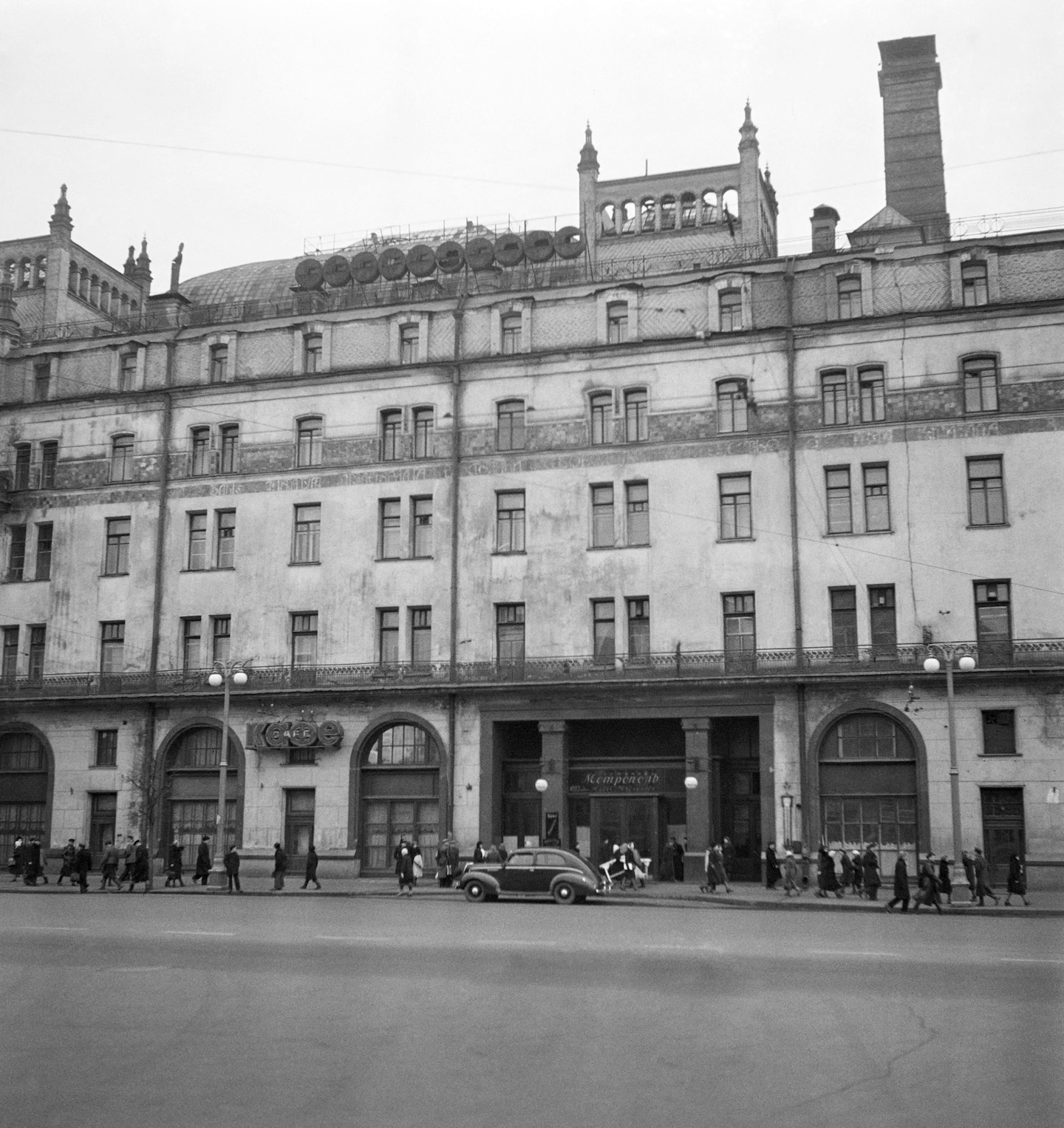
In "The Red Hotel: Moscow 1941, the Metropol Hotel, and the Untold Story of Stalin’s Propaganda War" by Alan Philps, the author explores how Western journalists stationed in Moscow during World War II were manipulated by Joseph Stalin's Soviet Union to manage Western public opinion. Confined to the Metropol Hotel, the journalists had limited access to information and relied on official statements and Soviet newspapers. Some interpreters, responsible for shaping the news in favor of Stalin, secretly helped journalists smuggle out the truth. The book raises questions about the interpretation of news in contemporary conflicts and highlights the value of truth, even though it may not always come out easily or without cost.
A new book titled "The Red Hotel" explores the lives of Western journalists based in Moscow during Stalin's reign and draws parallels to media relations in Russia today. The book reveals how foreign correspondents were tightly controlled by the Soviet government, with restrictions on travel, interviewing, and censorship. The journalists were used to perpetuate propaganda and cover up atrocities committed by the Soviets, such as the Ukrainian famine and the massacre of Polish officers. While there was a brief period of press freedom after the collapse of the Soviet Union, conditions for Western correspondents in Russia have deteriorated under Putin's regime, with increased restrictions and arrests of journalists. However, the author suggests that Russia's history shows a pendulum swing between autocracy and liberalization, leaving room for potential change in the future.