Square's parent company Block reported Q2 earnings that slightly missed expectations but saw improvements in key financial metrics like gross profit and EBITDA, leading to a nearly 6% stock increase. The company raised its 2025 gross profit outlook and highlighted growth in its banking and Cash App segments, despite some revenue decline and flat user numbers. Overall, strong financial performance and positive outlooks boosted investor confidence.
Square-parent Block reported third-quarter earnings that met expectations but missed on revenue, causing Square stock to fall over 2% in extended trading. The company reported adjusted earnings of 88 cents per share, matching analyst estimates, but revenue of $5.98 billion fell short of the expected $6.24 billion. Gross profit rose 19% to $2.25 billion, slightly above estimates, while EBITDA increased 69% to $807 million, surpassing projections. However, guidance for the fourth quarter and 2025 was weaker than anticipated, contributing to the stock's decline.
Block, formerly known as Square, saw its stock surge up to 14% in after-hours trading following the announcement of better-than-expected fourth-quarter earnings, with $5.77 billion in revenue and $2.03 billion in gross profit. The company, led by CEO Jack Dorsey, reported strong growth in its Square and Cash App businesses, with 56 million monthly transacting actives for Cash App in December and a 25% year-over-year rise in Cash App gross profit. Block also raised its adjusted EBITDA forecast and emphasized its focus on building a large network with an engaged customer base.
The author spent over $500 on a PlayStation 5 to play and review Final Fantasy VII Rebirth, but found it to be a mistake due to their waning interest in JRPGs. While acknowledging the game's visual appeal and improvements over the original, they struggled to connect with it and felt it didn't live up to their nostalgic expectations. The game offers a vast world to explore with various activities and quests, but the author ultimately found it difficult to recapture the sense of wonder they once had for the series.
PayPal Holdings has been downgraded by an Oppenheimer analyst due to concerns that profitability improvements from its push into the SMB market will take years, causing its stock to perform rather than outperform. Meanwhile, Square's parent company Block has seen a decline in early 2024 after a rally in late 2023. Square has also rolled out a new bitcoin digital wallet called Bitkey for Cash App users in 95 countries, which could potentially increase the use of their Cash App, especially among crypto users. The overall outlook for fintech stocks like PayPal and Square could improve if the U.S. economy avoids a recession in 2024.
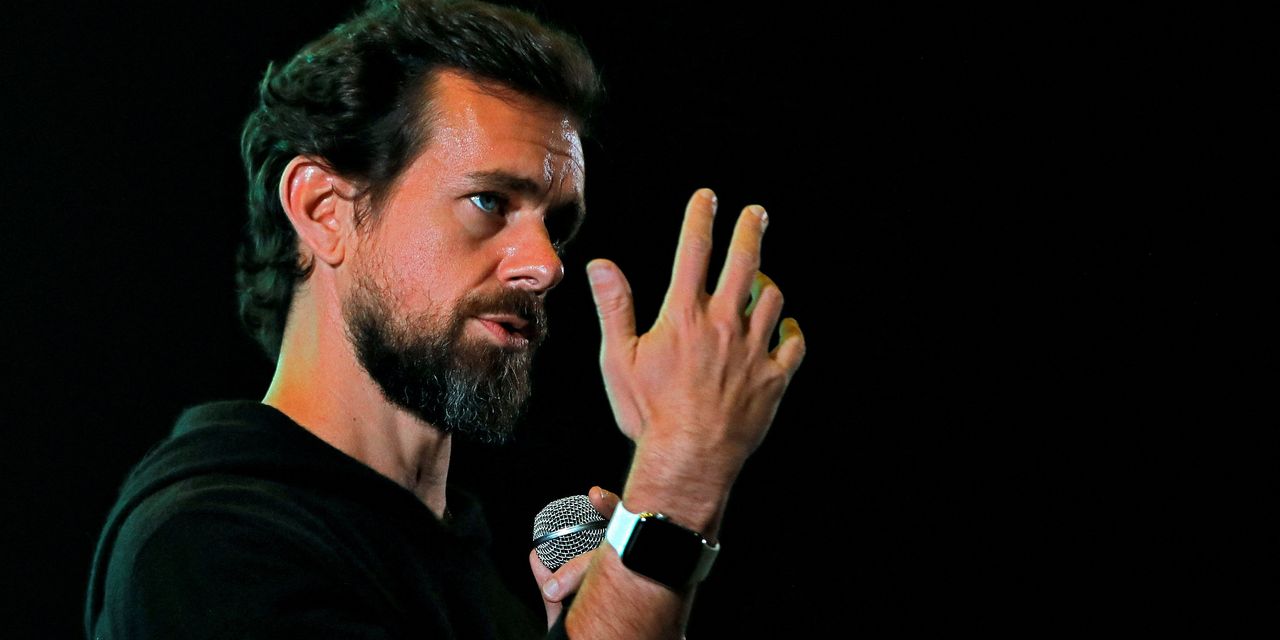
Jack Dorsey, CEO and founder of Block, has warned employees of upcoming job cuts as the company's growth has not kept pace with its number of employees. Block, which operates Square and Cash App, plans to reduce its headcount by about 10% in the coming months, bringing the number of employees down to around 12,000 by next year. The company will also implement a hiring cap until the growth of the business outpaces the growth of the company. Dorsey emphasized transparency and explained that the downsizing will be done through performance management and restructuring.
Five friends from UC Berkeley, including Shawn Tsao, co-founded the food delivery company Caviar in 2012. After their initial idea for a daily deals app failed, they pivoted to create a food delivery service focused on curating a list of top-notch restaurants that didn't offer delivery. Caviar quickly gained popularity and attracted investments from notable firms. In 2014, they sold the company to Square in an all-stock deal valued at over $100 million. Square later sold Caviar to DoorDash for $410 million. Tsao and his co-founders have since become angel investors and pursued other ventures.
Small businesses using Square, a financial services platform, experienced chaos and lost revenue due to an outage that affected sales processing, employee clock-ins, and money withdrawals. Users estimate losses ranging from $2,000 to $10,000, with some customers leaving without purchasing due to the inability to accept card payments. Square's offline mode partially worked for some businesses, but offline transactions were missing for others. Users expressed frustration at the lack of communication from Square and are seeking compensation and an apology. Some businesses are considering switching to alternative payment processors.
Block, the corporate name for Square, experienced outages that disrupted some of its services. As a result, Block's stock fell nearly 5% on Friday, marking its third consecutive day of declines and putting it on track for its lowest close since October.
Cash App and Square, owned by parent company Block, are experiencing outages that may cause delays in peer-to-peer payments, cash card purchases, and other transactions. As of Friday morning, there were nearly 1,500 reports of user issues with Square's app, website, and processing payments, and nearly 1,700 reports of fund transfer and payment issues for Cash App. Square is actively working on resolving the issues and some services are gradually regaining functionality.
Cash App users are experiencing a widespread outage, leaving them unable to access their money or log into their accounts. Cash App is aware of the issue and is investigating, advising users not to make any transactions or log out of their accounts. The popular point-of-sale app, Square, is also experiencing outage problems. Frustrated users are seeking answers and solutions to the ongoing issues.
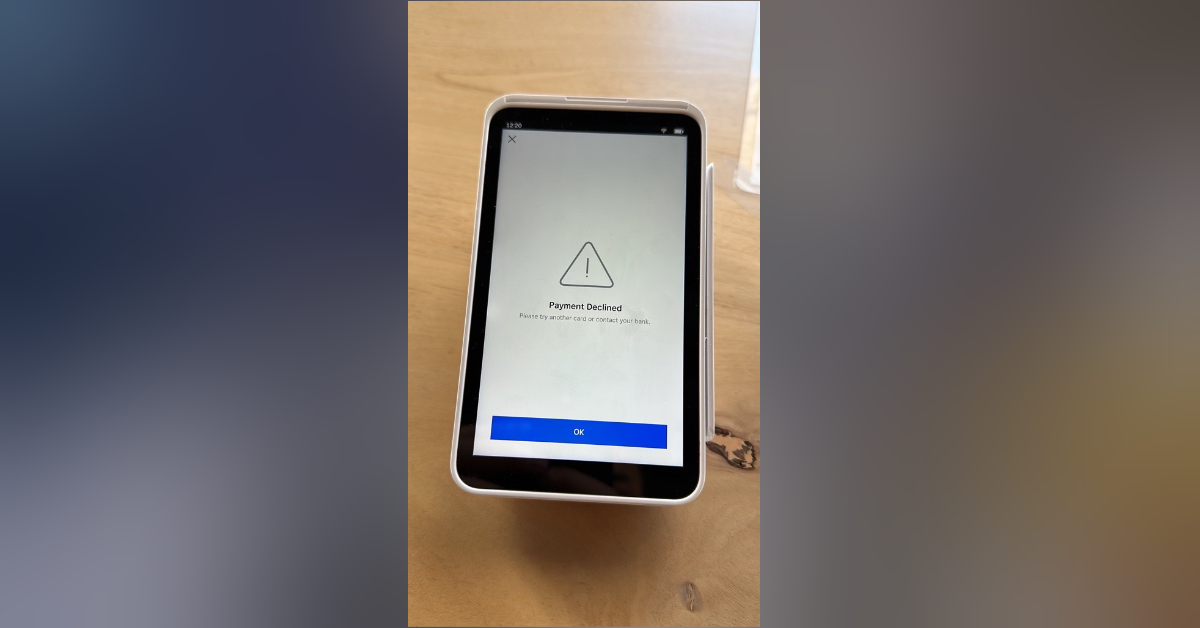
Square, the online payment platform, is experiencing a widespread outage, causing multiple service disruptions and impacting balance and transfers. Users across several markets have reported problems using the platform, with some stores only able to accept cash transactions. Square's engineering team is actively working on a fix, while its phone line remains down. The payment service Cash App is also reporting an outage.
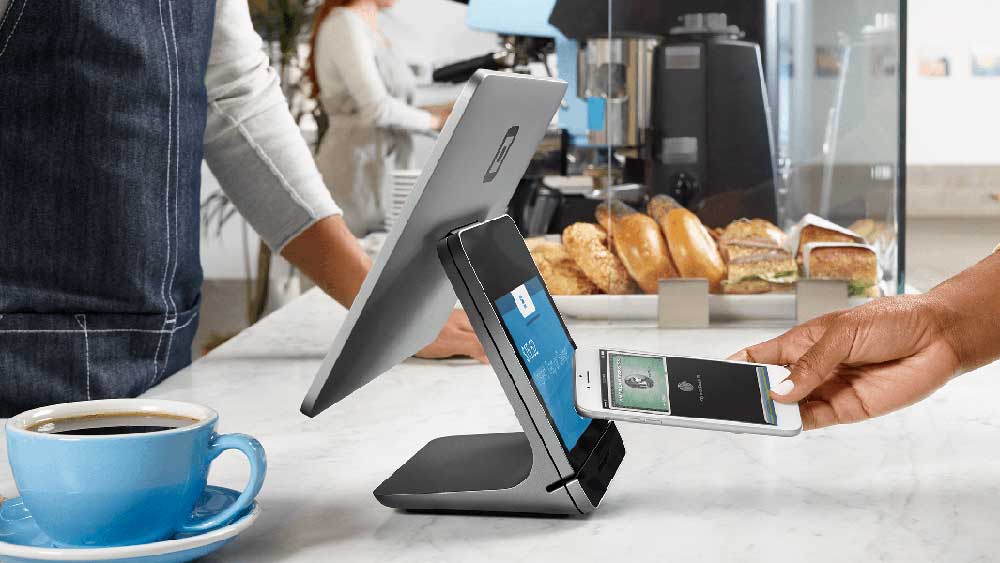
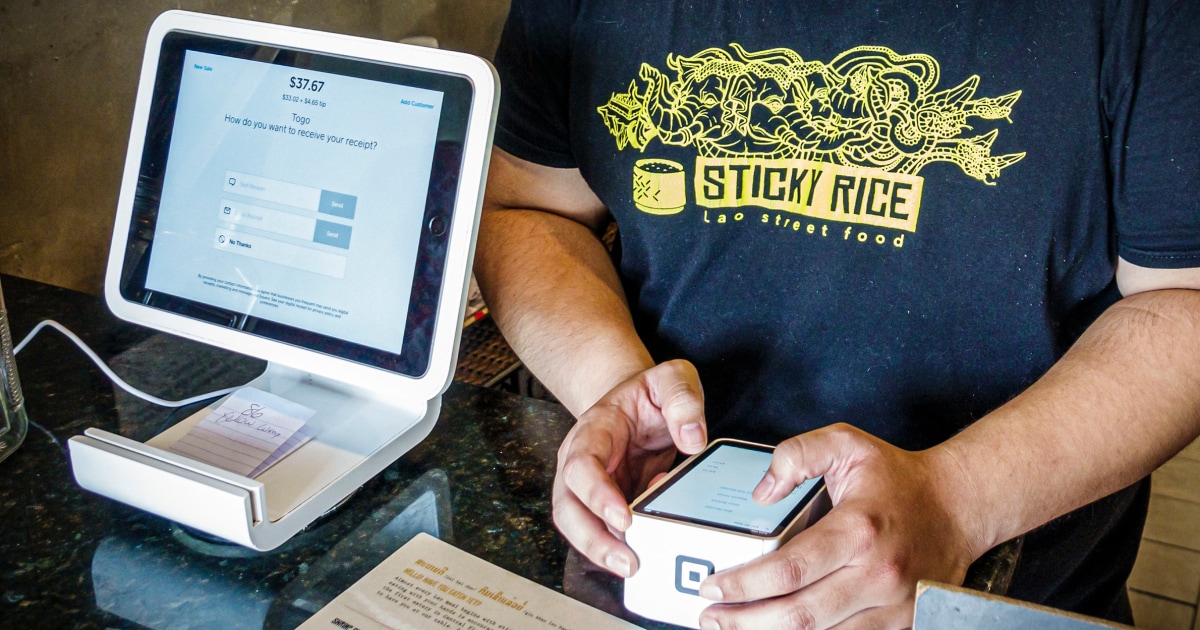
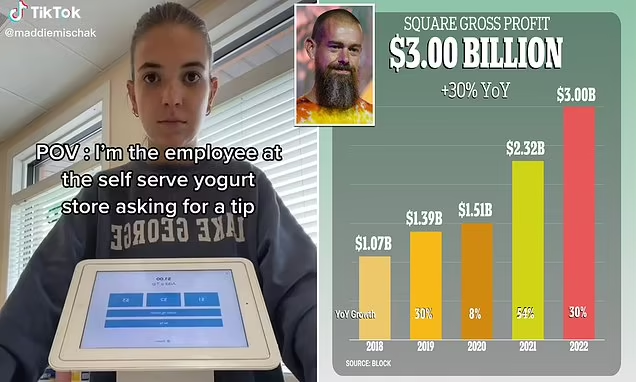
Square, the payments firm founded by Jack Dorsey, made a profit of $3 billion last year, marking a three-fold increase from four years ago. The company's software powers many of the iPad payments that have become synonymous with the country's 'tipflation' problem, which has seen tipping culture spill out from bars and restaurants and into stores, takeout chains, and even self-service machines. Square works with merchants in all 50 US states and Australia, Ireland, Canada, and Japan, facilitating card payments and taking a small slice of each transaction amount. While Square claims that increased tipping is not the reason for its explosion in profits, the figures lay bare just how reliant retailers have become on these interfaces that customers have come to loathe.
Apple beats Q1 estimates with strong iPhone sales, boosts dividend and announces $90 billion share buyback program; AMD reports better-than-expected Q1 but issues disappointing guidance, shares recover after Bloomberg reports Microsoft is helping finance AMD's expansion into AI chips; Qualcomm shares slide after weak guidance for fiscal Q3 due to deteriorating demand for smartphones in China; Coinbase beats Q1 expectations with cost cuts and jump in subscription revenue, but expects subscription and services revenue to fall in Q2; Square reports better-than-expected Q1 results, raises full-year adjusted EBITDA forecast.
Apple reported strong earnings, boosted its dividend, and announced a $90 billion share buyback program, leading to a rise in shares. AMD had a roller coaster week, reporting better-than-expected Q1 but issuing disappointing guidance, and then clawing back some gains after a report that Microsoft is helping finance its expansion into AI chips. Qualcomm's weak guidance led to a slide in shares, while Square reported better-than-expected Q1 results and raised its full-year adjusted EBITDA forecast. Coinbase's Q1 results were better than feared, driven by cost cuts and a jump in subscription revenue, leading to a rise in shares.