LSU Shreveport's baseball team made history by finishing the season 59-0, becoming the first college baseball team on record to go unbeaten, and winning the NAIA championship for the first time in school history.
Keiser University in Florida maintains its top position in the NAIA Football GoRout Top 25 Ratings for the tenth consecutive week, receiving all but one first-place vote, which went to Grand View University in Iowa. The top six teams remain unchanged from the previous week, with Indiana Wesleyan, Montana Western, St. Thomas (Fla.), and Morningside (Iowa) following Keiser and Grand View. St. Francis (Ill.) enters the rankings this week, while Evangel (Mo.) drops out.
ESPN reporter Katie Barnes questioned the belief that transgender women have an advantage over biological women in sports, citing the lack of scientific evidence to support this notion. Barnes highlighted the complexity of the issue, emphasizing that differences in athletic performance between sexes exist but may not universally apply to all sports and levels of competition. This comes amid ongoing debate and policy changes regarding transgender athletes in sports, with the NAIA recently deciding to prohibit transgender women from competing against biological females.
The National Association of Intercollegiate Athletics banned transgender athletes from competing in women's sports, sparking controversy. ESPN writer Katie Barnes, who is non-binary, defended trans athletes on CNN with Jake Tapper, arguing that men pretending to be women don't have a competitive advantage. However, critics argue that men and women are inherently different in sports, and a Gallup poll shows that 69% of Americans believe transgender athletes should only play on teams matching their birth gender. The debate raises questions about gender identity and fairness in sports.
The National Association of Intercollegiate Athletics (NAIA) has implemented a new policy banning transgender women from competing in women's sports, making it the first major college sports governing body in the U.S. to do so. The policy allows transgender men and trans masculine students to compete on women's teams under certain conditions, and all students, including trans men and trans women, are allowed to compete on men's teams. The move has sparked controversy and criticism from LGBTQ rights organizations, with some arguing that it violates Title IX.
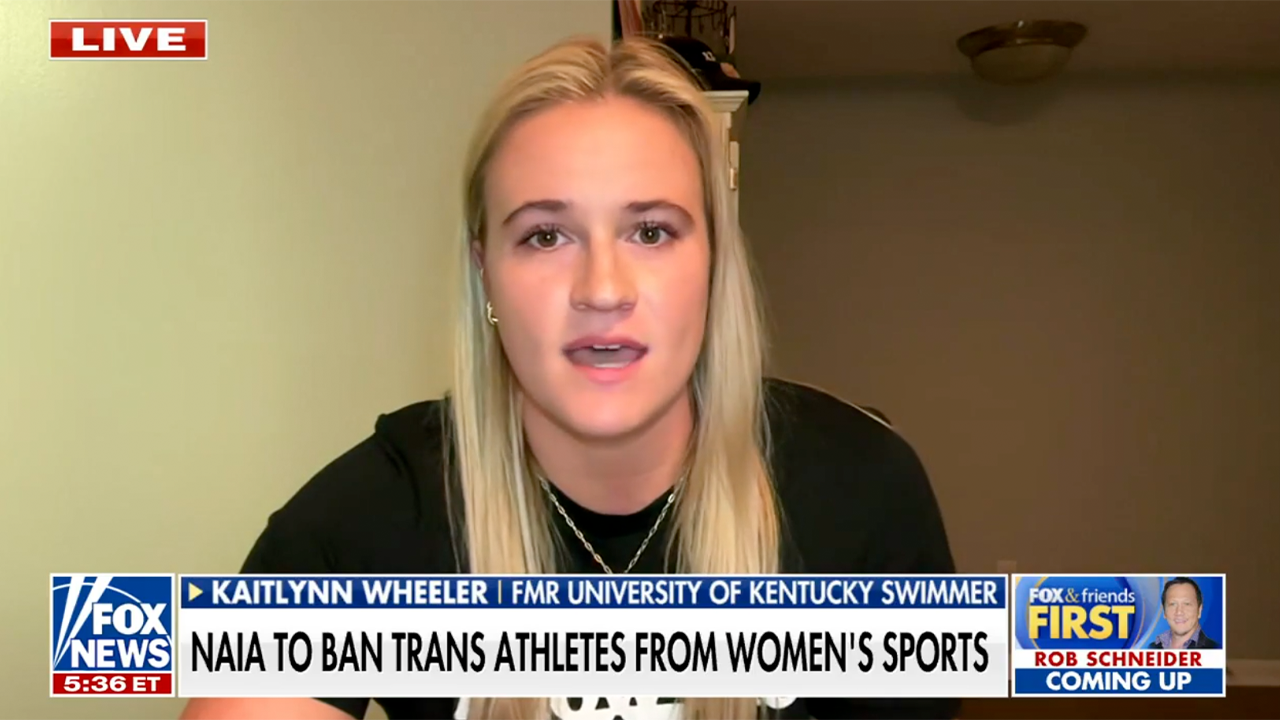
Former college athlete Kaitlynn Wheeler praised the NAIA for banning trans women from competing against women in its events, calling it a "huge" move and urging the NCAA to follow suit. Wheeler, along with other athletes, is suing the NCAA for allegedly violating Title IX by allowing trans women to compete against women. She emphasized the impact of permissive policies on female athletes and expressed hope that NAIA's decision will prompt a shift in the NCAA's stance.
The National Association of Intercollegiate Athletics (NAIA) has implemented a new transgender participation policy that largely bans transgender athletes from women's sports, only allowing those who have not begun hormone therapy to compete. The policy, effective August 1, 2024, received unanimous approval and applies to all sports except cheer and dance. This decision comes amid ongoing discussions and legal challenges regarding transgender athletes' eligibility in collegiate sports, with the NCAA also facing a lawsuit.
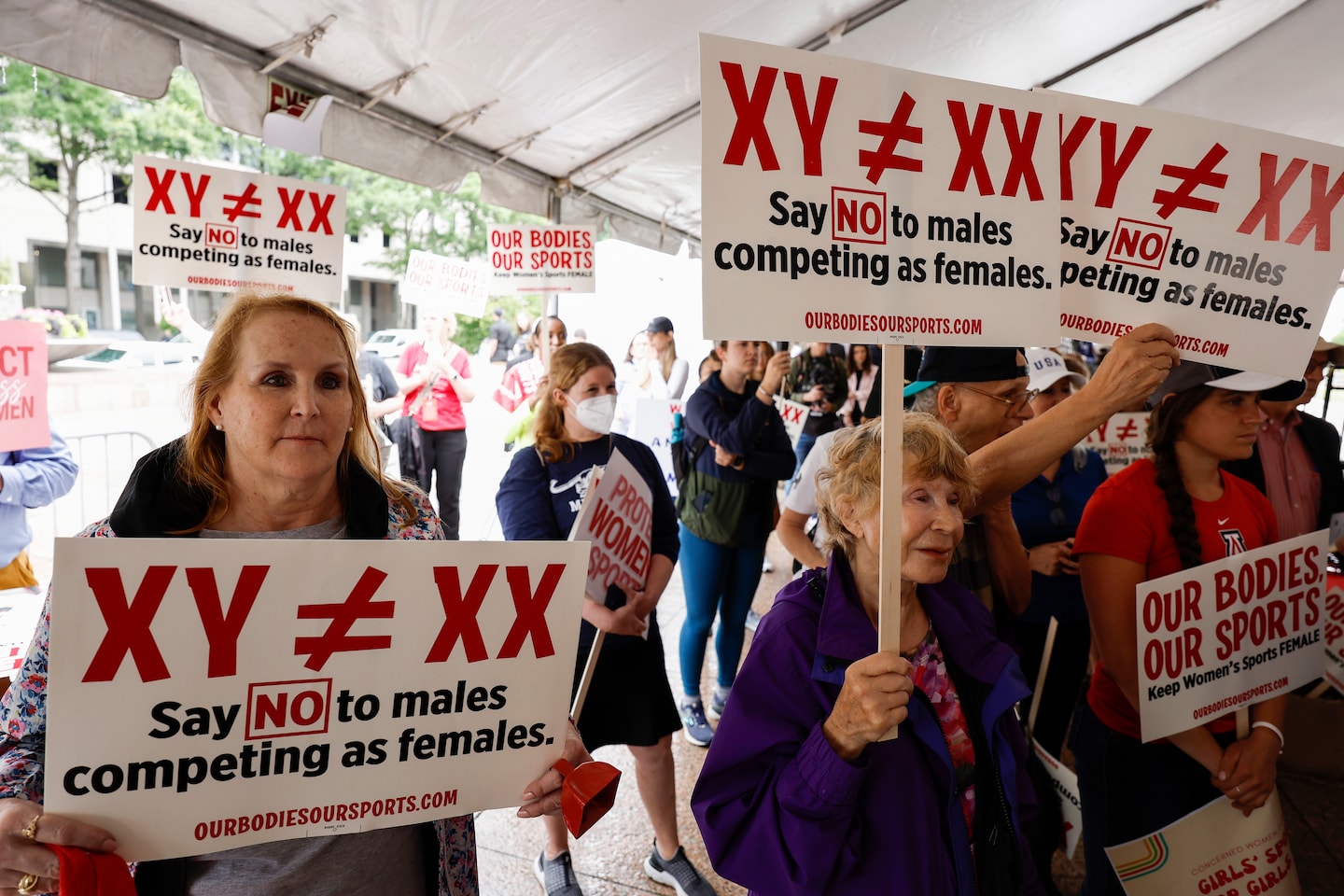
The National Association of Intercollegiate Athletics has implemented a new policy effectively banning transgender women from participating in most of its women’s intercollegiate sports programs, drawing swift outcry from LGBTQ rights advocates. The policy allows transgender men to participate on women’s teams under certain conditions, and exempts competitive cheerleading and dance. Critics argue that the policy cultivates exclusion and discrimination, while supporters claim it is necessary to enforce Title IX. The decision has sparked debate over transgender rights and inclusion in sports, with advocates of banning transgender women citing physical advantages, despite mainstream science not supporting this conclusion.
The National Association of Intercollegiate Athletics (NAIA) has banned transgender women from competing in women's sports, with a 20-0 vote by its Council of Presidents. The policy states that only athletes whose biological sex is female may participate in female sports, while those who have begun masculinizing hormone therapy are banned from external competition. This decision contrasts with other athletic bodies that allow trans athletes to compete based on testosterone levels. The NAIA's move has sparked criticism from LGBTQ rights advocates, and comes amid ongoing debate and legal challenges surrounding transgender participation in sports.
The National Association of Intercollegiate Athletics (NAIA) has approved a policy that effectively bans transgender athletes from competing in women's sports, allowing only athletes assigned female at birth and not undergoing hormone therapy to participate. This decision has sparked outrage and legal challenges, with the NCAA also facing criticism for its policies on transgender athlete participation. The debate over transgender athletes in sports continues to be a contentious issue, with implications for Title IX and the rights of all students, including transgender, nonbinary, and intersex athletes.
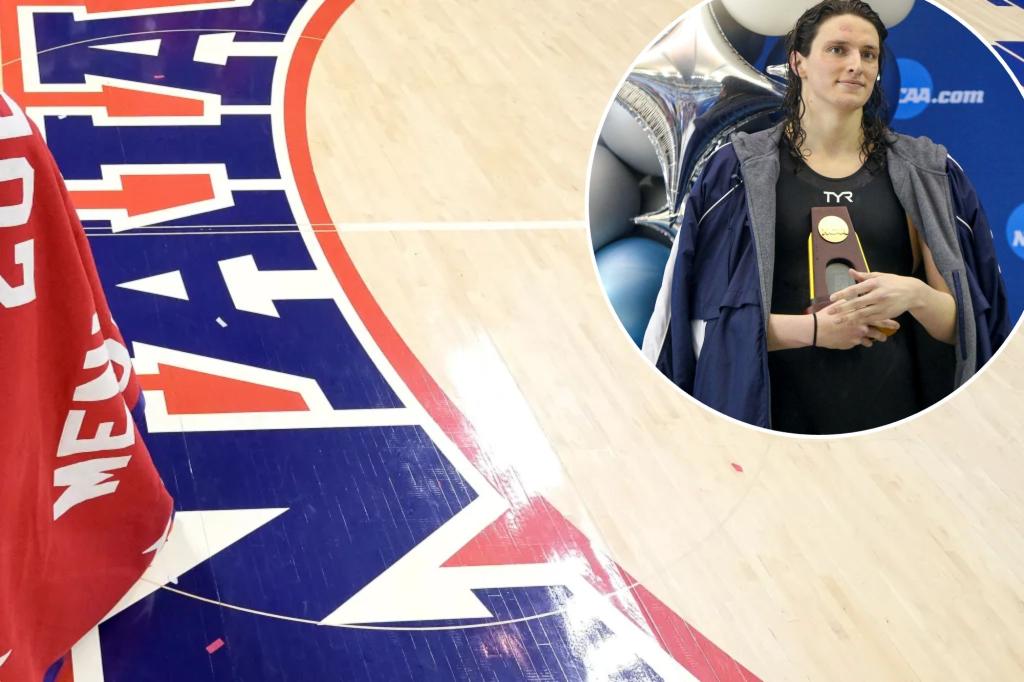
The National Association of Intercollegiate Athletics (NAIA) has banned transgender athletes from competing in women's sports, citing the importance of fair competition for student-athletes. This decision comes amid concerns sparked by Lia Thomas' success in NCAA swimming, with fears that the NCAA might follow suit. The ban has raised controversy and prompted discussions about the inclusion of transgender athletes in women's sports, with some advocating for their participation and others seeking a ban.
The National Association of Intercollegiate Athletics (NAIA) has essentially banned transgender athletes from competing in women's sports, with a policy that allows only athletes assigned female at birth and not on hormone therapy to participate. This move has sparked controversy and outrage, with critics calling it discriminatory and harmful to all athletes. The NCAA, which has its own policies for transgender athlete participation, released a statement reaffirming its commitment to fair competition. The issue of transgender athletes in sports has become a hot-button issue, with legal battles and differing state laws adding to the complexity of the situation.
The NAIA has approved a policy that effectively bans transgender athletes from competing in women's sports, with exceptions for competitive cheer and dance, sparking outrage from advocacy groups. The NCAA, in response, has vowed to ensure fair competition for all student-athletes in its championships. The issue of transgender athletes in women's sports has become a hot-button issue, with at least 24 states having laws barring transgender women and girls from certain competitions. The Biden administration's plan to address this issue through a new federal Title IX rule remains in limbo, while the NCAA has revised its policies on transgender athlete participation to align with national sport governing bodies.
The National Association of Intercollegiate Athletics (NAIA) has voted to ban transgender women from women’s sports starting next school year, sparking concerns that the NCAA may follow suit. The decision has raised concerns among transgender-rights advocates and has been met with both support and criticism. The move comes amid ongoing debates and legal challenges surrounding the inclusion of transgender athletes in sports, with various organizations and governing bodies grappling with how to establish fair and equitable rules.
The National Association of Intercollegiate Athletics (NAIA) has banned transgender athletes from competing in women's sports if they were assigned male at birth or have begun masculinizing hormone therapy, with the new policy applying to all NAIA competitions. The decision, approved in a 20-0 vote, aligns with Title IX and is the first of its kind among national college governing bodies. Transgender athletes no longer eligible for women's competition can still participate in men's sports, and the policy does not apply to team activities like practices and scrimmages. The move comes amid ongoing national discussions about transgender rights and aligns with the NCAA's recent decision to allow national governing bodies in each sport to determine transgender policies.