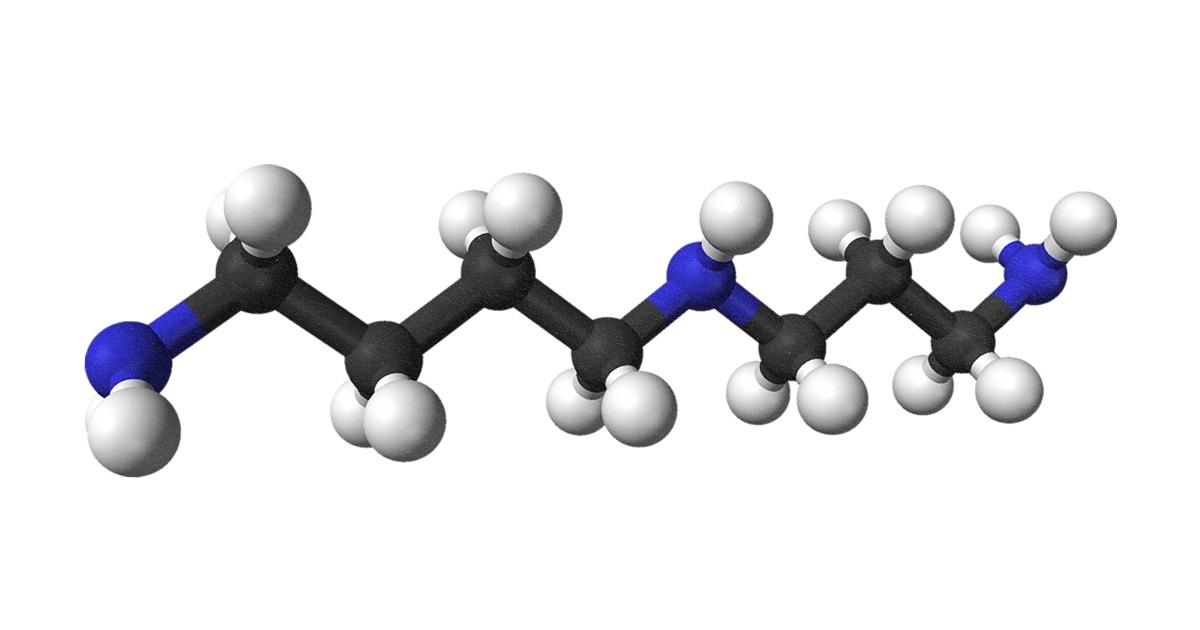
A study found that higher dietary spermidine intake is linked to better cognitive performance in older adults, especially in males, non-Hispanic Whites, and those with certain health conditions, suggesting spermidine may support cognitive health with further research needed.
Spermidine, a compound found in protein-making ribosomes inside cells, has gained popularity as an anti-aging supplement. It promotes autophagy, a process that disassembles damaged components and recycles them into new functioning parts. While studies in model organisms have shown positive effects on lifespan and various health markers, a recent clinical trial on older adults did not find any benefits of spermidine over a placebo. It is possible that the dose used was not high enough, but it is also likely that spermidine may not be the "anti-aging" compound researchers hoped for. Further human clinical trials are needed to determine its efficacy.
A study suggests that spermidine, an anti-aging supplement sold at major retail stores, may improve fertility and increase women's childbearing years. Researchers gave spermidine to aging mice and found that it led to healthier oocytes and increased fertility. The supplement boosted ovarian cell quality, promoted follicle growth, and rejuvenated eggs during in vitro maturation. Spermidine works by removing damaged mitochondria and is naturally found in the body and antioxidant-rich foods. However, further research is needed to determine if these findings can be replicated in humans. With more women having children later in life, spermidine supplementation could potentially offer a therapeutic strategy for improving reproductive outcomes in older individuals trying to conceive.