

Tag

Speech Prosthetic

All articles tagged with #speech prosthetic

Revolutionary Brain Implant Translates Thoughts into Speech with 84% Accuracy
science-and-technology2 years ago

Revolutionary Brain Implant Translates Thoughts into Speech with 84% Accuracy

Scientists have developed a tiny brain implant, known as a "speech prosthetic," that can translate electrical signals from the brain into speech. The implant, which contains a large array of sensors, has the potential to help individuals with neurological conditions, such as ALS or locked-in syndrome, communicate through thought. While the technology is still slower than natural speech, researchers are optimistic about its potential to improve with further development. The implant was successfully tested on four patients, and future iterations aim to be wireless and more portable.
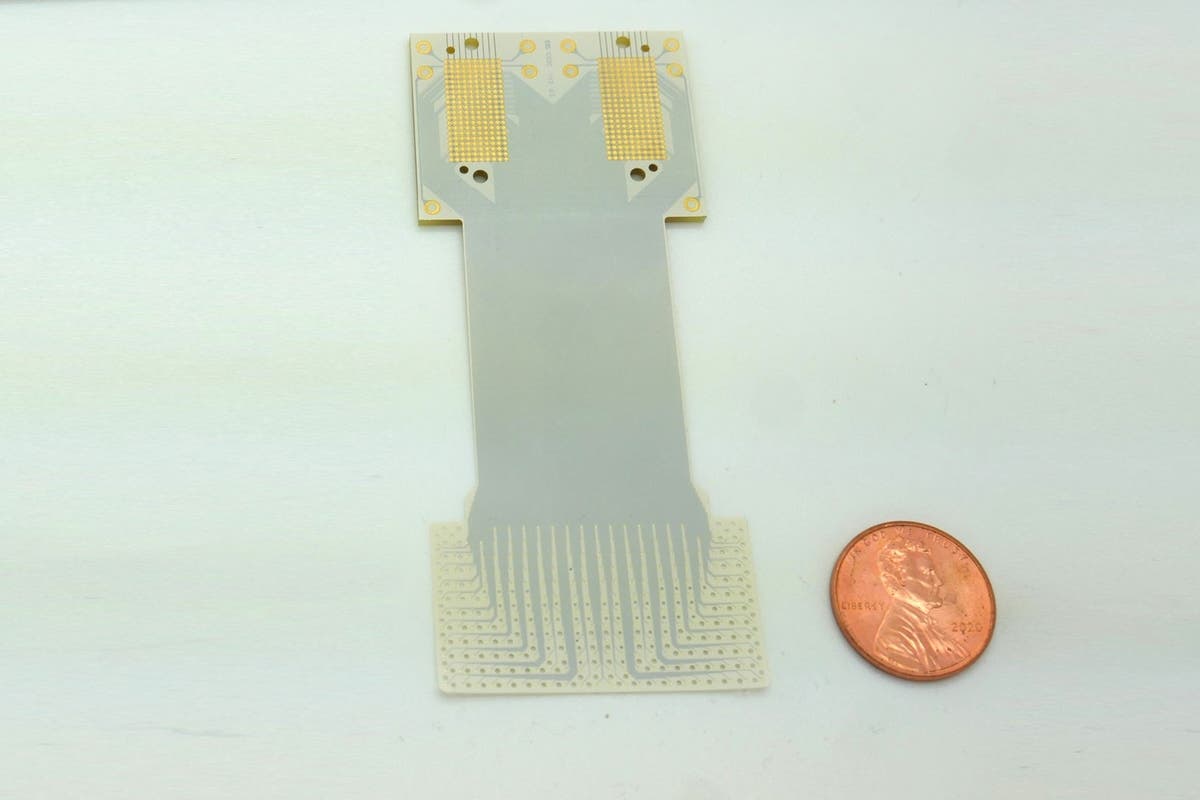
Revolutionary Brain Implant Decodes Thoughts for Speech
technology2 years ago

Revolutionary Brain Implant Decodes Thoughts for Speech

Scientists at Duke University have developed a brain implant that can translate brain signals into words, allowing wearers to communicate using thoughts alone. The implant, which is faster and less cumbersome than other mind-reading technologies, has the potential to transform the lives of people with neurological disorders. The researchers plan to improve the technology's speed and make it wireless, and have received a $2.4 million grant to continue their work.

"Translating Brainwaves: The Future of Thought-Based Communication"
neuroscience2 years ago

"Translating Brainwaves: The Future of Thought-Based Communication"

Researchers at Duke University have developed a speech prosthetic that can translate brain signals into spoken words, offering hope for individuals with speech-impairing neurological disorders. The device uses high-density sensors and machine learning to convert brain activity related to speech into actual words. In initial trials, the device achieved a 40% accuracy in decoding spoken data. The team is also working on developing a cordless version of the device for greater user freedom. While there is still progress to be made, this technology shows promise in helping individuals regain the ability to communicate through a brain-computer interface.