SPACs are making a comeback in 2025, with increased investor interest and new deals, driven by a younger generation seeking speculative opportunities. Despite a poor track record from previous years, some SPACs linked to high-profile figures like Donald Trump are performing well, and the market is seeing a mix of successful and lackluster post-merger performances. Investors are attracted by the potential for quick profits, although the overall performance remains mixed.

A new trend has emerged where public companies are rapidly acquiring Bitcoin and other digital assets through SPACs and reverse mergers, driven by rising Bitcoin prices, investor hype, and the desire for regulated exposure to crypto. These firms are leveraging capital markets to scale quickly, often using leverage and volatility to amplify gains, and are creating new investment vehicles for institutional and retail investors. While this surge offers significant growth potential, experts warn of risks associated with rapid balance sheet expansion and speculative behavior.
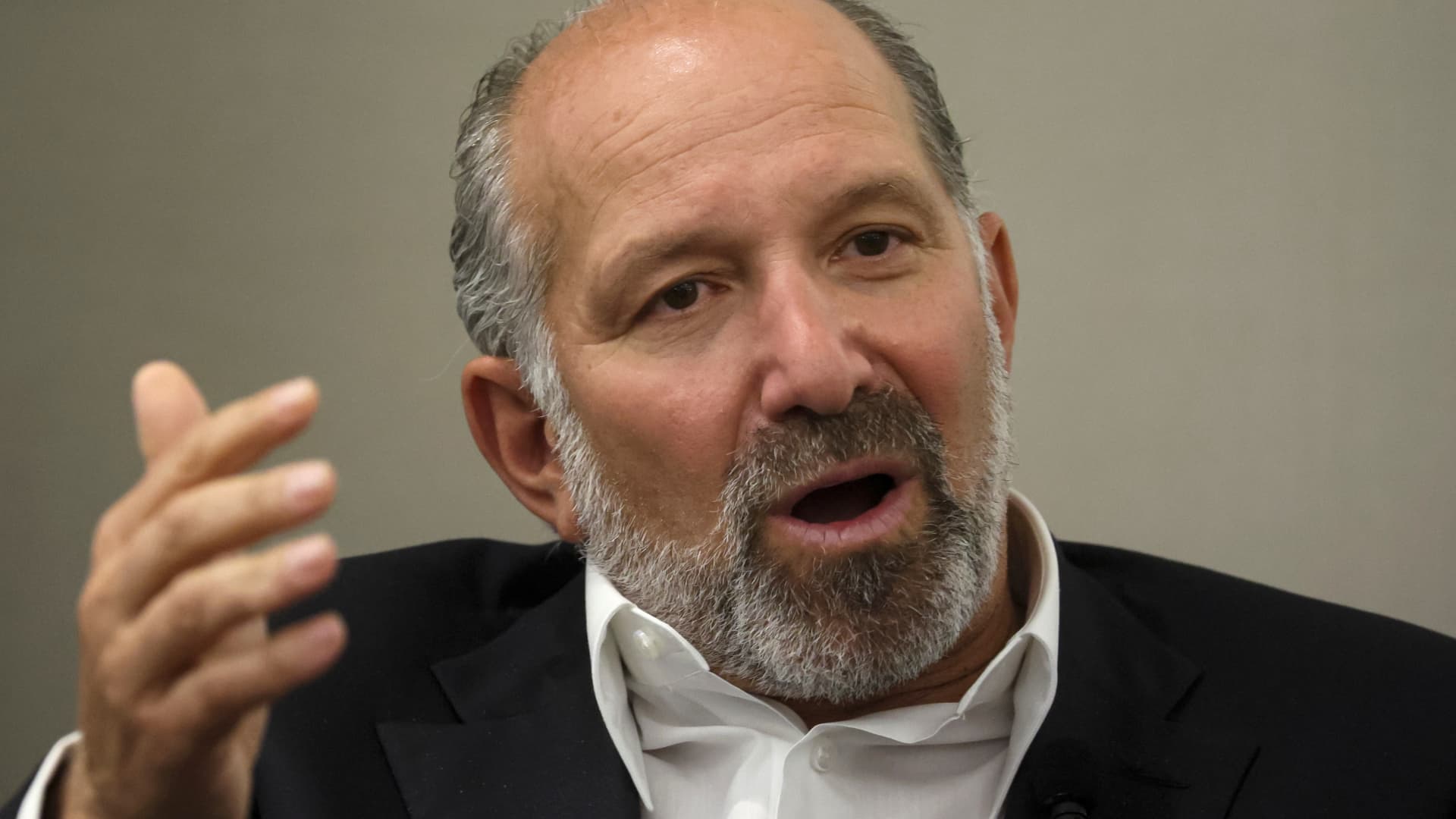
The SEC has charged Cantor Fitzgerald with violating securities laws related to regulatory disclosures by SPACs, resulting in a $6.75 million settlement. The charges involve misleading investors about merger discussions before SPAC IPOs. Howard Lutnick, Cantor's CEO and Trump's Commerce Secretary nominee, is implicated, raising questions about the Trump transition team's awareness of the investigation. Cantor did not admit or deny the charges, and no investors were reportedly harmed.
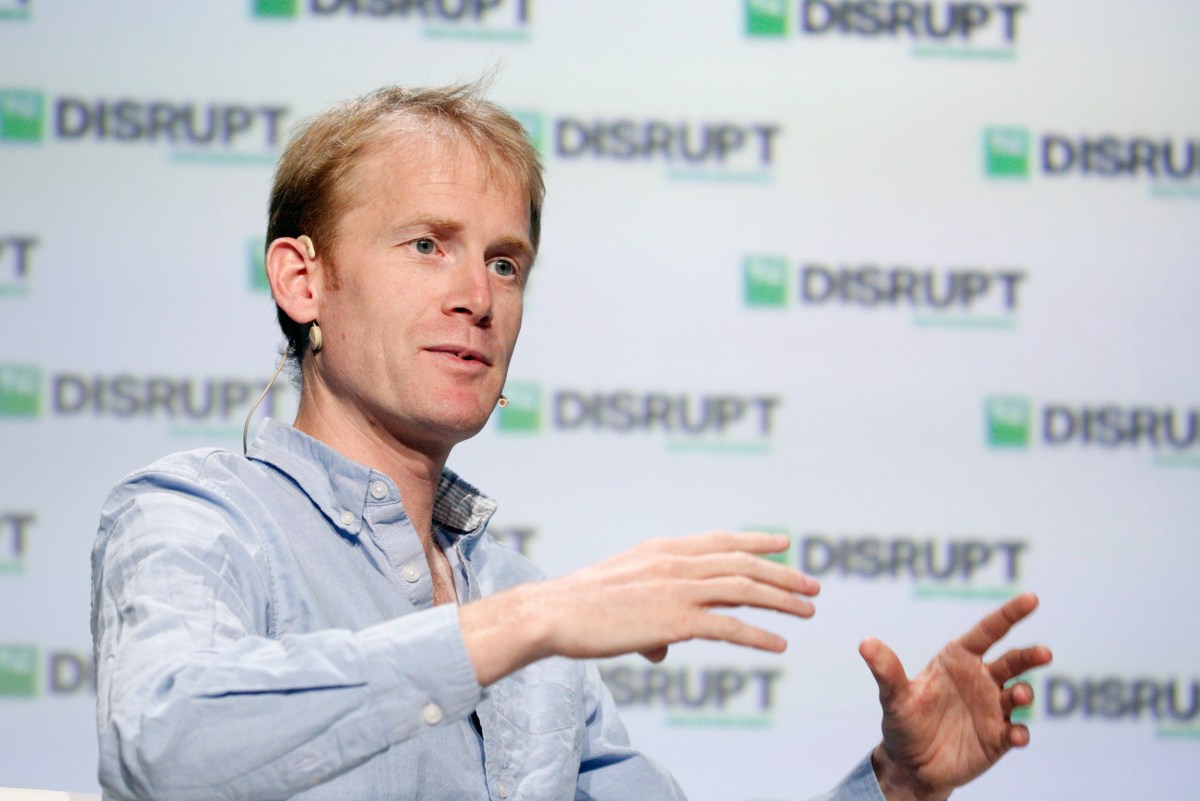
Satellite imagery company Planet is laying off around 10% of its workforce, or 117 employees, in order to focus on driving revenue and achieving profitability. The decision comes after a deep assessment of the business and spending, with the aim of prioritizing the highest ROI opportunities. Planet went public in December 2021 through a SPAC merger, but like many space companies, it has struggled to meet revenue projections. While the company has reported growing revenues, operating costs remain high. CEO Will Marshall takes responsibility for the decision and acknowledges the impact on employees and their families. Planet's stock closed at $3.75 a share, significantly lower than its IPO price of $11.35.
The SEC and PCAOB have fined Marcum LLP $13 million for systemic quality control failures and violations of audit standards, mainly in connection with its audits of SPAC clients. The PCAOB also required Marcum to make functional changes to its supervisory structure related to the firm's quality control system. Marcum agreed to make changes in response to the charges and is working with an independent consultant to ensure that it fully meets PCAOB audit standards. The SEC and PCAOB have been cracking down more on auditing firms in recent years, but the Marcum case goes further than most.
Mercedes is adding OpenAI's conversational AI agent ChatGPT to its MBUX infotainment system in about 900,000 vehicles. Bike buses are becoming popular in the US, and a study in the UK found that 66% of bikeshare users began cycling more after using the service. LeddarTech, the automotive sensor and perception software developer, will go public via a merger with special purpose acquisition company Prospector Capital Corp. Saudi Arabia signed a $5.6 billion deal with Chinese EV maker Human Horizons to collaborate on the development, manufacture and sale of vehicles. TrueCar is laying off 24% of staff due to a restructure.