
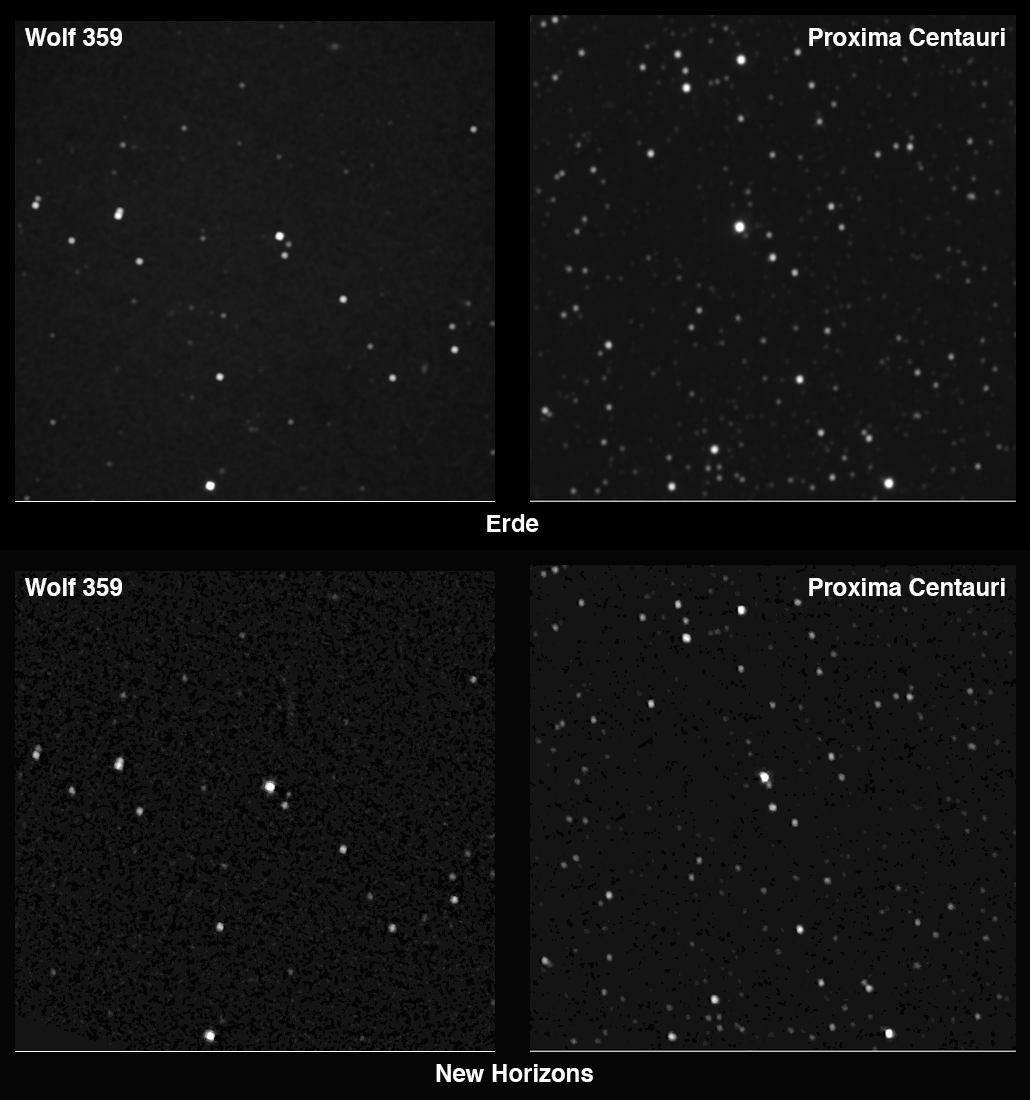
The New Horizons spacecraft has demonstrated a groundbreaking method of interstellar navigation using optical stellar astrometry and parallax measurements, which could enable future spacecraft to navigate autonomously to distant stars like Proxima Centauri by measuring the apparent shifts in nearby stars' positions relative to background stars as it travels through space.
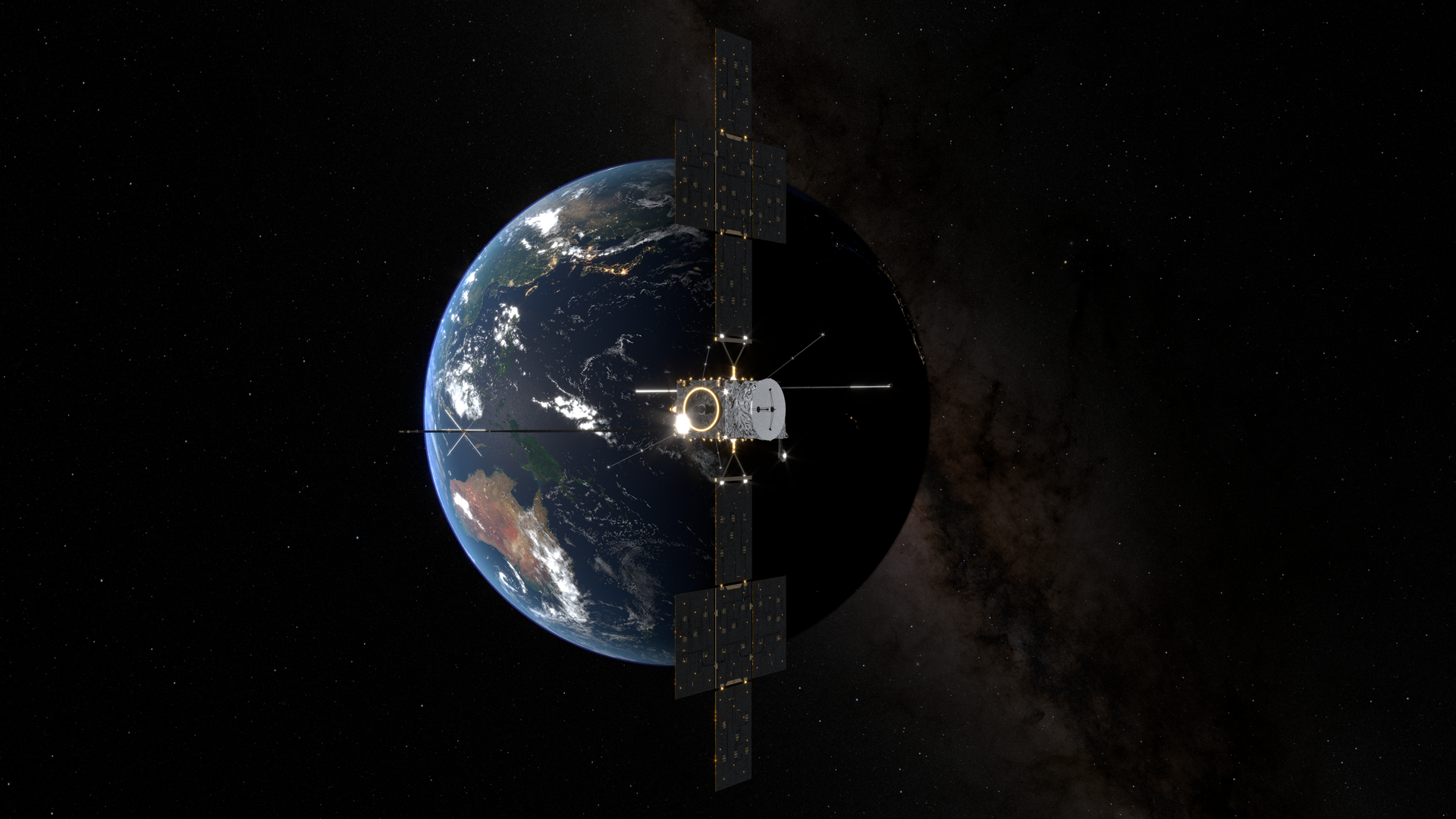
ESA's Jupiter Icy Moons Explorer (Juice) will perform a historic lunar-Earth flyby on August 19-20, 2024, using the Moon and Earth's gravity to adjust its trajectory towards Jupiter. This complex maneuver, the first of its kind, will slow Juice down and set it on a path for a Venus flyby in 2025. The mission requires precise navigation and offers a unique opportunity to test and calibrate Juice's scientific instruments.
The European Space Agency (ESA) has developed an artificial star-like light source to test the optical performance of startrackers, which are used by spacecraft to determine their position in space. The test bench, located at ESA's ESTEC technical centre in the Netherlands, combines a rotating table with a single star simulator to simulate the light from a star. The purpose of this facility is to calibrate startrackers in terms of distortion, chromatic aberration, and other optical variables, aiding in spacecraft navigation.