Google's Project Suncatcher aims to deploy AI-powered data centers in space using linked satellites with minimal thrust, leveraging off-the-shelf hardware and innovative radiation testing, with prototypes planned for early 2027 and potential cost reductions in the mid-2030s to make space-based data centers economically viable.
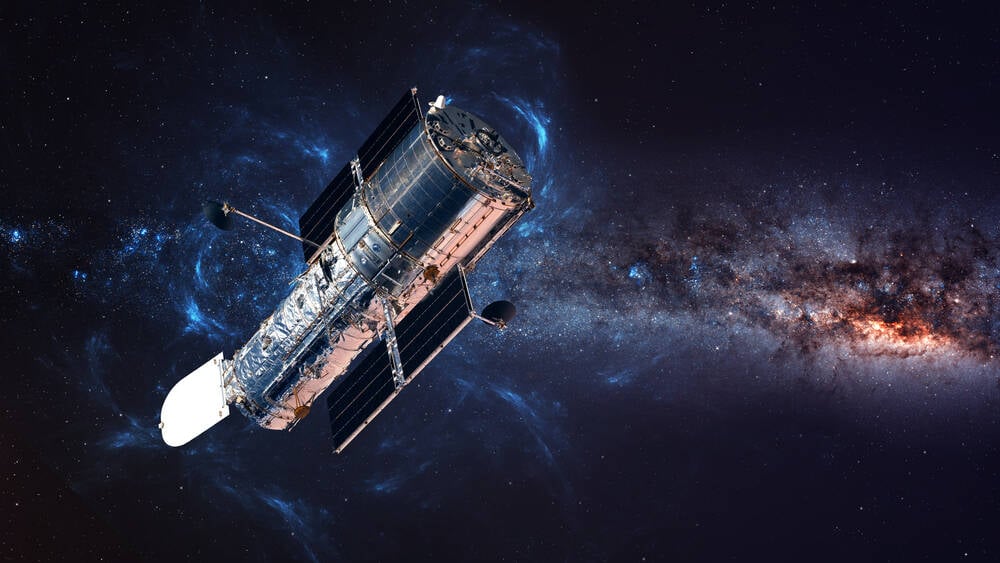
Researchers at the Space Telescope Science Institute have developed new software, called Radon Transform, that is at least 10 times more effective than existing algorithms at detecting satellite trails in Hubble Space Telescope images. The software is sensitive to trails with average brightness as low as 0.1 times the background noise and identifies roughly twice as many trails as other studies. The team found that satellite trail contamination has increased by approximately a factor of two in the last two decades, although there was no evidence of a corresponding change in trail brightness.
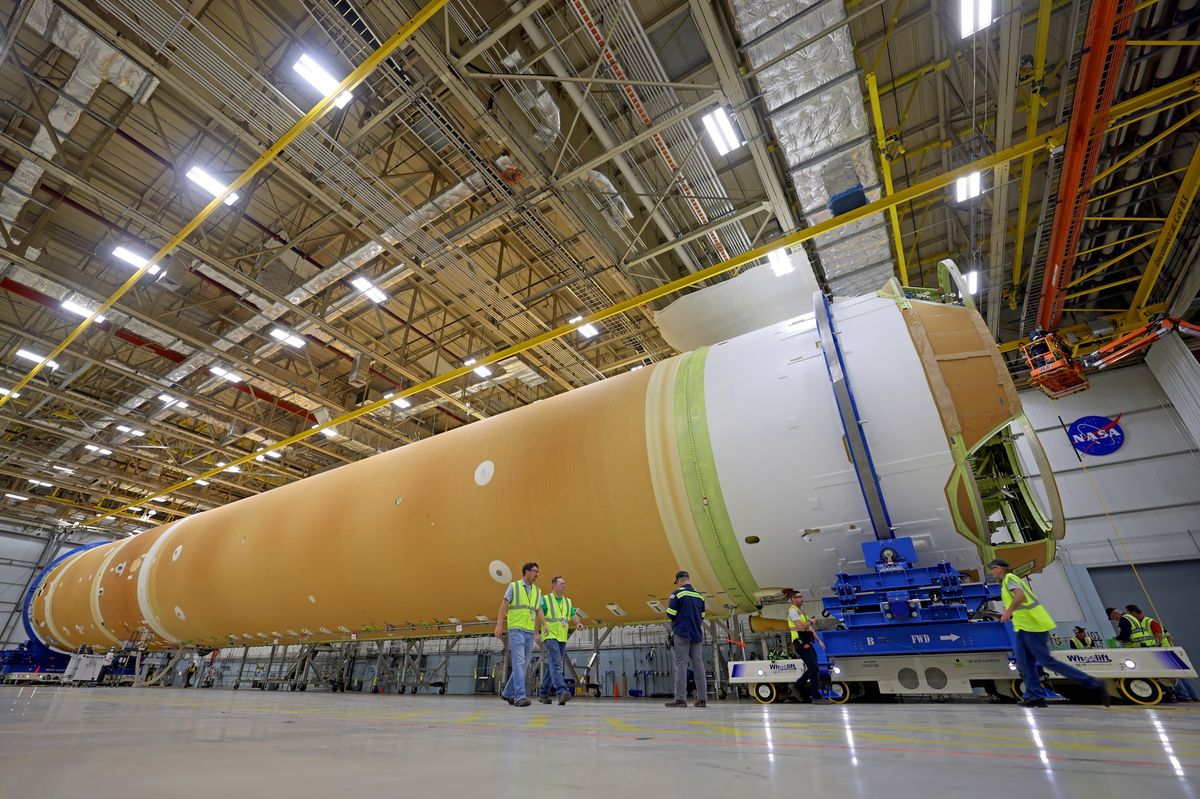
Skilled tradespeople, such as welders, electricians, metal workers, machinists, plumbers, and pipefitters, are the ones who physically construct rockets, crew vehicles, and other mission-critical elements for space exploration. However, they rarely receive the acknowledgments and accolades they deserve within the space community. The 2023 Humans to Mars Summit will feature a special panel to discuss the critical role of skilled workers in the space exploration community and establish a new program to highlight, promote, and support their role. The growth of the space sector and ensuring a steady pipeline of skilled tradespeople could help ensure that the United States is the top manufacturing nation in the world for the new space economy in the 21st century.