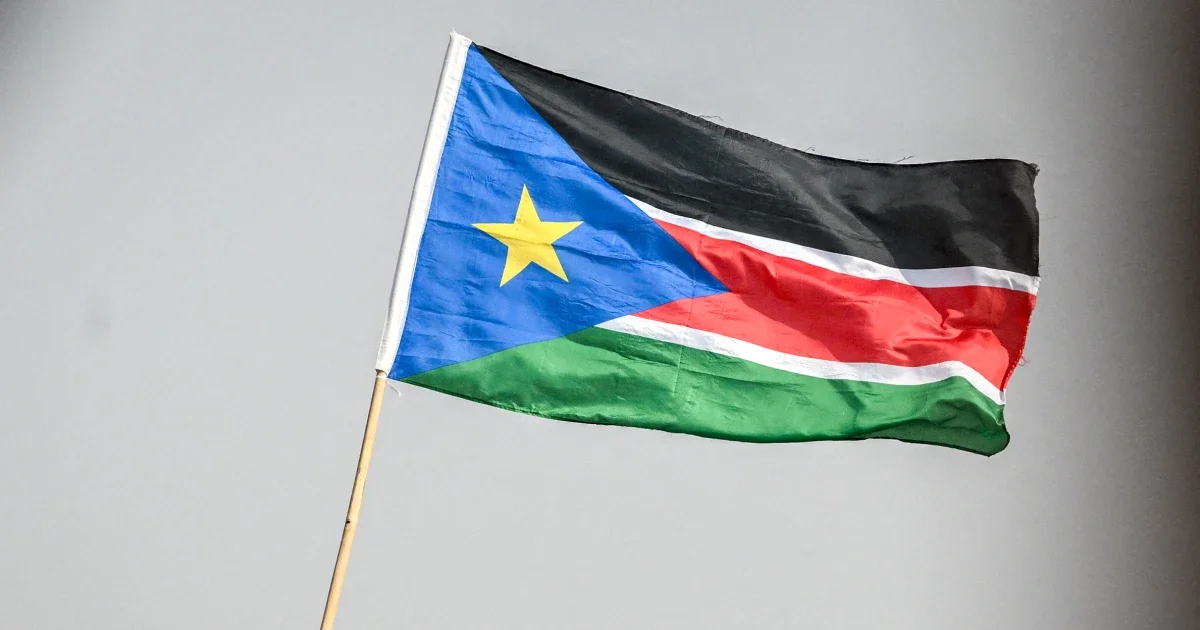
A federal judge has temporarily blocked the Trump administration's attempt to end temporary protected status for South Sudanese immigrants in the U.S., citing potential harm and legal concerns, while the case is reviewed.
A US federal judge blocked the Trump administration's plan to end temporary protected status for South Sudanese migrants, citing unlawful action and ongoing humanitarian crises in South Sudan. The ruling prevents the expiration of TPS for about 232 South Sudanese nationals and highlights ongoing legal challenges to the termination of protections for various countries.
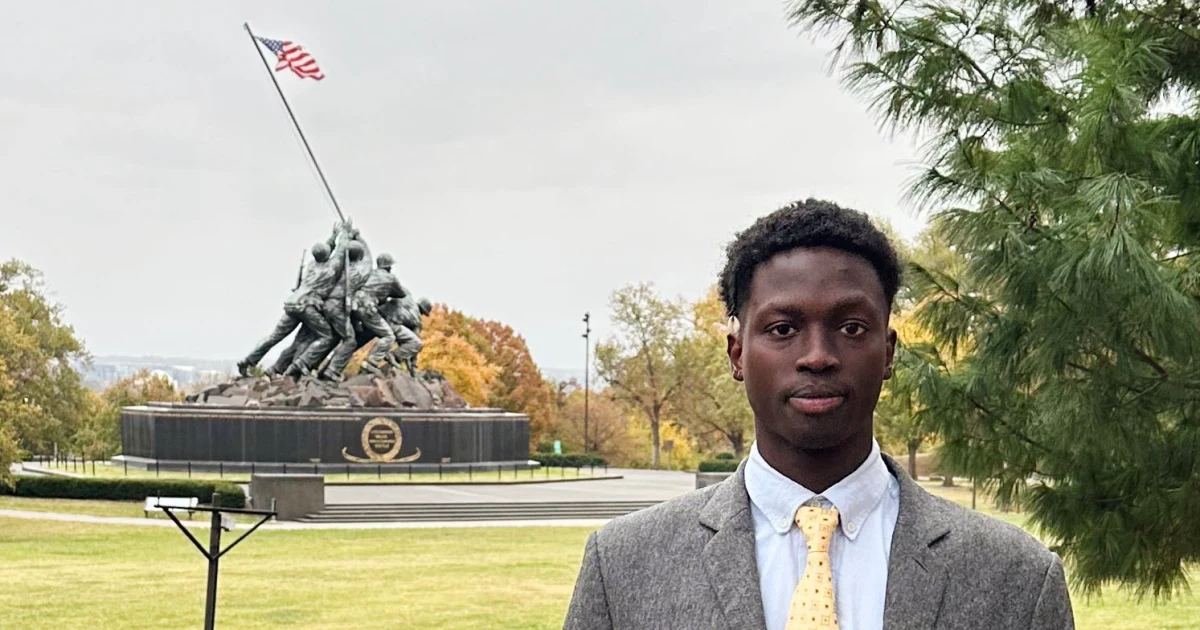
South Sudanese Americans with Temporary Protected Status face potential deportation as the U.S. plans to end TPS for South Sudan, leaving many in legal limbo amid ongoing violence and instability in their home country.
A joint statement from the Troika capitals criticizes South Sudan's leadership for failing to implement the peace agreement, citing ongoing conflict, mismanagement of resources, and obstruction of humanitarian efforts, and urges urgent actions to restore stability and trust.
Trump officials celebrated after slashing aid to South Sudan, despite warnings that these cuts would worsen a deadly cholera outbreak, which resulted in thousands of deaths and the collapse of vital health services in the region.
The Department of Homeland Security has announced the termination of South Sudan's Temporary Protected Status, effective January 5, 2026, citing that conditions no longer meet statutory requirements, and advising South Sudanese nationals on departure procedures.
The Department of Homeland Security has revoked protections for South Sudanese refugees, citing improved security and ongoing negotiations, despite ongoing instability and fears of renewed civil conflict in South Sudan.
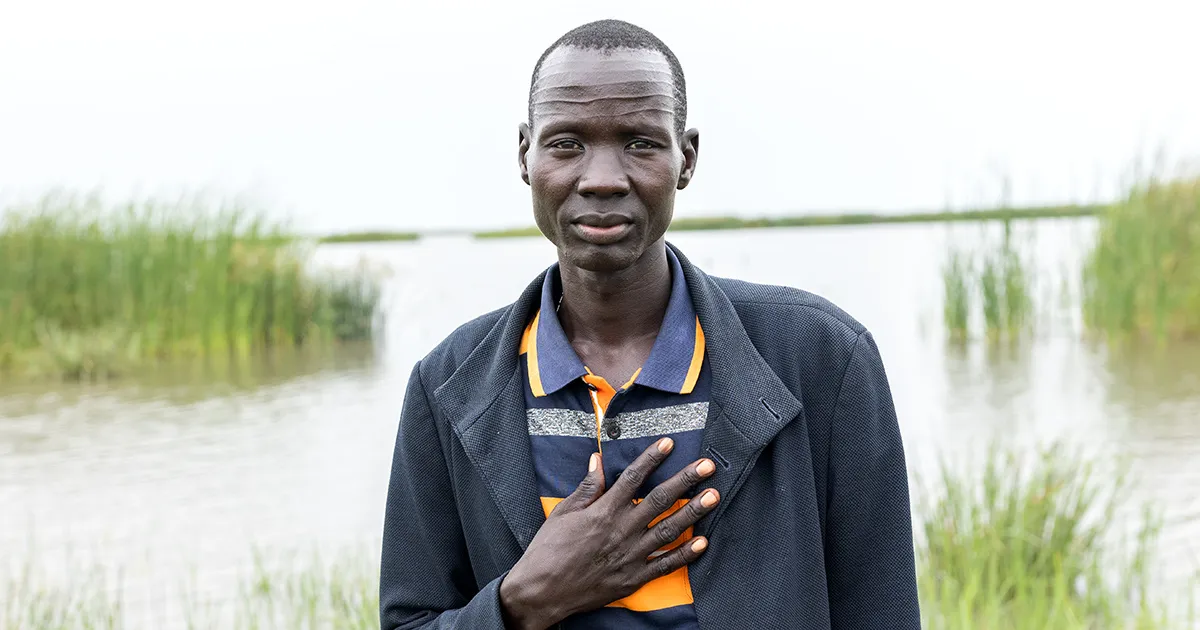
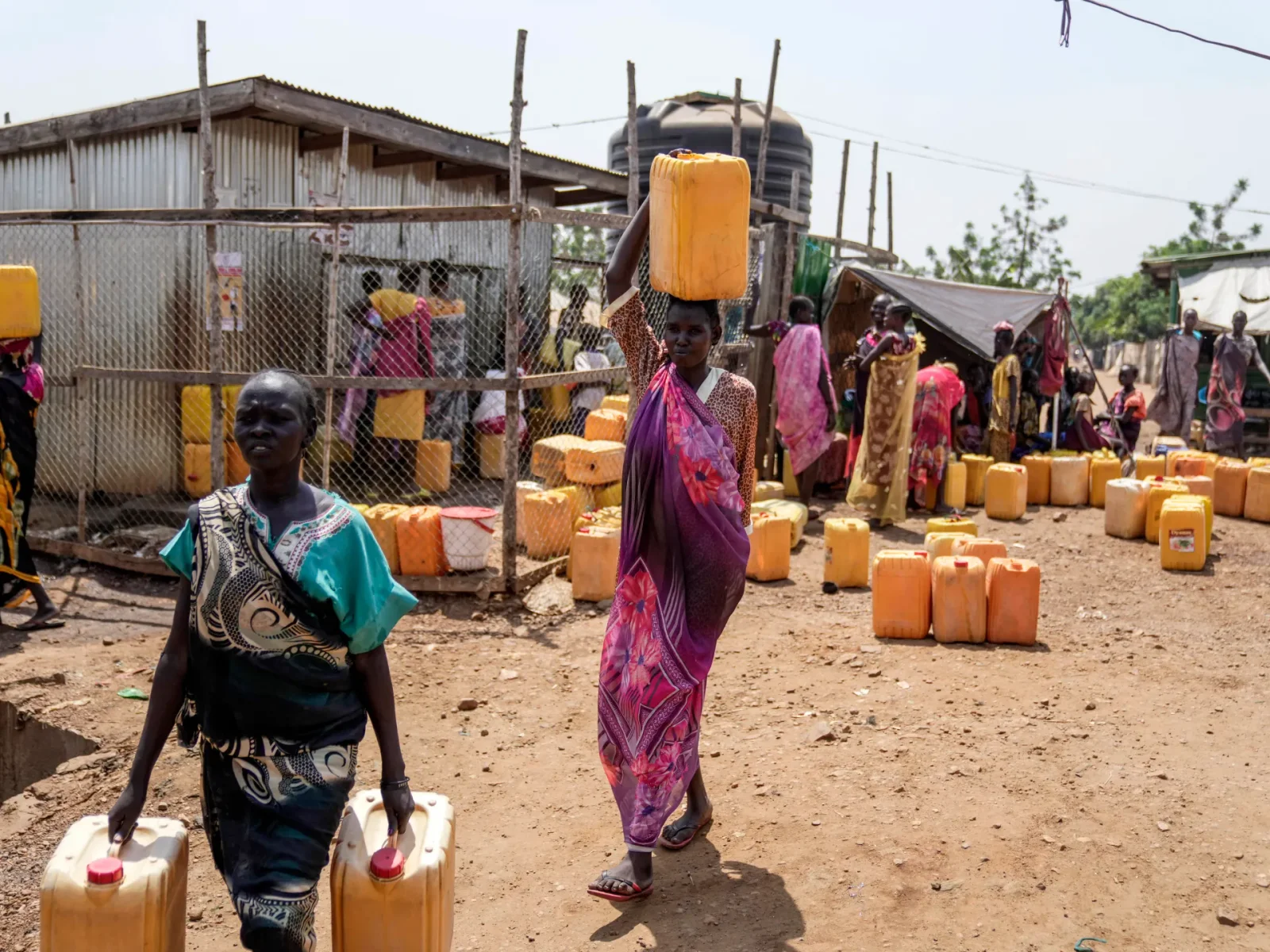
The hunger crisis in South Sudan is worsening due to ongoing conflict, floods, and limited aid access, with over 7.55 million people projected to face malnutrition by mid-2026, amid political instability and violence.
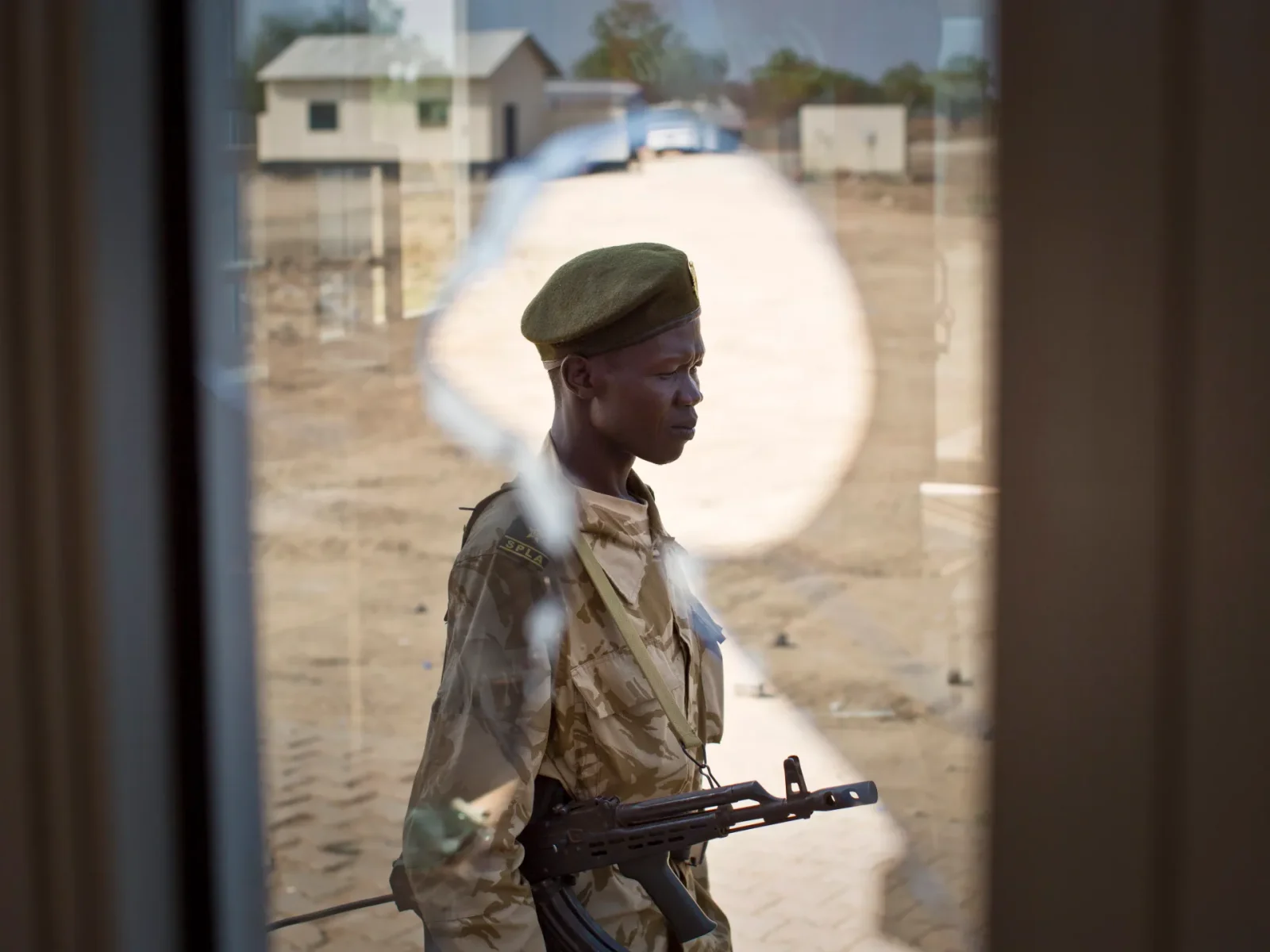
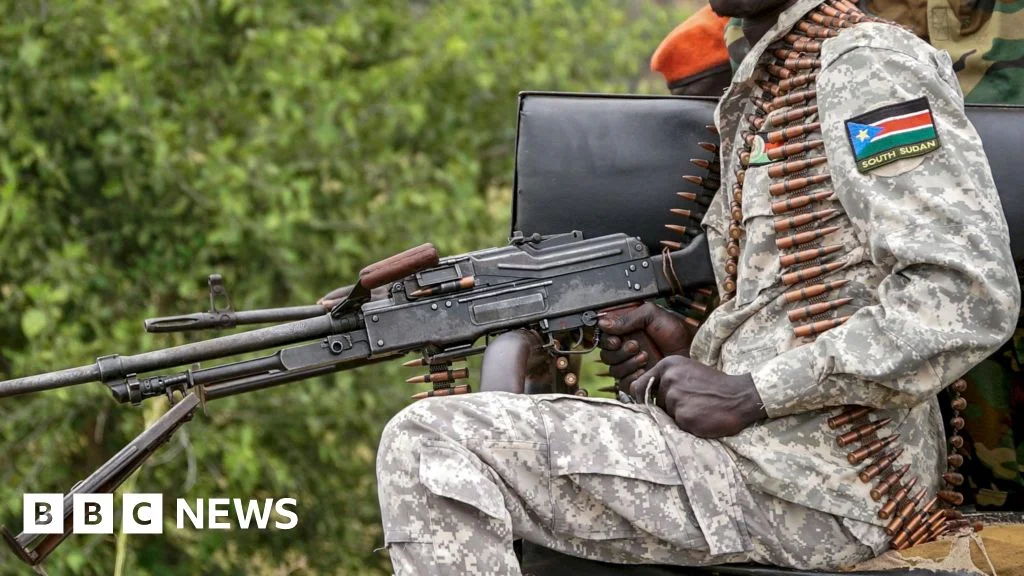
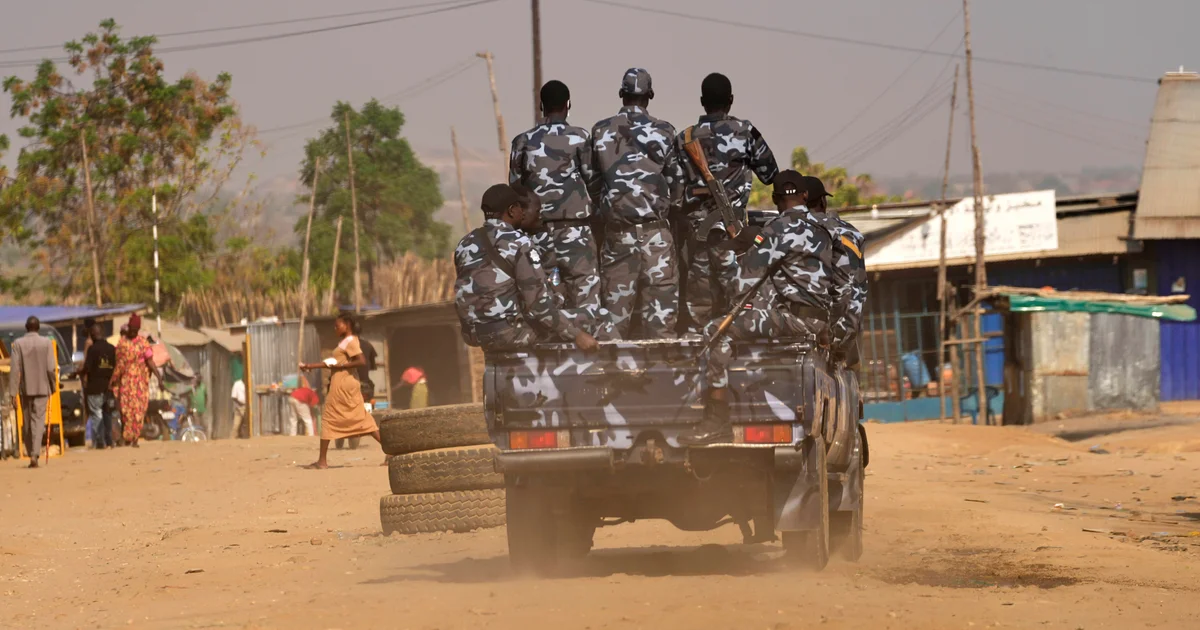
At least 14 soldiers were killed in South Sudan following a deadly shootout triggered by a love triangle dispute among military personnel, amid ongoing tensions and fragile peace efforts in the country.
A UN report reveals $2.2 billion in systemic corruption by South Sudan's ruling elite, linked to unfulfilled infrastructure projects and a collapsing economy heavily dependent on oil exports, amidst ongoing civil conflict and regional instability.
The UN has accused South Sudanese authorities of systematic looting of billions of dollars from public funds since 2011, exacerbating the country's deepening food crisis and political instability, with allegations of corruption linked to government programs and officials, despite government denials.
A UN report accuses South Sudan's leaders of systematic looting, including $2.2 billion paid to companies linked to Vice President Bol Mel for incomplete road projects, amidst widespread poverty and conflict. The government denies the allegations, claiming data inaccuracies, but the report highlights corruption as a key factor in the country's ongoing humanitarian and economic crises.
Fears of civil war resurgence grow in South Sudan as President Salva Kiir charges First Vice-President Riek Machar and others with serious crimes, undermining the 2018 peace accord and raising concerns of renewed conflict, with international calls for restraint and continued peace efforts.
South Sudan's First Vice-President Riek Machar has been charged with murder, treason, and crimes against humanity related to a 2018 attack by a militia, raising fears of a potential return to civil war amid ongoing ethnic tensions and political instability.
South Sudan repatriated a Mexican national deported from the US, with Mexico assuring humane treatment upon arrival, as part of ongoing cooperation on deportation issues.