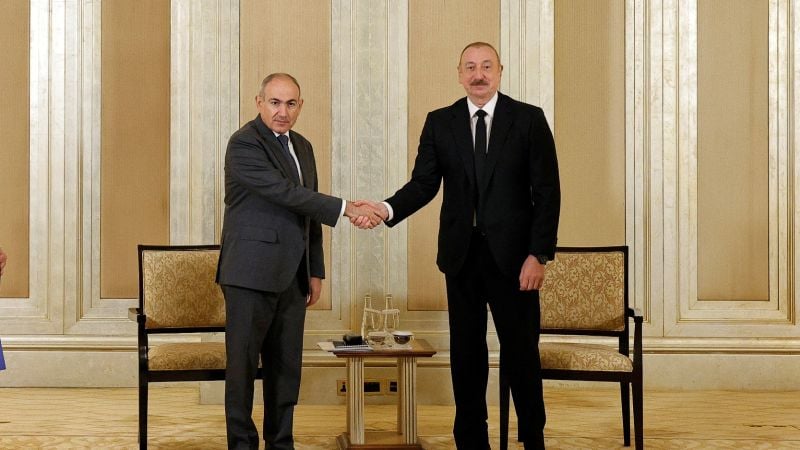
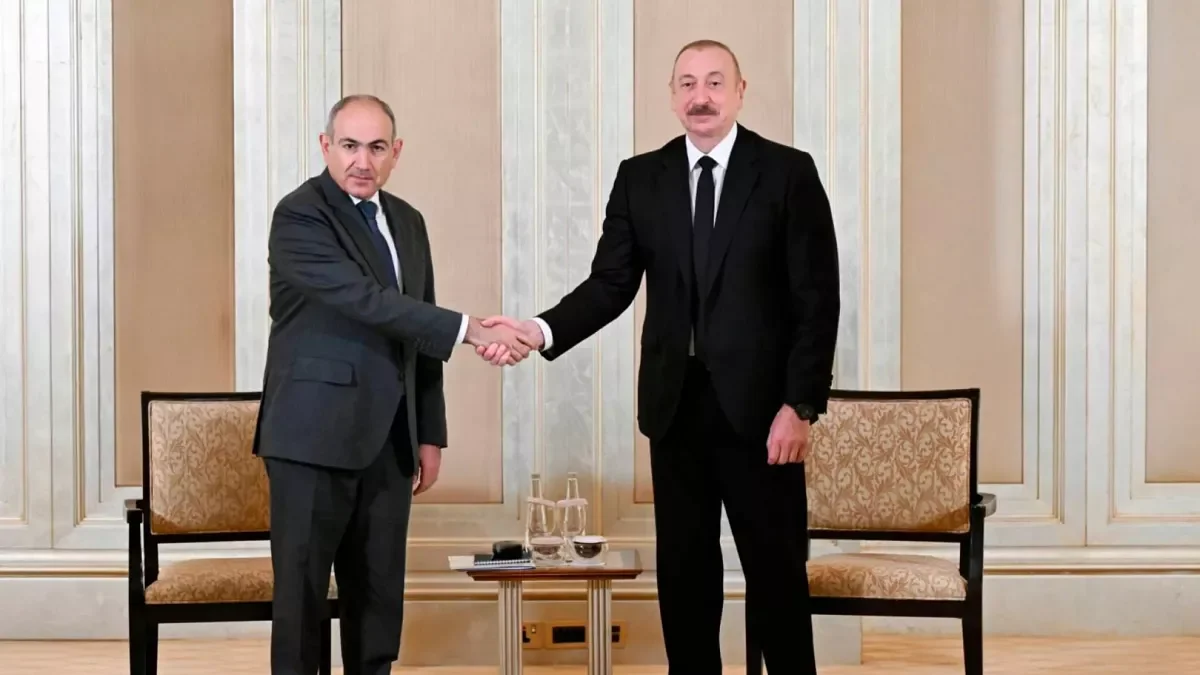
Azerbaijan and Armenia are set to sign a U.S.-brokered peace agreement aimed at resolving long-standing conflicts, boosting economic ties, and establishing a strategic transit corridor called the 'Trump Route for International Peace and Prosperity,' marking a significant step towards regional stability since the Cold War.
President Trump is set to host Armenia and Azerbaijan at the White House to finalize a peace deal that includes the US gaining exclusive development rights to a transit corridor in the South Caucasus, named the TRIPP, as part of broader diplomatic efforts and regional strategic interests.
Leaders of Armenia and Azerbaijan are set to meet with US President Trump in Washington to potentially sign a historic peace deal, ending nearly four decades of conflict. The talks focus on the strategic Zangezur Corridor, which has regional and geopolitical implications, with the US aiming to play a mediating role amid tensions with Russia and Iran. The summit signifies a shift away from Russian influence in the region and highlights US interests in regional stability and economic opportunities.
Armenia and Azerbaijan are expected to sign a peace memorandum in Washington, mediated by US President Donald Trump, aiming to resolve long-standing conflicts, with key issues including territorial references and the Zangezur Corridor, amidst ongoing negotiations and regional tensions.
The article discusses how Russia's ongoing war in Ukraine could threaten Vladimir Putin's influence and control over the strategically vital South Caucasus region, which is historically and geopolitically significant due to its location between Europe and Asia and its proximity to current conflicts involving Russia and Iran.
Armenia and Azerbaijan are making historic progress towards peace, with their leaders meeting in Abu Dhabi to finalize a peace agreement, marking a significant shift as Russia's influence wanes in the South Caucasus due to its focus on Ukraine and internal challenges. Both countries are distancing from Moscow, seeking closer ties with the West and Turkey, while Russia attempts to reassert influence through disinformation campaigns amid regional instability and power struggles.
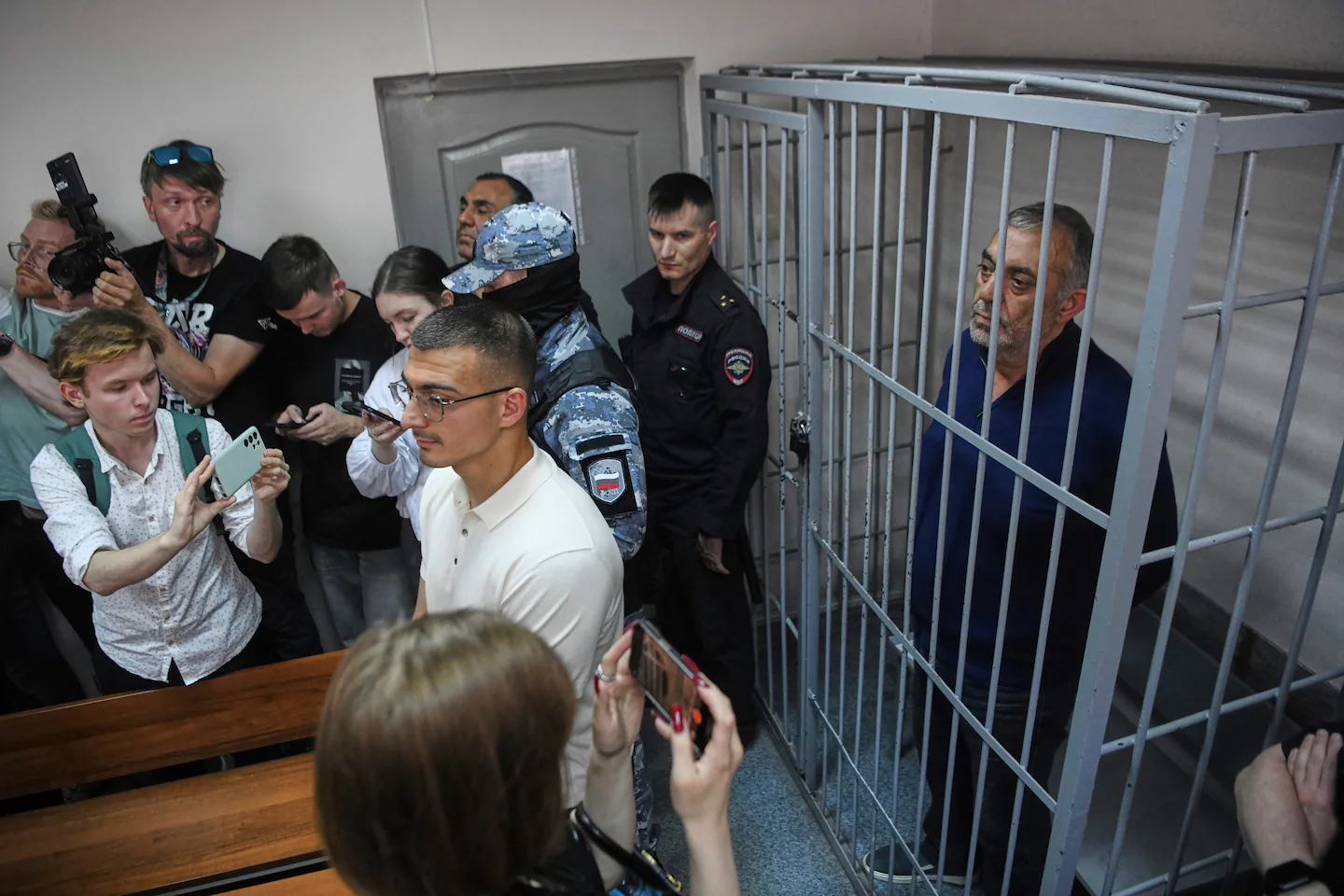
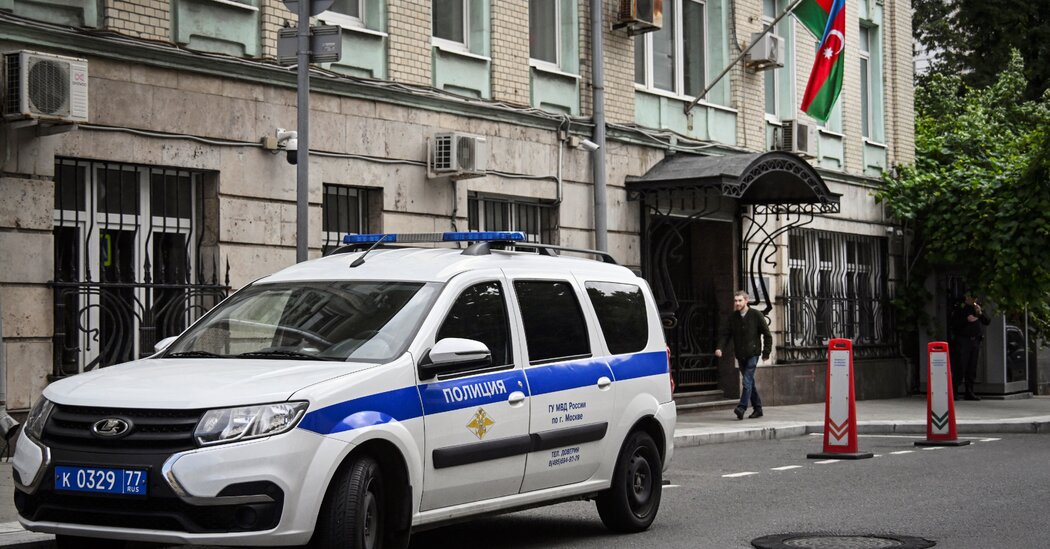
Relations between Russia and Azerbaijan have sharply worsened due to mutual arrests and Azerbaijan's move towards closer ties with Turkey and Israel, signaling a potential regional realignment as Moscow's influence wanes amid the Ukraine conflict.
Tensions between Russia and Azerbaijan have escalated following the deaths of two Azerbaijani brothers in Russian custody, leading to diplomatic protests and a deterioration of their previously close relationship, influenced by broader regional and political issues.
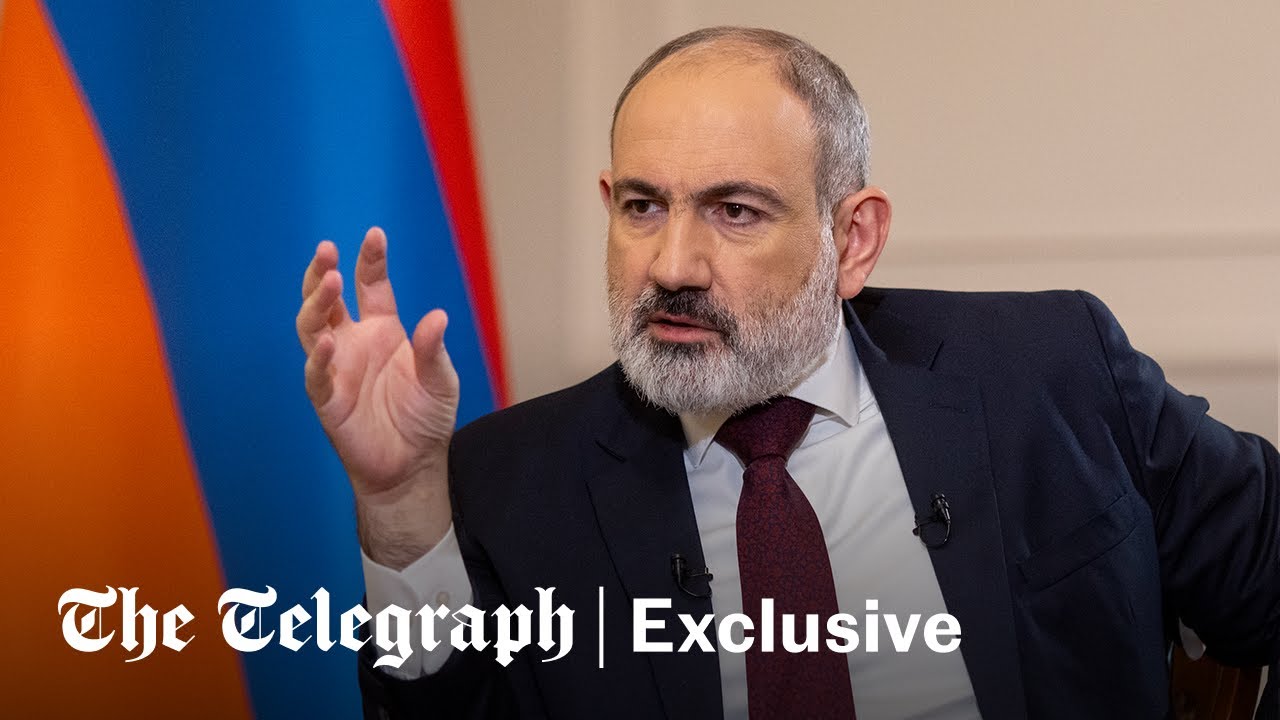
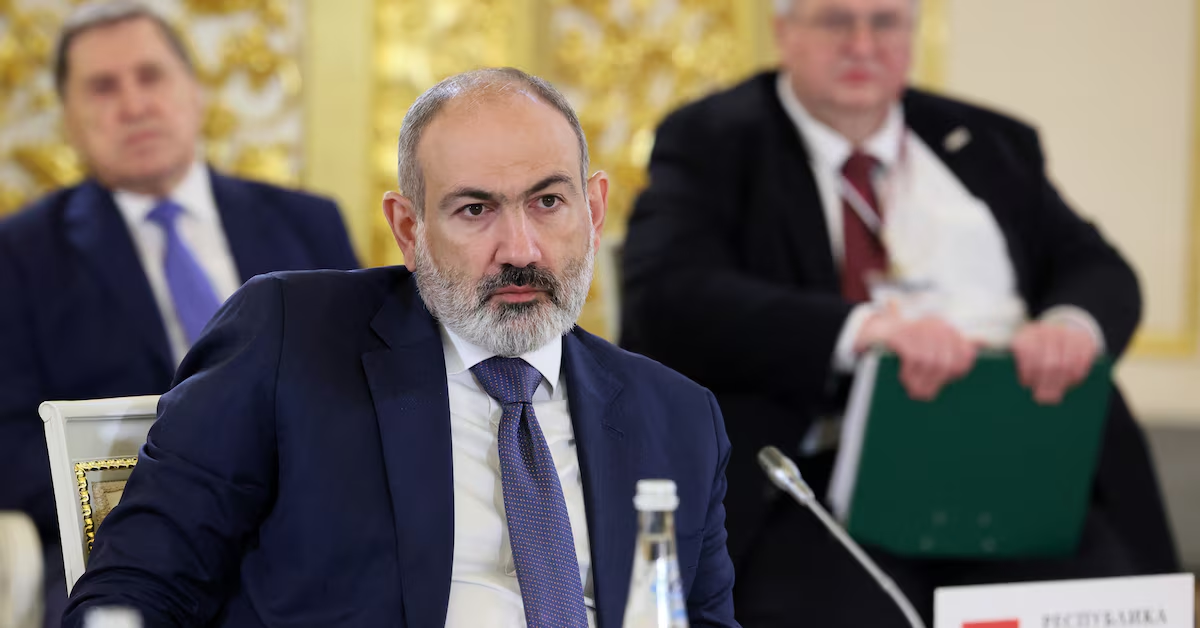
Armenian Prime Minister Nikol Pashinyan is navigating delicate peace talks while trying to balance relations with Russia and the West. Facing mounting concerns of a new war in the South Caucasus, Pashinyan emphasizes Armenia's democratic and developing nature, despite recent setbacks and public anger over concessions made for peace. Tensions with Azerbaijan persist, with fears of a potential land grab, while Armenia's reliance on Russia for security is questioned. Pashinyan seeks to maintain relationships with both Russia and the West, emphasizing the importance of making the peace process in the South Caucasus work for the region's stability.
Azerbaijan's President Ilham Aliyev accused France of destabilizing the South Caucasus region by arming Armenia and creating conditions for a new war. France, along with European and U.S. partners, stated that they are working towards a just and durable peace in the region. Azerbaijan recently recaptured the Karabakh region from Armenia, leading to an influx of ethnic Armenians fleeing to Armenia. Azerbaijan now seeks an advantageous peace deal with Armenia and has taken a tough stance towards Western countries, particularly France and the United States. Concerns have been raised about Azerbaijan potentially capturing more territory in southern Armenia to establish a corridor to its exclave of Nakhchivan. Azerbaijan, however, denies such intentions and expresses willingness for bilateral peace talks with Armenia without Western mediation.
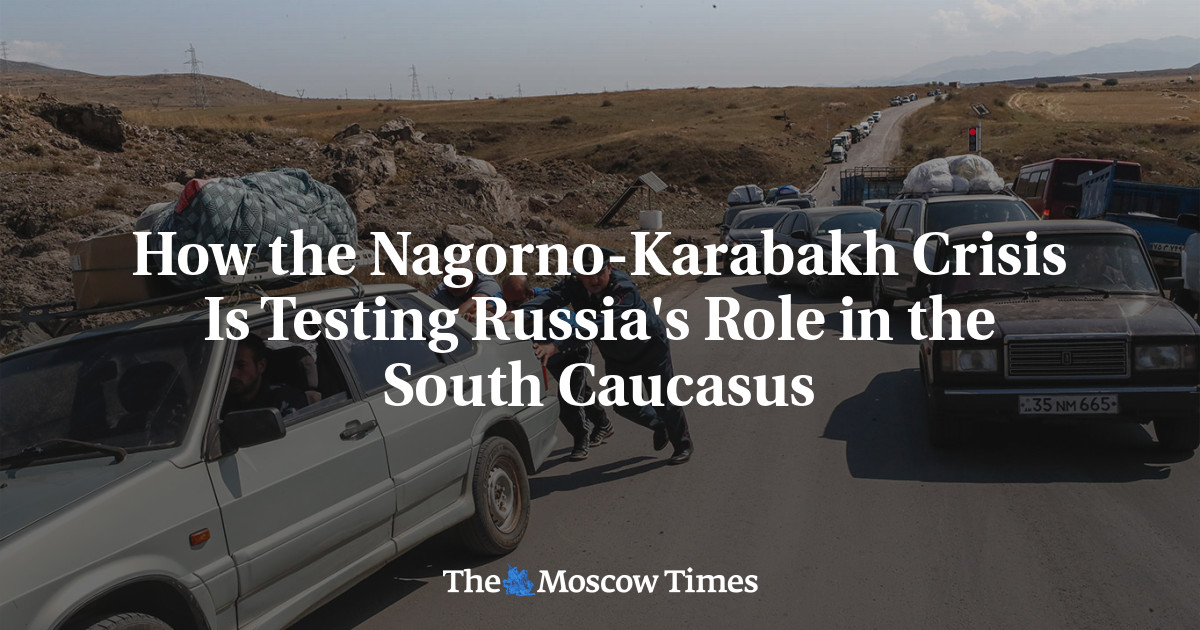
The Nagorno-Karabakh crisis has strained Russia's role as a mediator in the South Caucasus, with Armenia losing faith in Russia as an ally. The recent escalation by Azerbaijan and the dissolution of Nagorno-Karabakh's Armenian separatist government have further strained Russian-Armenian relations. The crisis raises questions about why Russian peacekeepers did not intervene during Azerbaijan's offensive and how it changes the power dynamics in the region.
Nakhchivan, a small exclave of Azerbaijan separated from the rest of the country by Southern Armenia, could potentially trigger the next conflict in the Caucasus region. With the recent reconquest of Nagorno-Karabakh, Azerbaijan now controls all of its territory up to the Armenian border region of Syunik, which separates it from Nakhchivan. Azerbaijan and Turkey are pushing for an Azeri-controlled corridor that would cut across southern Armenia, creating a pan-Turkic entity. The Armenians oppose this, but with Azerbaijan's newfound dominance and Turkish support, it remains uncertain if anyone would come to Armenia's defense.
Armenian Prime Minister Nikol Pashinyan criticized Russia for failing to ensure Armenia's security and accused Moscow of gradually withdrawing from the wider South Caucasus region. Pashinyan stated that relying solely on Russia for security was a strategic mistake and that Armenia is now seeking to diversify its security arrangements, including closer ties with the European Union and the United States. He also criticized Russian peacekeepers for not fulfilling their duties in upholding the ceasefire agreement in the Nagorno-Karabakh conflict.
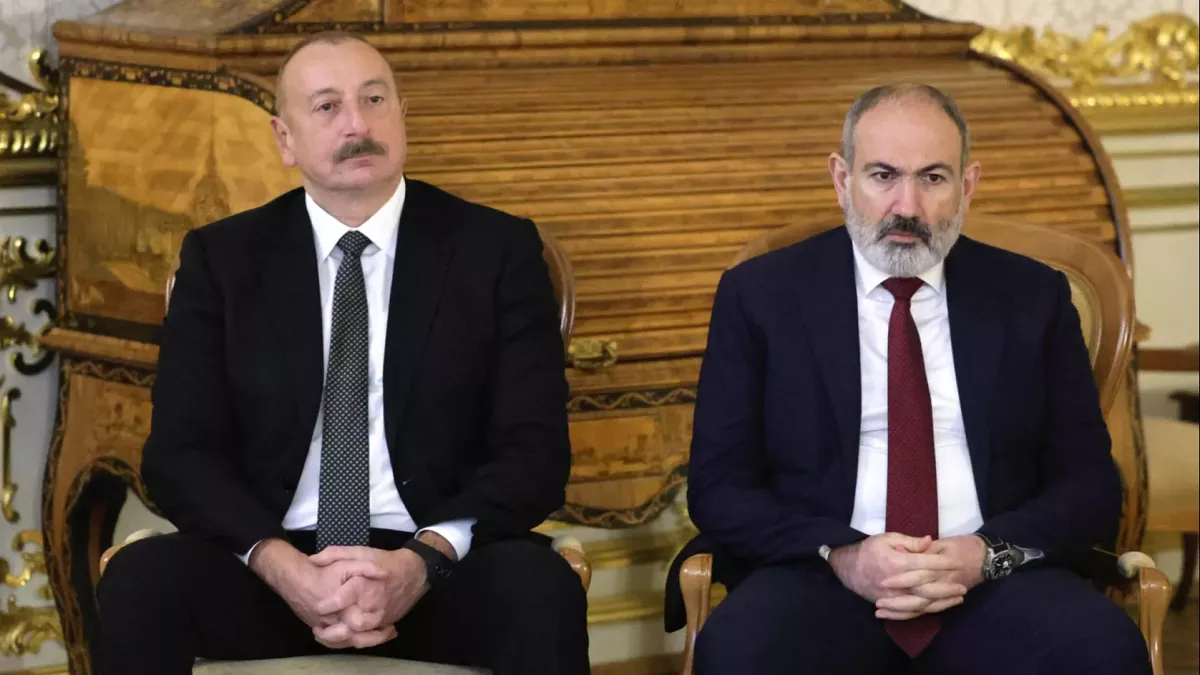
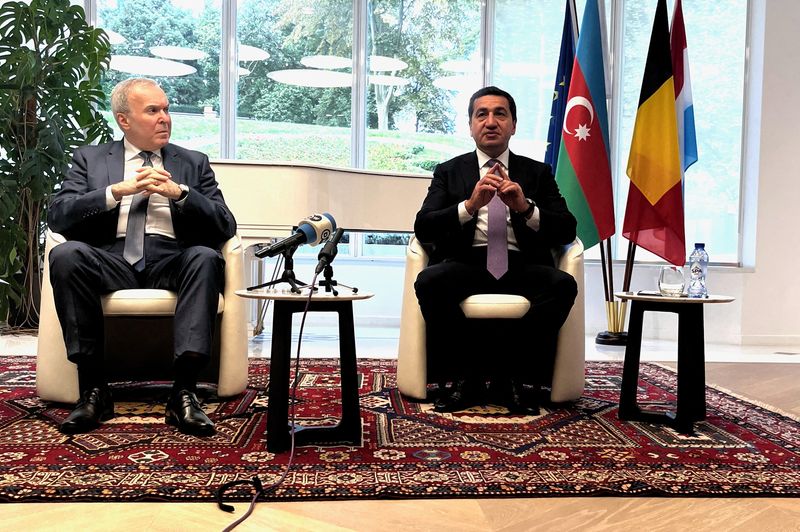
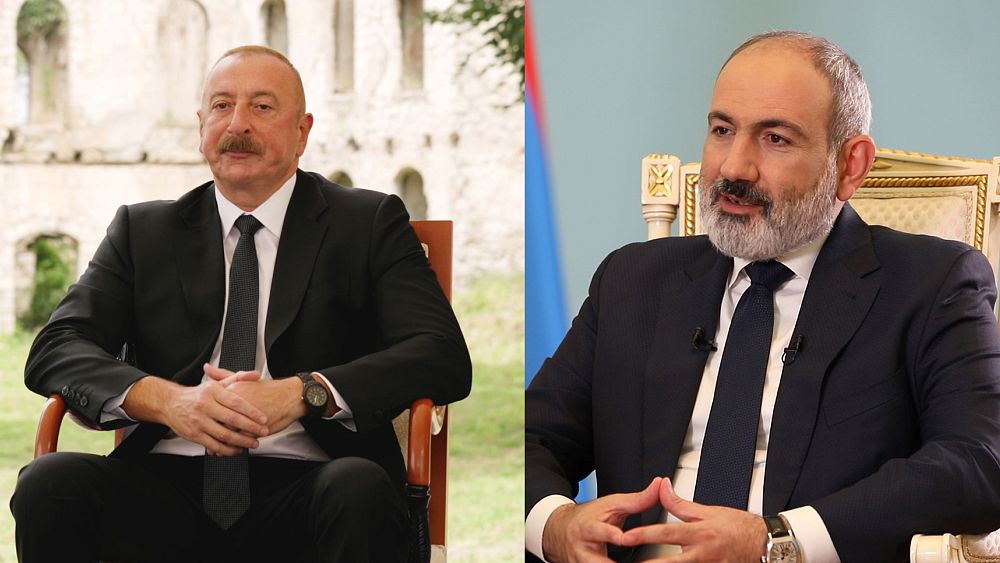
The leaders of Azerbaijan and Armenia, President Ilham Aliyev and Prime Minister Nikol Pashinyan, discuss the prospects for peace in the South Caucasus region, particularly in Nagorno-Karabakh. Despite a ceasefire deal brokered by Russia in 2020, tensions remain high, and recent disagreements over the Lachin Corridor indicate a long road to peace. The United States and the European Union have been involved in mediating the crisis, as Russia's role has diminished. Both leaders express hope for peace, but the path forward remains uncertain.
Peace is closer to being achieved in the South Caucasus region as Armenia and Azerbaijan have agreed to a ceasefire in the disputed Nagorno-Karabakh region. The ceasefire was brokered by Russia and comes after weeks of intense fighting between the two countries. The conflict has resulted in hundreds of deaths and displaced thousands of people.