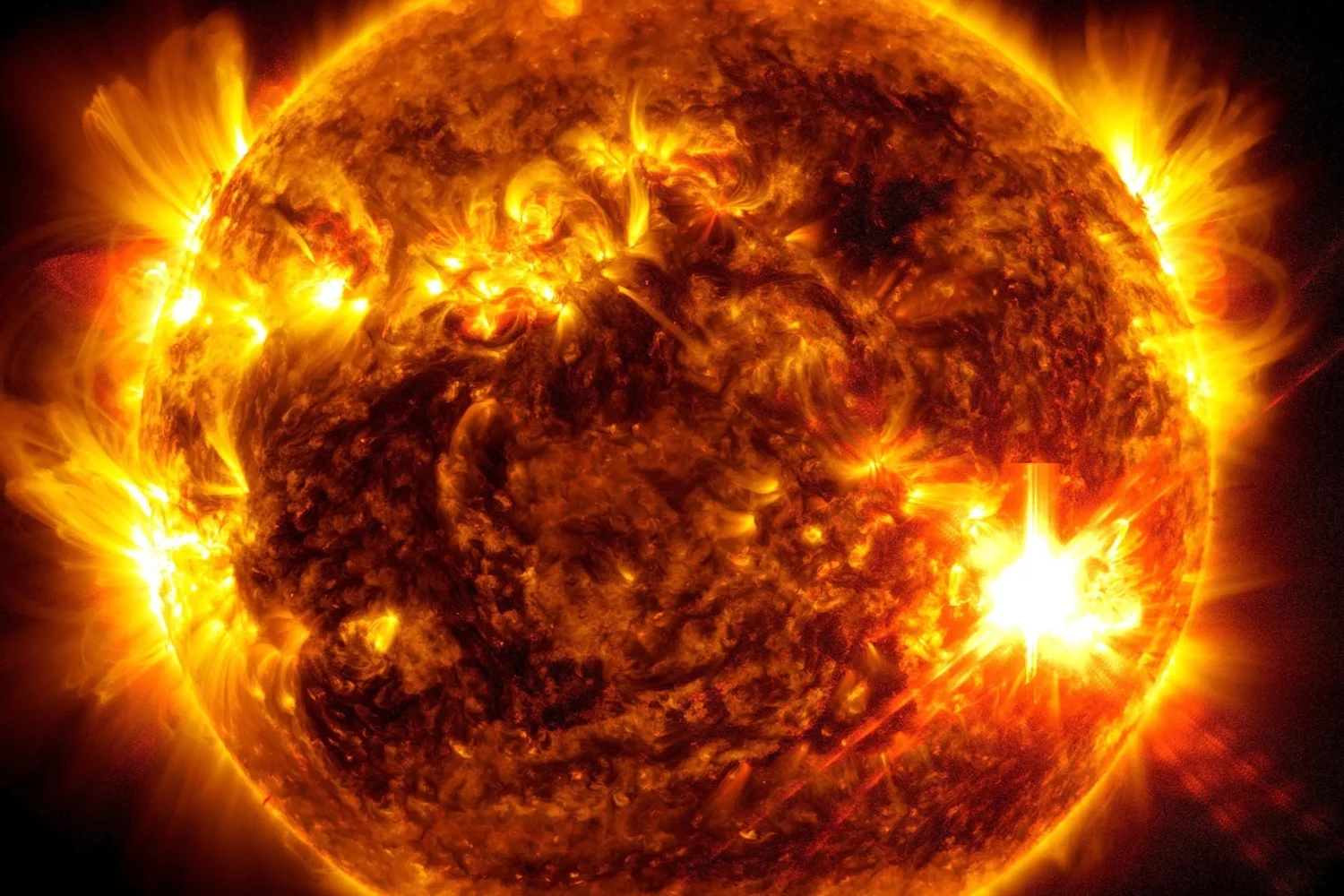
A burst water pipe at Stanford's Joint Science Operations Center has halted NASA's Solar Dynamics Observatory (SDO) data processing, damaging equipment crucial for solar observations. The facility, which processes data from instruments like the Helioseismic and Magnetic Imager, will remain offline until repairs are completed, expected by 2025. Although the instruments continue to function, the inability to process new data is problematic as the Sun is currently in its solar maximum phase, a period of heightened activity.
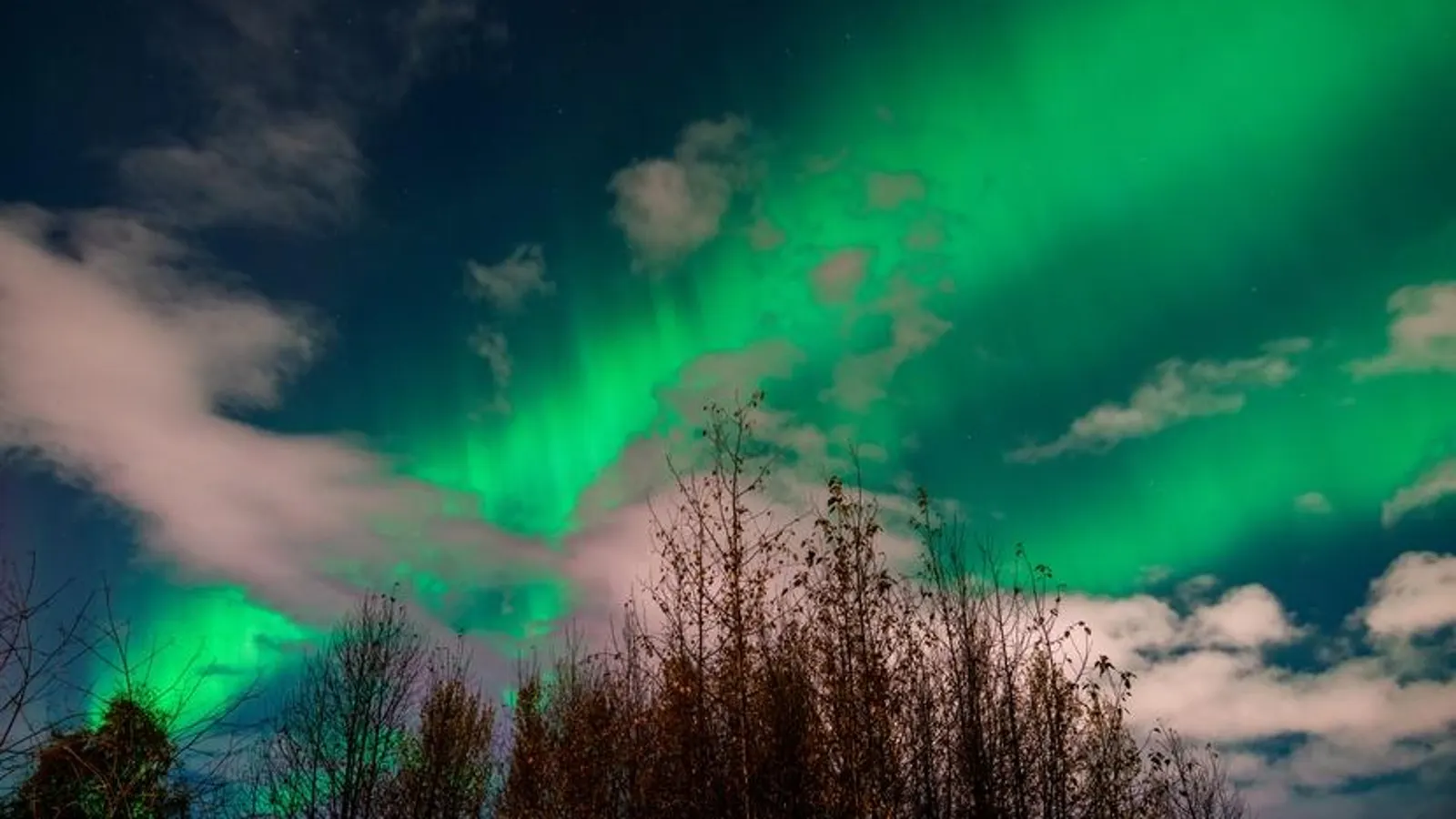
The National Oceanic and Atmospheric Administration (NOAA) forecasts that a minor geomagnetic storm may make the aurora borealis visible in several northern U.S. states, including Alaska, Washington, and Minnesota, on Thursday night. The aurora, with a Kp index of 4, is best viewed between 10 p.m. and 2 a.m. local time. This increased solar activity is part of the sun's "solar maximum" phase, which is expected to continue over the next year.
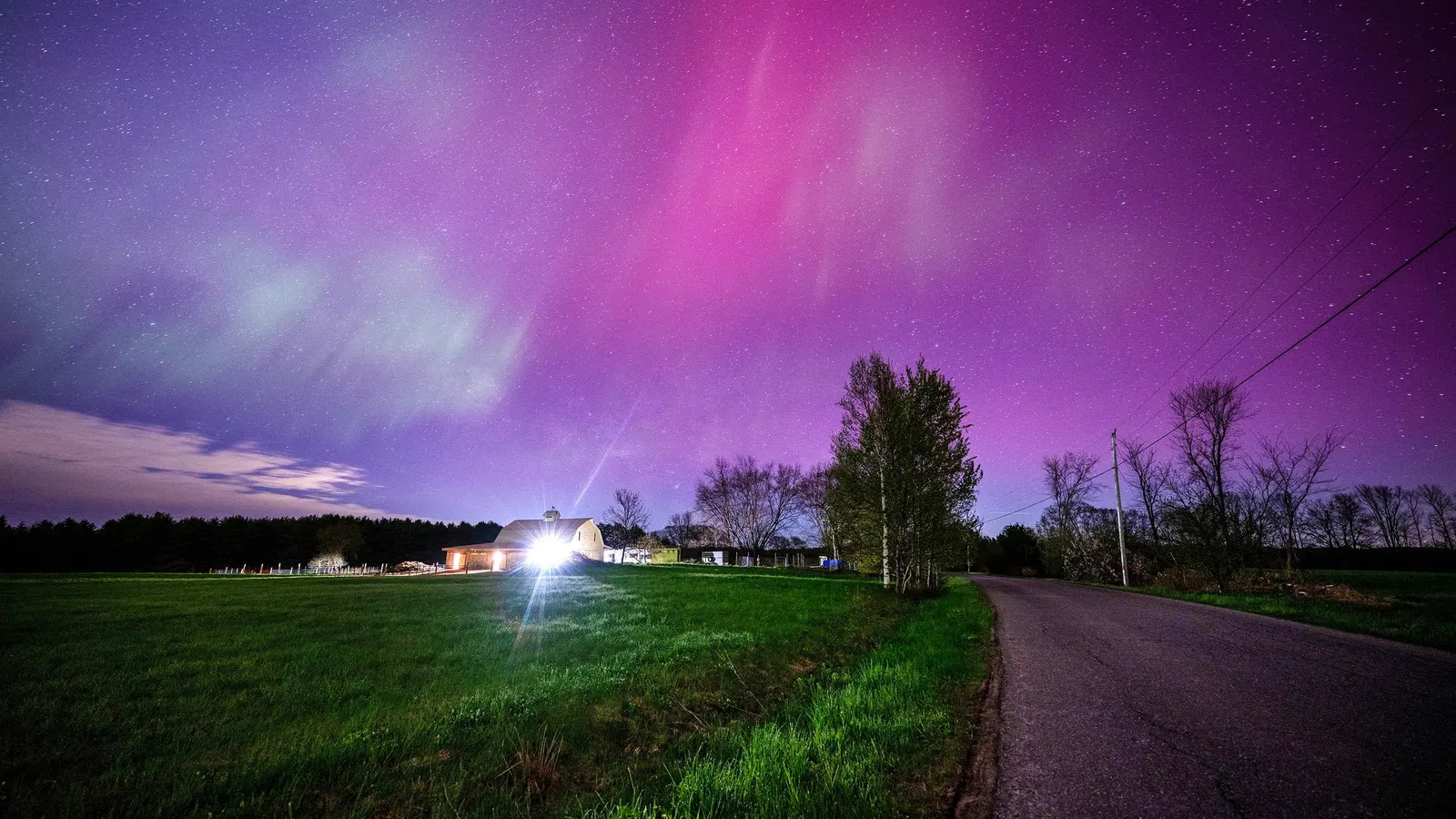
The National Oceanic and Atmospheric Administration (NOAA) forecasts increased auroral activity, with the northern lights potentially visible in parts of the northern U.S. states like Maine, Michigan, Minnesota, and Wisconsin due to a geomagnetic storm. The Kp index is expected to reach four on Tuesday and five on Thursday, indicating brighter auroras. The best viewing times are between 10 p.m. and 2 a.m., away from light pollution. This surge in celestial activity is linked to a solar maximum, which will continue to enhance visibility of the aurora borealis through 2025.