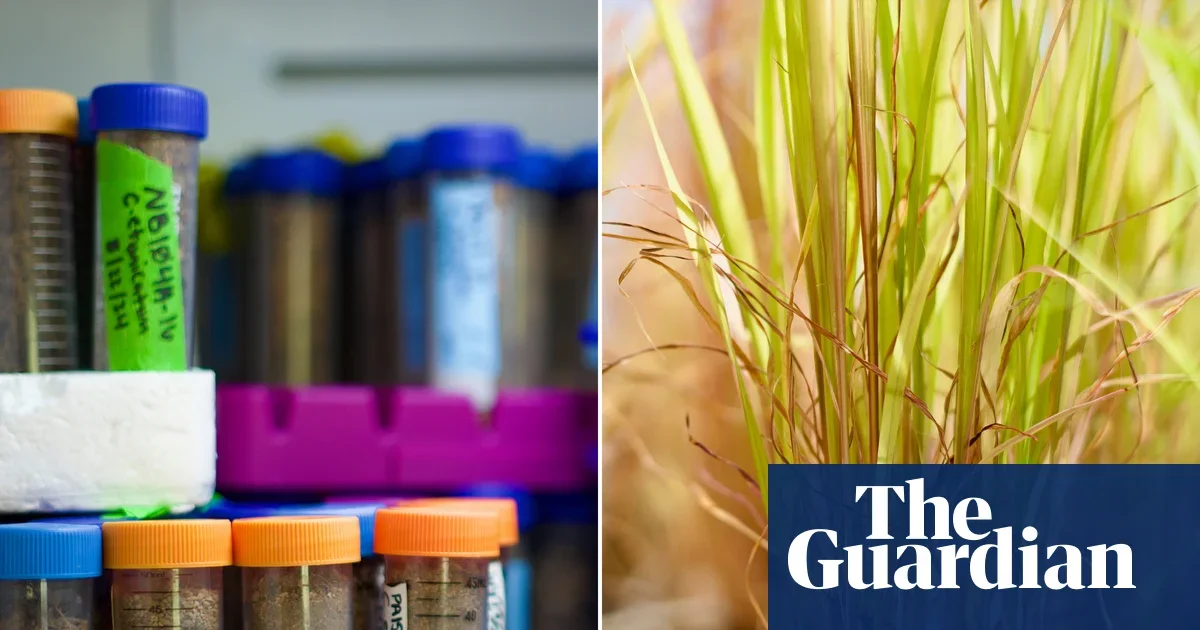
The International Collection of Vesicular Arbuscular Mycorrhizal Fungi (INVAM), a crucial global repository of soil fungi vital for ecosystem health and agriculture, faces imminent closure due to federal funding cuts, risking the loss of decades of scientific research and potential environmental benefits.
A study published in Nature Communications Biology suggests that soil fungi, particularly mycorrhizal fungi, may be influencing global forest diversity. The research indicates that mycorrhizal fungi, which form mutually beneficial relationships with plant roots, counteract the effects of harmful soil pathogens, potentially influencing global patterns of forest diversity. The study used data from 43 Forest Global Earth Observatory (ForestGEO) plots and found evidence for both diversity-promoting effects of arbuscular fungi and diversity-reducing effects of ectomycorrhizal fungi, shedding light on the role of soil microbes in driving global biodiversity patterns.