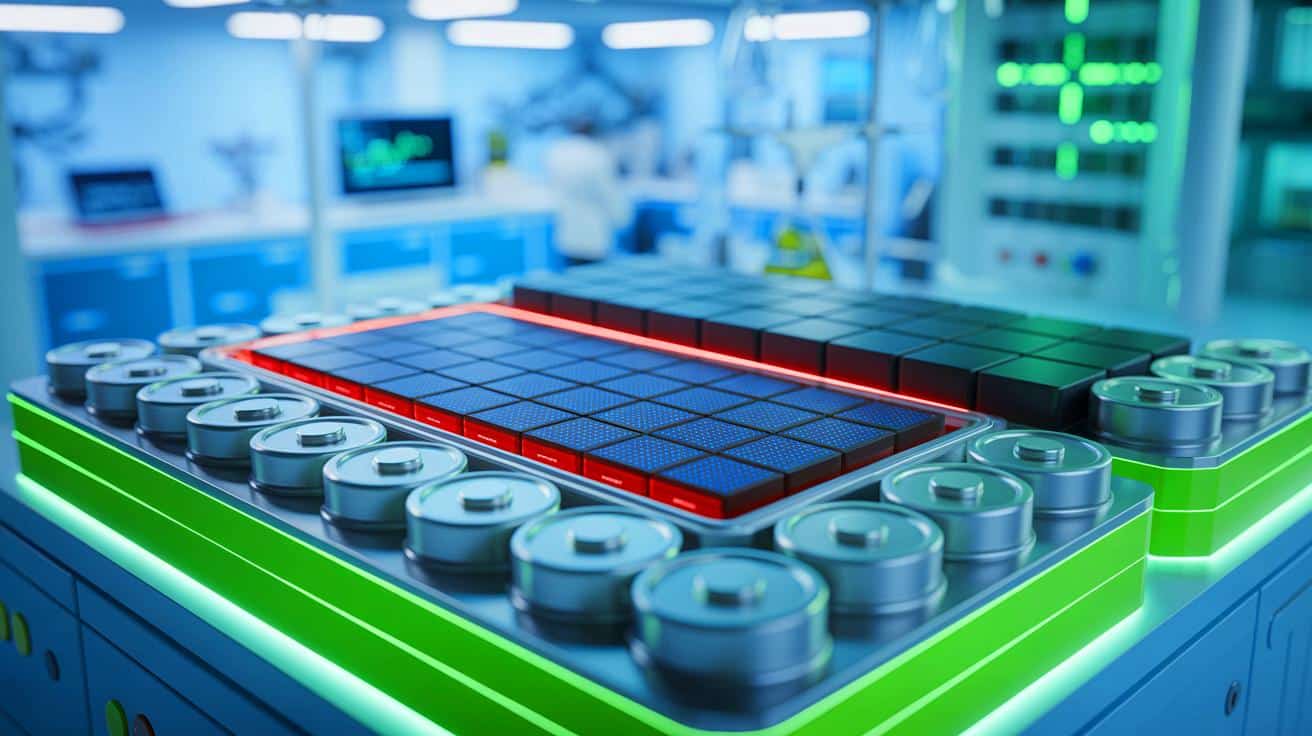
Japanese scientists at Tokyo University of Science have discovered that doping sodium-ion battery cathodes with scandium significantly improves their performance and structural stability, addressing capacity fading issues and paving the way for more durable, sustainable energy storage solutions.
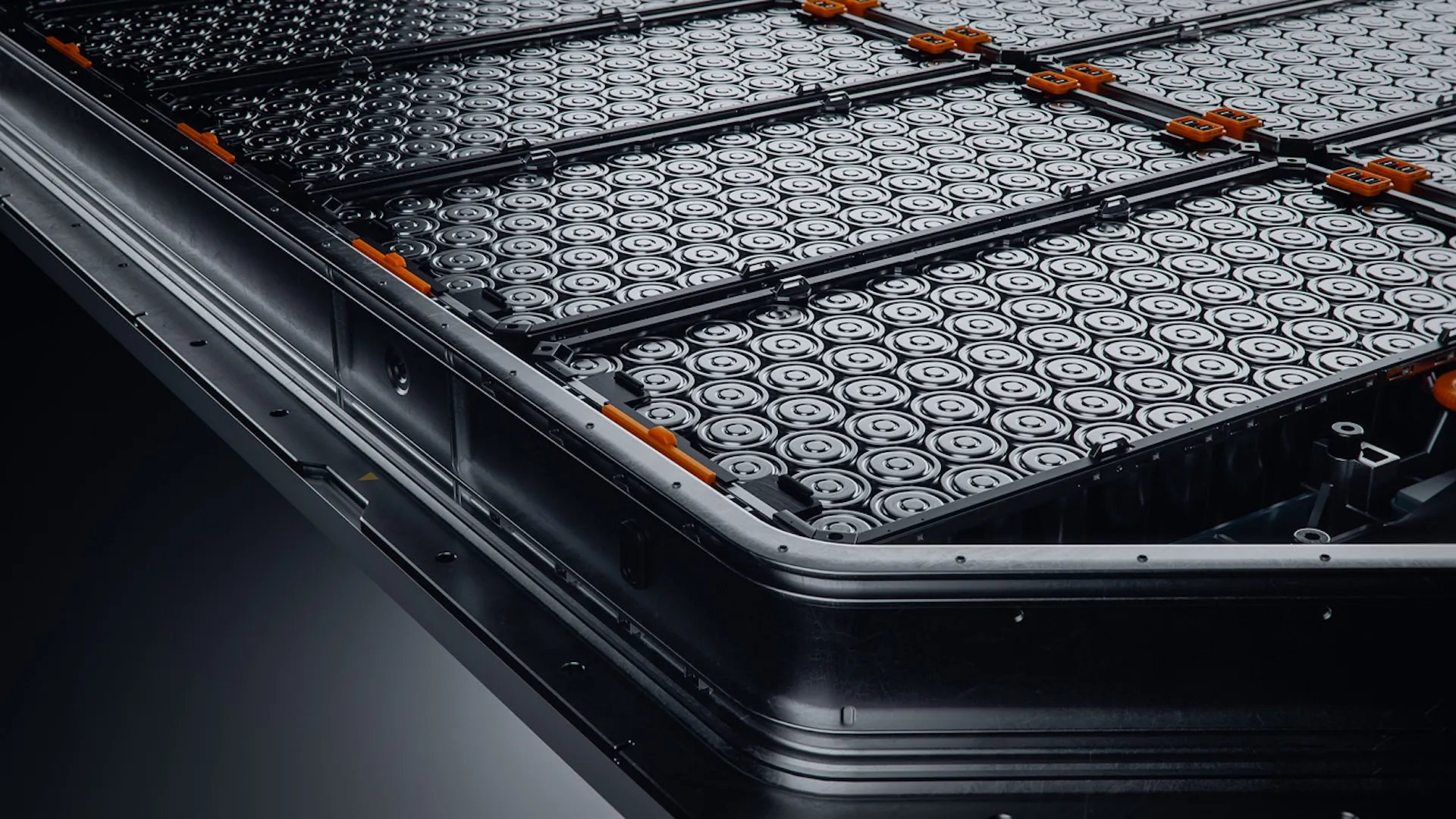
China is leading the global push towards sodium-ion batteries, which are used in electric scooters and energy storage, due to their abundance, safety, and potential cost advantages over lithium-ion batteries. Major Chinese companies are rapidly developing and deploying this technology, aiming to reduce dependence on key raw materials and expand clean transportation and energy storage solutions.
Researchers at Harvard University have developed a breakthrough in sodium-ion battery technology using tea leaf waste to create an affordable and sustainable battery anode, potentially providing a solution for grid-level energy storage. The new anode, named TS-1400-HCl, showed significant improvements over existing carbon anodes, with greater capacity, efficiency, and longevity. This biomass approach has the potential to offer real sustainability and positive environmental impact as a mainstream, affordable battery material, with the battery estimated to cost about $5-7 per kilogram.
Carvana is seeking to restructure its $9 billion debt with the help of its creditors, offering between 63 cents and 81 cents on the dollar to holders of five tranches of outstanding bonds maturing between 2025 and 2030. Meanwhile, a Reuters and Ipsos poll found that 34% of Americans would consider buying an EV, with 56% willing to pay no more than $49,999 for one. In Mexico, EVs made up just 0.5% of domestic auto sales last year, while output of EVs in the country is expected to surge to 142,000 cars this year from 78,000 in 2022. Lithium-ion batteries are currently the best energy storage technology for EVs, but the industry is looking at sodium-ion batteries as a more abundant stand-in for lithium. Finally, Stellantis' Eisenach plant in Germany will receive $140 million to prepare it to build a new Opel electric SUV in the latter part of 2024.