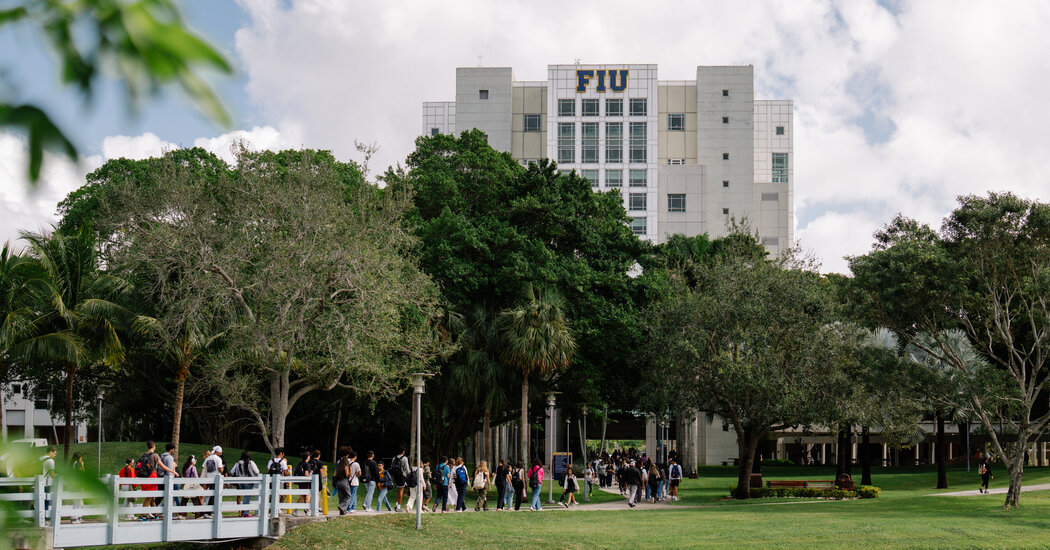
Florida is attempting to limit progressive ideology in education by reducing the emphasis on sociology courses in its curriculum. This move is part of a broader strategy to influence the ideological direction of educational content in the state.
A study in Columbus found that Black youth feel less safe when visiting predominantly white areas of the city, with those spending the most time in such areas feeling the least safe. The perception of being less safe in white neighborhoods may have real-life health consequences for Black youth, as high levels of chronic stress were found to have negative effects on their health. This study sheds light on the unique challenges Black youth face when trying to access resources often located in predominantly white neighborhoods in American cities.
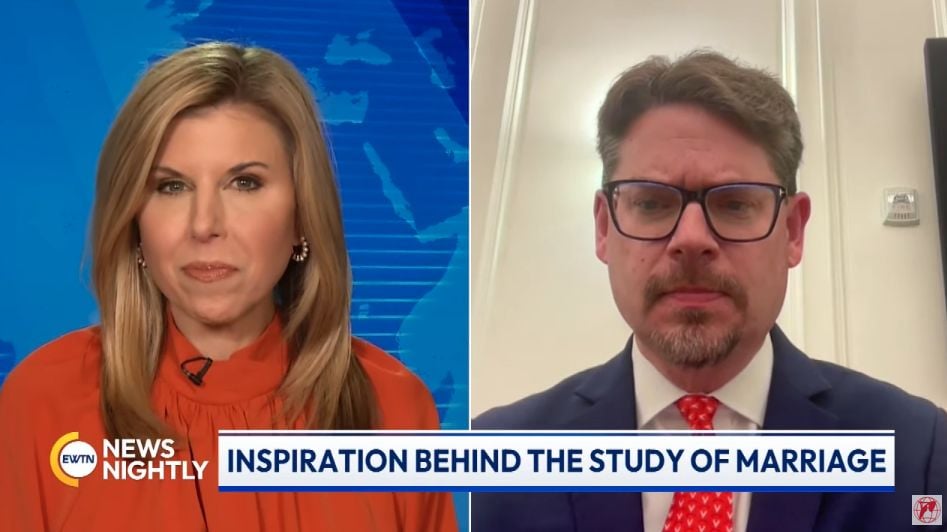
According to sociological data compiled by professor Brad Wilcox, married men and women who attend church regularly are among the happiest couples, with higher levels of happiness and sexual satisfaction compared to their unmarried counterparts. Wilcox's research also indicates declining divorce rates, but a marked decline in marriage rates among younger Americans, raising concerns about the future of marriage in the U.S. National Marriage Week is observed in the U.S. every Feb. 7–14, coinciding with World Marriage Day on the second Sunday of every February.
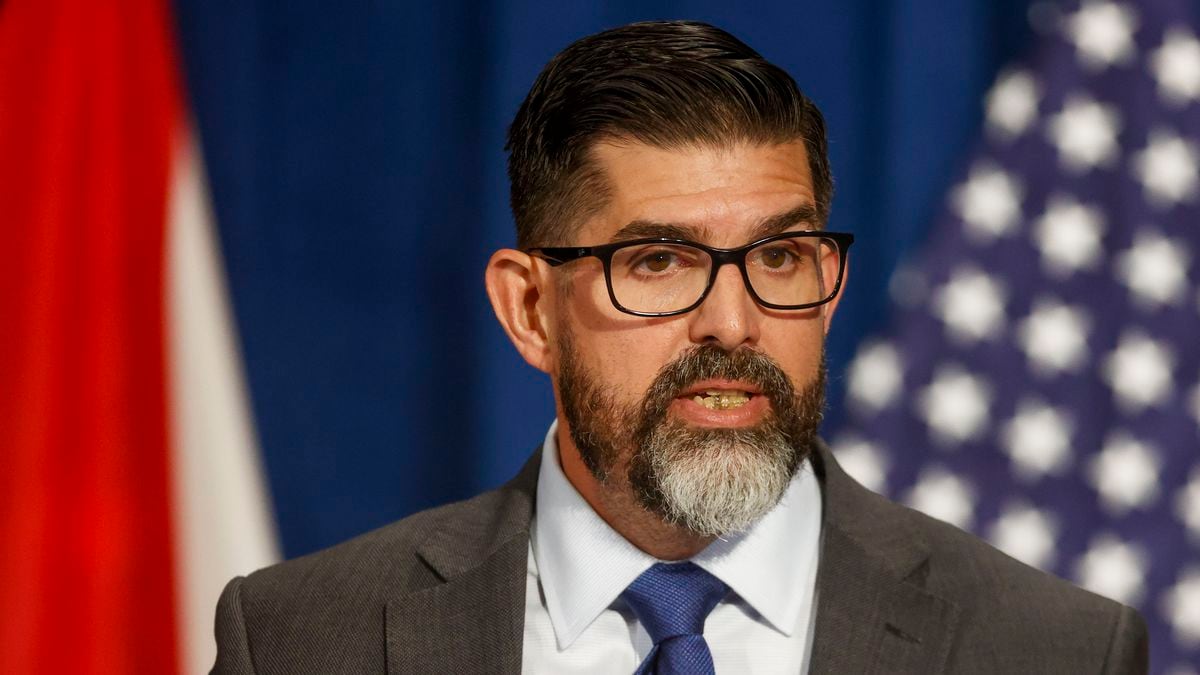
Florida's board of education, led by Governor Ron DeSantis, has removed sociology as a core class from the state's public universities, replacing it with a US history curriculum. This move is part of a series of "anti-woke" measures, including banning an advanced placement class in African American studies and planning to abolish diversity, equity, and inclusion programs. Educators and the American Sociological Association have criticized the decision, warning of plummeting enrollments and the devastating impact on sociology departments. Critics view this as part of DeSantis's "culture wars" and a political approach to reforming college campuses.
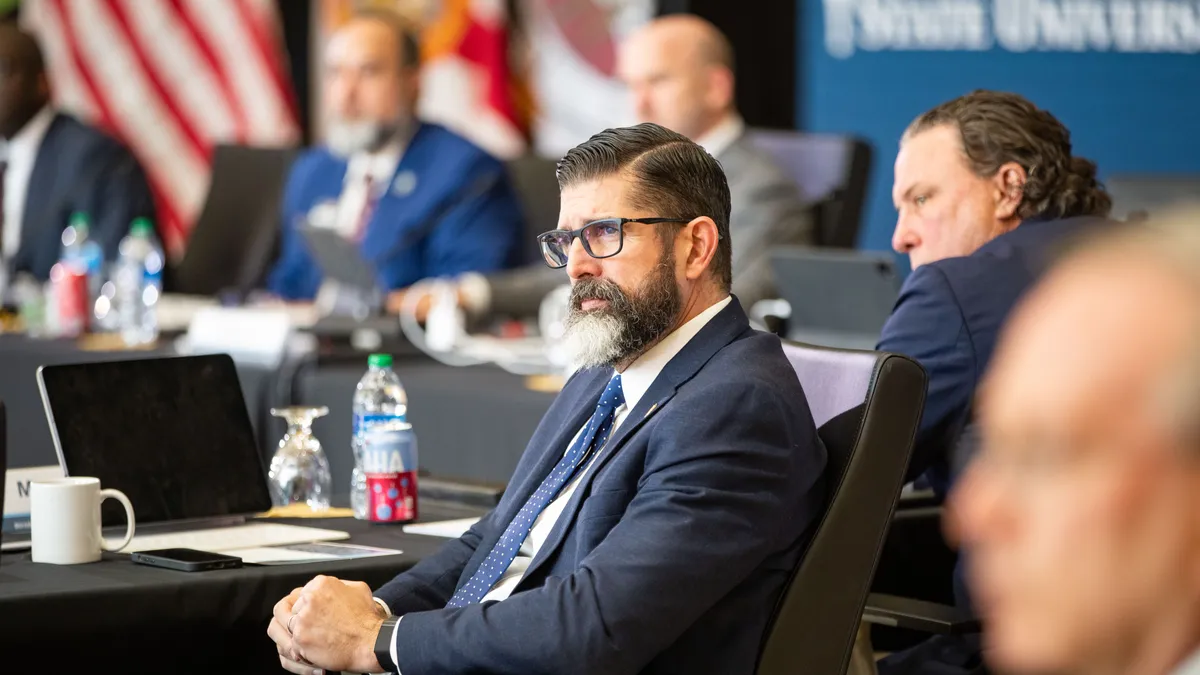
Florida's State University System Board of Governors removed sociology as a core course requirement for university students, replacing it with a U.S. history pre-1877 course, and also barred the use of state or federal money for diversity, equity, and inclusion programs. The decisions were framed as combating "woke ideology" in higher education, sparking protests from Florida State University students. In other news, the Board of Governors censured the chairperson of the Florida Atlantic University Board of Trustees, and the House and Senate unveiled preliminary education budget plans for the upcoming fiscal year.
Florida's state university system has eliminated sociology as a core course, replacing it with a "factual history course" following a decision by the board of governors. This move, supported by Governor Ron DeSantis, has sparked outrage from sociology professors and the American Sociological Association, who argue that the decision was made without evidence and undermines the scientific study of social life. Critics view this as part of a broader effort to challenge liberal orthodoxy in education, with concerns raised about the potential impact on sociology departments and student enrollments.
Florida's public universities have voted to remove sociology as a core course, replacing it with an introductory American history course, and prohibiting public spending on diversity, equity, and inclusion initiatives. The decision has sparked outrage from professors, alumni, and the American Sociological Association, who argue that sociology is essential for civic literacy and a broad range of careers. Critics of the move claim it reflects a misunderstanding of sociology and its value, while supporters argue that the change prioritizes more relevant subjects for Florida's needs.
The Florida Board of Governors approved new rules that prohibit diversity, equity, and inclusion spending and remove sociology from general education core course options at the state's public universities, sparking protests from students and professors. This move aligns with Governor Ron DeSantis' conservative focus on education, aiming to dismantle DEI programs in public colleges and universities. Critics argue that the rules deny students their First Amendment rights and force Floridians to attend college out of state, while supporters emphasize the focus on preparing students for high-demand, high-wage jobs.
The Florida State Board of Education voted to ban spending on diversity, equity, and inclusion programs at state colleges and replace a Principles of Sociology course with an American History course, citing a desire to avoid "radical woke ideologies." Critics argue that the move restricts academic freedom and speech, while supporters claim it eliminates discrimination and indoctrination. The decision has sparked backlash from civil rights activists, LGBTQ+ advocacy groups, and the American Sociological Association, who argue that the changes undermine the study of social issues and fail to provide students with a comprehensive education.
The Florida State Board of Education unanimously approved rules to prohibit spending on diversity efforts at state colleges and remove sociology as a core course option, citing concerns about "woke ideology" and the need to comply with a new state law. The move has sparked controversy and criticism from sociology department heads, who argue that sociology courses have been integral to higher education for nearly two centuries. The rules also seek to prohibit state or federal funds from being spent on diversity programs or activities promoting political or social activism, with exceptions for student organizations and certain access programs.
Florida's State Board of Education has approved rules that prohibit the use of taxpayer funds to promote diversity, equity, and inclusion (DEI) in the state's college system, removing a sociology class from required courses and replacing it with American history. The regulations aim to limit public funding for programs that classify individuals based on race, color, sex, national origin, gender identity, or sexual orientation. The move is based on a law passed in May and signed by Gov. Ron DeSantis, sparking debate over the role of DEI and identity politics in education.
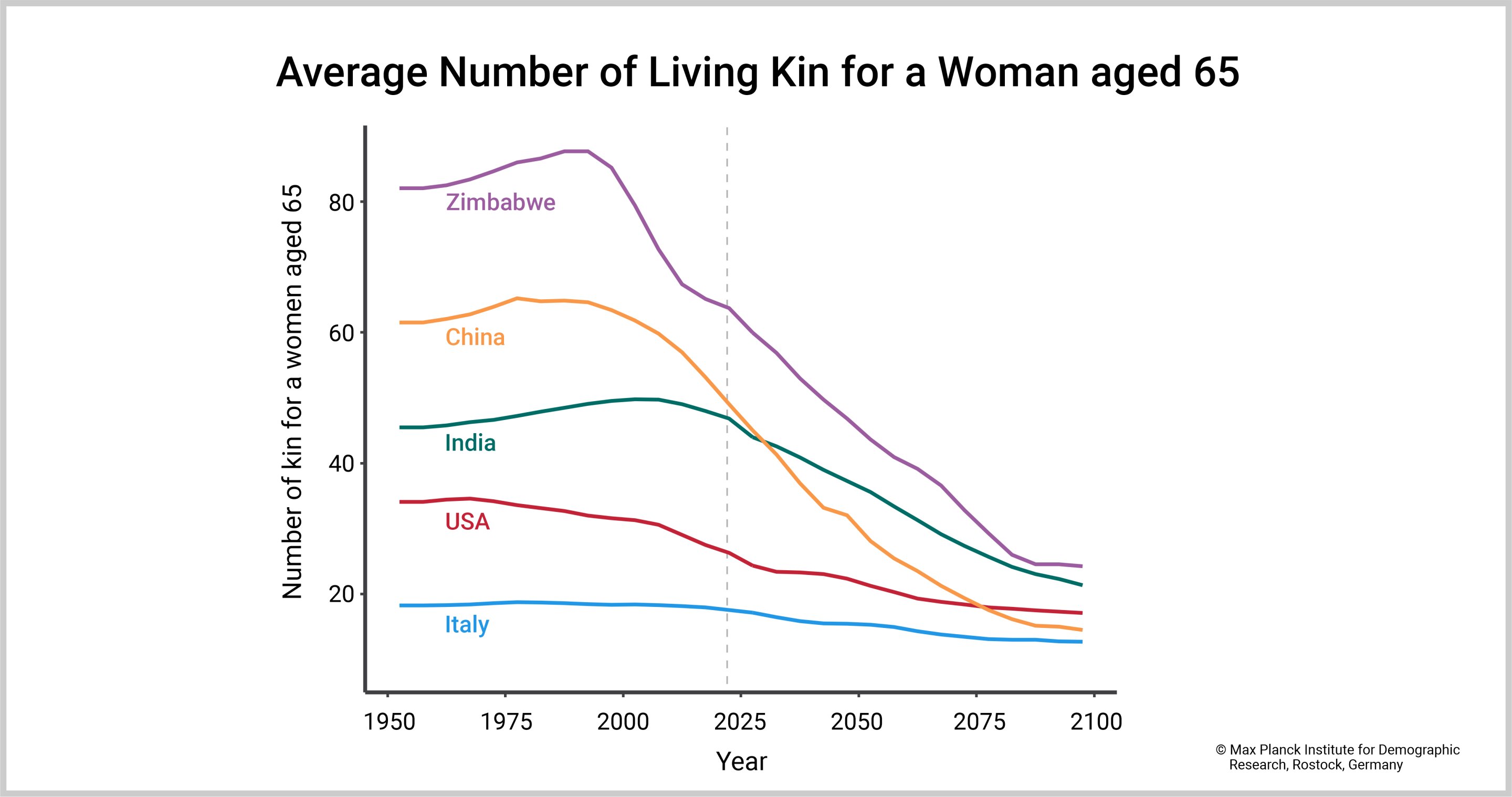
A study predicts a significant decrease in the number of relatives individuals will have in the future, with a projected 35% decline in kinship. The structure of families is expected to change, with a decrease in cousins, nieces, nephews, and grandchildren, and an increase in great-grandparents and grandparents. This shift poses challenges for informal care provision, especially in the context of aging populations, highlighting the need for investment in social support systems to ensure the well-being of individuals at all stages of life.