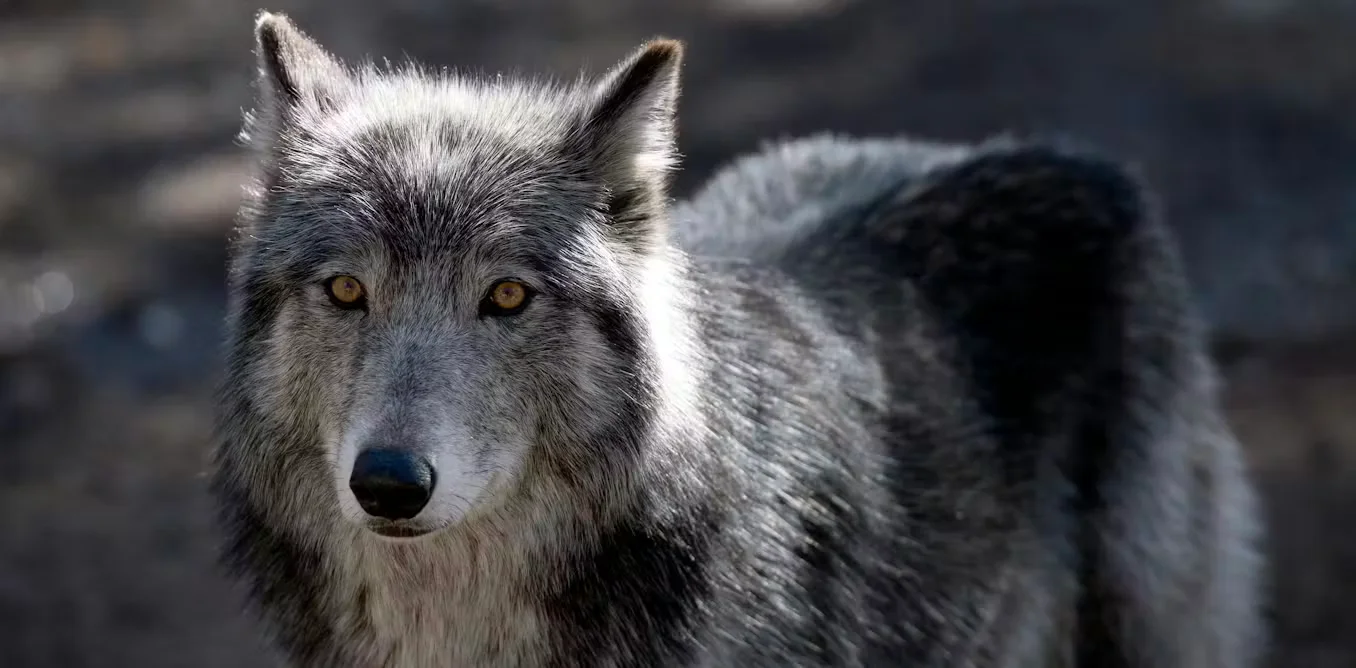
Despite common perceptions of conflict over wolf management in the U.S., most Americans hold positive views of wolves, and polarization is often driven by social identity and assumptions about others' attitudes. Recognizing shared values and correcting misconceptions can help bridge divides and promote coexistence.
Scientists studying conflict and human behavior emphasize the importance of understanding the biology behind toxic interactions. Humans are wired to form strong bonds with groups that can help them survive, leading to empathy for those within their group and less empathy for adversaries. Conflict dampens the brain's ability to feel love. Lessons from peacemakers like Nelson Mandela and Shirley Chisholm show that diffusing conflicts requires recognizing the humanity of opponents and respecting their sacred values. By emotionally disarming the opposition and neutralizing assumptions of negative intent, adversaries can come together and change history. On a smaller scale, these approaches can also repair damaged friendships. Taking "microbreaks" and reducing stress can help regain perspective and handle conflict better.