Tag

Sled Dogs

All articles tagged with #sled dogs

Uncovering the Genetic Secrets of Balto, the Famous Sled Dog
science2 years ago

Uncovering the Genetic Secrets of Balto, the Famous Sled Dog

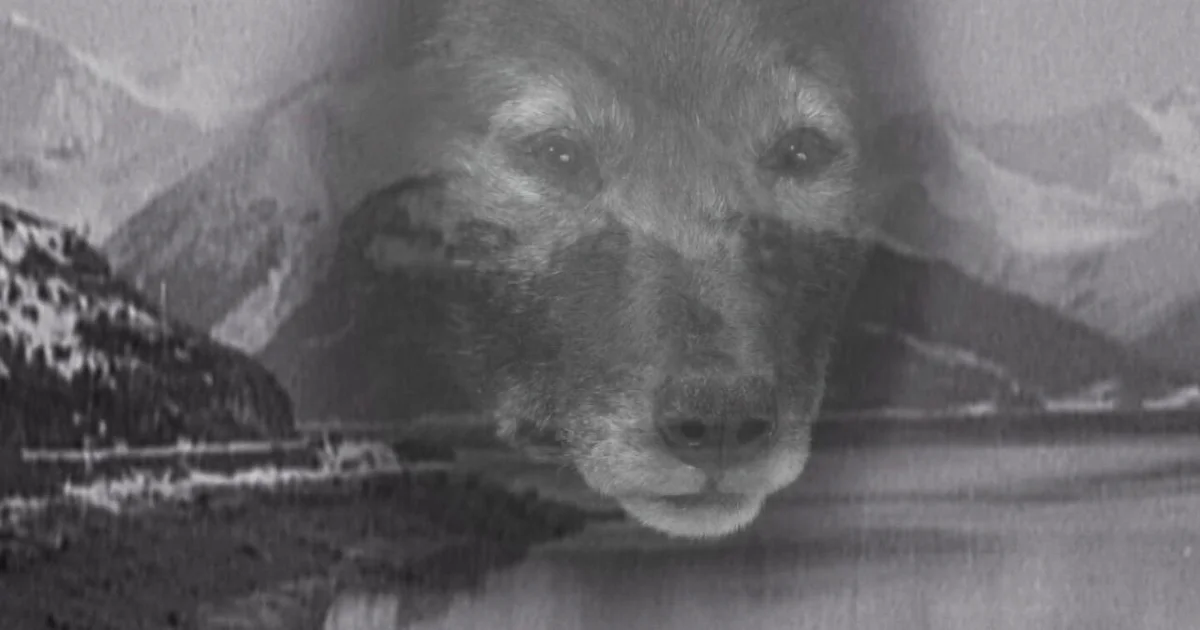
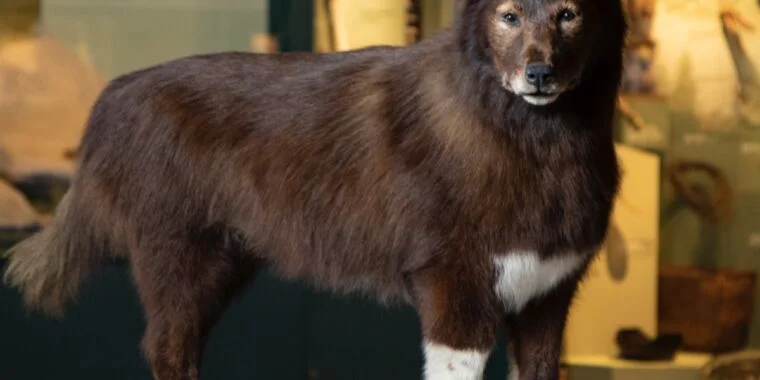
A new study of the taxidermied remains of Balto, the famous Siberian Husky sled dog, has revealed that his more diverse genes helped him survive the harsh journey better than his descendants would have. Researchers found that Balto and his working sled dog contemporaries were more genetically diverse than modern breeds and may have carried variants that helped them survive the harsh conditions of 1920s Alaska. The investigation into his genes revealed "no discernible wolf ancestry", according to the study authors.
Uncovering the Genetic Secrets of Balto, the Heroic Sled Dog.
us2 years ago

Uncovering the Genetic Secrets of Balto, the Heroic Sled Dog.

A DNA study of Balto, a sled dog who helped carry life-saving medicine through blizzards in 1925, has revealed that he had fewer potentially dangerous mutations than modern breeds of dogs, suggesting he was healthier. Contrary to a legend that held that Balto was half wolf, the analysis found no evidence he had wolf blood. Balto shared ancestors with modern-day Siberian Huskies and the sled dogs of Alaska and Greenland. The study also compared Balto's genes with the genomes of 240 other species of mammals, allowing researchers to determine which DNA fragments were common across all those species.

Genome of Famous Sled Dog Balto Sequenced by Scientists
science2 years ago

Genome of Famous Sled Dog Balto Sequenced by Scientists

Scientists have sequenced the genome of Balto, the famous sled dog who led his team on the last leg of a 127-hour dogsled relay across Alaska to bring lifesaving medicine to the people of Nome in 1925. The study found that Balto was just part Siberian husky and not part wolf, contrary to popular legend. The genome sequencing sheds light on why Balto and similar sled dogs from that period proved well-suited to thrive in the harsh winter environment. The findings are part of the Zoonomia Project, an international collaboration to sequence and compare the genomes of 240 mammals.