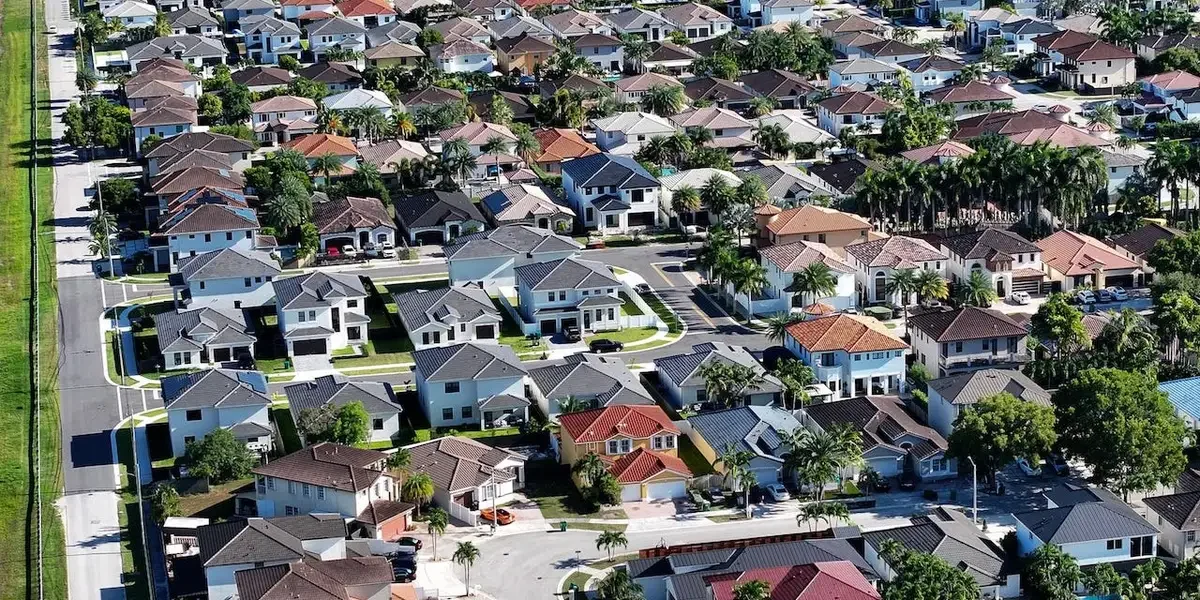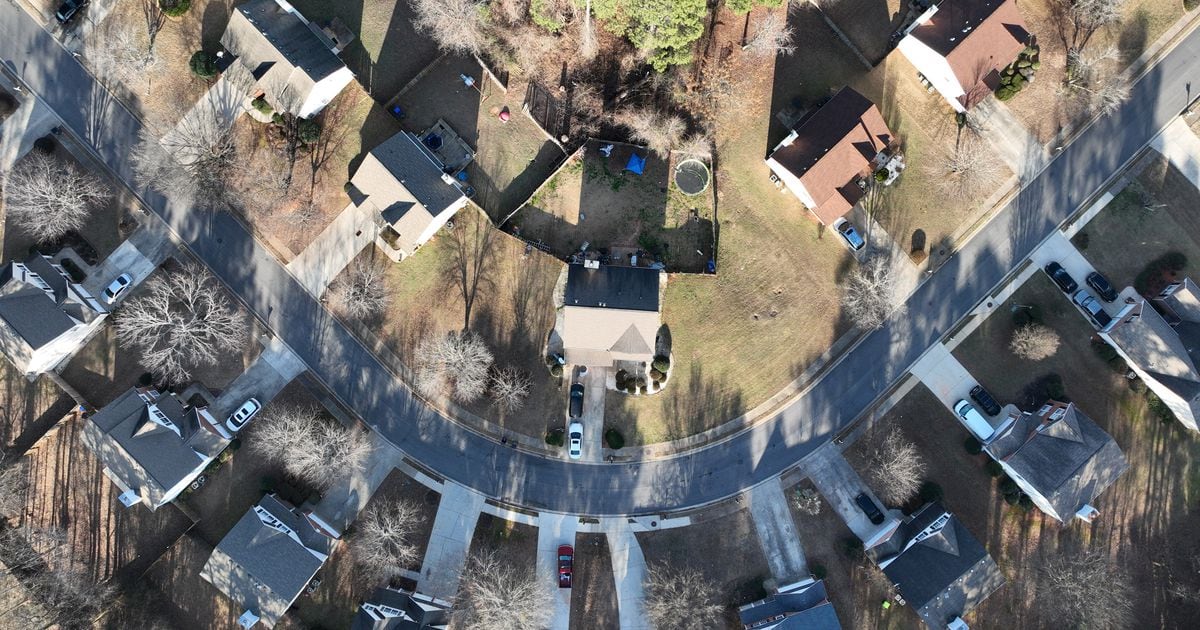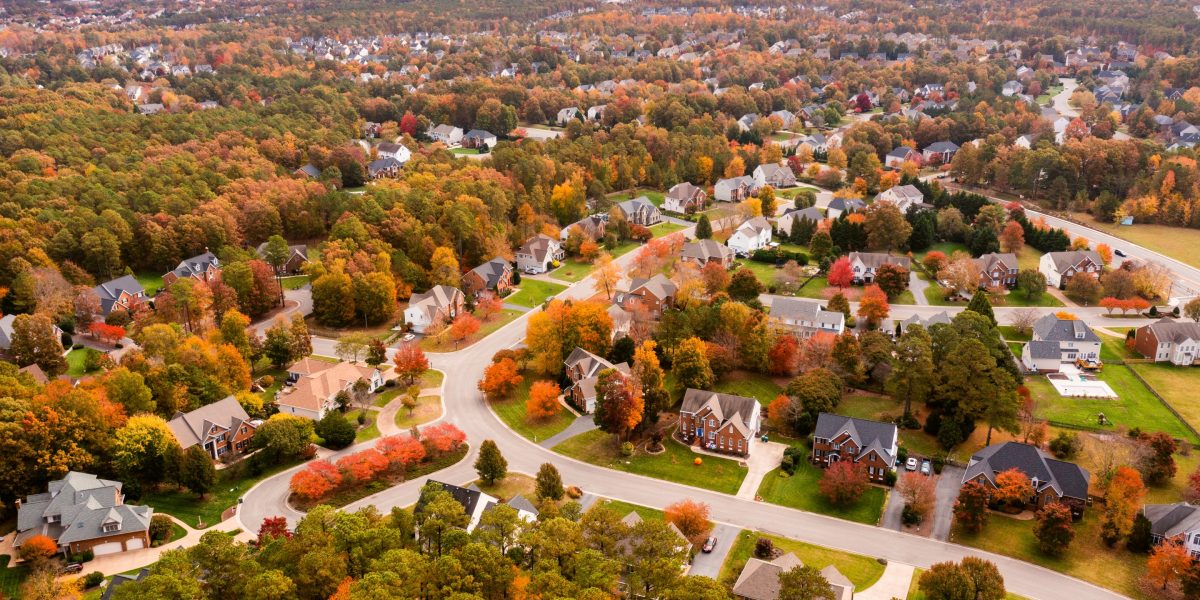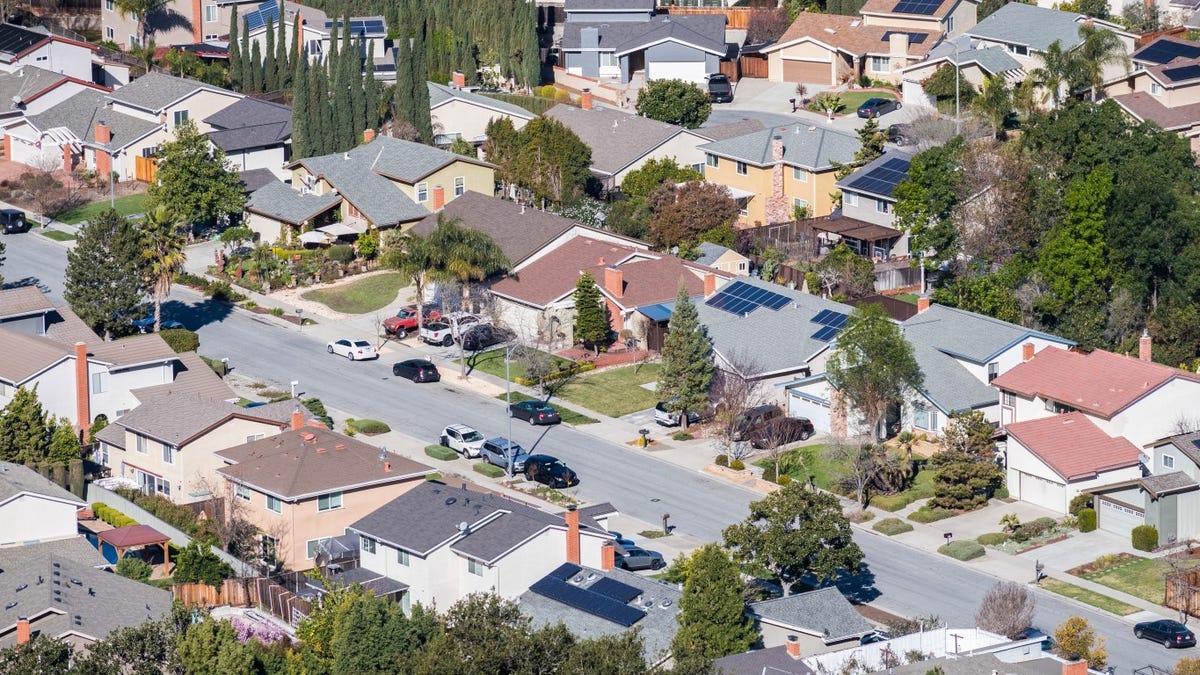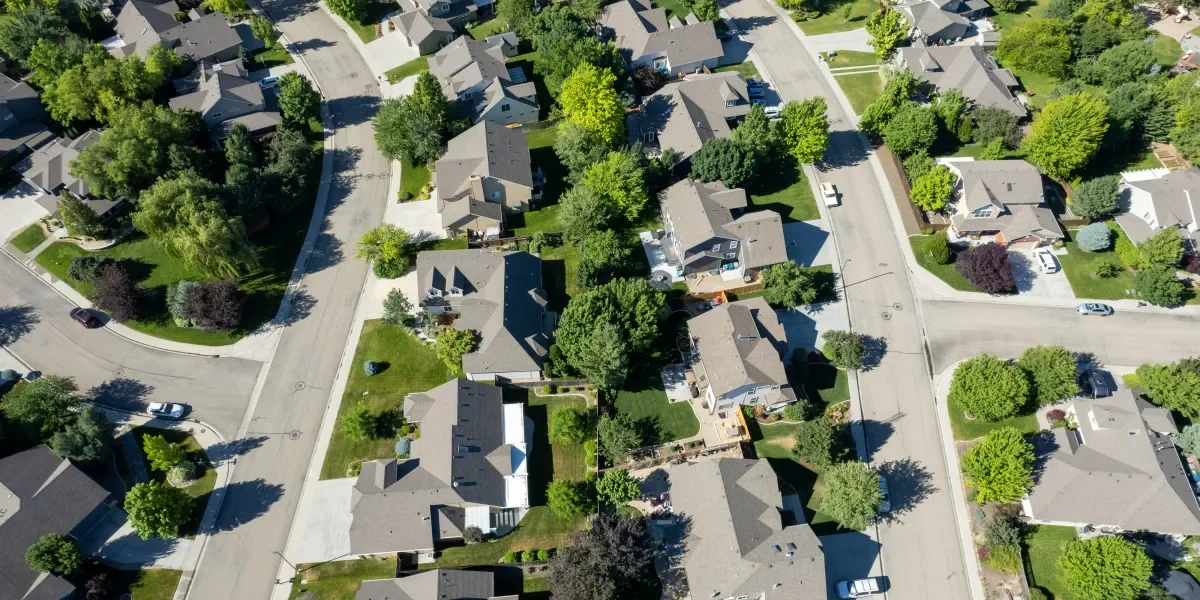
Institutional investors own a small overall share of US single-family rental homes, but their ownership is heavily concentrated in Southern and Sun Belt cities like Atlanta, Dallas, and Phoenix, where they control significant portions of the rental market. President Trump has proposed banning large institutional investors to make homeownership more affordable, but experts argue that the real issue is a nationwide housing shortage, and that concentration of ownership could lead to higher rents and market power concerns.
A U.S. Government Accountability Office report reveals that Atlanta has the highest share of investor-owned single-family rental properties among major U.S. cities, with 25% of the market. The report highlights the significant role of institutional investors in the Sun Belt region, particularly following the 2007-08 financial crisis. Critics argue that such investments contribute to rising rents and home prices, though the report's findings on these impacts are inconclusive. The report calls for further analysis to understand the effects on homeownership and tenant conditions.
Institutional homebuyers like Yieldstreet, American Homes 4 Rent, and Invitation Homes have paused their purchasing activities in the 2023 housing market due to high interest rates and stabilized house prices. Yieldstreet has not made any purchases this year and is actually selling homes, while American Homes 4 Rent is a net seller. Invitation Homes has sold more homes than it has acquired but is expected to resume buying in the third quarter. These institutional buyers are waiting for stabilization in the debt markets and increased supply of resale homes to spur another surge in homebuying.
Despite a cooling overall rental market, single-family rentals are seeing a 6% increase in monthly rental rates, with a 75% increase in inventory year-over-year. The median national rent for single-family detached rental was $2,395, a 20% increase since the same period in 2021. As potential homebuyers wait for home prices to cool and interest rates to decrease, they are turning to the single-family rental market. The overall rental market, including apartments and multi-family rentals, is experiencing decreasing prices due to steadily increasing vacancy rates, new construction inventory, and a tepid housing market.