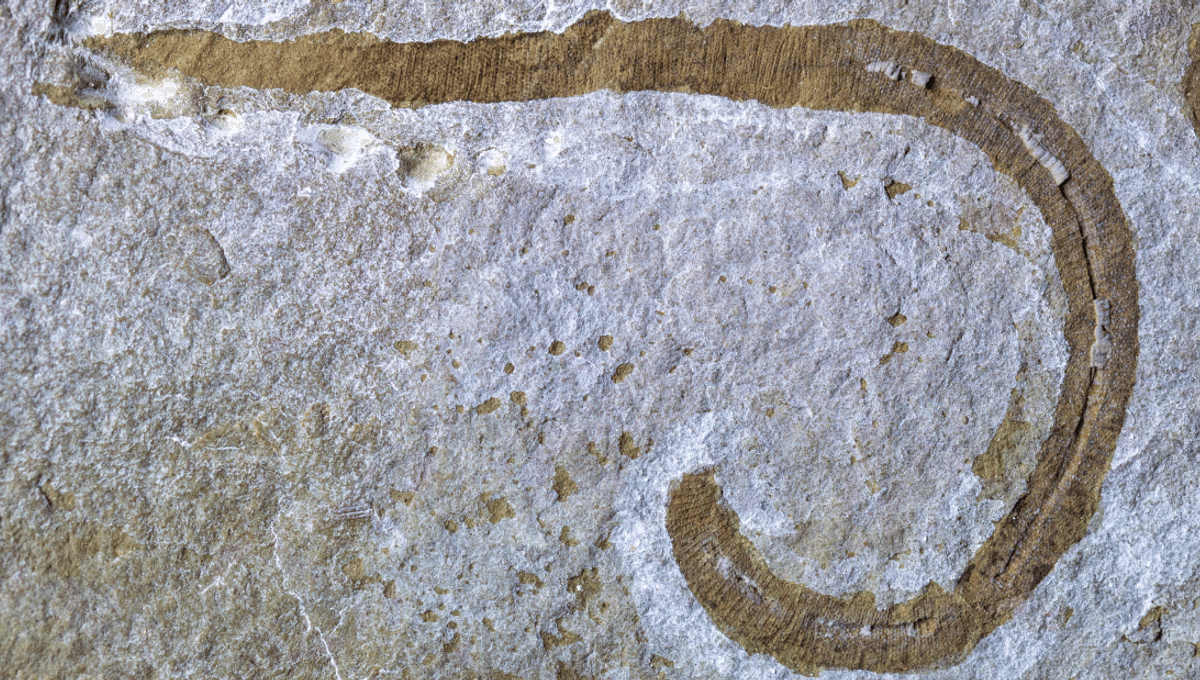
A 437-million-year-old fossil from Wisconsin has been identified as the oldest known leech, revealing that these parasitic worms existed at least 200 million years earlier than previously thought, with notable suction capabilities and prey appetite.
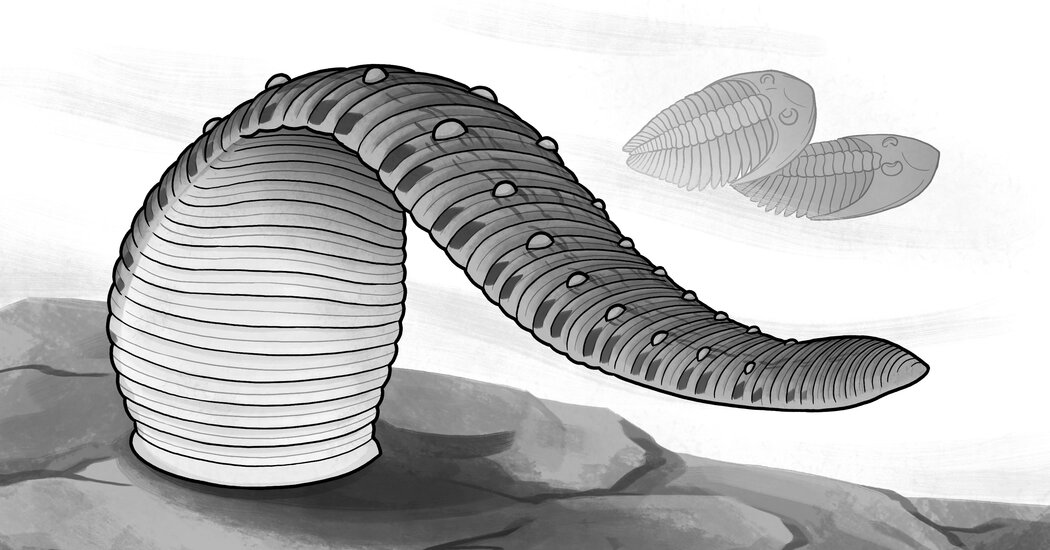
Scientists have described a 425-million-year-old predatory worm named Radnorscolex latus, which moved like an accordion and used sharp teeth and hooks to capture prey. The fossil, originally found in the 1920s in Herefordshire, UK, was re-examined using advanced imaging technology, revealing new insights into its feeding mechanisms and ecological role. The study highlights the worm's tough chitinous cuticle, which contributed to its preservation, and compares its ancient existence to modern "living fossils" like coelacanths and horseshoe crabs.