"45,000-Year-Old Discovery Unveils Early Homo Sapiens in Northeast Asia"
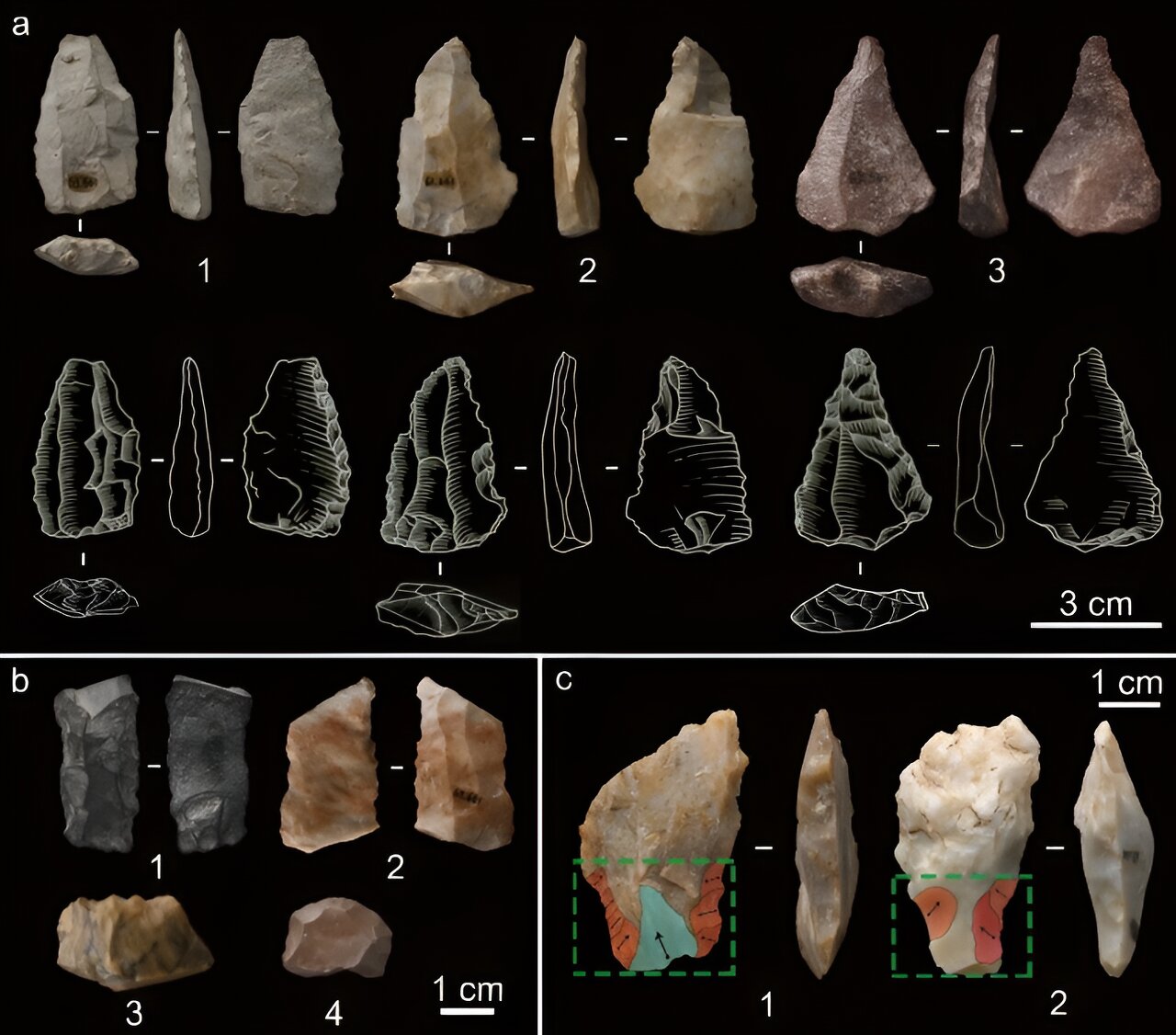
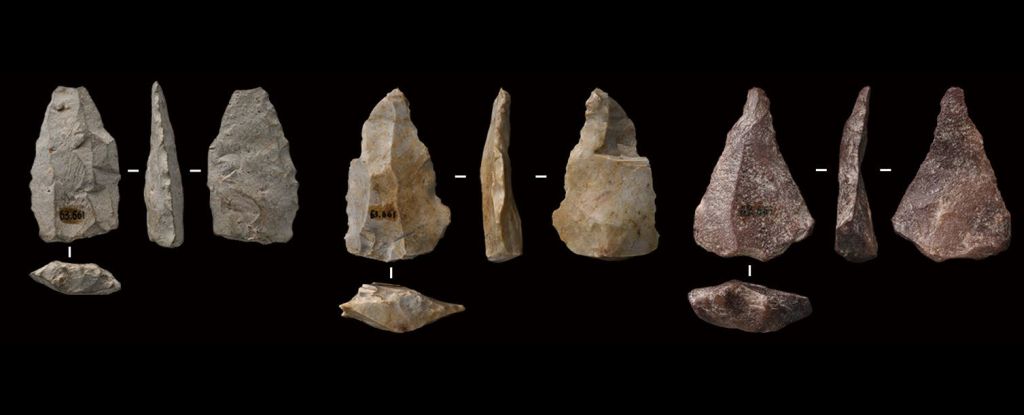
Fragments of ancient rock and bone found at the Shiyu site in northeastern China have been dated to 45,000 years ago, providing the earliest evidence of Homo sapiens in Eastern Asia. The artifacts suggest a process of cultural creolization and reveal a complex and innovative adaptation by our ancestors during their expansion. The site's rich assortment of tools, including those knapped using the Levallois method, and evidence of hunting and trade, paint a picture of early human migration and cultural fusion, expanding our knowledge of ancient origins and the adaptability of Homo sapiens.