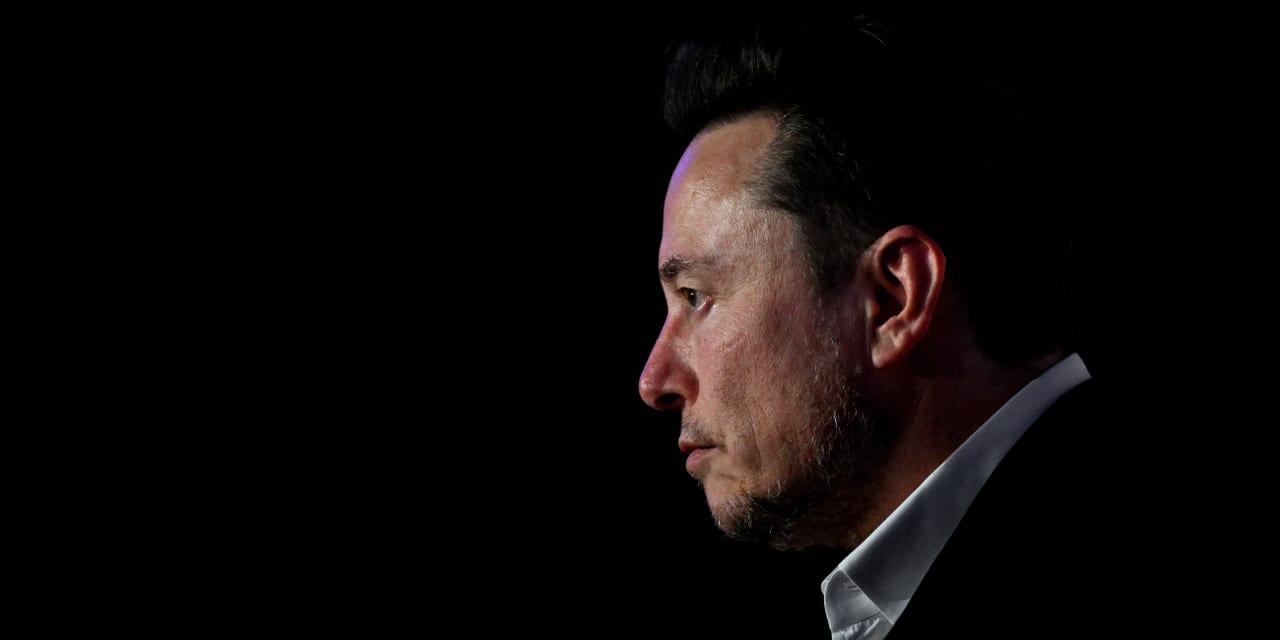
The Delaware Supreme Court reinstated Elon Musk's controversial $56 billion Tesla pay package, which was previously invalidated, citing that rescinding it would be unfair and leave Musk uncompensated for his efforts over six years. The decision follows shareholder approval and legal battles over the package's fairness and Musk's influence, with the court emphasizing Musk's contributions and the lofty goals tied to the compensation.
Tesla CEO Elon Musk is urging investors to approve a proposed $1 trillion pay package, which would give him up to 12% of Tesla's stock if certain company milestones are met, emphasizing the importance of voting control and leadership stability amid shareholder and proxy advisory firm concerns.
Tesla CEO Elon Musk seeks nearly $1 trillion in a proposed pay package, linked to building a 'robot army' and maintaining control over Tesla, raising concerns among shareholders and critics about his influence and the future of AI development.
Tesla is appealing to the Delaware Supreme Court to reinstate Elon Musk's $56 billion compensation package, arguing that it was approved by shareholders and that the lower court's decision to void it was based on bias and insufficient disclosure. The case could impact Delaware's reputation as a corporate hub and influence future executive compensation disputes.
Walgreens Boots Alliance shareholders overwhelmingly approved the company's acquisition by Sycamore Partners, with about 96% voting in favor, paving the way for the transaction expected to close in late 2025, which includes a cash payment of $11.45 per share and potential additional proceeds from divested assets.
Tesla seeks shareholder approval for CEO Elon Musk's $56 billion compensation package that was rejected by a Delaware judge in January. The re-vote comes amid weak demand for Tesla and reputational concerns for Musk. The board's close ties with Musk have been criticized, and the company is also seeking approval to move its state of incorporation from Delaware to Texas. Tesla's shares have fallen, and the company faces mounting concerns over its strategy and performance in the electric-vehicle market.
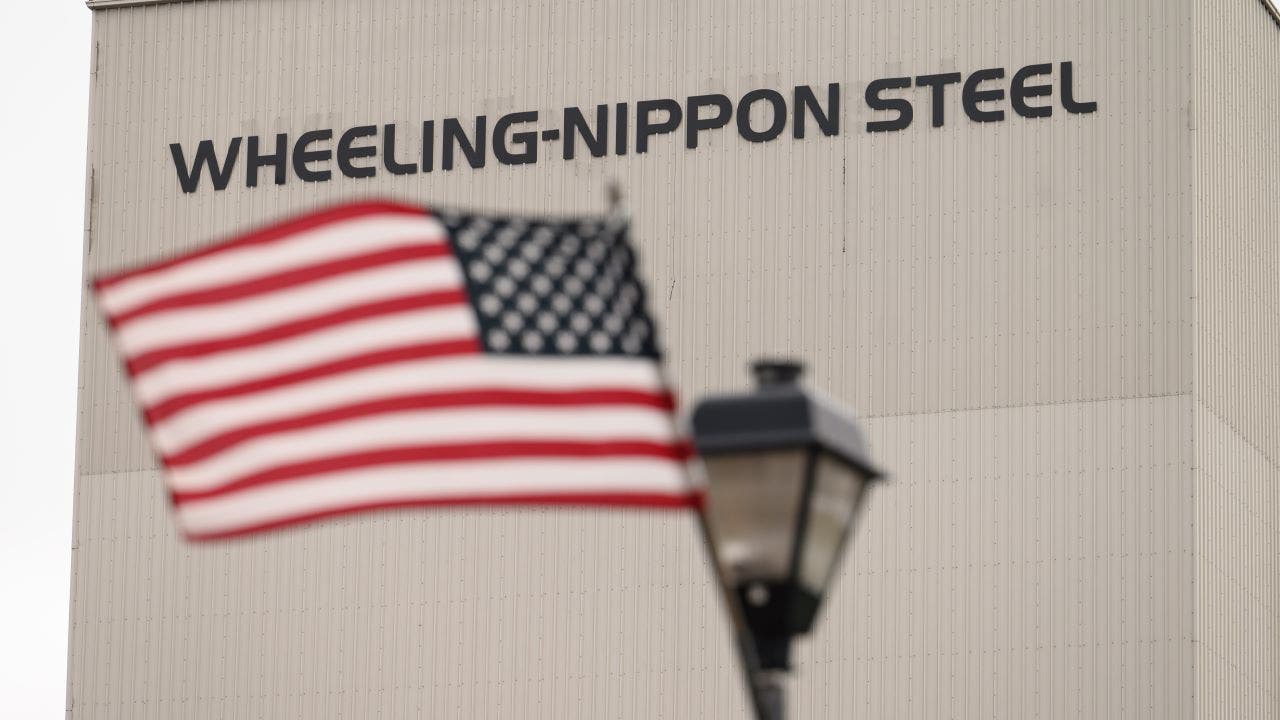
U.S. Steel shareholders have approved the $14.1 billion takeover by Nippon Steel, with over 98% of shares voting in favor. The merger still faces government scrutiny from the Justice Department and CFIUS, amid concerns about national security and impact on steel jobs. President Biden and former President Trump oppose the deal, while lawmakers and the United Steelworkers Union have expressed concerns. Nippon Steel has promised no job cuts, but the outlook remains uncertain as regulatory approval is still pending.
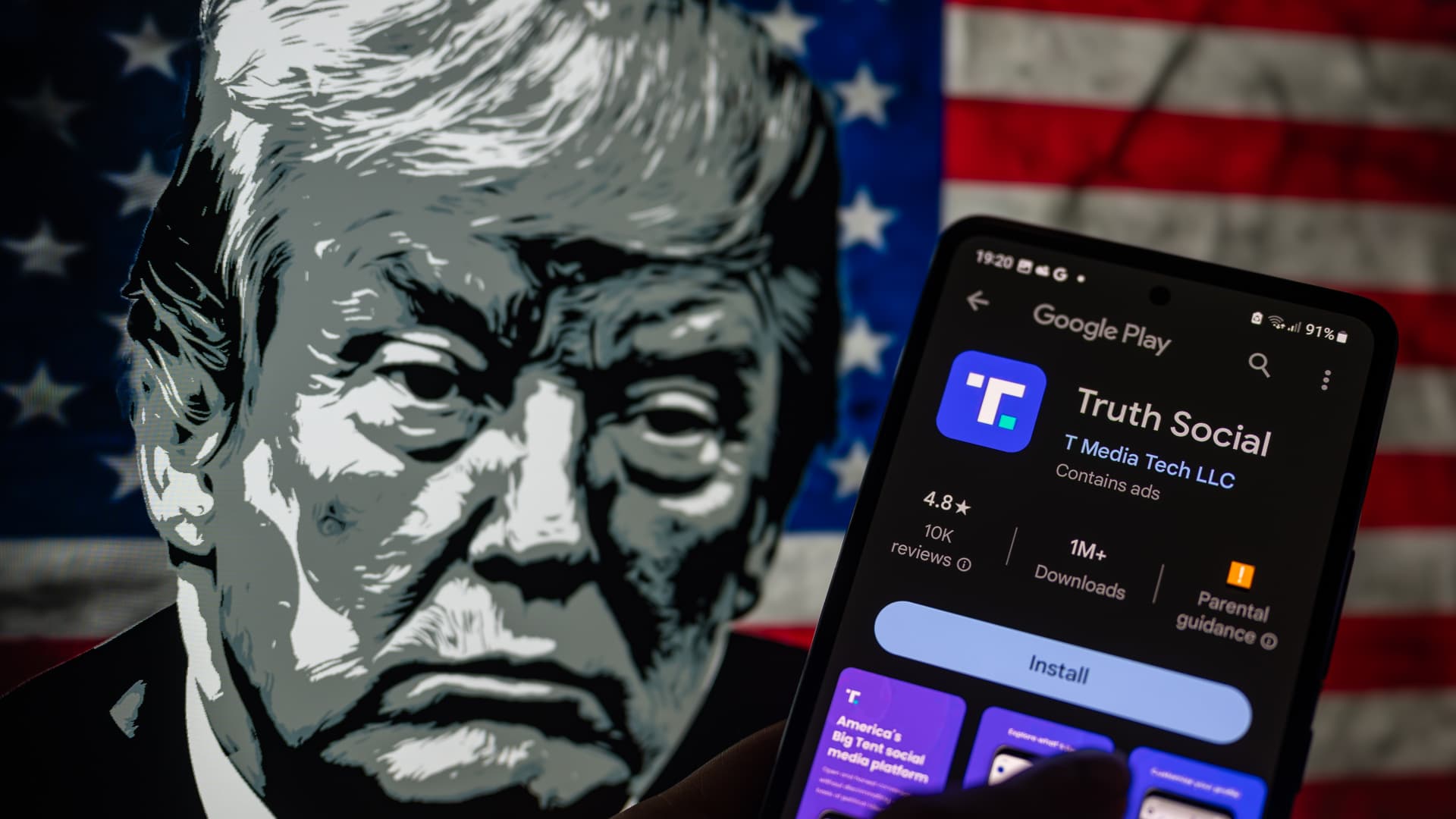
Digital World Acquisition Corp. (DWAC) stock fell over 12% after shareholders approved a merger with Donald Trump's social media company, causing the share price to drop to below $38 from an opening of $44.20. The newly merged company, Trump Media, may start trading under the ticker DJT next week, with Trump holding a majority of shares worth $3 billion or more. However, the value of his shares could be lower if DWAC shares don't recover before the merger. Additionally, 11% of DWAC shares are being sold short, indicating investor bets on a price decline.
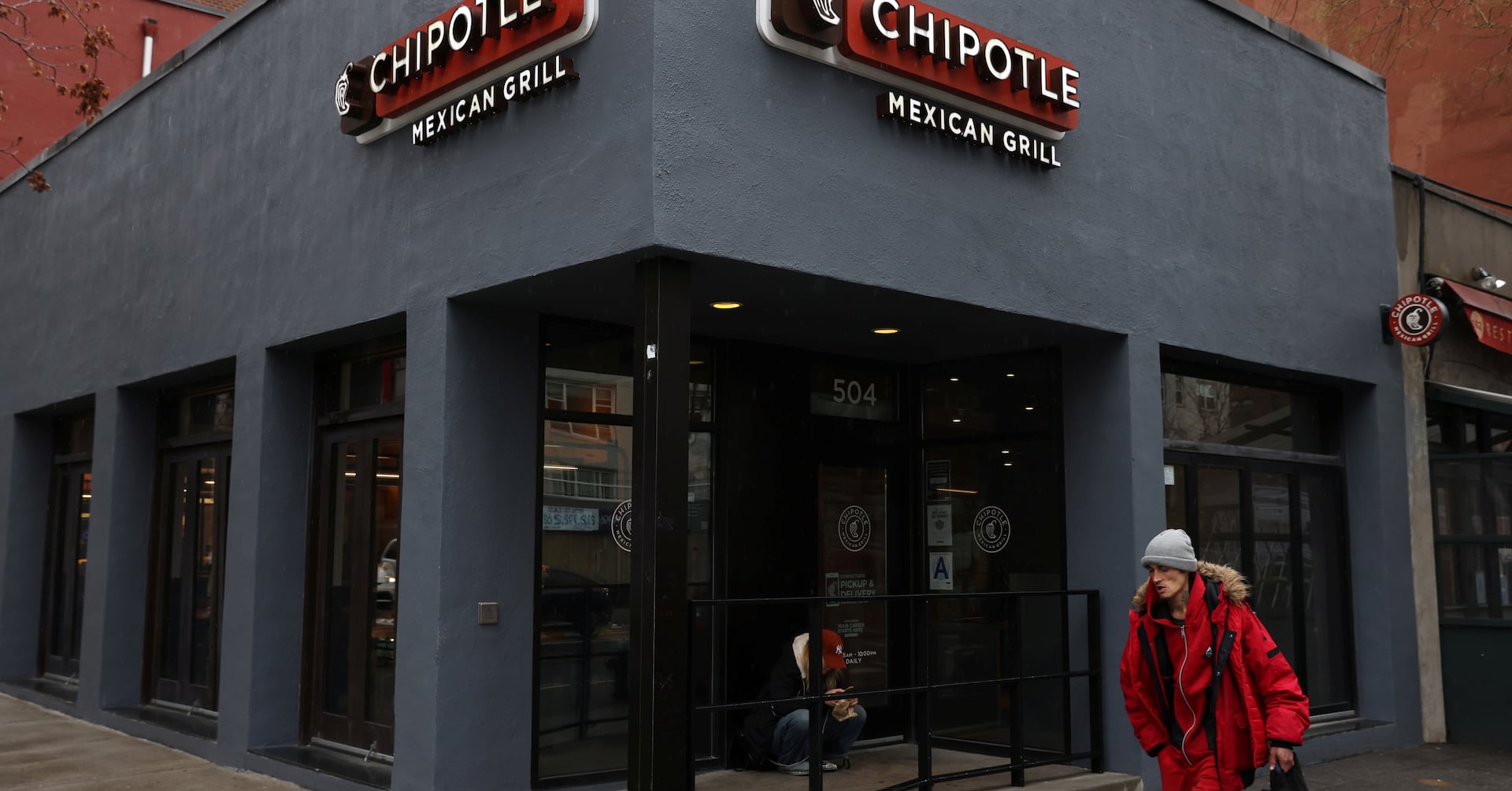
Chipotle Mexican Grill's board has approved a 50-for-1 split of its common stock, causing its shares to rise about 7% in extended trading. The stock split, subject to shareholder approval at the upcoming annual meeting on June 6, would give shareholders 49 additional shares for each share held if approved. The shares are expected to begin trading on a post-split basis on June 26, making it one of the biggest stock splits in New York Stock Exchange history. Chipotle's shares had closed at a record high of $2,797.56 on Tuesday and had gained more than 70% over the last 12 months, driven by strong financial performance.
Elon Musk is seeking shareholder approval to incorporate Tesla in Texas after a Delaware court ruling struck down his record pay package. A poll on X showed overwhelming support for the move to Texas, and Musk plans to immediately seek shareholder approval for the relocation. Delaware is known for being business-friendly, but Musk has recommended incorporating in Nevada or Texas. The court ruling invalidated Musk's 2018 salary package, which is currently worth about $51 billion, and criticized the company's directors for being too close to Musk to protect shareholder interests.
Elon Musk's recent comments about wanting voting control of Tesla through a dual-class stock structure reveal his true intentions, despite his attempts to downplay it to investors. Musk's desire for influence without outright control is evident, but his interest in a dual-class stock structure indicates a push for greater control. This has raised concerns among investors, especially given the potential implications for Tesla's future direction and governance.
Nikola Corporation, the zero-emission transportation start-up, has continued to dilute its shares by aggressively selling new shares and issuing convertible notes to raise capital. The company's outstanding shares have increased from 779.5 million to 985.2 million within a month, with the majority of the surge caused by the conversion of convertible notes. Nikola has also announced a recall of over 200 of its battery electric trucks due to safety concerns, which is expected to result in significant expenses. The company's stock price is likely to remain under pressure due to ongoing dilution and the potential for another guidance revision. Investors are advised to consider selling existing positions.
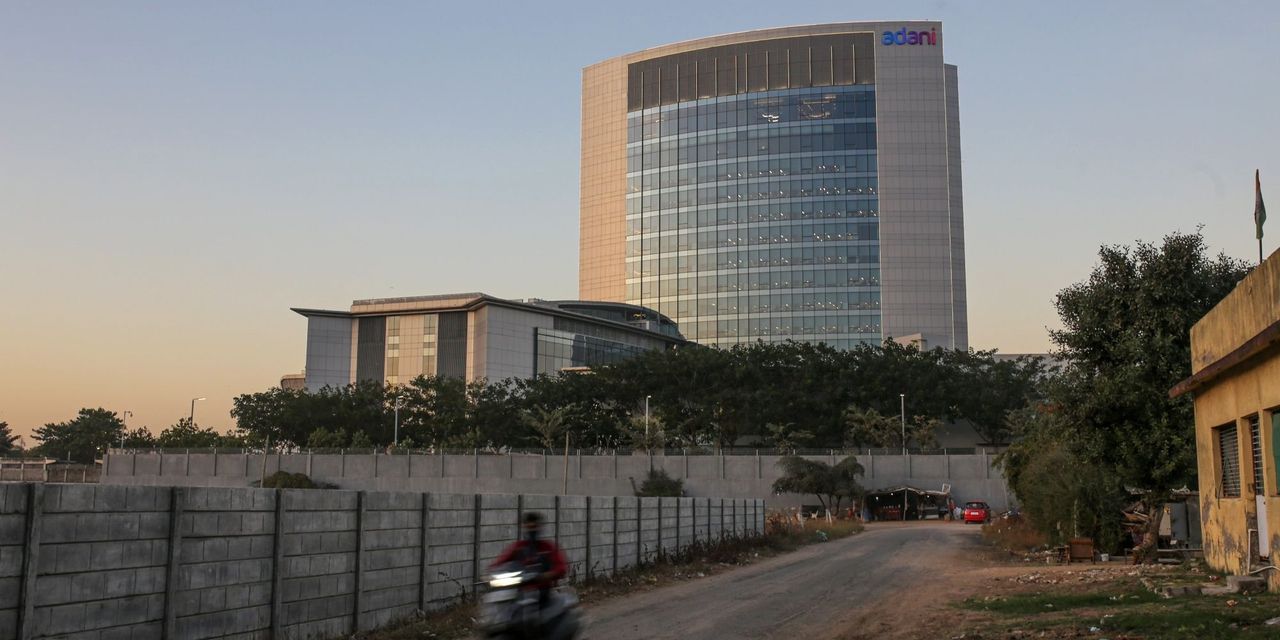
Two companies in India's Adani Group, Adani Enterprises and Adani Transmission, are planning to raise $1.6 billion and $1 billion respectively through share sales, months after a short-seller report led to a sharp loss in the conglomerate's market value. The companies will need shareholder approval for the deals to go ahead.
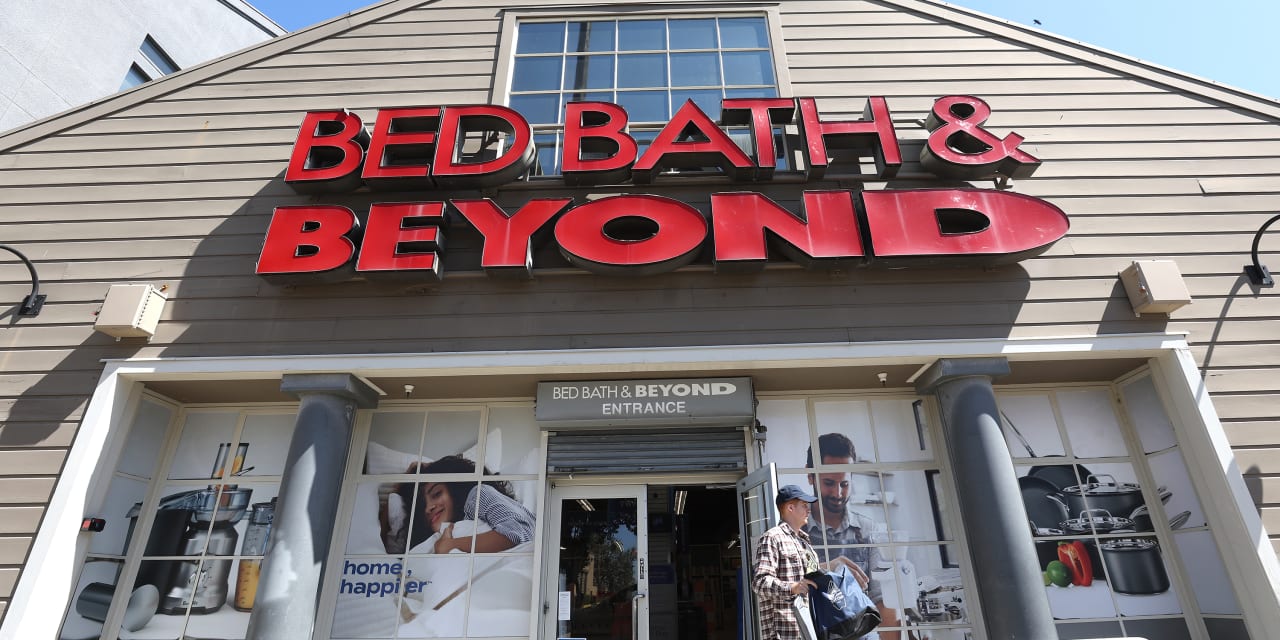
Bed Bath & Beyond is seeking shareholder approval for a reverse stock split, with a ratio yet to be determined, in an effort to avoid bankruptcy. The embattled retailer has been making a series of moves to stay afloat in the struggling retail industry.
Bed Bath & Beyond's shares hit a 30-year low after announcing a special meeting to seek shareholder approval for a reverse stock split. The retailer is trying to boost its share price above the key $1 threshold needed to keep the deal with Hudson Bay Capital alive. The reverse stock split would not have any effect on the intrinsic value of the business or a shareholder's proportional ownership, nor will there be any impact on business operations or any outstanding indebtedness.