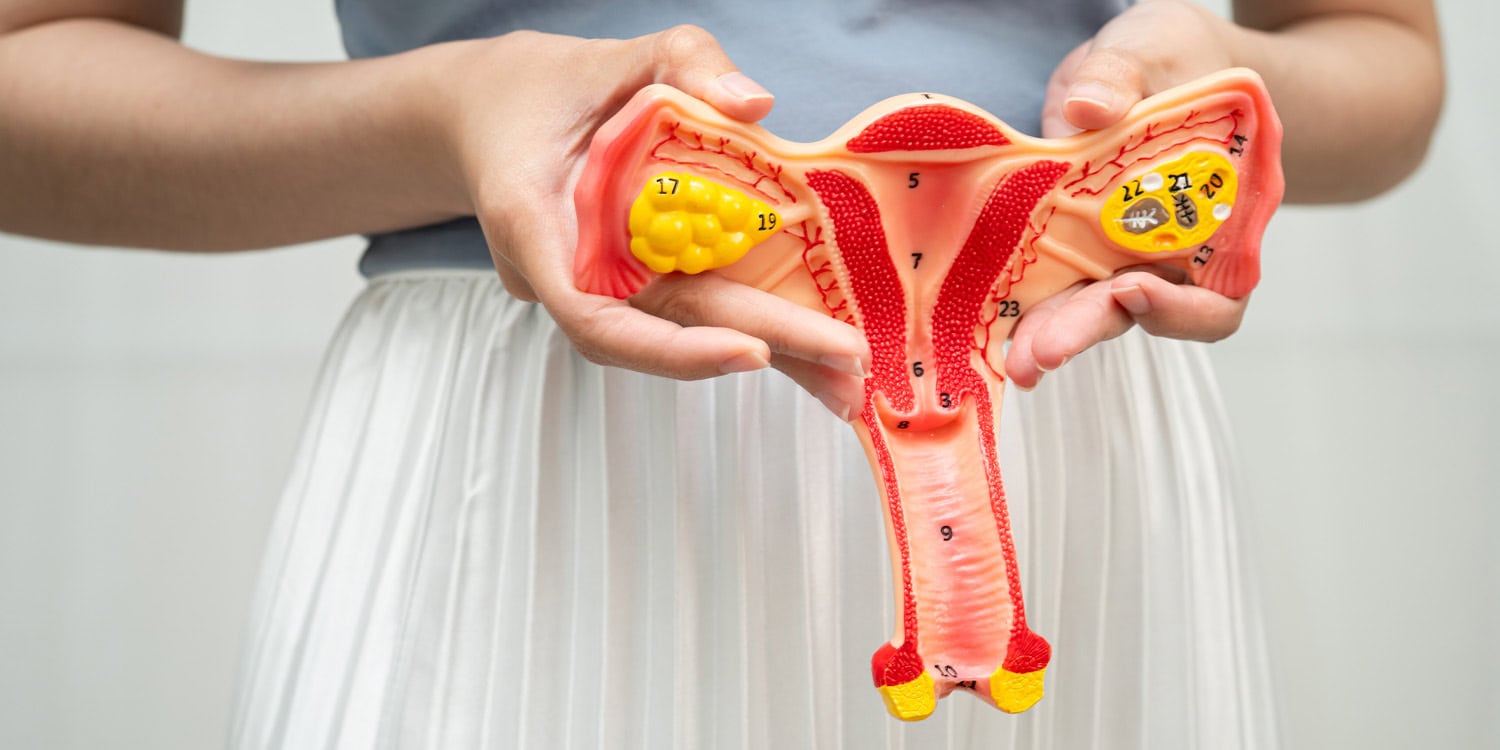
A study finds that the words women use for their genitals are linked to their body image, sexual pleasure, and health behaviors, with playful or childish terms associated with negative outcomes and vulgar terms during sex linked to positive experiences.
Menopause can have a significant impact on women's sex lives and relationships, but it's a topic that often goes overlooked. The physical changes, such as vaginal dryness and pain, can lead to decreased confidence and desire, causing couples to suffer silently. However, there are steps women can take to reclaim their sex lives, including seeking emotional support, addressing physical discomfort through medical options, exploring their bodies, and communicating openly with their partners. Embracing this new chapter and prioritizing sexual well-being can lead to a fulfilling and vibrant sex life.
A study conducted in Portugal found that while fathers' sexual function remains stable during and after pregnancy, mothers often experience a decline in sexual function from pregnancy until 6 months after giving birth. Overall, 85% of new parents maintained regular sexual functioning, but 15% of mothers experienced significant and ongoing issues with sexual function and distress. The study highlights the importance of assessing risk factors and providing support for couples during the transition to parenthood.