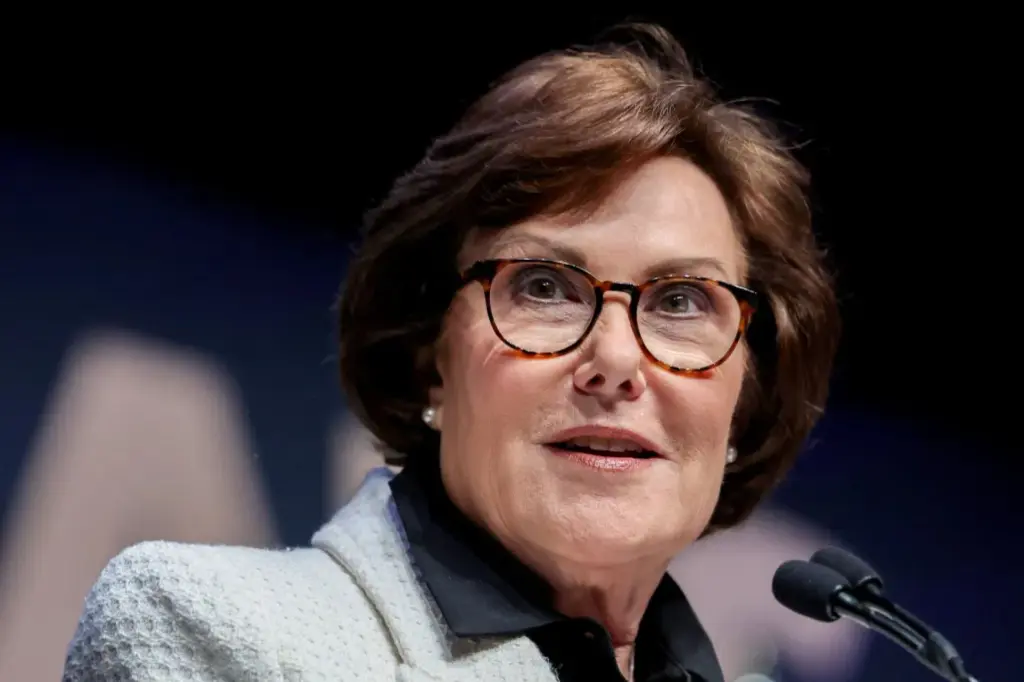
Democratic Senator Jacky Rosen has been re-elected in Nevada, defeating Republican Sam Brown in a closely contested race. Rosen campaigned on abortion rights and her nonideological stance, similar to the strategy used by fellow Nevada Senator Catherine Cortez Masto. Despite Brown's support from Donald Trump and a strong early GOP showing, he was outspent and unable to overcome Rosen's campaign. The race drew less national attention compared to the presidential contest, and all of Nevada's U.S. House incumbents also secured re-election.
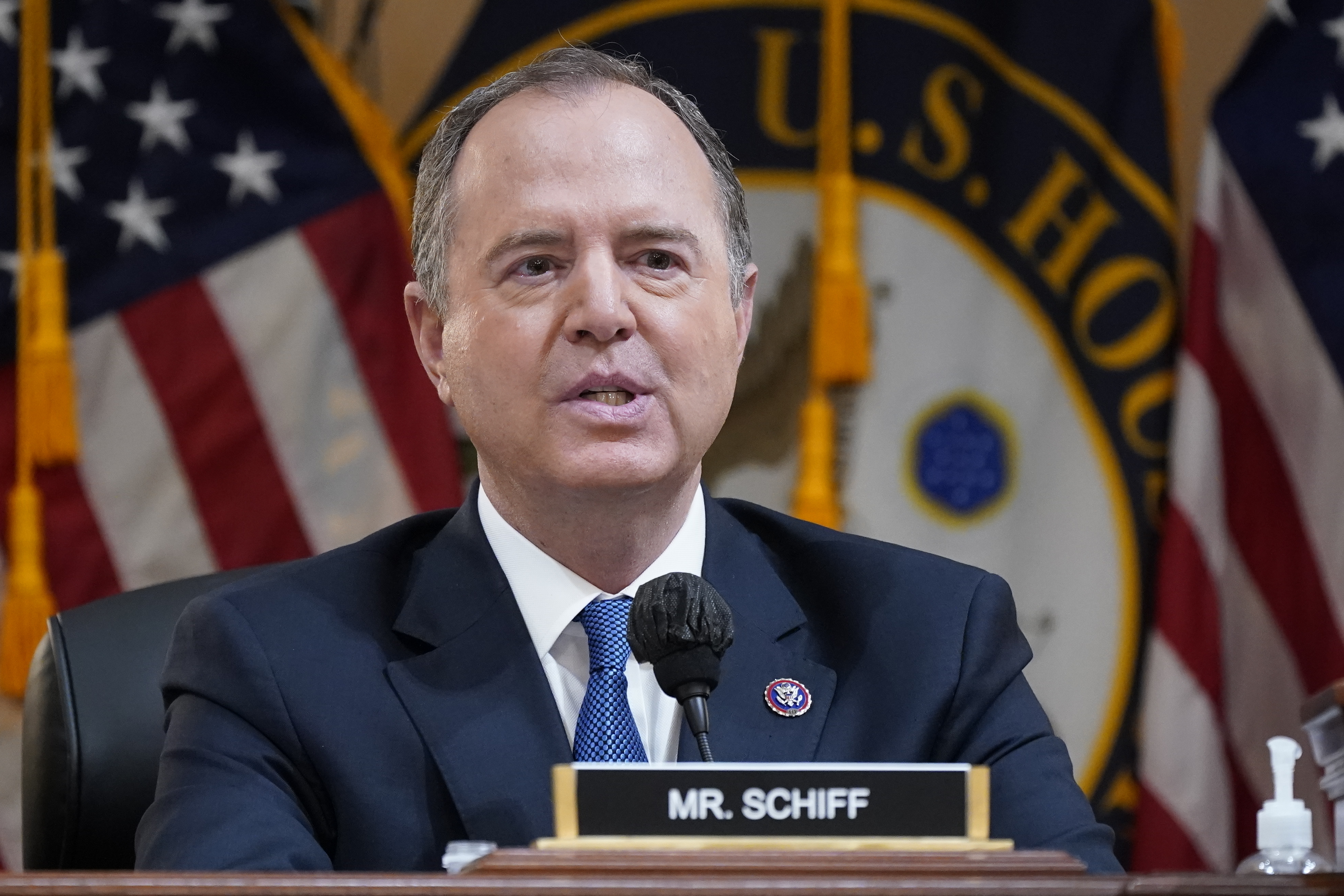
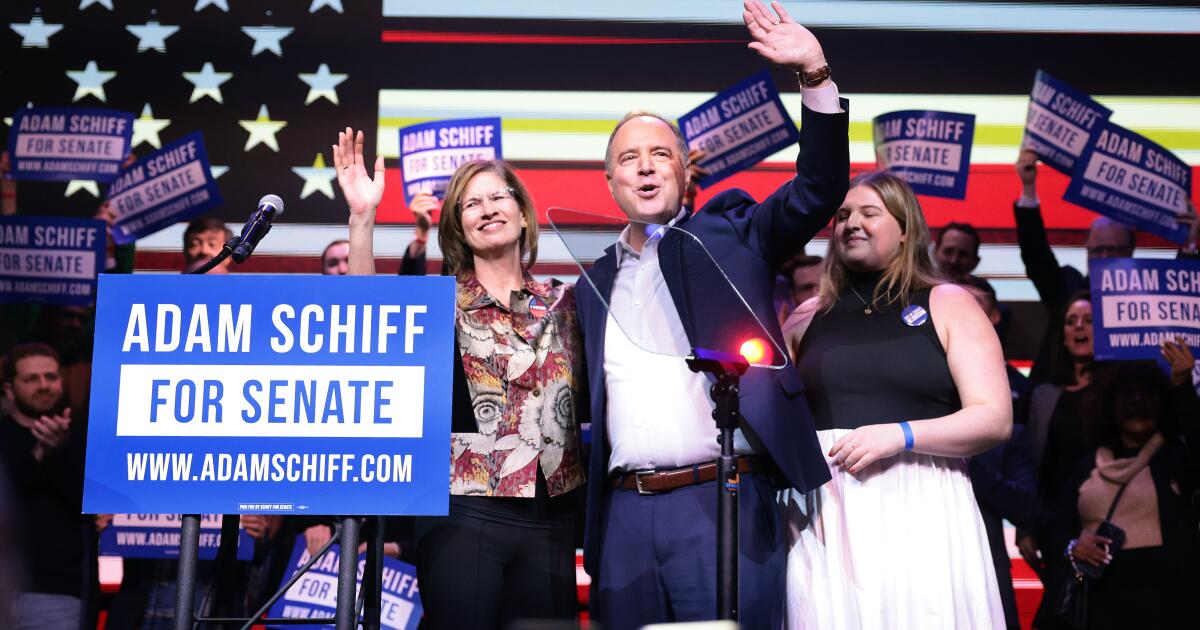
Adam Schiff, a prominent Democratic critic of Donald Trump, has been elected to the U.S. Senate, defeating Republican Steve Garvey. In his victory speech, Schiff emphasized the importance of protecting democratic institutions without directly naming Trump. He also addressed California's housing crisis, promising to focus on affordable housing solutions. Schiff's election comes as Republicans are set to gain control of the Senate, with Trump projected to win key states.
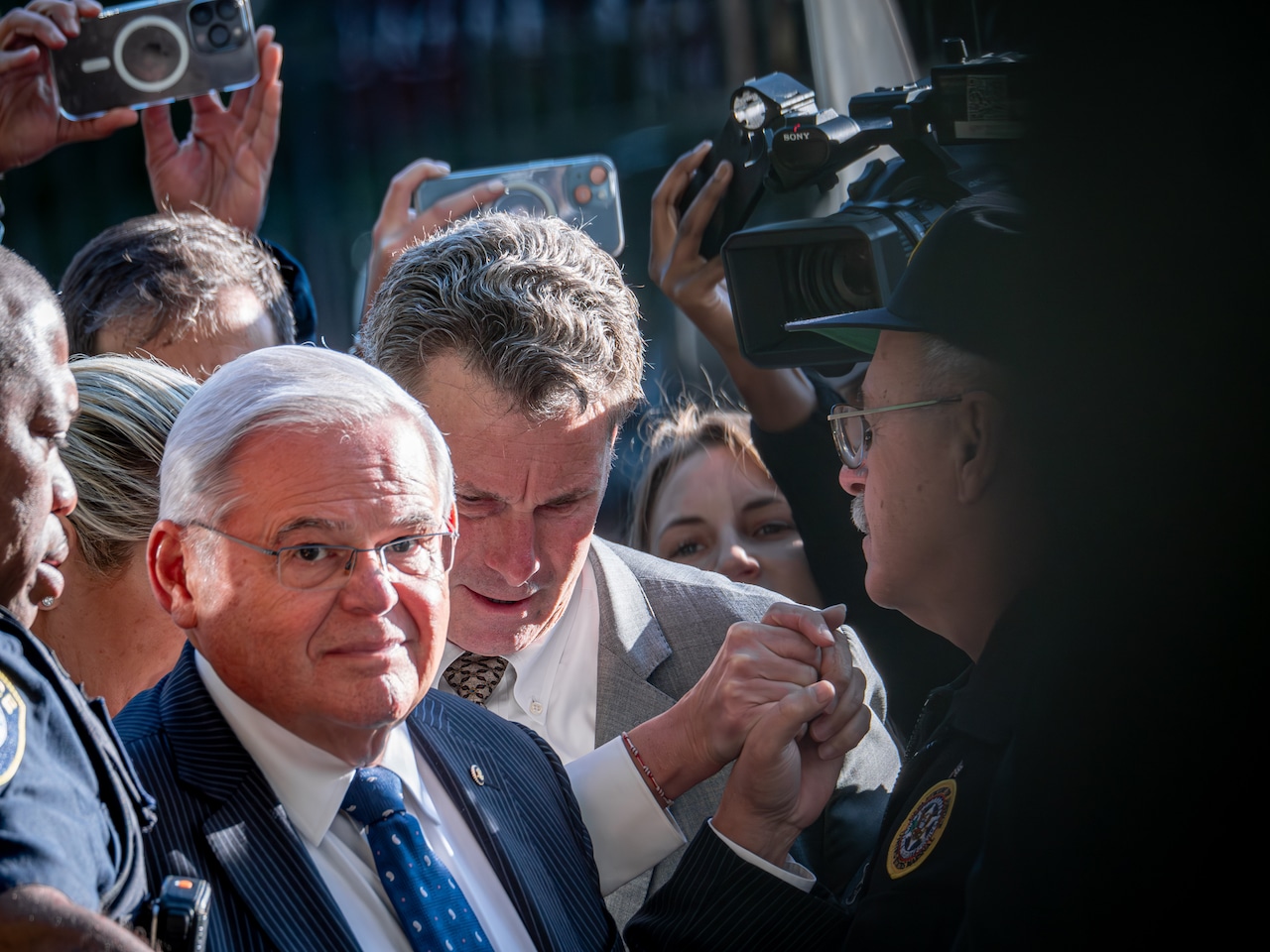
U.S. Senator Robert Menendez, facing federal corruption charges and lacking support from top Democrats, has filed to run as an independent for re-election in New Jersey. This move allows him to continue raising campaign funds for legal expenses and keeps open the possibility of a comeback if exonerated. Menendez's candidacy could impact the closely watched Senate race, potentially aiding Republicans in a state that has long favored Democrats. His trial is ongoing, with a verdict expected this summer.
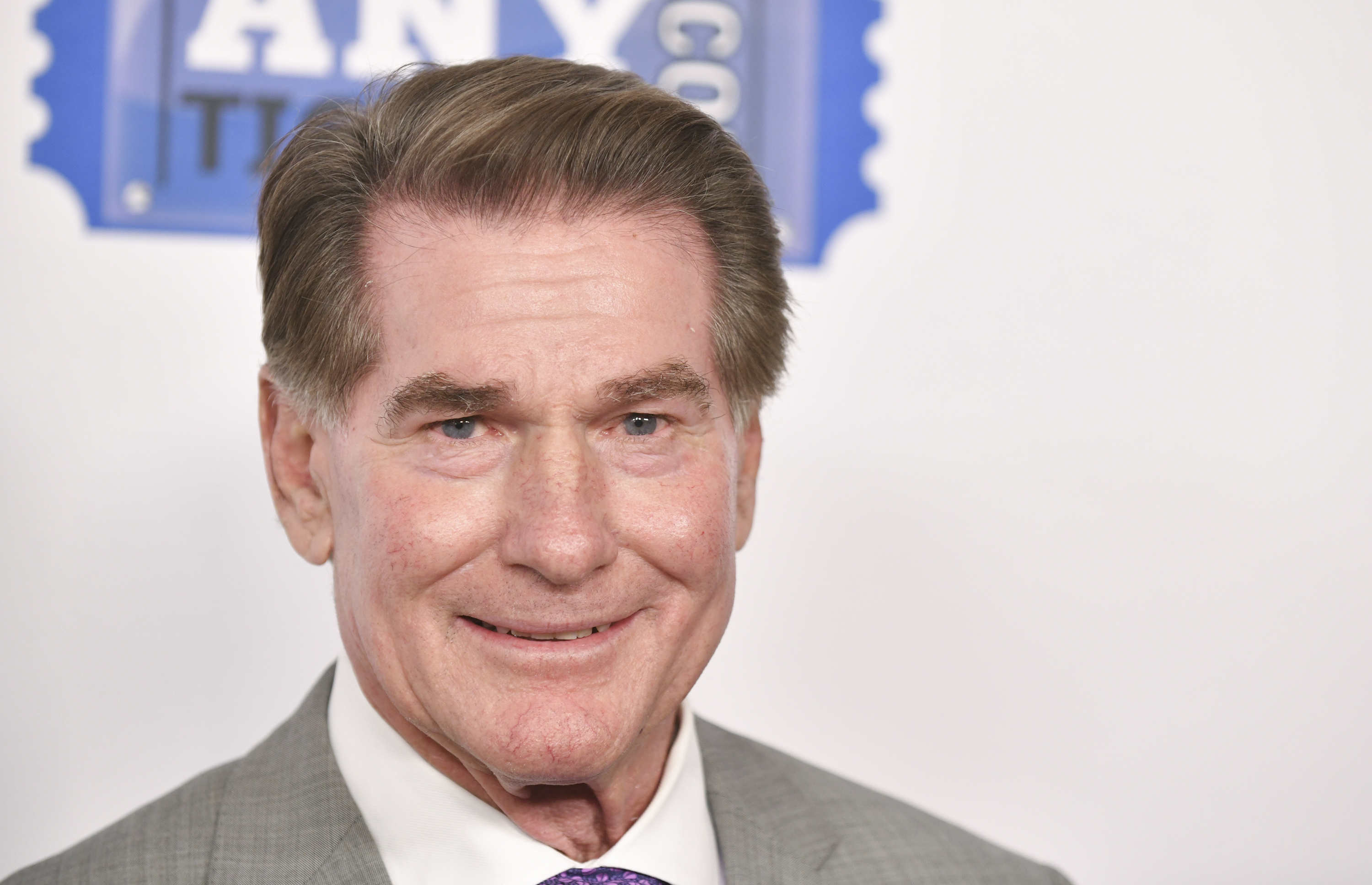
Former President Trump's influence looms large over California's Senate race, boosting Rep. Adam B. Schiff's chances of becoming the state's newest U.S. senator. Schiff's prominence as the lead prosecutor in Trump's first impeachment trial has propelled him to national fame and a top-two finish in the Senate primary election. His opponent, Republican and former Dodgers star Steve Garvey, faces an uphill battle in a state where Democratic voters outnumber Republicans 2-1. Schiff's strong stance against Trump has resonated with voters, while Garvey's past support for the former president may hinder his campaign.
Recent polls suggest that Republicans may be locked out of California's Senate election, as the state's "jungle primary" system could result in two Democrats advancing to the November general election. Former baseball star Steve Garvey is the top Republican candidate, but polls are split on whether he will advance. Even if no Republican candidate makes it past the primary, Republican voters could still influence the general election, but the deeply Democratic state is unlikely to see a competitive race.
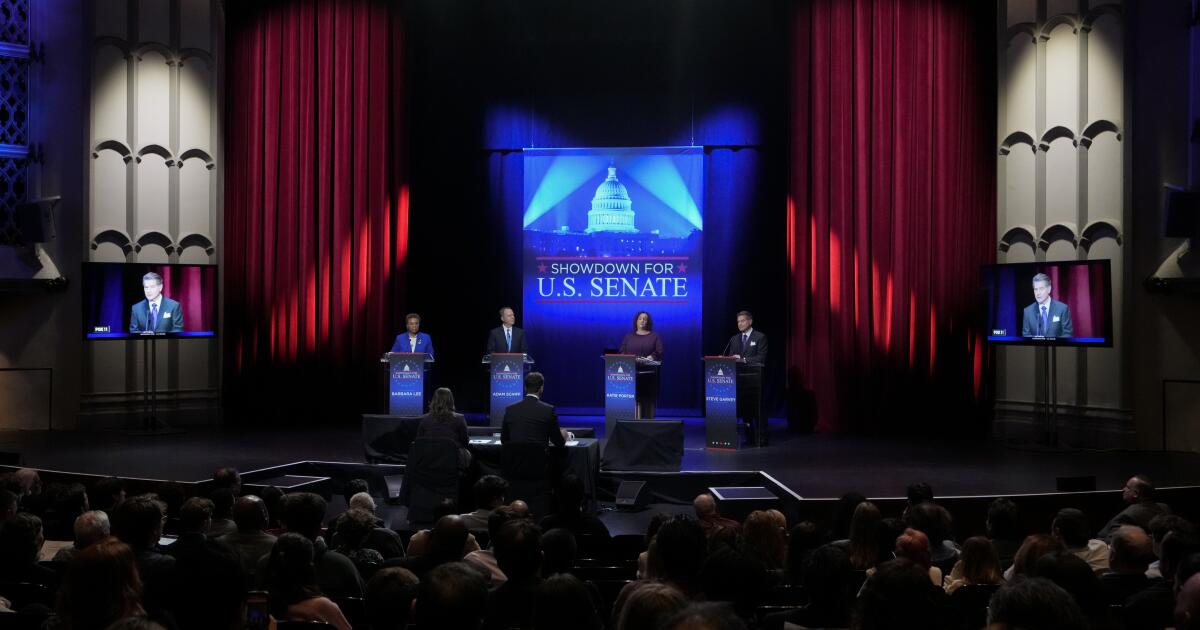
California's first 2024 U.S. Senate election debate saw Democratic candidates clash over issues such as the war in Gaza, homelessness, and reproductive freedoms, with Reps. Adam B. Schiff, Katie Porter, and Barbara Lee criticizing former-Dodger-turned-Republican-candidate Steve Garvey, who struggled to articulate his positions. Schiff leads in polls, while Porter and Garvey vie for second place. The debate also featured discussions on support for Trump, with all three Democrats pressing Garvey on his stance, and a clash over abortion rights, with Schiff, Lee, and Porter expressing their positions.
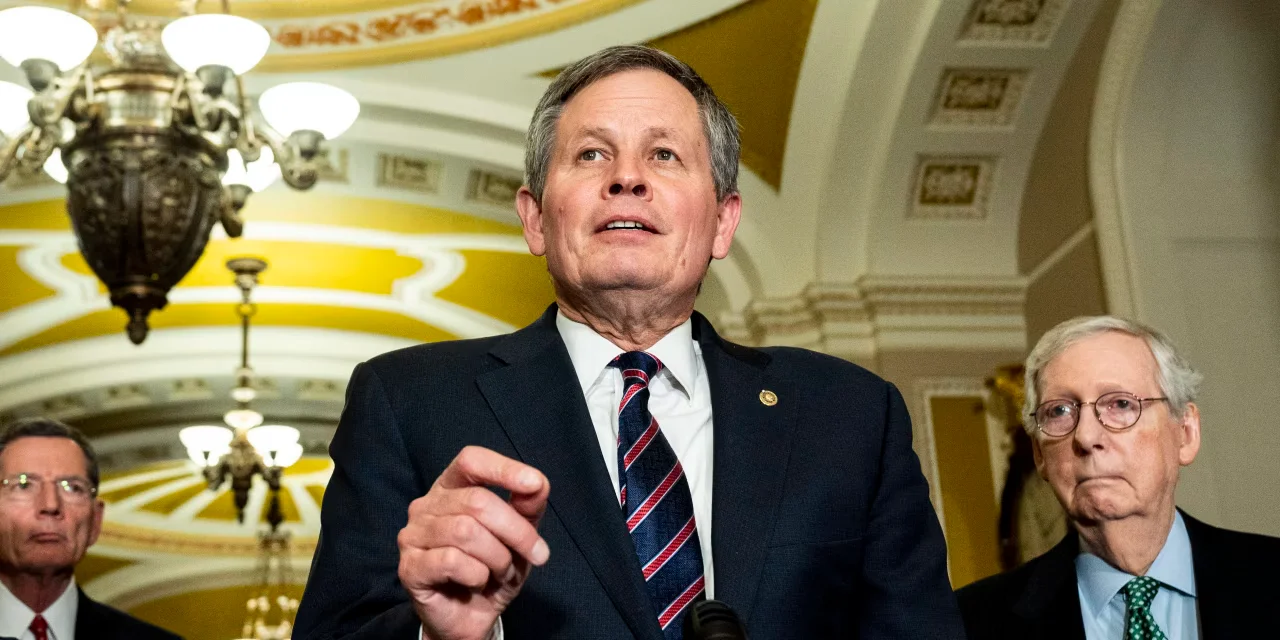
Montana is becoming an early test for Republicans' Senate election strategy as they aim to win back control of the Senate in 2022. With Senator Steve Daines up for re-election, Republicans are focusing on Montana as a key battleground state. They are hoping to capitalize on the state's conservative leanings and the popularity of former President Donald Trump, who won Montana by a wide margin in the 2020 election. However, Democrats are also eyeing Montana as a potential pickup opportunity, with Governor Steve Bullock considering a Senate run. The outcome of the Montana race will provide insights into the effectiveness of the Republican strategy and the overall political landscape leading up to the 2022 midterm elections.
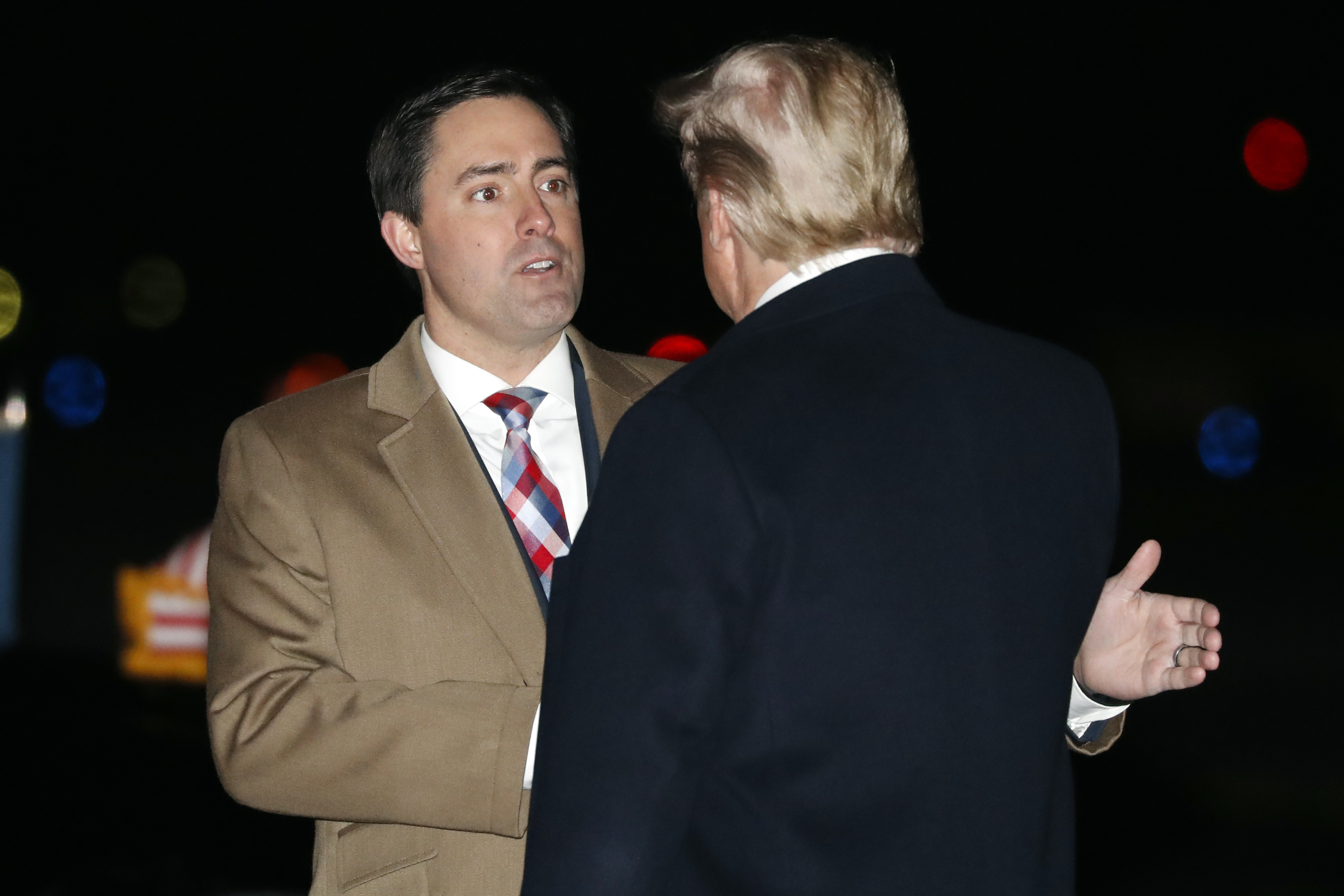
Ohio Secretary of State Frank LaRose, a potential GOP candidate in the race to unseat Democratic Sen. Sherrod Brown, has privately conveyed that while Trump’s endorsement “matters,” it doesn’t carry the same weight it used to. He pegged the proportion of Republican voters who would “vote for whoever” Trump endorses at just 20 percent. LaRose said he suspects that, should he enter the race, he would earn Trump’s support. But he didn’t think that “begging for it” would prove useful.