The US has issued its highest-level 'Do Not Travel' warning for Russia due to security risks, ongoing conflict, and limited US government assistance, advising Americans to leave immediately and warning of dangers such as wrongful detention, terrorism, and treatment of dual citizens.
Rising incitement by Hamas is leading to an increase in illegal Israeli entries into Area A of the West Bank, creating dangerous situations and heightened tensions, with security officials warning of potential violence and urging adherence to the law.
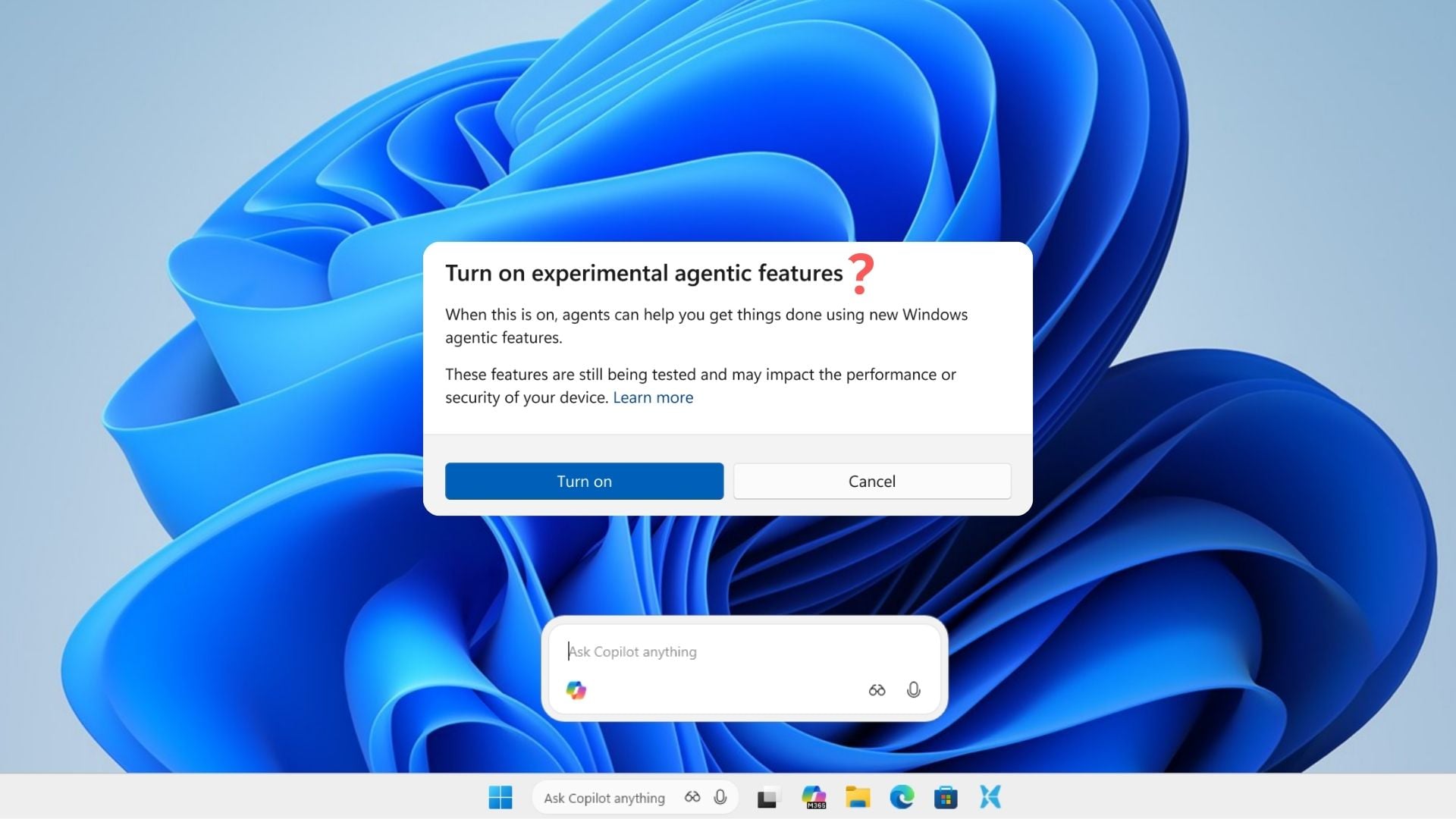
Microsoft is integrating AI agents into Windows 11, despite acknowledging their potential for hallucinations and security vulnerabilities. The company is implementing isolated agent workspaces with strict permissions to mitigate risks, but concerns remain about privacy and safety as AI becomes more embedded in the OS. The move reflects a broader industry shift towards agentic computing, though trust and security will be critical for user acceptance.
Originally Published 2 months ago — by Hacker News
The article discusses concerns about AI and data privacy, highlighting how web browsing sessions are used for training AI models, the potential for increased surveillance and control, and the security risks associated with AI browsers like ChatGPT's Atlas. It also reflects on societal impacts, the evolution of interfaces, and the importance of vigilance in safeguarding privacy and freedom in the digital age.
OpenAI's new Atlas browser features an autonomous 'agent mode' that offers convenience but introduces significant security and privacy risks, including vulnerability to malicious attacks and data breaches, raising concerns about user safety and the need for rigorous testing and regulation.
AI poisoning involves intentionally corrupting AI models, especially large language models like ChatGPT, through malicious data or model manipulation, leading to errors, misinformation, or hidden malicious functions, and poses significant security and ethical risks.
Microsoft has officially ended support for Windows 10 as of October 14, 2025, leaving many PCs vulnerable to security threats unless users upgrade to Windows 11, enroll in the Extended Security Updates program, or consider alternative solutions like Linux or lightweight Windows builds.
Microsoft ends support for Windows 10 on October 14, 2025, leaving users vulnerable to security threats unless they upgrade to Windows 11, enroll in the Extended Security Updates program for an additional year, or switch to another OS. Users should verify their system compatibility for Windows 11, consider alternative lightweight builds like Tiny11, or explore new laptops if their current hardware isn't compatible.
The September 2025 update for Windows 11 secretly removes PowerShell 2.0 and WMIC, outdated tools considered security risks, encouraging users to adopt the latest PowerShell version instead.
China has raised security concerns regarding Nvidia's H20 chips, which could threaten Nvidia's sales in China due to potential security risks flagged by Chinese authorities.
Microsoft will end support for Windows 10 on October 14, 2025, after which users can upgrade to Windows 11 if their hardware supports it, buy a new PC, or continue using Windows 10 at security risks. Upgrading to Windows 11 is recommended for most users, while those with incompatible hardware might consider purchasing a new PC or paying for extended security updates until 2026. Continuing to use Windows 10 without support is risky due to potential security vulnerabilities.
Microsoft's decision to extend support for Windows 10 by a year has increased security risks, with 45% of Windows users still on the outdated OS, potentially exposing them to vulnerabilities. Users are advised to upgrade to Windows 11 or at least secure the 12-month extension to avoid support and security issues.
China's Cyberspace Administration summoned Nvidia to address security concerns regarding its H20 AI chips sold in China, citing potential backdoor vulnerabilities that could allow remote shutdown or user tracking, amidst ongoing US-China competition in AI technology.
Chinese authorities summoned Nvidia to discuss security concerns over its H20 AI chips, citing vulnerabilities related to location tracking and remote shutdown capabilities, amid a recent easing of US-China trade tensions and the chip's market re-entry in China.
Some VMware customers with perpetual licenses cannot access security patches due to support contract issues with Broadcom, increasing their vulnerability to attacks. Broadcom has promised free security patches for supported versions, but access is delayed due to entitlement validation, leaving users at risk. VMware is working on a separate patch cycle for non-entitled customers, but the situation remains suboptimal amid ongoing security concerns.