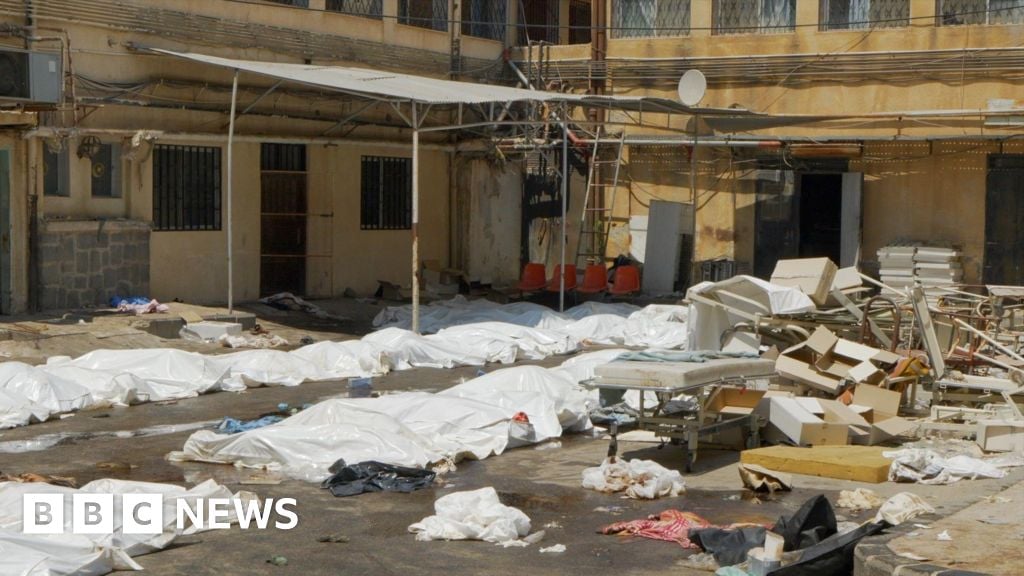
The BBC reports on a suspected massacre at Suweida hospital in Syria, where government forces are accused of killing patients during sectarian clashes, with claims of over 300 victims, highlighting ongoing violence and sectarian tensions in the region.
Recent anti-immigrant violence in Northern Ireland, including bonfires with effigies of migrants and arson attacks, echoes darker historical moments of sectarian conflict, driven by lingering tribalism, paramilitary influence, and societal tensions, despite most residents condemning violence.
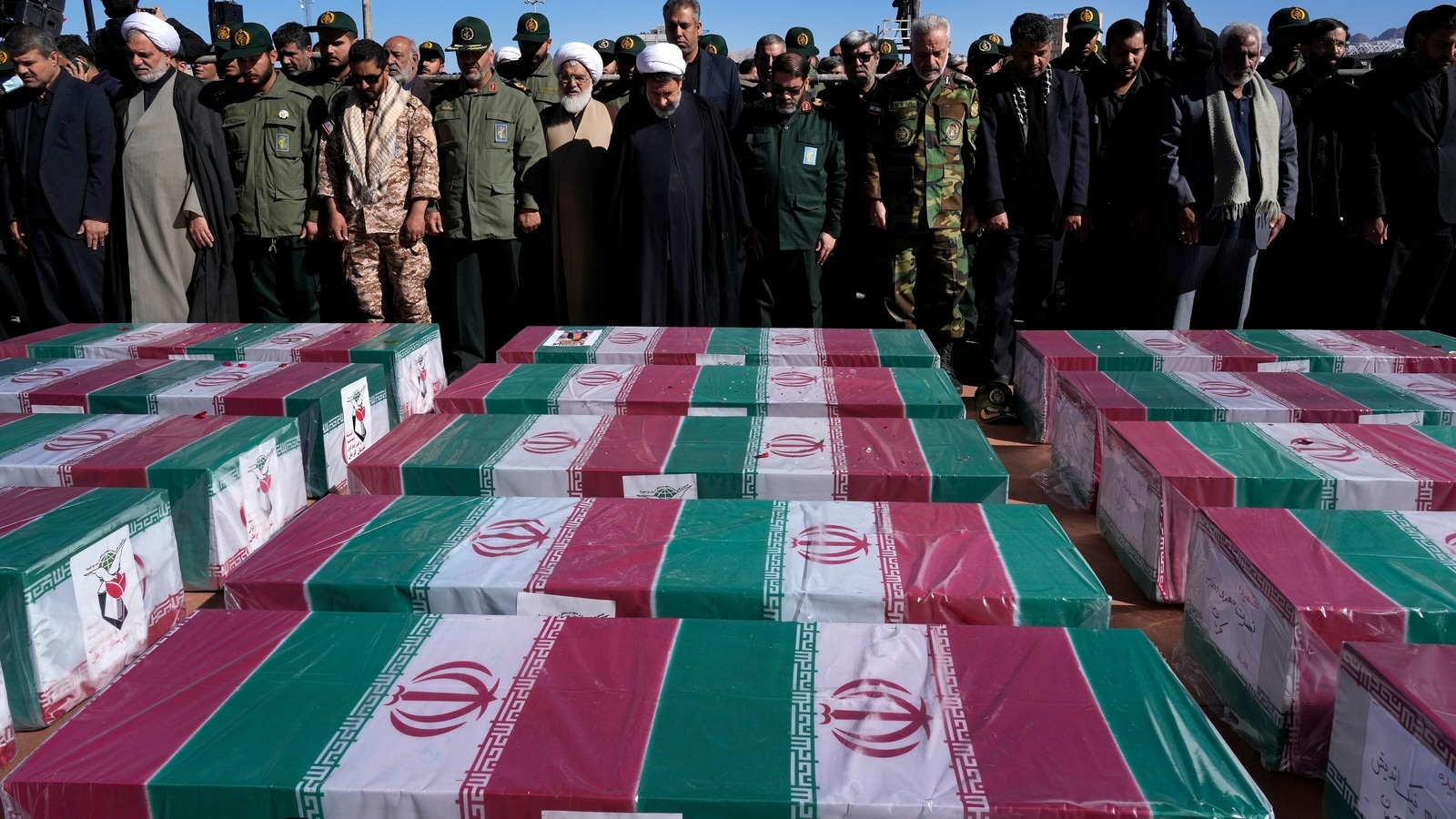
The Islamic State's recent attack in Iran, which killed 84 people, is rooted in the group's longstanding hostility towards Shia Muslims, whom they consider heretical apostates. Iran's history of fighting jihadist groups, particularly IS, has made it a prime target for the organization. The resurgence of anti-Shia groups in Afghanistan, particularly ISIS-Khorasan, poses a significant threat to Iran, especially as the Taliban has failed to effectively counter these groups despite assurances to the contrary. The attack in Kerman serves as a stark reminder of the ongoing sectarian tensions and the complex web of conflicts in the region.
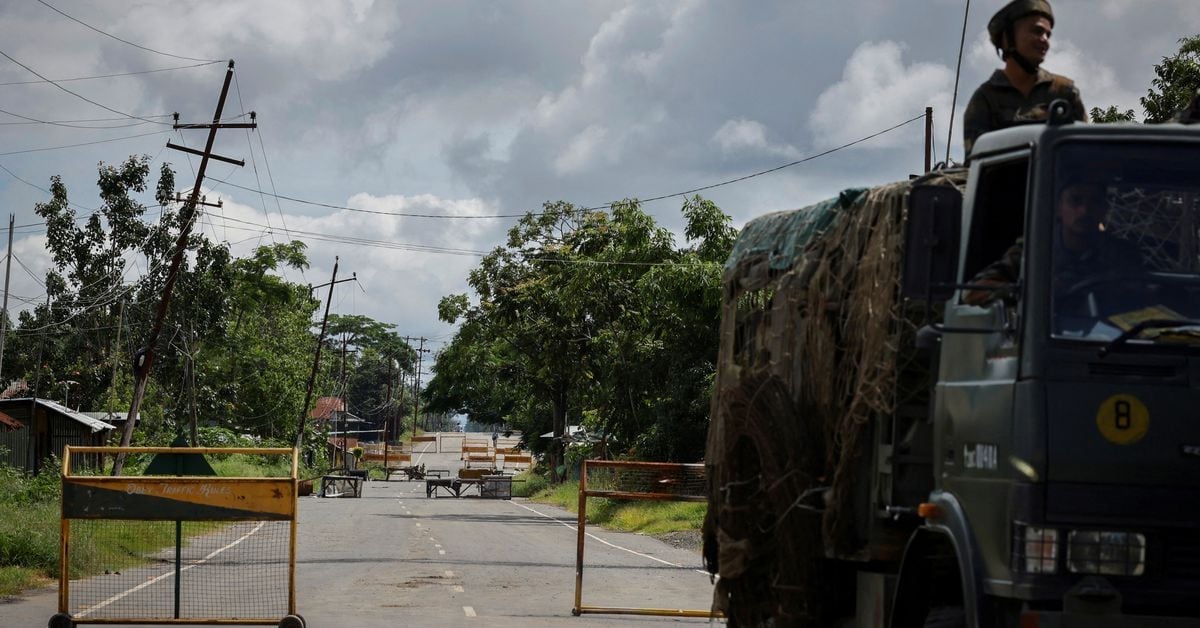
A sectarian conflict between the Meitei community and the Kuki tribals in India's Manipur state has escalated into a deepening crisis, with no sign of resolution after almost three months of violence. The conflict has killed over 180 people, displaced tens of thousands, and led to accusations of bias against the state government and police. The violence has severely dented Prime Minister Narendra Modi's image, as he prepares to host a G20 summit and faces a no-confidence motion in parliament. The Kukis, who make up a third of the Meitei population, have borne the brunt of the violence and are demanding a separate state within India.
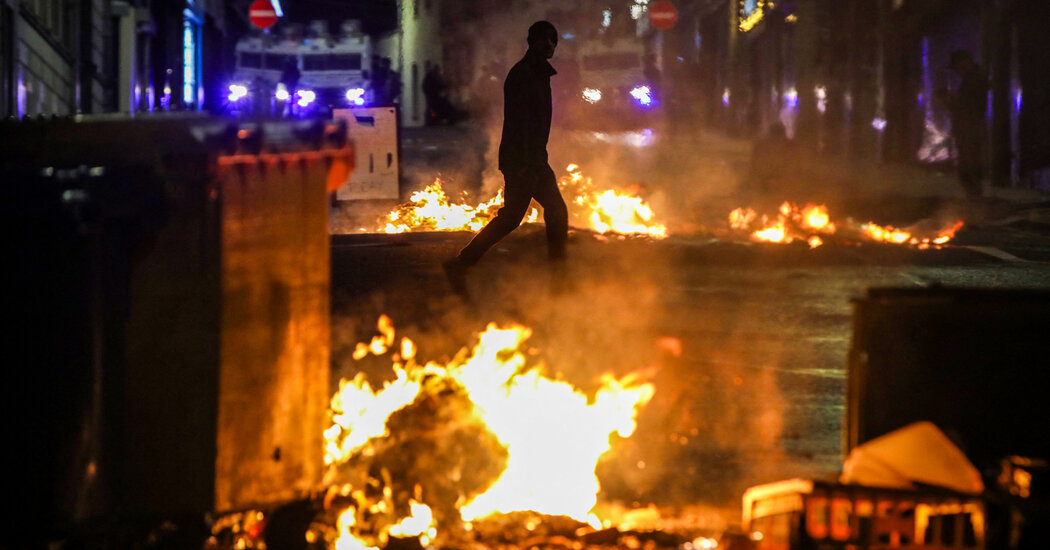
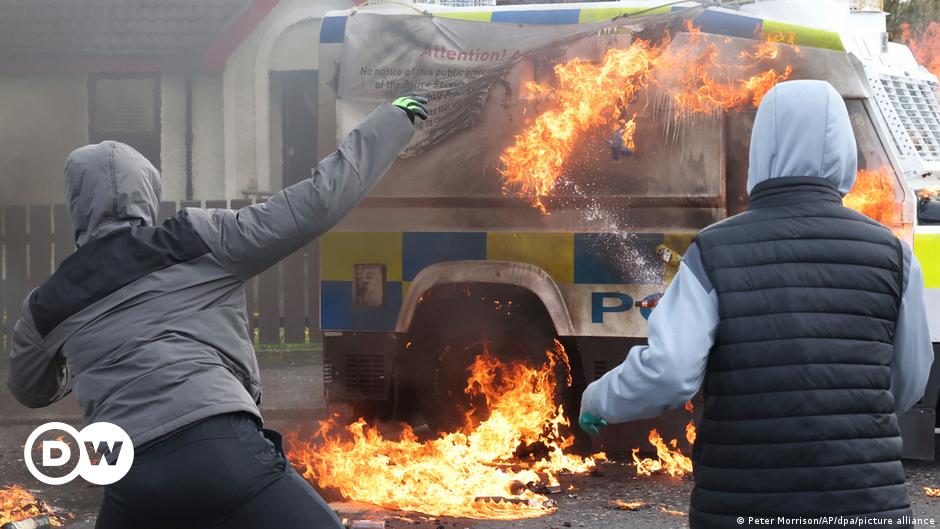
Masked people attacked a police vehicle with Molotov cocktails and other objects at a parade opposing the Good Friday peace accord in the Northern Irish city of Londonderry. The incident comes a day before US President Joe Biden arrives in Belfast. Northern Ireland commemorated the 25th anniversary of the end of the Troubles on Easter Monday, which is a traditional day of protest for the Republican camp based on the Easter Rising of 1916, with which Republicans wanted to gain Ireland's independence from Great Britain. Some 3,700 people were killed during three decades of sectarian strife between Catholics and Protestants.
The Good Friday Agreement (GFA), signed on April 10, 1998, brought an end to the sectarian conflict in Northern Ireland known as the Troubles. The agreement was accepted by both communities and included loyalist and republican paramilitary groups agreeing to maintain ceasefires and total disarmament. The GFA created three new sets of political institutions, including a democratically elected Northern Ireland Assembly in Belfast, which guaranteed power-sharing between the unionist and republican communities. The United Kingdom's departure from the European Union has had a destabilizing effect on Northern Ireland, rekindling debates on the status of the Irish border, which was arguably the most contested issue at the heart of the Troubles. The GFA's 25th anniversary comes at a strange time as Northern Ireland is without a government for the sixth time since its assembly was established in 1998 in Belfast.
Northern Ireland marks the 25th anniversary of the Good Friday Agreement, which brought peace to the region after a 30-year period of sectarian conflict known as the Troubles. The conflict escalated in the late 1960s, amid swelling anger at discrimination towards the province’s Irish Catholics. More than 3,500 people were killed during the Troubles, while 50,000 were injured. Sporadic incidents of violence continue, leading the UK government to last week raise the terrorism threat level in the region to severe once again.