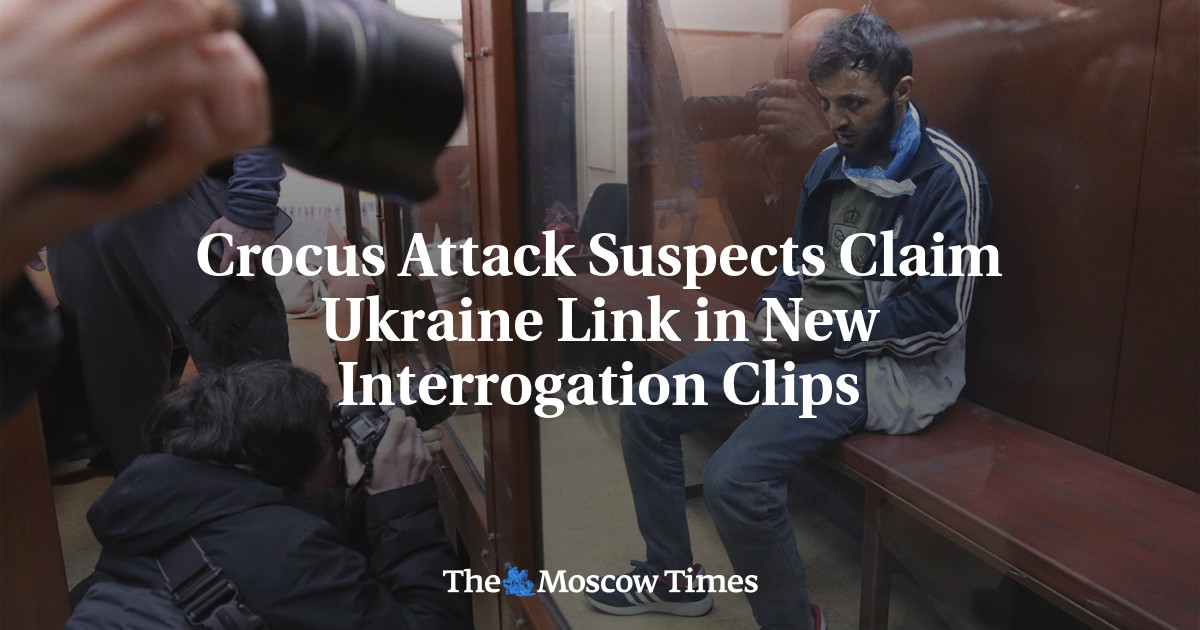
Suspected gunmen in the Moscow concert hall attack claim they were promised safe passage to Ukraine and a financial award, contradicting Russian officials' accusations against Ukraine and its Western partners. The reliability of information obtained during police interrogations has been questioned due to signs of abuse on the suspects and unverified reports of torture. Russian and Ukrainian officials continue to dispute the suspects' intended destination and the involvement of Ukrainian forces, while dismissing the Islamic State's claim of responsibility for the attack as propaganda.
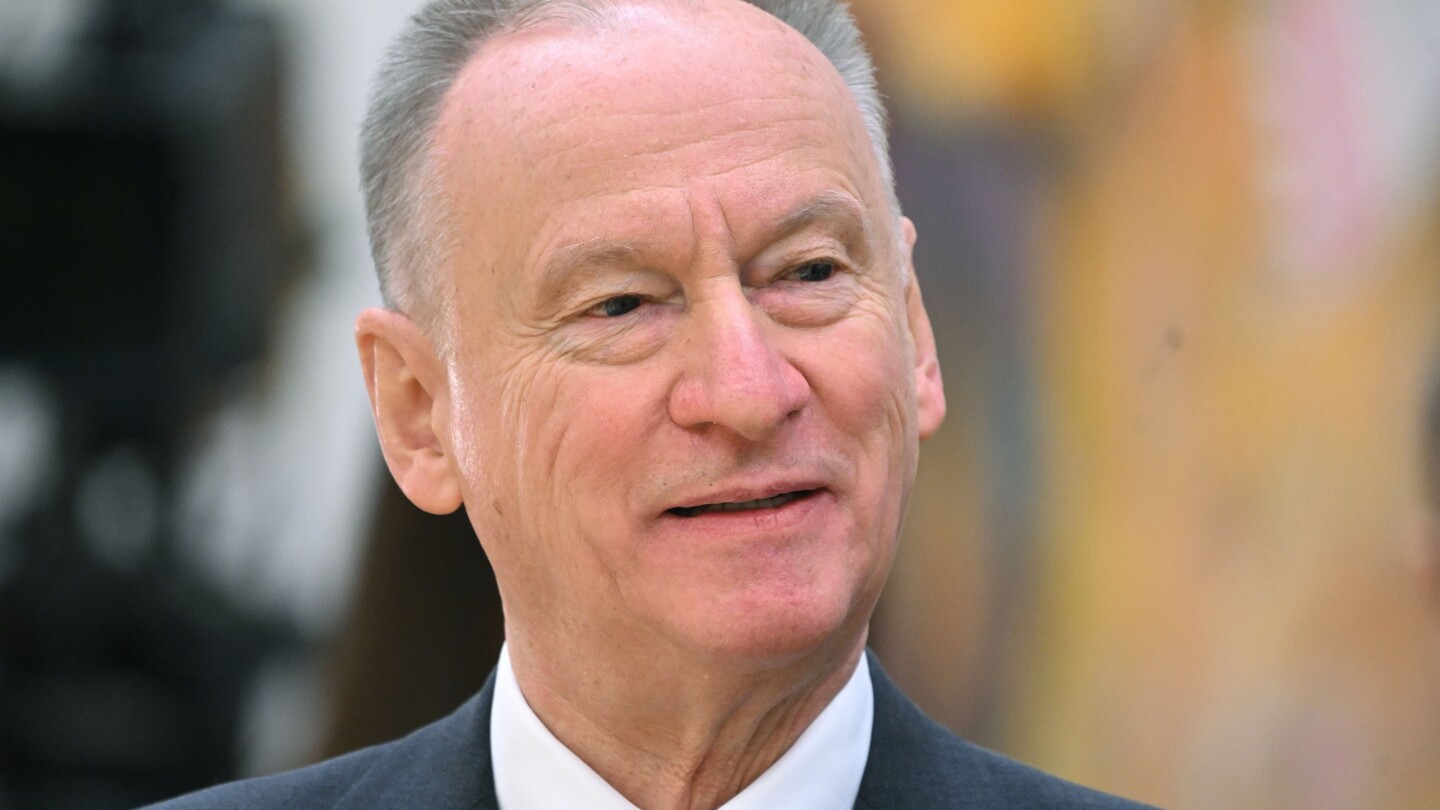
Russia's national security council head claims the United States shares blame for the Moscow concert hall attack, despite an Islamic State affiliate claiming responsibility. Russian officials have accused Ukraine of orchestrating the attack, while the U.S. issued warnings about potential terrorist attacks in Russia. The death toll has risen to 145, with suspicions of Ukrainian involvement leading to arrests and information requests to Western countries.
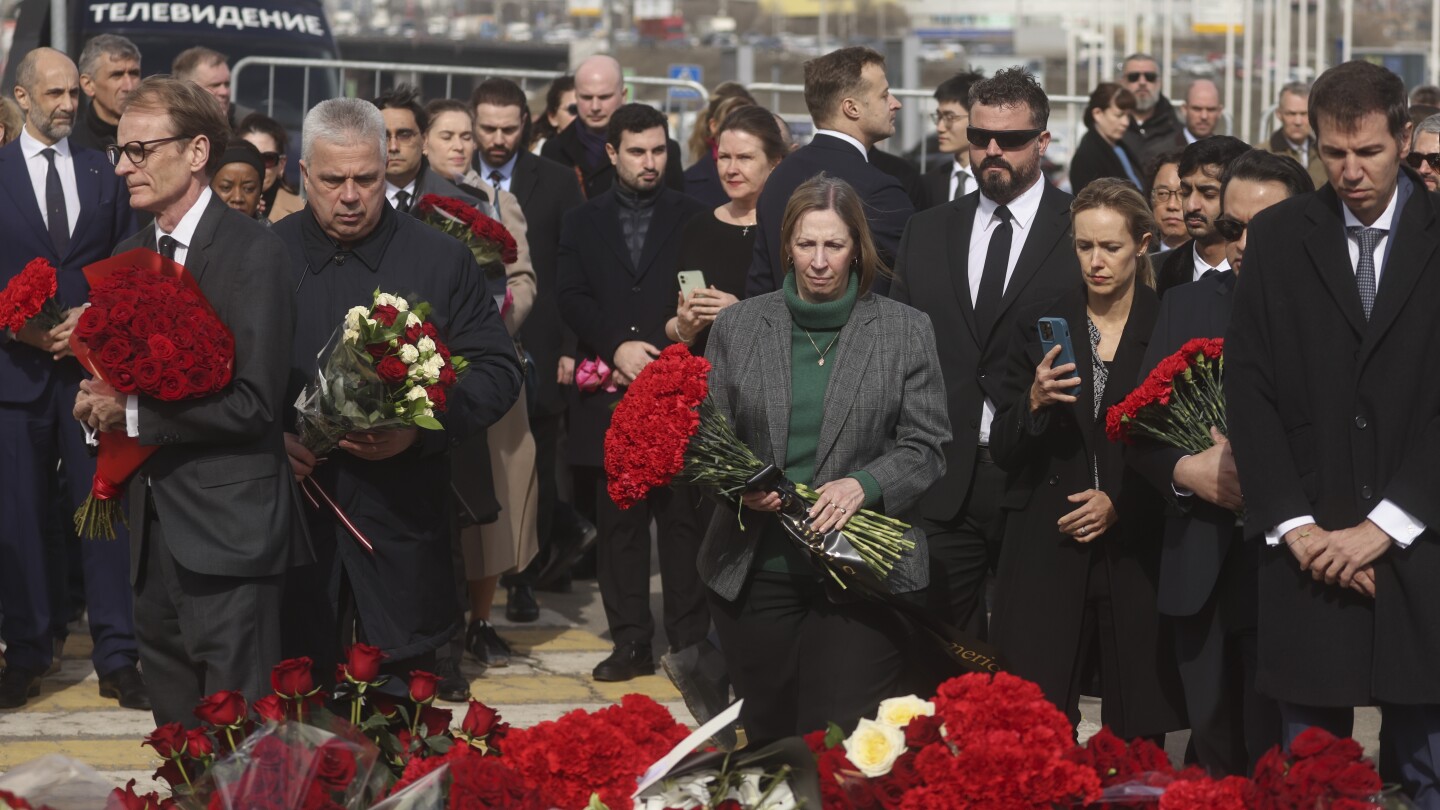
Foreign diplomats in Russia, including those from the United States, EU countries, Africa, and Latin America, laid flowers at the site of the recent attack on a Moscow concert hall that killed 144 people. The death toll rose to 144, with 551 wounded, and an affiliate of the Islamic State group claimed responsibility for the attack. Nine suspects have faced court in Russia, with Tajikistan's state security service detaining nine people in relation to the attack. The Kremlin has insisted that Ukraine and the West had a role, while Tajikistan has seen an outflow of migrant workers from Moscow back to Tajikistan since the attack.
Pakistan has experienced a surge in deadly attacks, with five suicide bombings targeting Chinese interests, prompting concerns about a larger plan to harm economic ties between Pakistan and China. The attacks have been claimed by various armed groups, including the Balochistan Liberation Army, and have raised questions about the involvement of religiously inspired armed groups and individuals. The Pakistani government has vowed to bring the perpetrators to justice and protect Chinese nationals and projects in the country, while analysts emphasize the need to address the grievances of Balochistan to mitigate the insurgency.
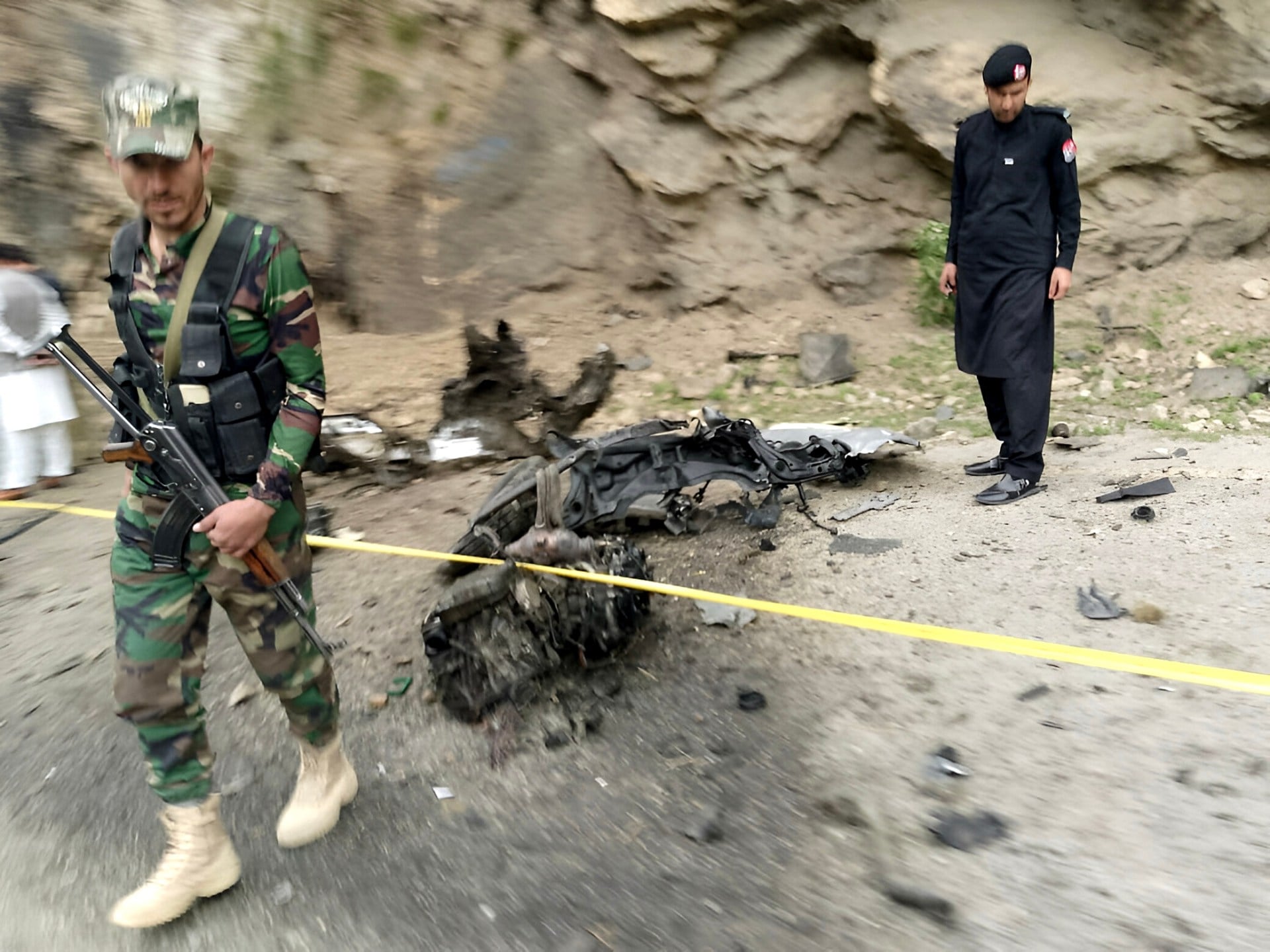
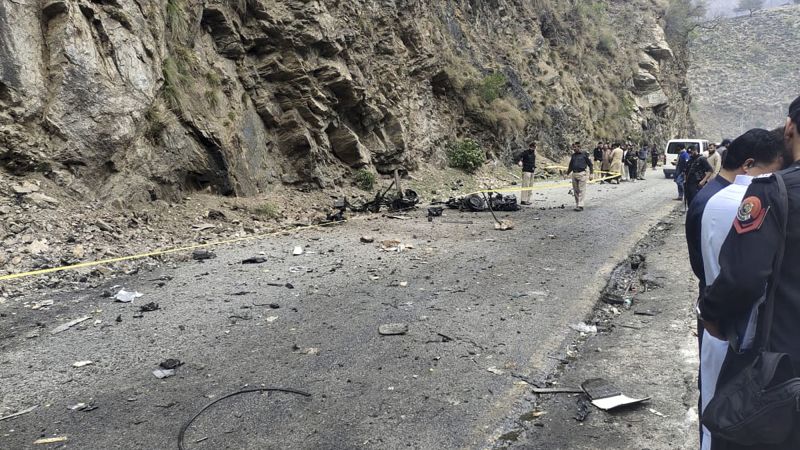
Five Chinese workers and their local driver were killed in a suicide bomb blast in northwest Pakistan, the latest in a series of attacks targeting Chinese interests in the country. The blast occurred as the workers' convoy traveled to the Dasu dam, a major hydropower project. No group has claimed responsibility, but the Pakistani Taliban denied involvement. The attacks highlight security challenges for Chinese projects in Pakistan, particularly in the wake of the Taliban's takeover in neighboring Afghanistan. China has strongly condemned the attack and urged Pakistan to investigate and ensure the safety of Chinese nationals and projects. Separatist groups in Balochistan, resentful of Chinese-funded developments, have previously targeted Chinese interests in the region.
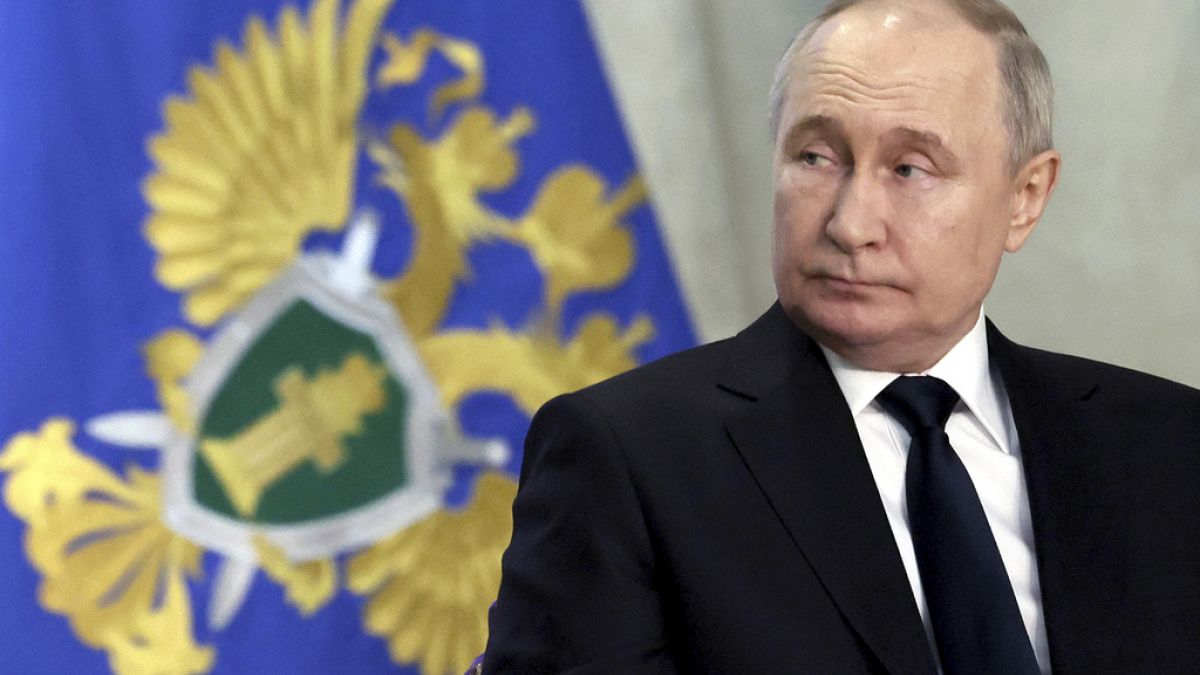
The director of Russia's Federal Security Service (FSB) accused the US, UK, and Ukraine of being behind the recent Moscow concert hall attack, despite Islamic State claiming responsibility. Russian officials, including President Putin, have persistently linked the attack to Ukraine and the West, despite denials and evidence pointing to Islamic State's involvement. The FSB director alleged that Western and Ukrainian spy agencies assisted radical Islamists in carrying out the attack, while also acknowledging receiving a US tip about the attack. The attack, which killed 139 people, has left about 90 people hospitalized, with 22 in grave condition.
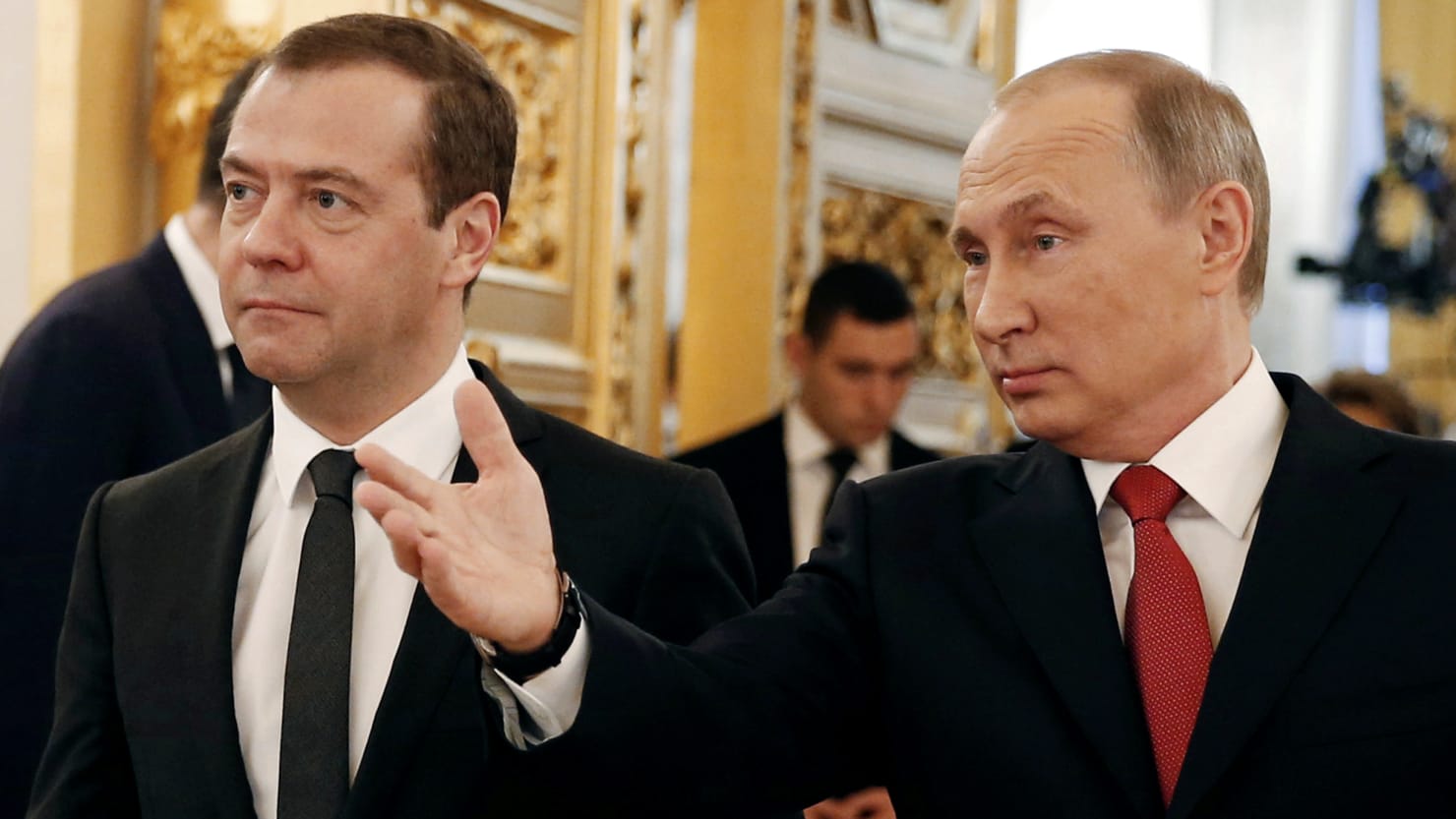
Russian officials, including Deputy Chairman Dmitry Medvedev, rushed to blame Ukraine and the U.S. for the mass shooting at a Moscow concert hall, which left at least 60 people dead and 100 wounded. Despite ISIS claiming responsibility, Russian officials accused Ukraine of orchestrating the attack, with some alleging U.S. and U.K. involvement. The incident has raised concerns about potential Russian retaliation and its implications for international relations. Meanwhile, the U.S. denied any involvement and expressed condolences, while the search for suspects continues.
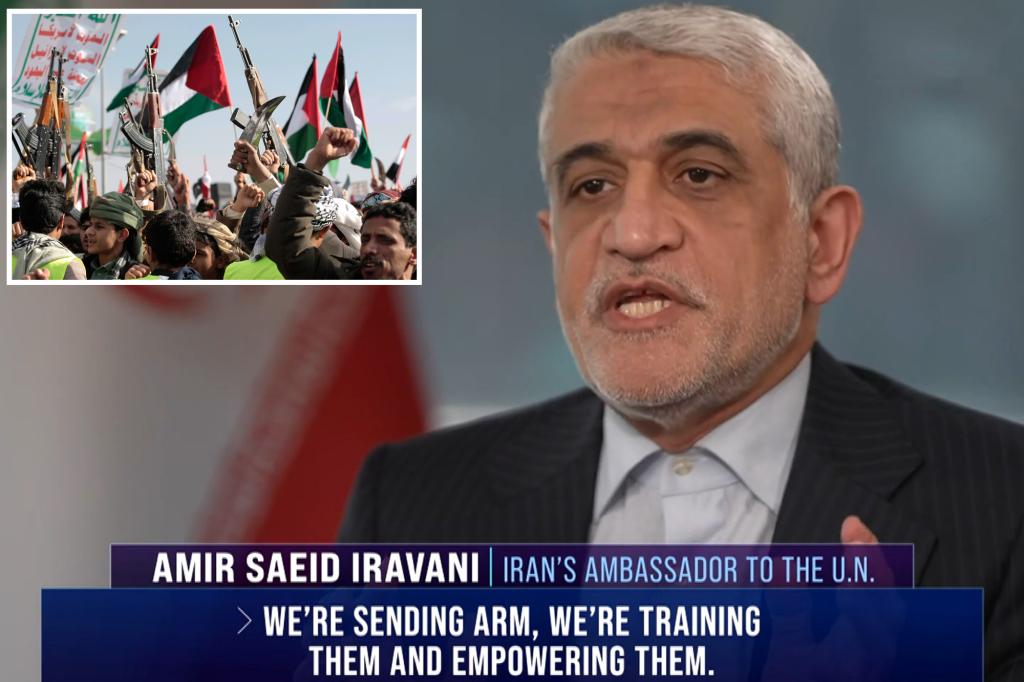
Iranian ambassador to the UN denies Iran's involvement in the Hamas terrorist attack on Israel but admits to arming, training, and empowering Palestinian terror groups. He also denies Iran's role in arming Houthi rebels in Yemen, despite US officials linking Iran to various terror groups in the region.
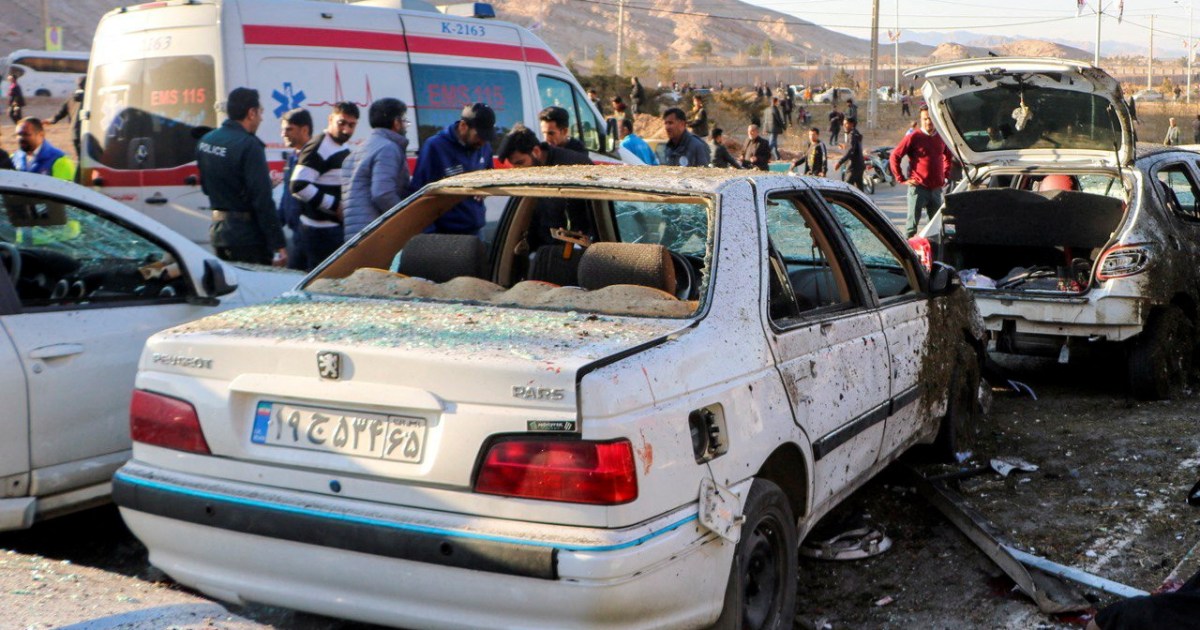
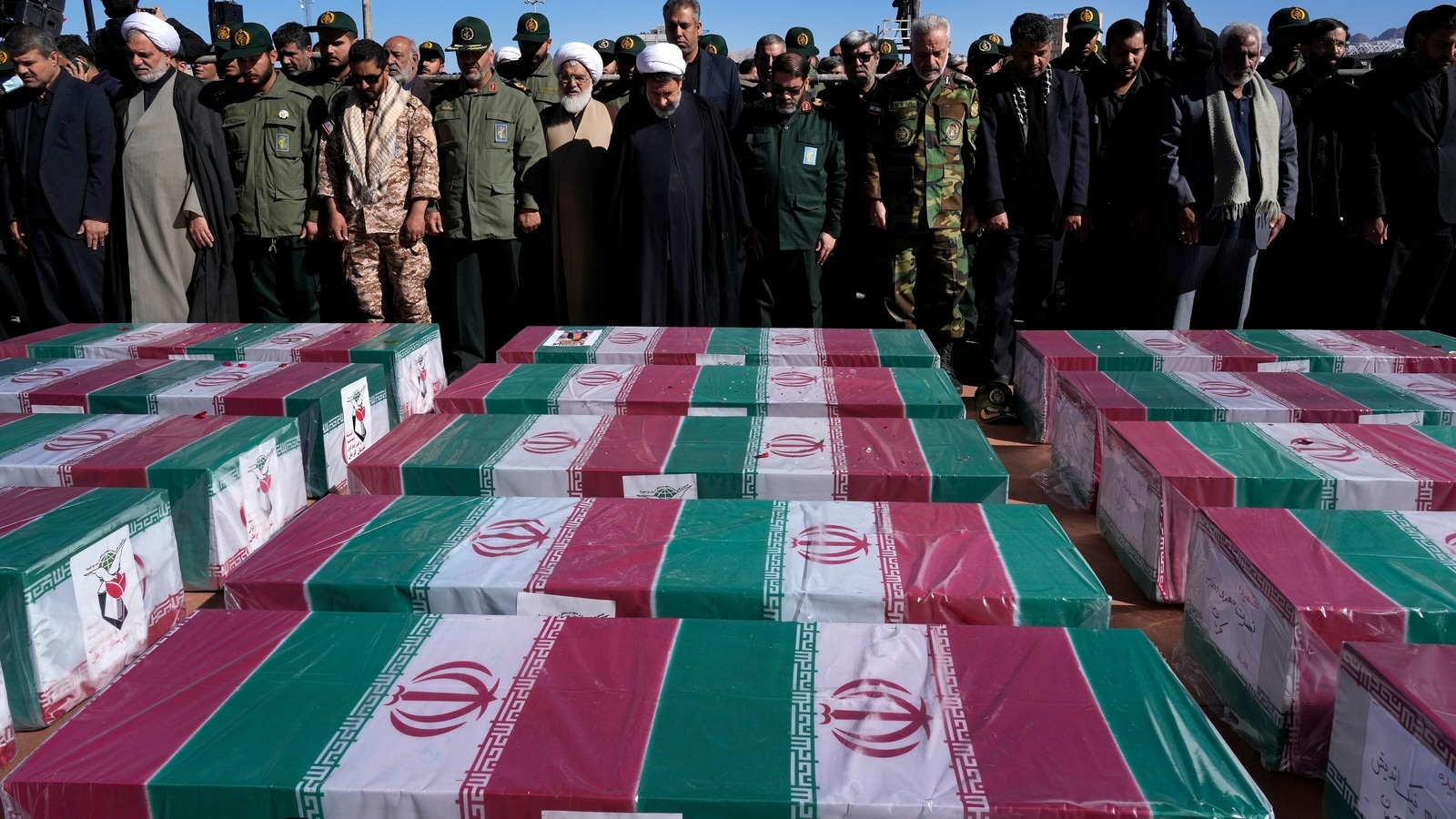
The US government privately warned Iran of a potential terrorist attack by ISIL ahead of twin suicide bombings in Kerman that killed nearly 100 people. The attack occurred during a memorial for slain commander Qassem Soleimani, and ISIL claimed responsibility. Iran arrested at least 35 people in connection with the bombings and conducted strikes in Iraq and Syria. The US warning may signal a desire for dialogue with Tehran, despite recent attacks by Iranian-backed proxies, as the Biden administration seeks to revive the 2015 nuclear deal.
The Islamic State's recent attack in Iran, which killed 84 people, is rooted in the group's longstanding hostility towards Shia Muslims, whom they consider heretical apostates. Iran's history of fighting jihadist groups, particularly IS, has made it a prime target for the organization. The resurgence of anti-Shia groups in Afghanistan, particularly ISIS-Khorasan, poses a significant threat to Iran, especially as the Taliban has failed to effectively counter these groups despite assurances to the contrary. The attack in Kerman serves as a stark reminder of the ongoing sectarian tensions and the complex web of conflicts in the region.